19th Century Antiques & Furniture

4682 objects found

Loading
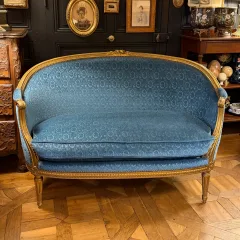
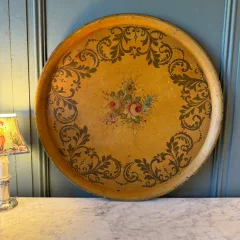
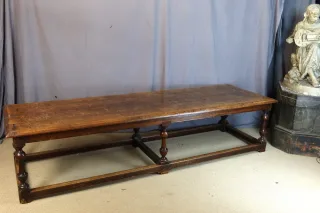
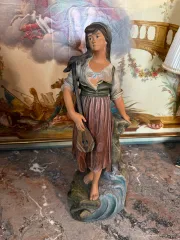
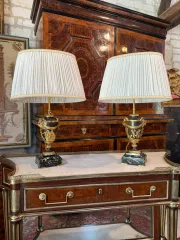
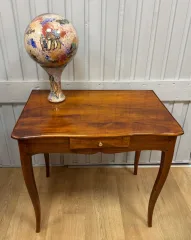
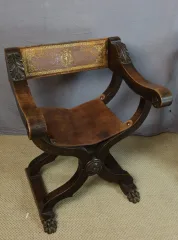
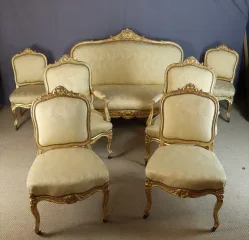
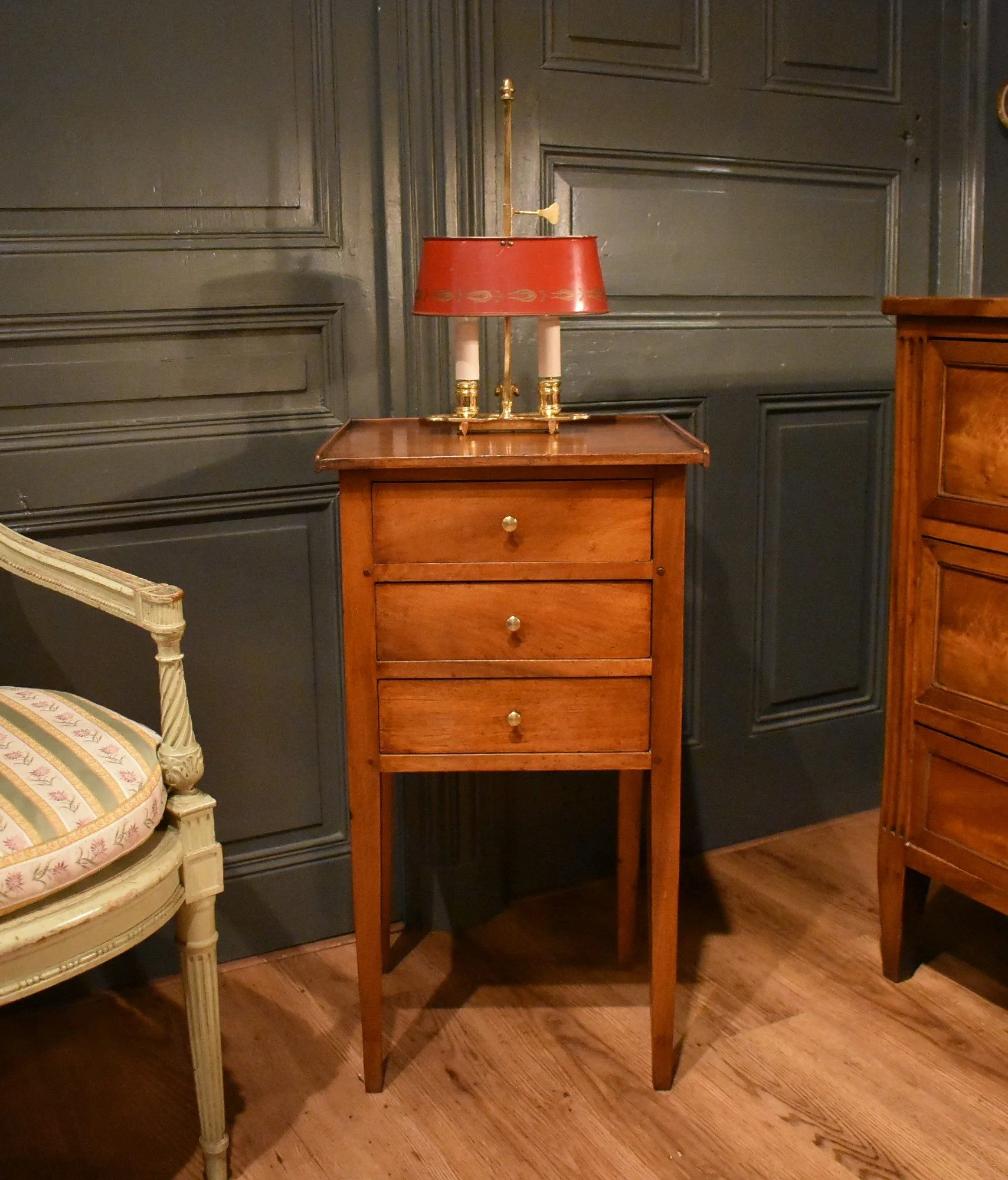
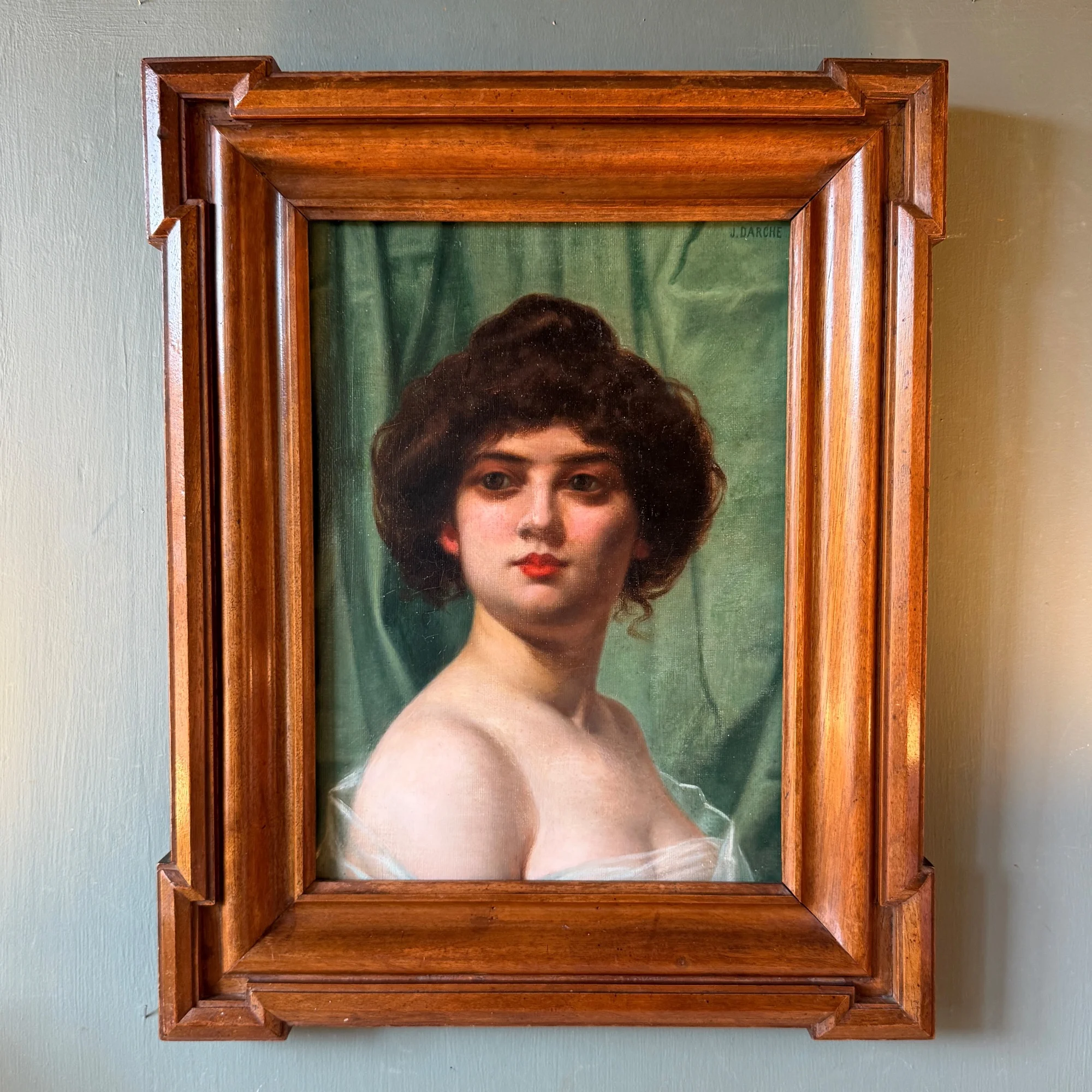
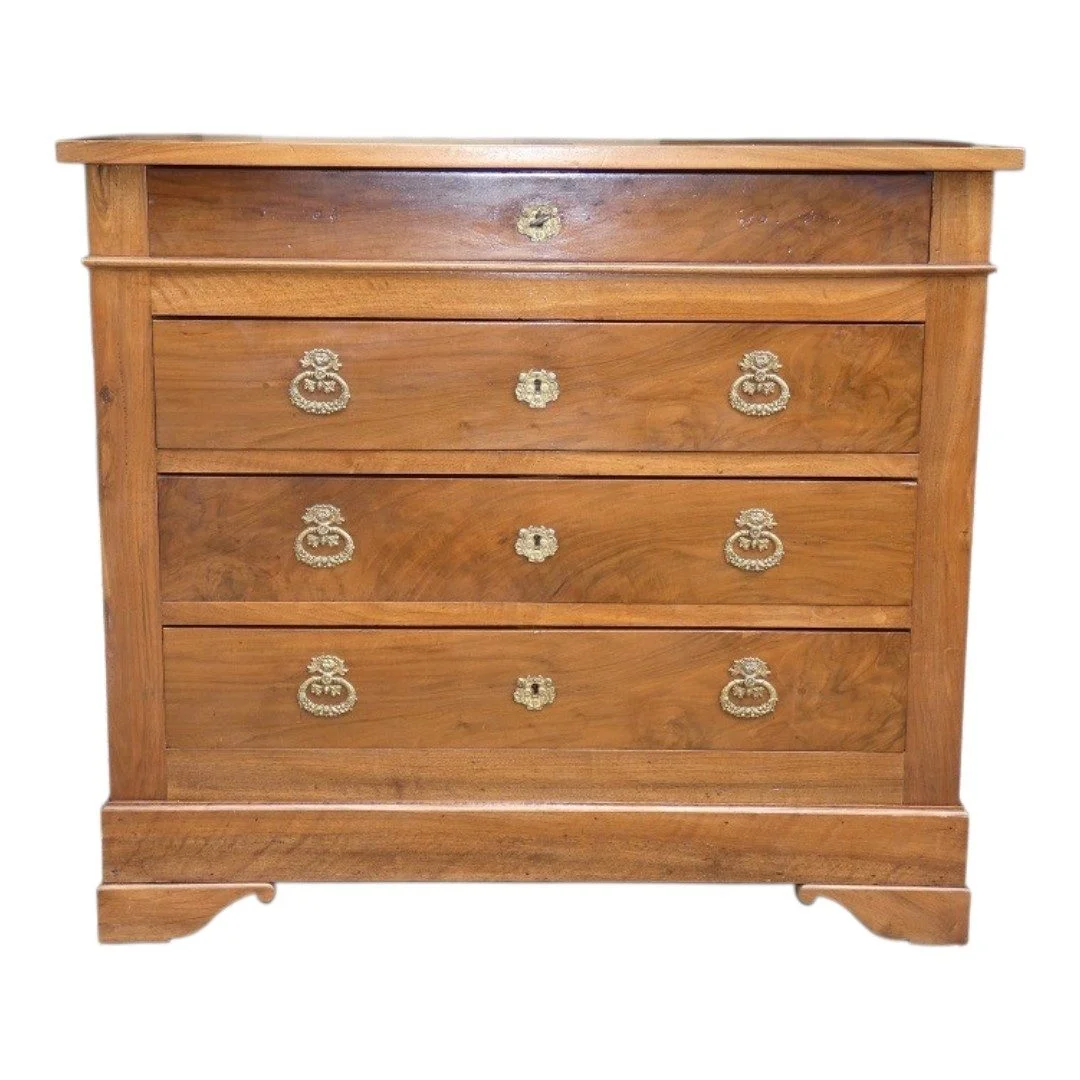
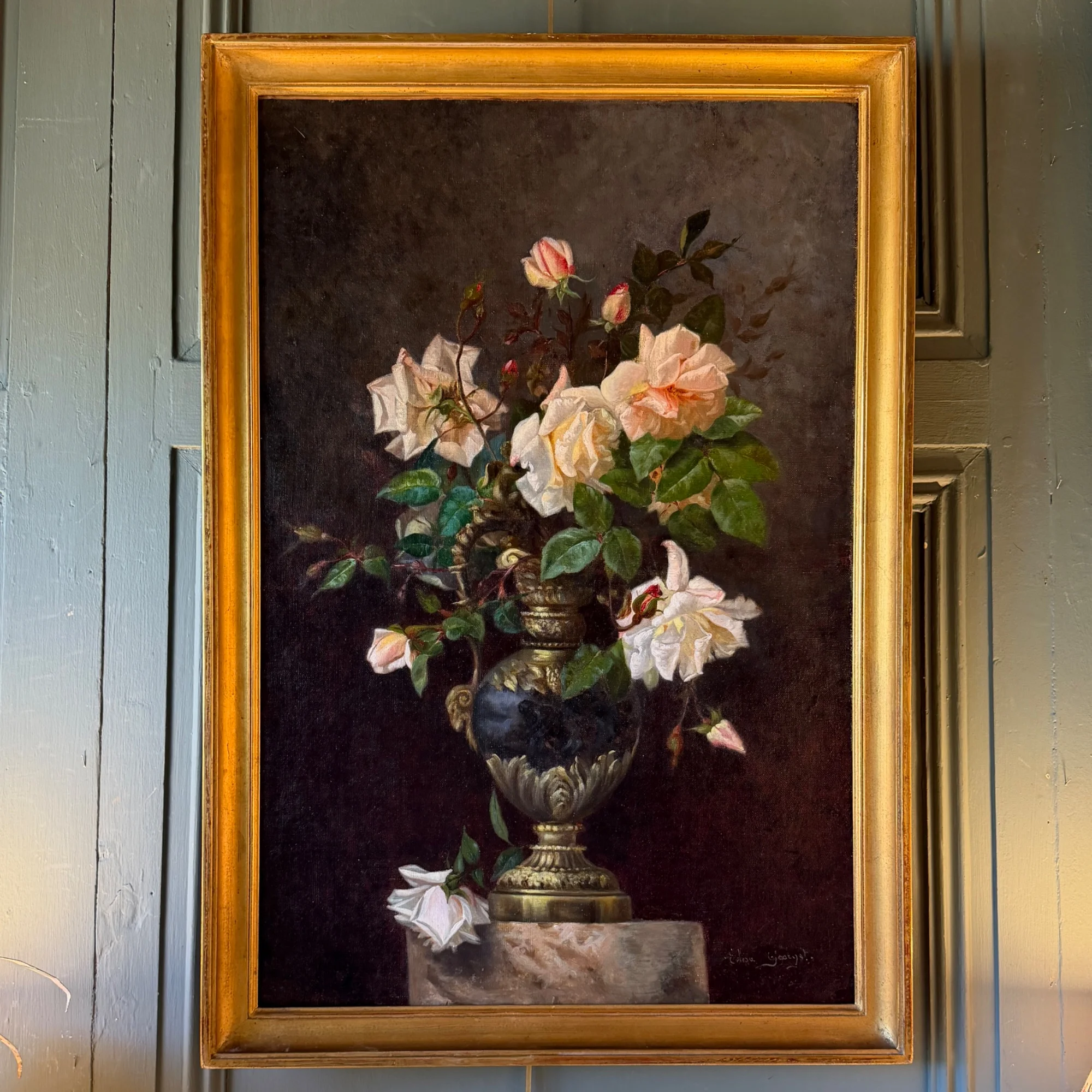
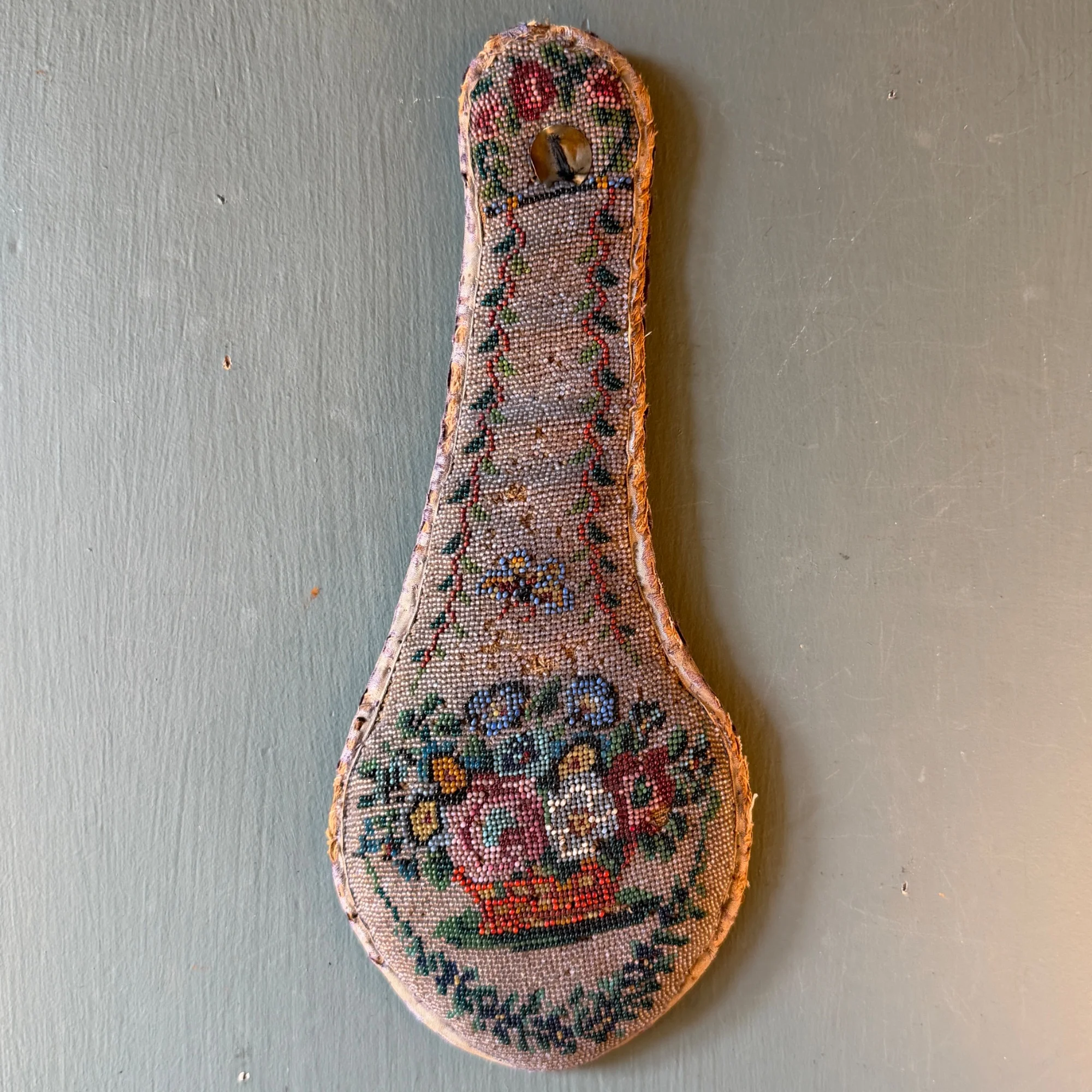
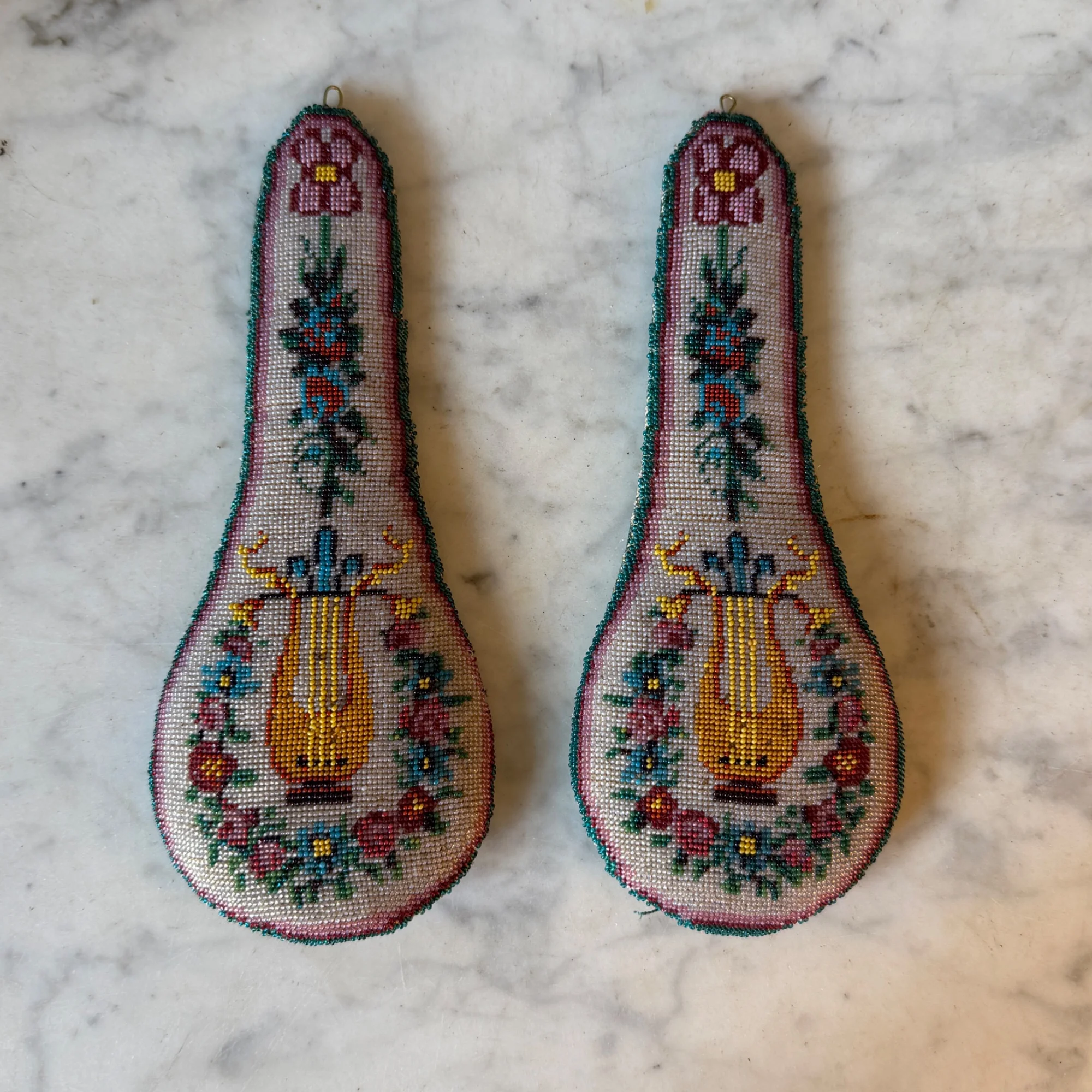
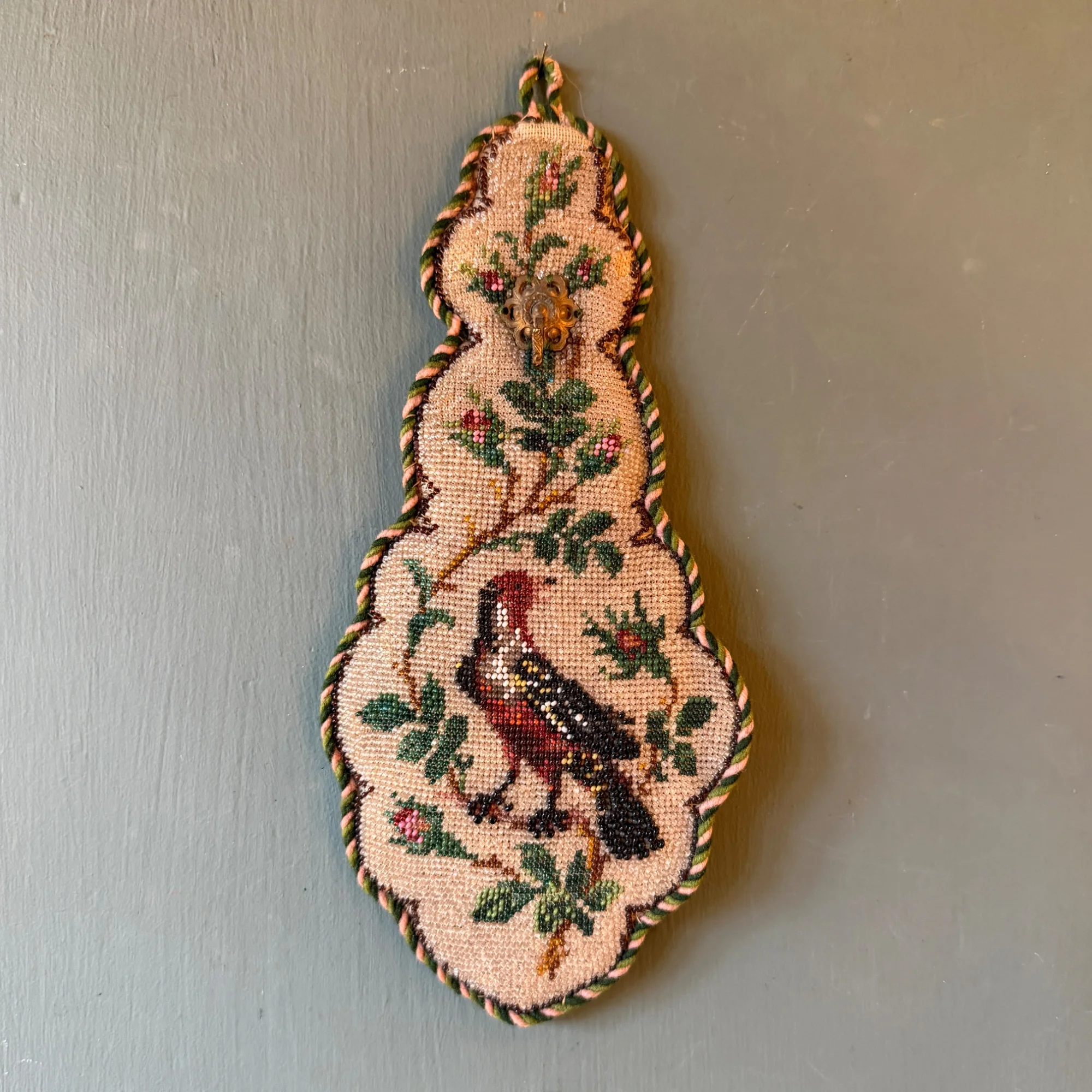
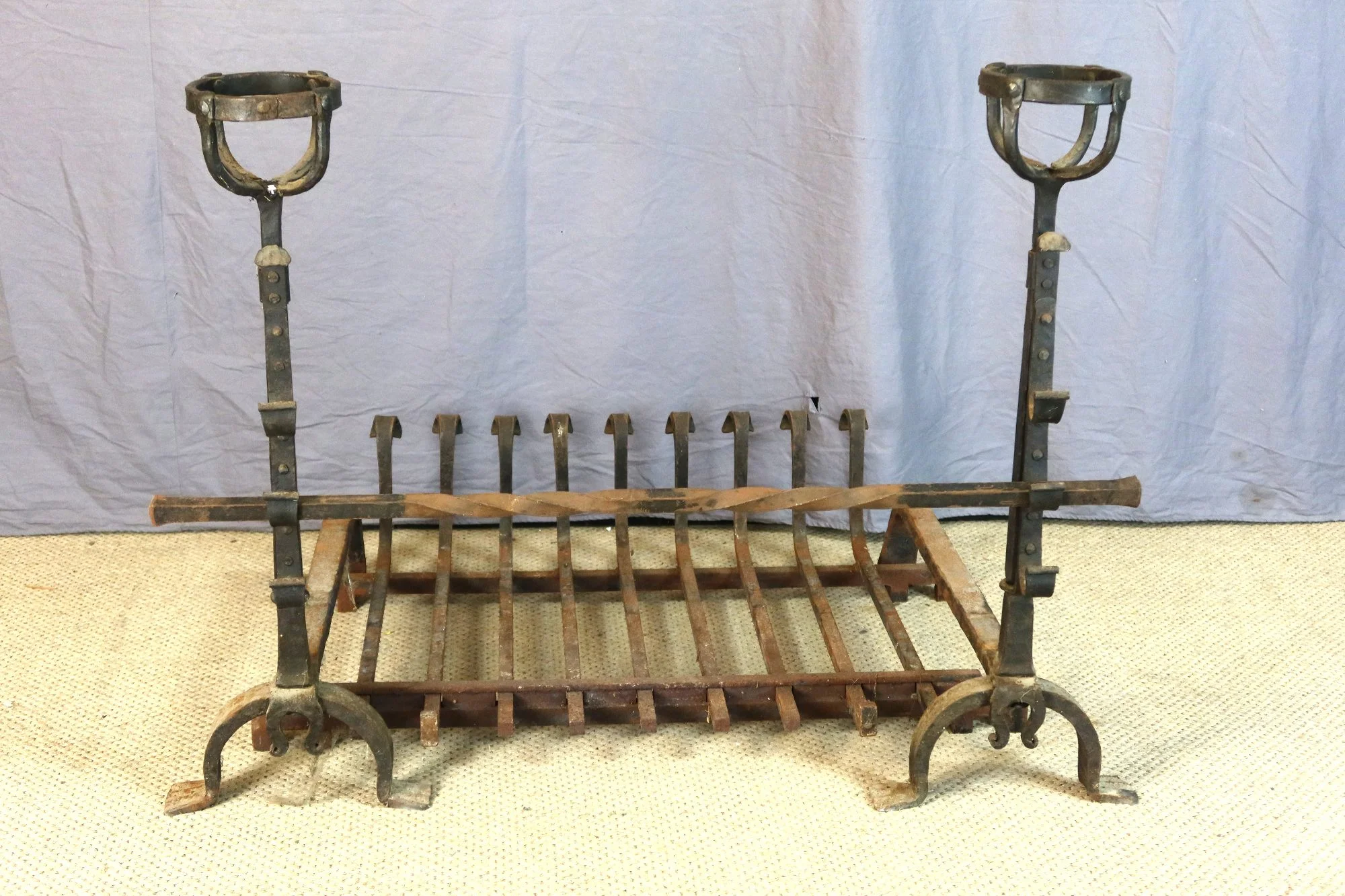
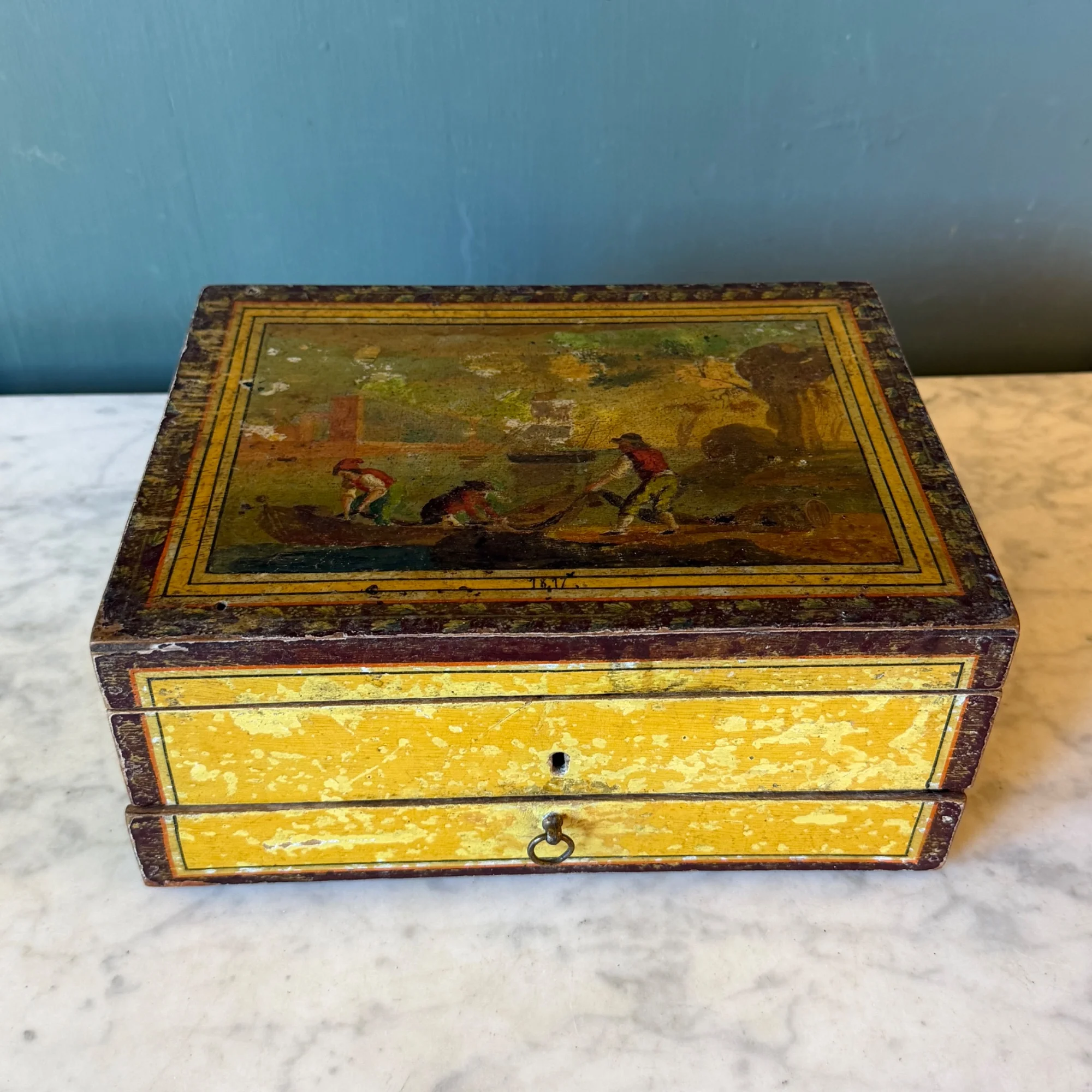
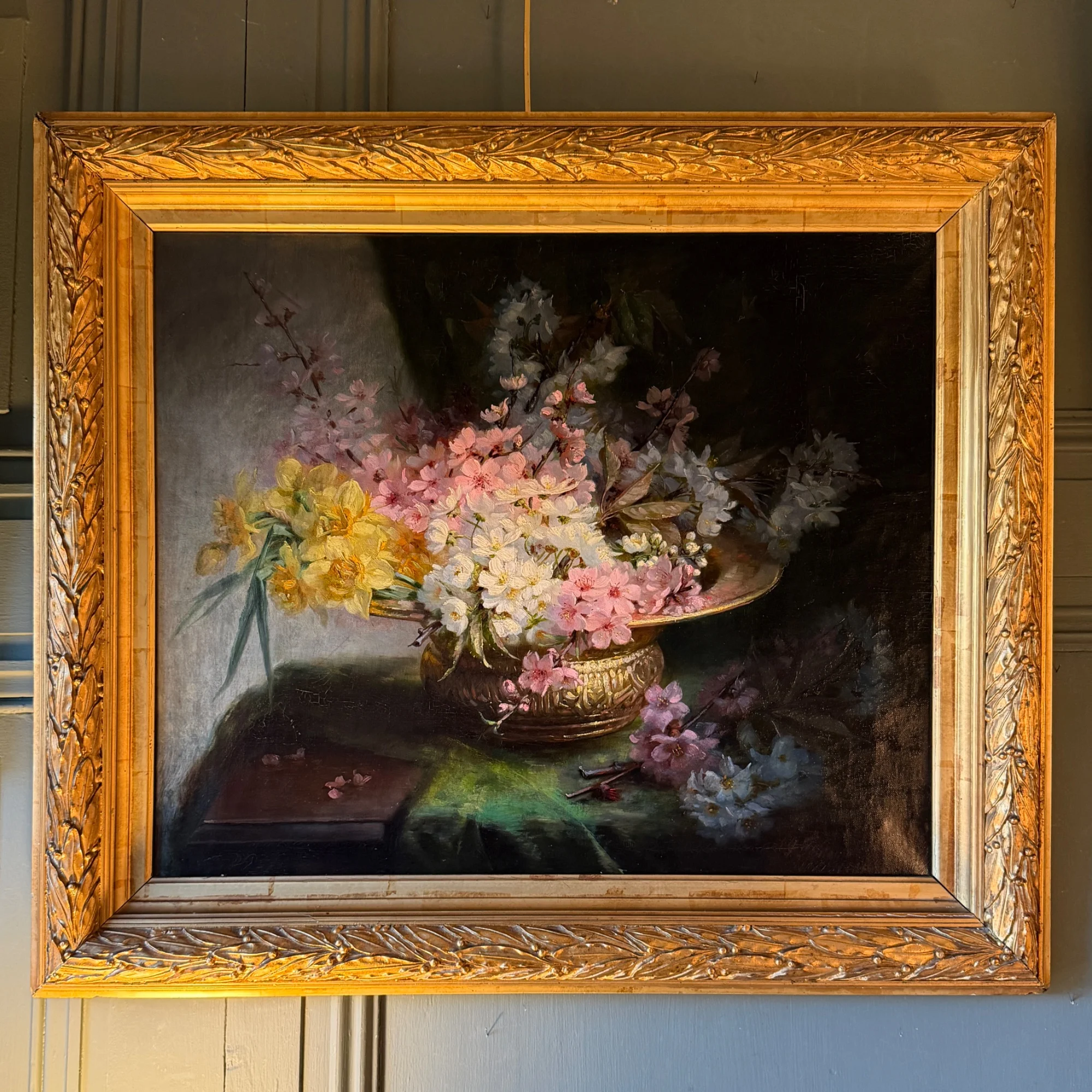
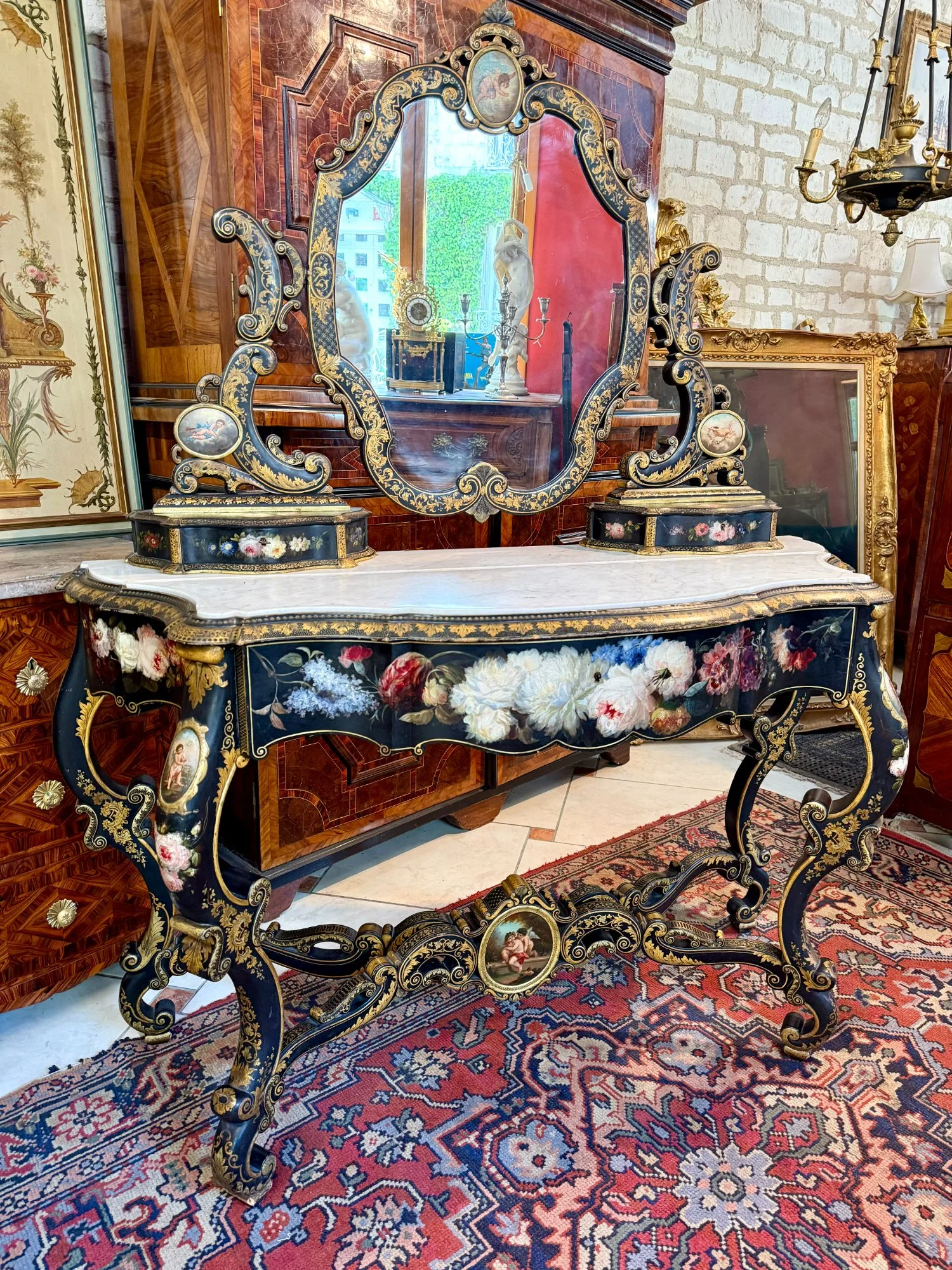
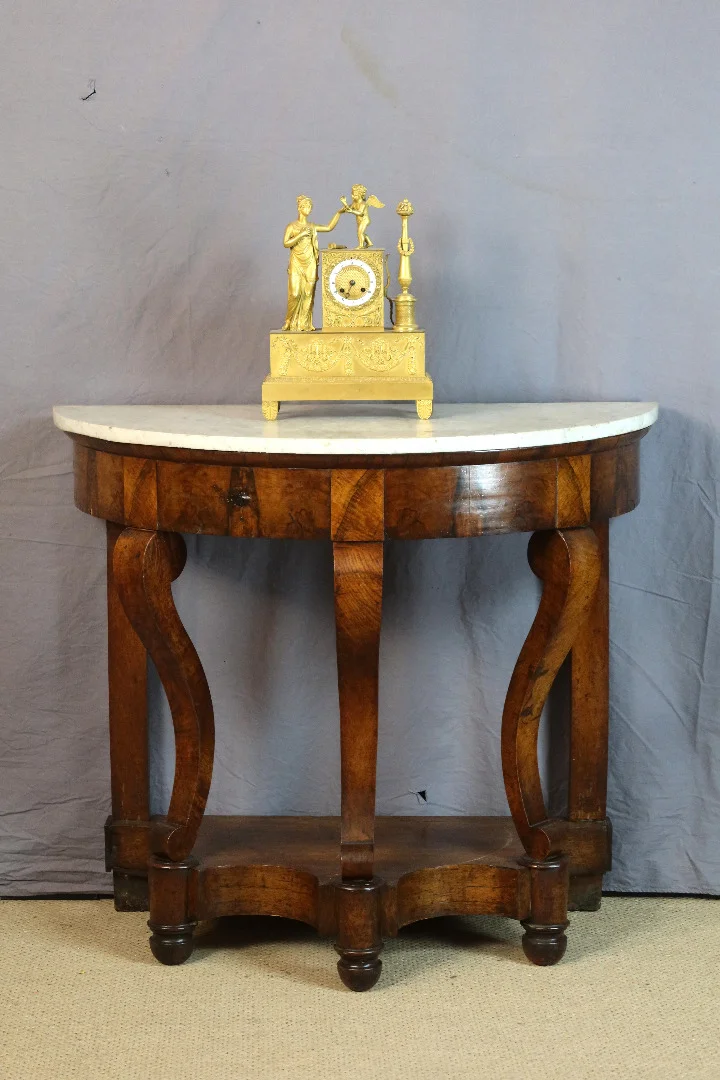
19th century antiques span one of the richest and most varied periods in decorative arts history. From the monumental grandeur of the Empire style (1804–1815) — solid mahogany, gilt bronze mounts, eagle and sphinx motifs drawn from Roman and Egyptian antiquity — through the restrained elegance of the Restoration and Louis-Philippe periods, to the exuberant bourgeois opulence of Napoleon III furniture (1852–1870), each sub-period reflects a distinct political era and aesthetic vision. Cabinet-making reached extraordinary heights: workshops multiplied, techniques were refined, and materials diversified — mahogany, walnut, rosewood, marquetry, porcelain inlays and finely chiselled bronzes. Decorative objects — mantel clocks, bronze statuettes, Sèvres and Limoges porcelain services — achieved a level of craftsmanship rarely surpassed. Browse our full selection below, covering furniture, paintings, sculpture and objets d'art from across the century.

Empire, Louis-Philippe and Napoleon III antiques from professional dealers

4682 objects found

How to choose and authenticate 19th century antique furniture

19th century antique furniture offers a compelling entry point into collecting: it is generally more accessible in price than 18th century pieces, yet the quality of construction and the decorative vocabulary are exceptionally rich. Cabinetmakers of the period mastered veneering, ormolu casting and upholstery to a degree that still impresses today, and many pieces have survived in excellent condition thanks to the robustness of their construction. When buying, look closely at the quality of the bronze mounts — original Empire and Napoleon III bronzes are finely chiselled and fire-gilded, not simply lacquered. Check that veneers are intact and that any restorations are consistent with the piece's age. A maker's stamp, retailer's label or documented provenance adds meaningful value. For Empire style commodes and secrétaires, confirm that the mahogany is solid or high-quality veneer over oak, and that the feet and hardware are original. Price expectations vary widely: small decorative objects and prints can be found from a few hundred pounds, while a signed or documented piece of Napoleon III marquetry furniture or a fine pair of Empire ormolu candelabra may reach several thousand. Condition, rarity and provenance are the three decisive factors. If you are new to the period, comparing pieces across several dealers is the best education. All sellers on Antiquités en France are verified professional antique dealers who can provide detailed photographs, condition reports and provenance documentation on request. You may also wish to explore 20th century antiques for later decorative arts, or browse adjacent periods for context. Contact any dealer directly through the listing to discuss a piece — expert guidance is part of the service.

Frequently asked questions about 19th Century Antiques & Furniture

What are the main styles within 19th century antiques?
The century encompasses several distinct periods: Empire (1804–1815), Restoration (1815–1830), Charles X (1820s–1830s), Louis-Philippe (1830–1848) and Napoleon III (1852–1870). Each has its own aesthetic, materials and characteristic forms, from austere mahogany to richly inlaid rosewood and ebonised wood.
How can I tell if a 19th century piece is authentic?
Look for period-appropriate construction: hand-cut dovetails, solid or quality veneer over oak, original hardware and fire-gilded bronze mounts. A maker's stamp or retailer's label on the interior adds confidence. Buying from a professional antique dealer who provides a detailed description and provenance is the safest approach.
What is the price range for 19th century antique furniture?
Prices range from a few hundred pounds for smaller decorative pieces or prints to tens of thousands for signed, documented or exceptional furniture. A good Empire commode or Napoleon III marquetry cabinet typically falls between £1,500 and £8,000 depending on condition, maker and provenance.
How should I care for 19th century furniture?
Keep pieces away from direct sunlight and heat sources to prevent veneer lifting. Dust regularly with a soft cloth and feed the wood annually with a quality beeswax or furniture wax. Avoid harsh chemical cleaners on bronze mounts; a dry soft brush is usually sufficient for gilt surfaces.
Can 19th century antiques be shipped internationally?
Yes. Most professional dealers on Antiquités en France have experience shipping furniture and objects internationally. They can arrange specialist art transport, appropriate crating and insurance. Always confirm shipping costs and methods with the dealer before purchase, especially for large or fragile pieces.