
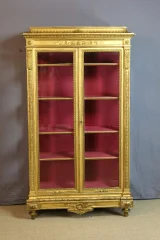
Gilt wood display cabinet, 19th century
Philippe Cote Antiquites — Chauffailles
3 800,00 €
Restored
157 objects found
The antique display cabinet is at once a storage piece and a showcase: it protects and presents porcelain, silverware, curiosities and collectables while giving a room structure and elegance. From the restrained solid oak Louis-Philippe vitrine to the sumptuous Napoleon III display cabinet in ebonised wood with gilt-bronze mounts, each piece reflects the cabinetmaker's mastery of glass and timber.
The professional dealers listed on Antiquités en France offer a wide selection of antique glazed cabinets — corner vitrines, glazed bookcases, apothecary and haberdashery cabinets — spanning two centuries of French and European craftsmanship.
157 objects found
Philippe Cote Antiquites — Chauffailles
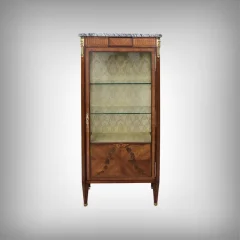
Antiquités Lecomte — Héric
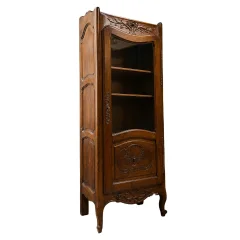
le village des brocanteurs 58 — Dun-les-Places
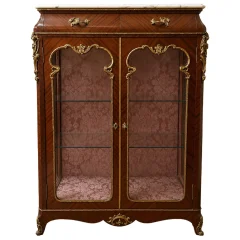
le village des brocanteurs 58 — Dun-les-Places
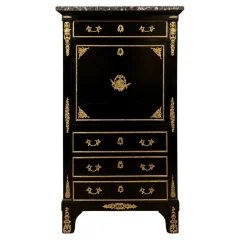
le village des brocanteurs 58 — Dun-les-Places
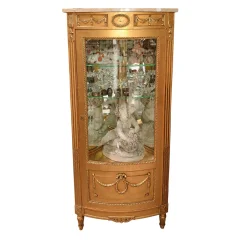
le village des brocanteurs 58 — Dun-les-Places
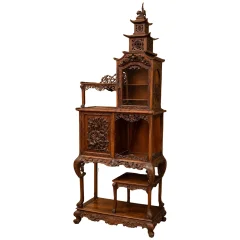
le village des brocanteurs 58 — Dun-les-Places
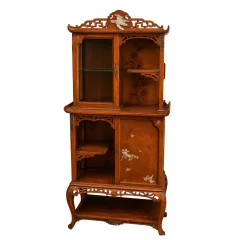
le village des brocanteurs 58 — Dun-les-Places
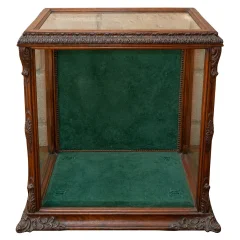
le village des brocanteurs 58 — Dun-les-Places
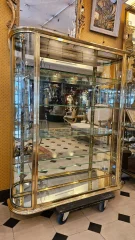
FRANZINI-HEINEN
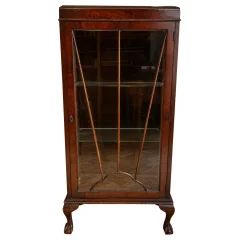
le village des brocanteurs 58 — Dun-les-Places
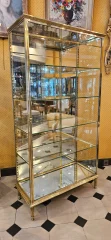
FRANZINI-HEINEN
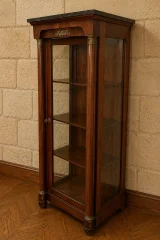
le village des brocanteurs 58 — Dun-les-Places
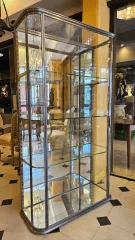
FRANZINI-HEINEN
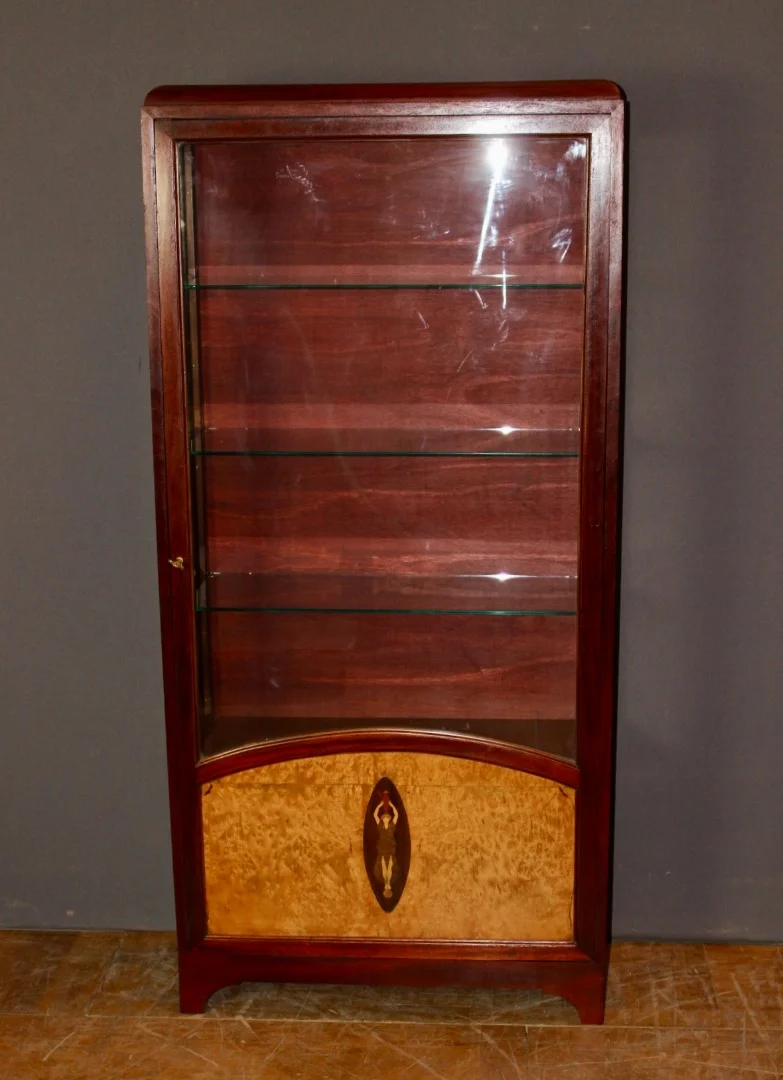
Antiquités Christophe Rochet — Villeurbanne
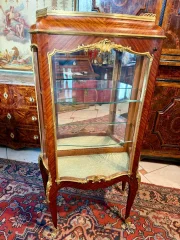
Romain Lichtensztein — Maignelay-Montigny
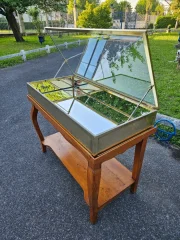
FRANZINI-HEINEN
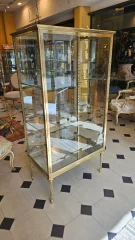
FRANZINI-HEINEN
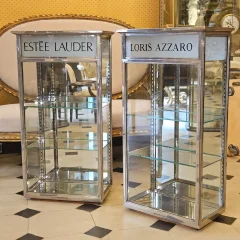
FRANZINI-HEINEN

FRANZINI-HEINEN
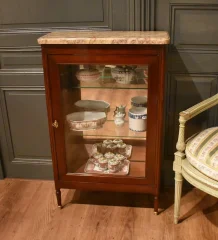
Antiquités Anne Marie Perrier — La Boisse
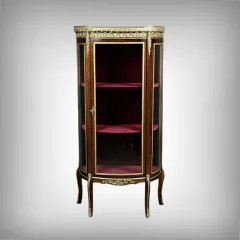
Antiquités Lecomte — Héric

Philippe Cote Antiquites — Chauffailles
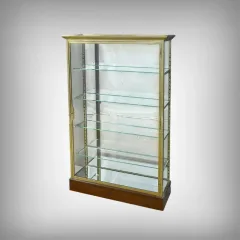
Antiquités Lecomte — Héric
When choosing an antique display cabinet, start with the structure: uprights, rails and back panel should be true and square, free from warping or deep cracks. Original glazing — often hand-blown glass with a faint, characteristic ripple — is a valuable mark of authenticity. Replacement float glass is not a deal-breaker, but it should be declared and reflected in the price. Pay close attention to the hardware: original bronze or brass hinges, locks and espagnolette bolts add meaningful value and help confirm the period of manufacture.
The most common timbers are oak and walnut for 19th-century regional pieces, mahogany for Empire and Restauration-style cabinets, and rosewood or ebony for prestige Napoleon III examples. Doctor's and pharmacist's cabinets in painted wood with bevelled glass shelves are now keenly sought by collectors of antique trade and industrial objects. Art Deco display cabinets, frequently veneered in burr amboyna or sycamore, attract buyers with their geometric lines and chrome fittings.
Budget-wise, a sound antique display cabinet ranges from a few hundred euros for a 19th-century regional oak piece to several thousand for a finely crafted Napoleon III ebonised cabinet with original gilt-bronze mounts or a stamped maker's piece. Always ask the dealer for precise dimensions (H., W., D.) and the condition of the glass panels before purchasing, especially if long-distance shipping is involved. The solid silver pieces or porcelains you plan to display inside deserve a cabinet whose closure is reliable and whose joints keep out dust.
On Antiquités en France, every display cabinet is offered by a verified professional antique dealer who can provide detailed photographs, provenance documentation and a certificate where available. Browse the listings, compare periods and styles, then contact the dealer directly to negotiate and arrange delivery with complete confidence.