
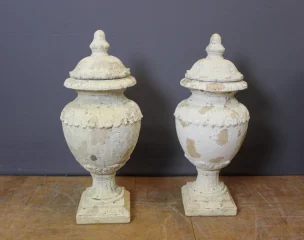
Pair of covered garden vases, 19th century
Antiquités Christophe Rochet — Villeurbanne
1 200,00 €
14 objects found
Antique staircases and period railings rank among the most sought-after elements in prestige architectural salvage. Whether you are looking for an 18th-century wrought iron stair railing, limestone balusters or a flight of solid oak treads, each piece bears witness to a level of craftsmanship that is virtually impossible to replicate today. These elements integrate equally well into a faithful period restoration or into a contemporary interior in search of genuine character.
Hand-forged railings are distinguishable from later industrial output by their characteristic slight irregularities in section and joinery. The finest antique architectural elements can often be traced to a regional ironworking atelier or a named estate, adding both provenance and value.
14 objects found
Antiquités Christophe Rochet — Villeurbanne

L’ESTAMPILLE — Navilly
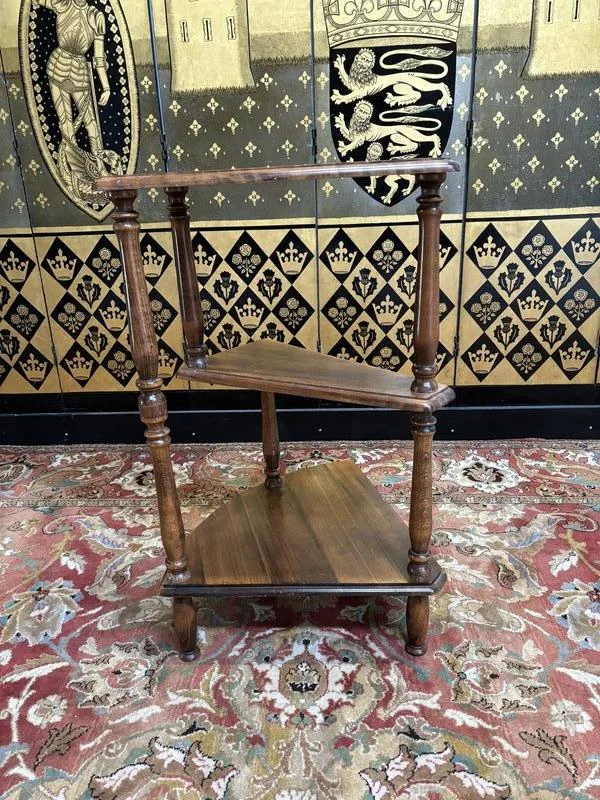
L’ESTAMPILLE — Navilly
Galerie Lauretta — Mandelieu-la-Napoule
Au Réveil Du Temps — Saint-Nabord
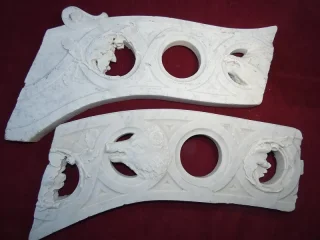
L'atelier De La Dorure — Calmont
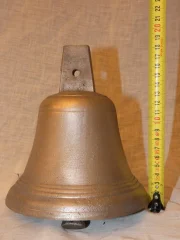
L'atelier De La Dorure — Calmont
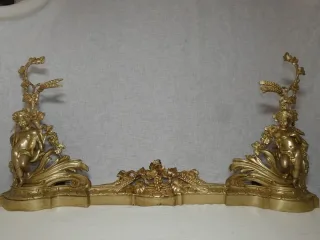
L'atelier De La Dorure — Calmont
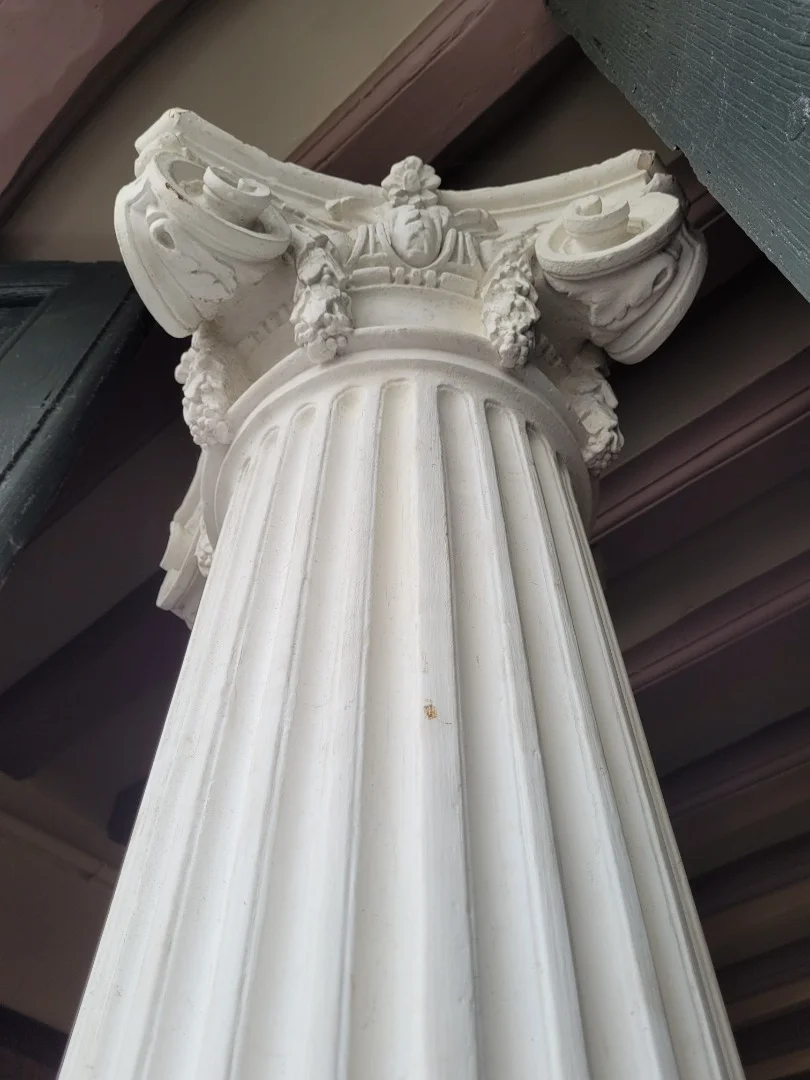
Le Grenier D'Abélard — Sens
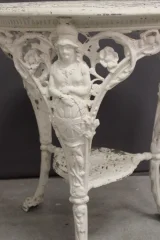
Antiquités Christophe Rochet — Villeurbanne
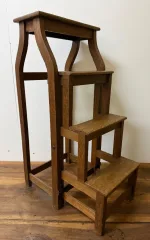
2R Antiquites — Caluire-et-Cuire
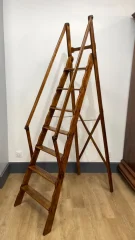
2R Antiquites — Caluire-et-Cuire

L’ESTAMPILLE — Navilly
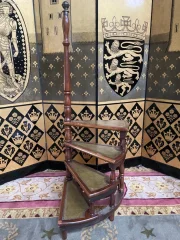
L’ESTAMPILLE — Navilly
To authenticate an antique staircase railing or balustrade, begin by examining the joinery: hand-forged tenons, mortises and rivets display the subtle asymmetries that cast or machine-made components simply cannot replicate. On wrought iron, a genuine aged patina has depth and tonal variation — be wary of chemically applied uniform finishes. Antique stone balusters reveal their age through natural edge wear and visible tool marks on the surface, signs that no reproduction can convincingly fake.
In terms of materials, wrought iron dominates production from the 17th through the 19th century, typically paired with turned hardwood handrails in oak, walnut or mahogany. Stone staircases — limestone, marble or granite — frequently originate from bourgeois townhouses, châteaux or ecclesiastical buildings. Carved wooden flights in the Louis XV or Louis XVI manner feature string balusters or vase-turned uprights, occasionally gilded, and are prized for their sculptural quality as much as their function.
Budget expectations vary widely: a standard 19th-century wrought iron railing typically ranges from a few hundred to several thousand pounds depending on length, decorative complexity and condition. A complete flight with landing, stone treads and original railing can command significantly more. Always verify structural integrity, check for clumsy repair welds, and confirm that all decorative elements are present and original. Provenance documentation — an estate inventory, an architect's drawing or a period photograph — adds measurable value.
On Antiquités en France, every antique staircase or period railing is offered by a verified professional dealer who can supply exact dimensions, geographic origin and the piece's history. Explore our antique ironwork elements to complement your project, and browse the full range of antique architectural elements for a coherent restoration. Contact the dealer directly — they are best placed to advise on adaptation, transport and installation.