
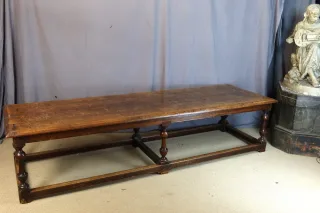
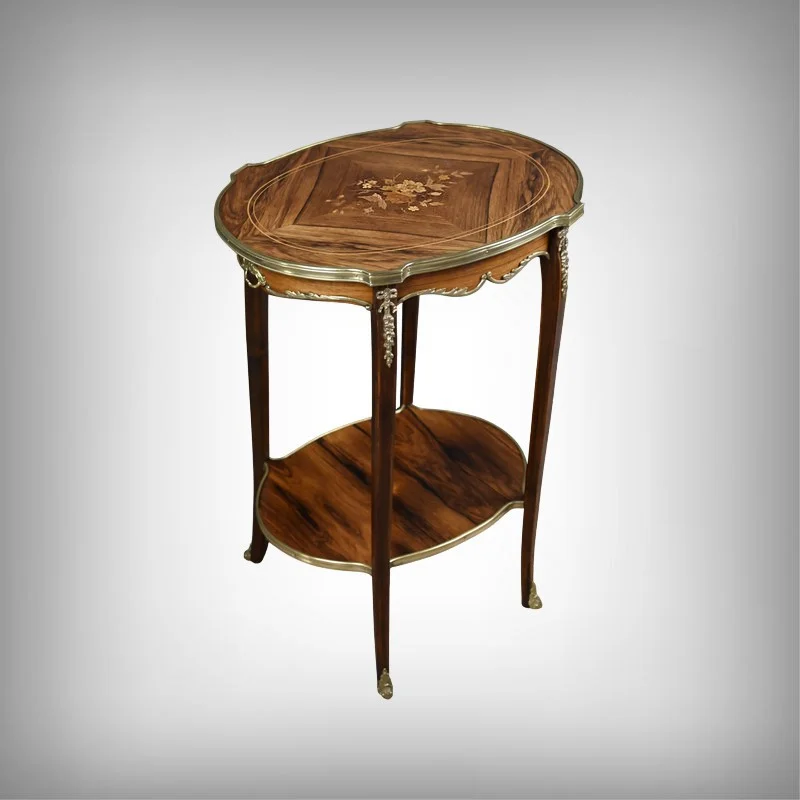
Early 19th century table
Philippe Cote Antiquites — Chauffailles
4 800,00 €
Good condition
1416 objects found
The antique table is one of the defining pieces of period furniture: a testament to vanished craftsmanship that brings genuine character to any interior. From the rugged solidity of a farmhouse table in raw oak to the finely carved tops of Louis XV walnut tables, every era developed its own formal language and preferred timbers. Recognising a quality piece means examining the wood itself, the coherence of mortise-and-tenon joinery, and the natural patina built up over decades of use.
On Antiquités en France, antique solid oak tables sit alongside examples in walnut, mahogany and fruitwood, spanning the 17th century through to the 1950s.
1416 objects found
Philippe Cote Antiquites — Chauffailles
Romain Lichtensztein — Maignelay-Montigny
2R Antiquites — Caluire-et-Cuire
Antiquités Anne Marie Perrier — La Boisse
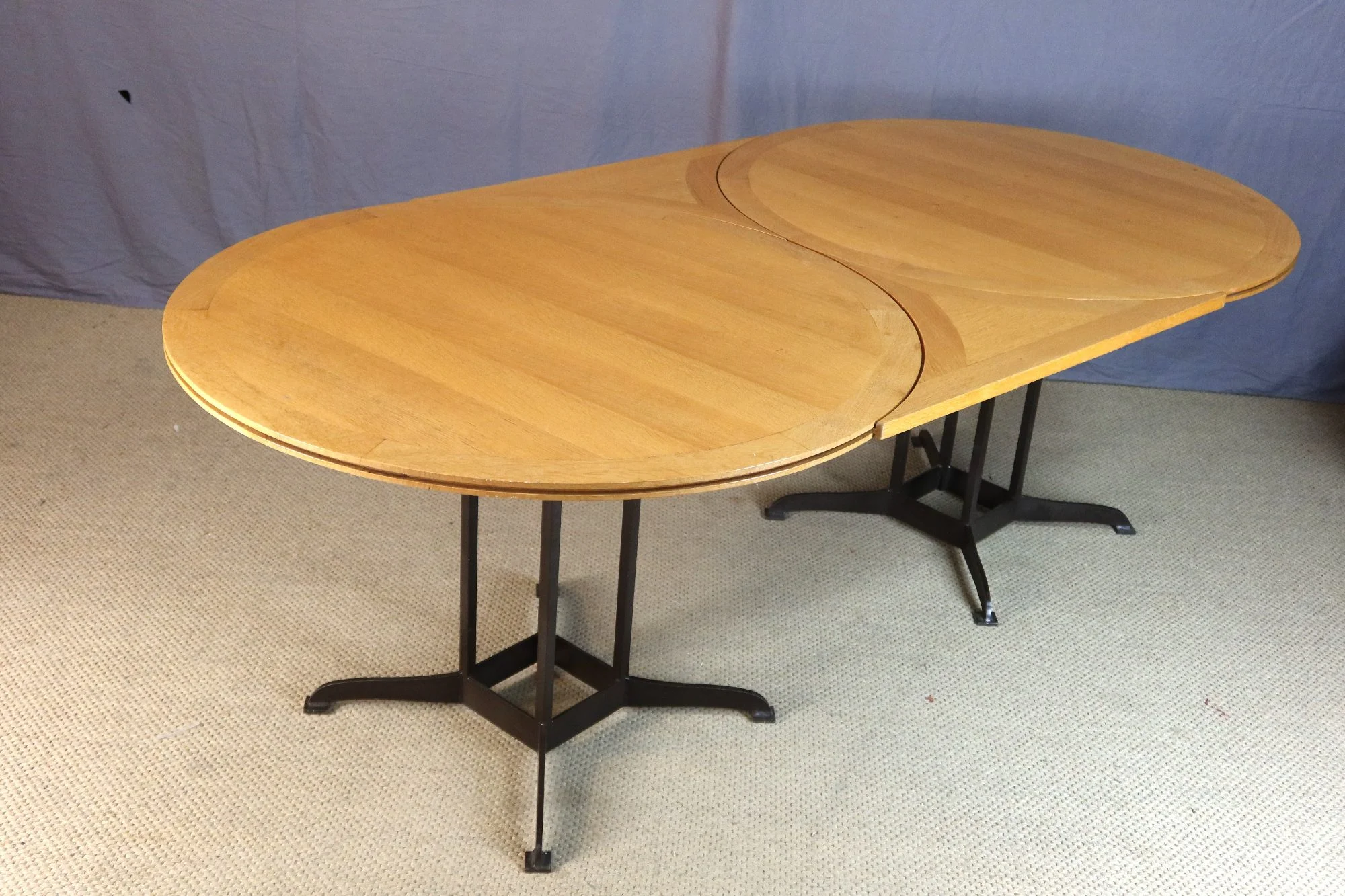
Philippe Cote Antiquites — Chauffailles

Philippe Cote Antiquites — Chauffailles
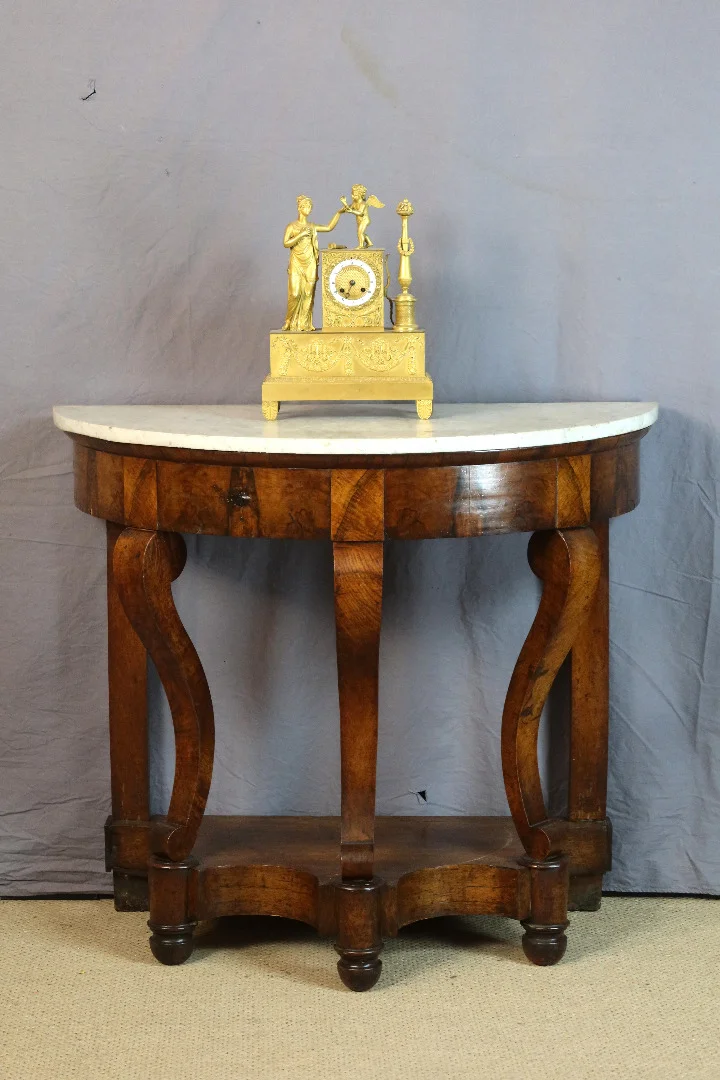
Philippe Cote Antiquites — Chauffailles
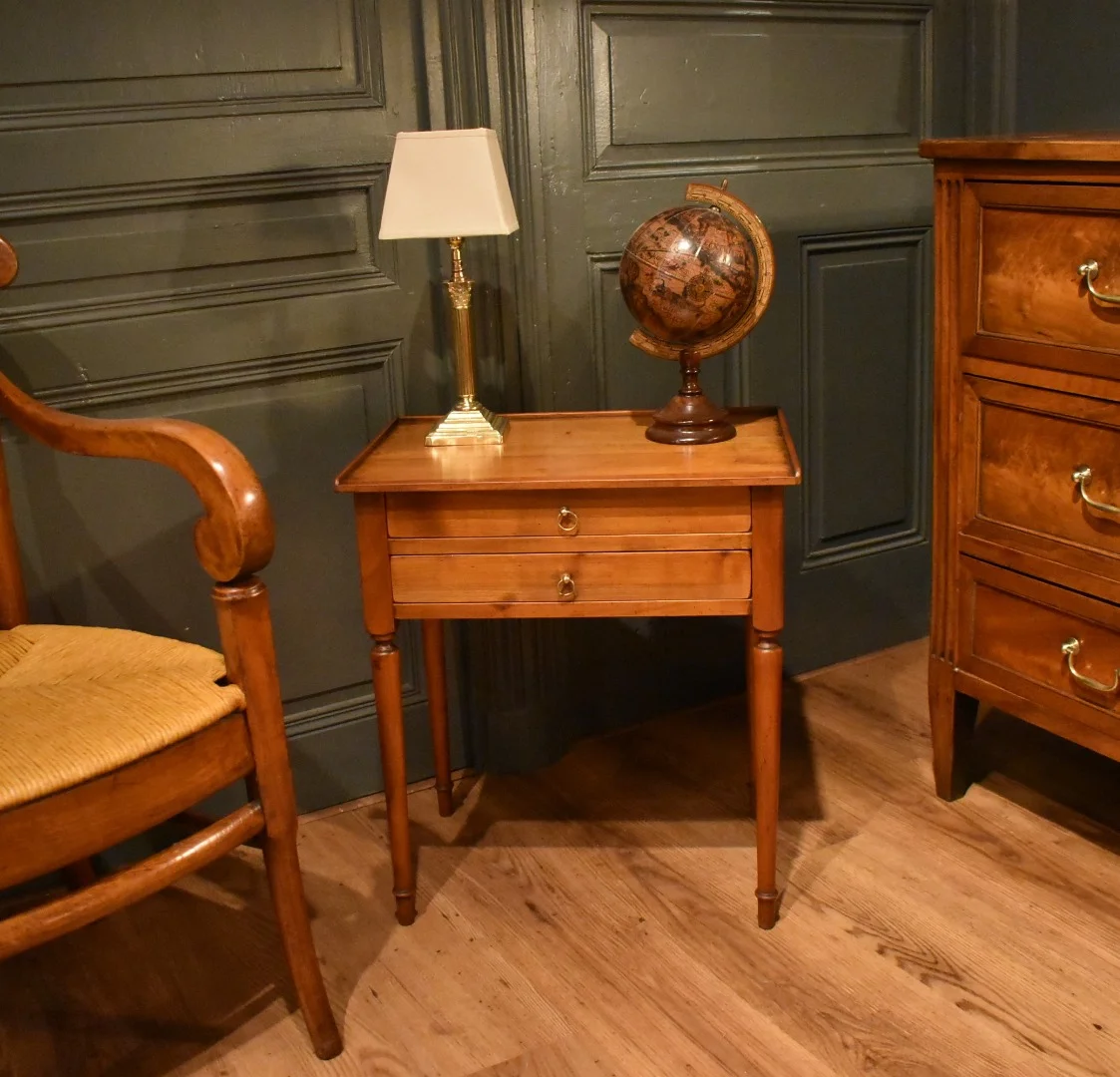
Antiquités Anne Marie Perrier — La Boisse
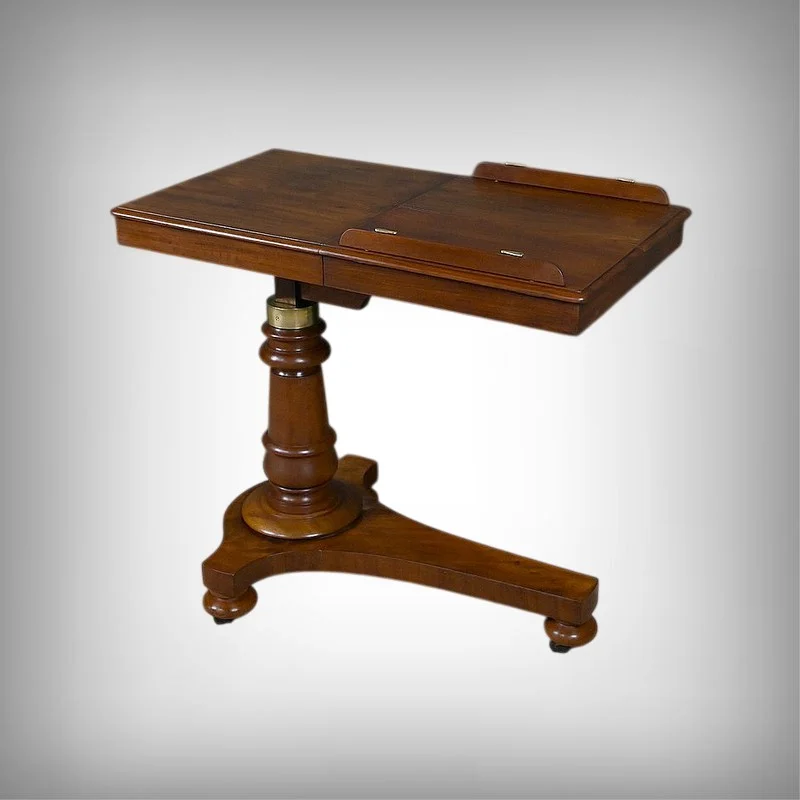
Antiquités Lecomte — Héric
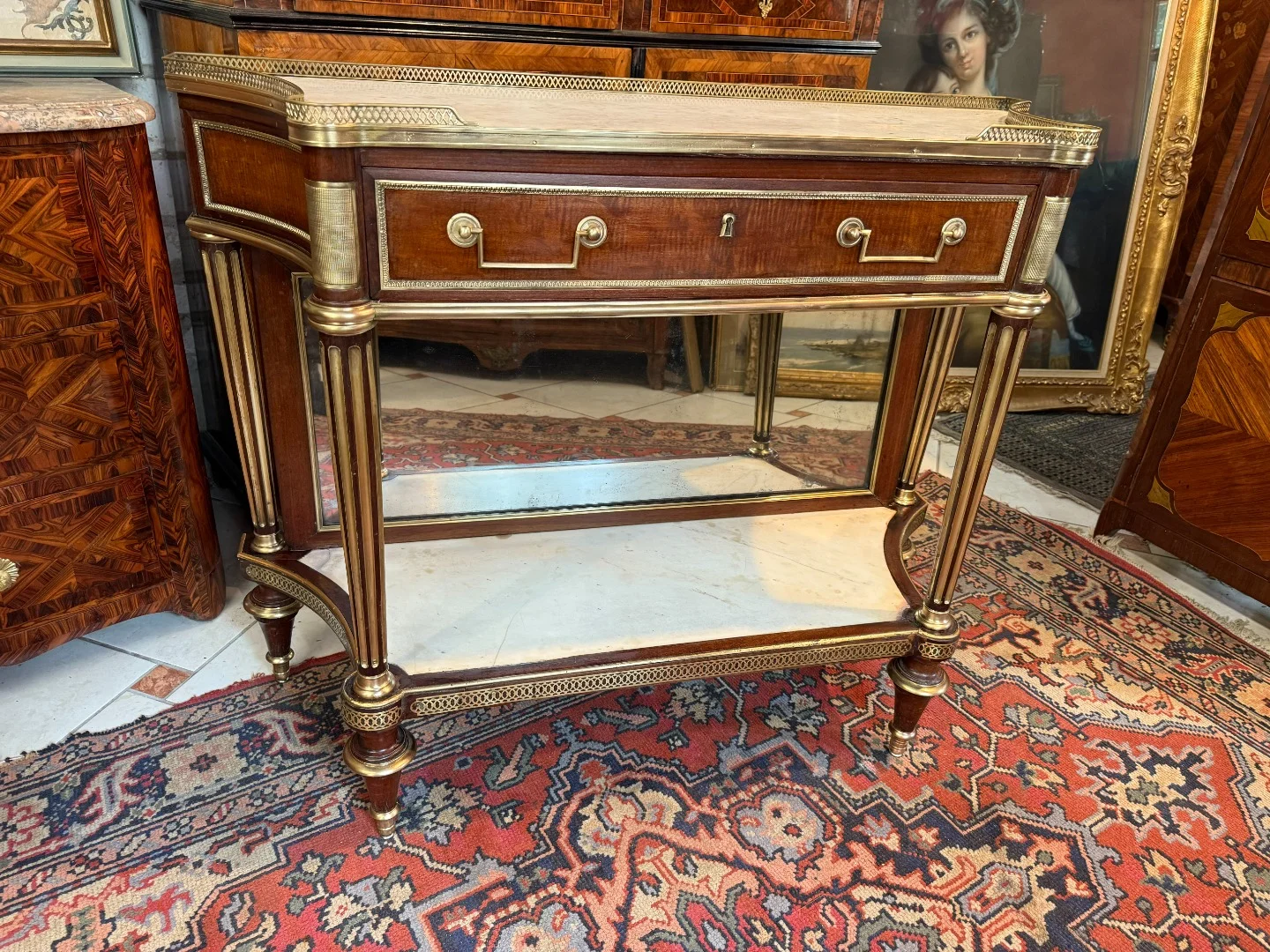
Romain Lichtensztein — Maignelay-Montigny
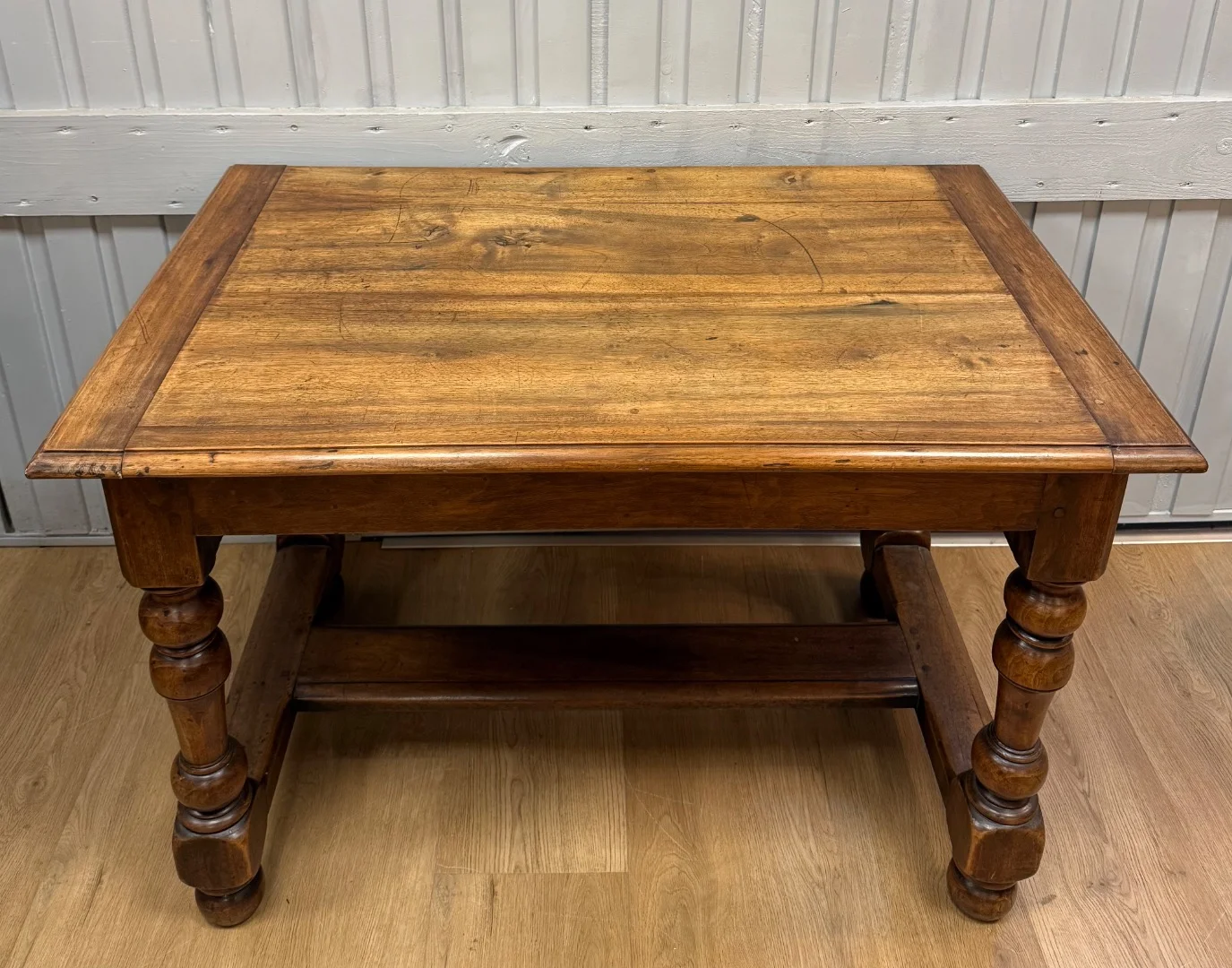
2R Antiquites — Caluire-et-Cuire

Antiquités Lecomte — Héric
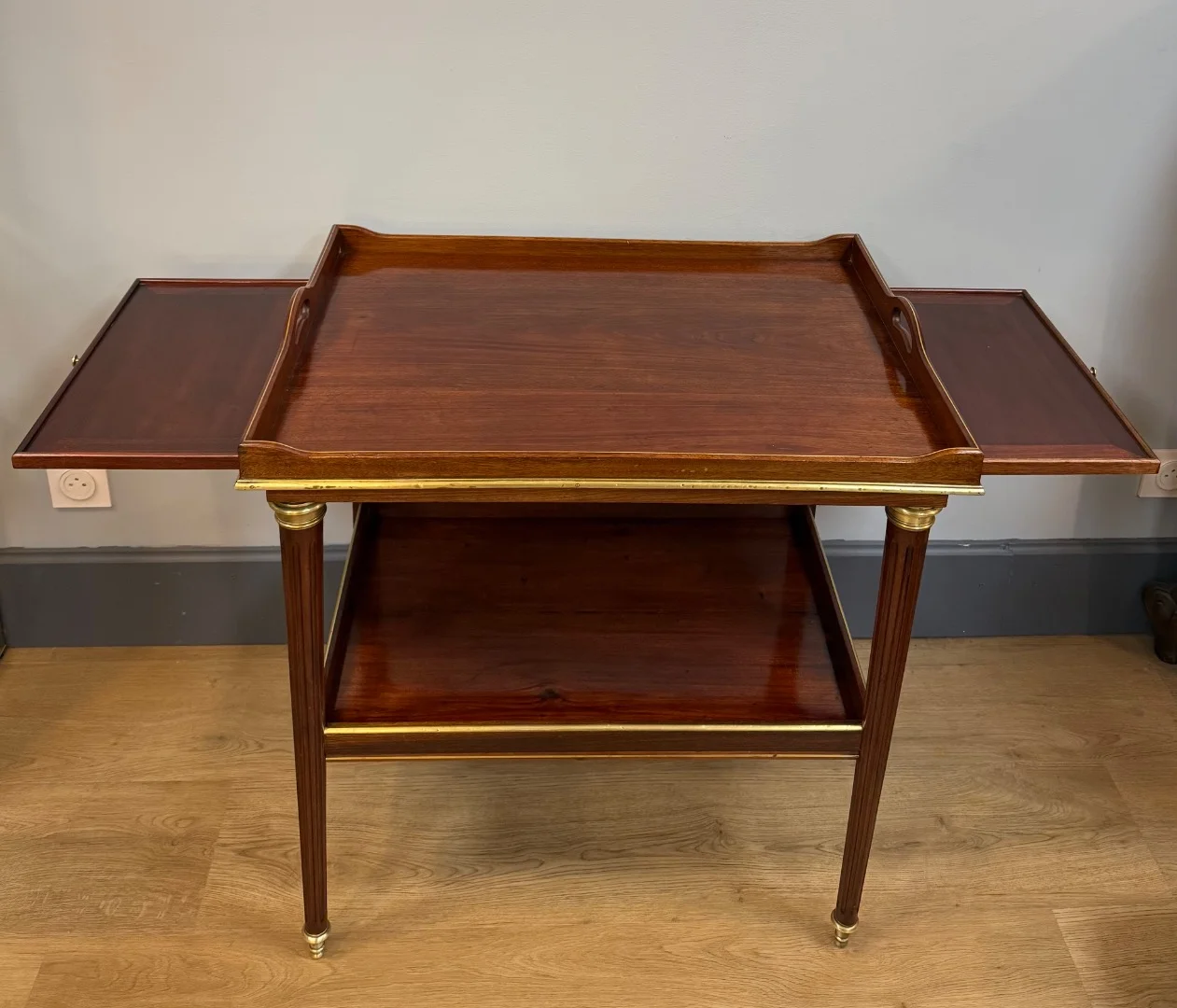
2R Antiquites — Caluire-et-Cuire
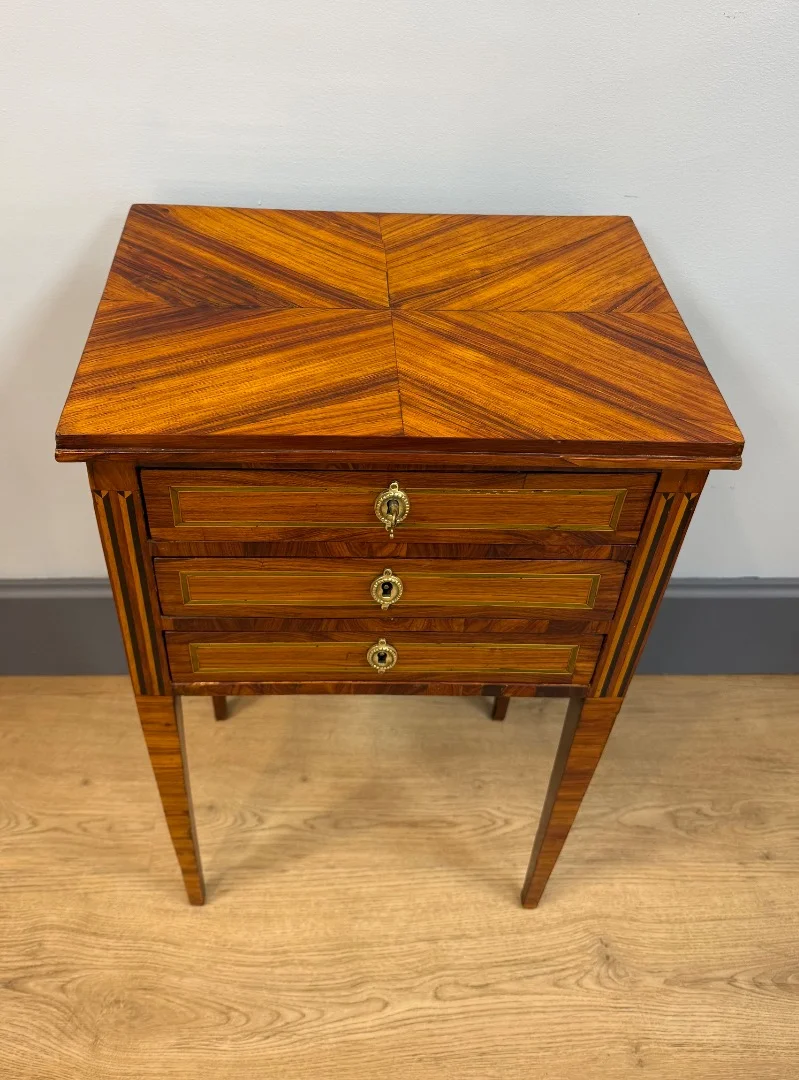
2R Antiquites — Caluire-et-Cuire
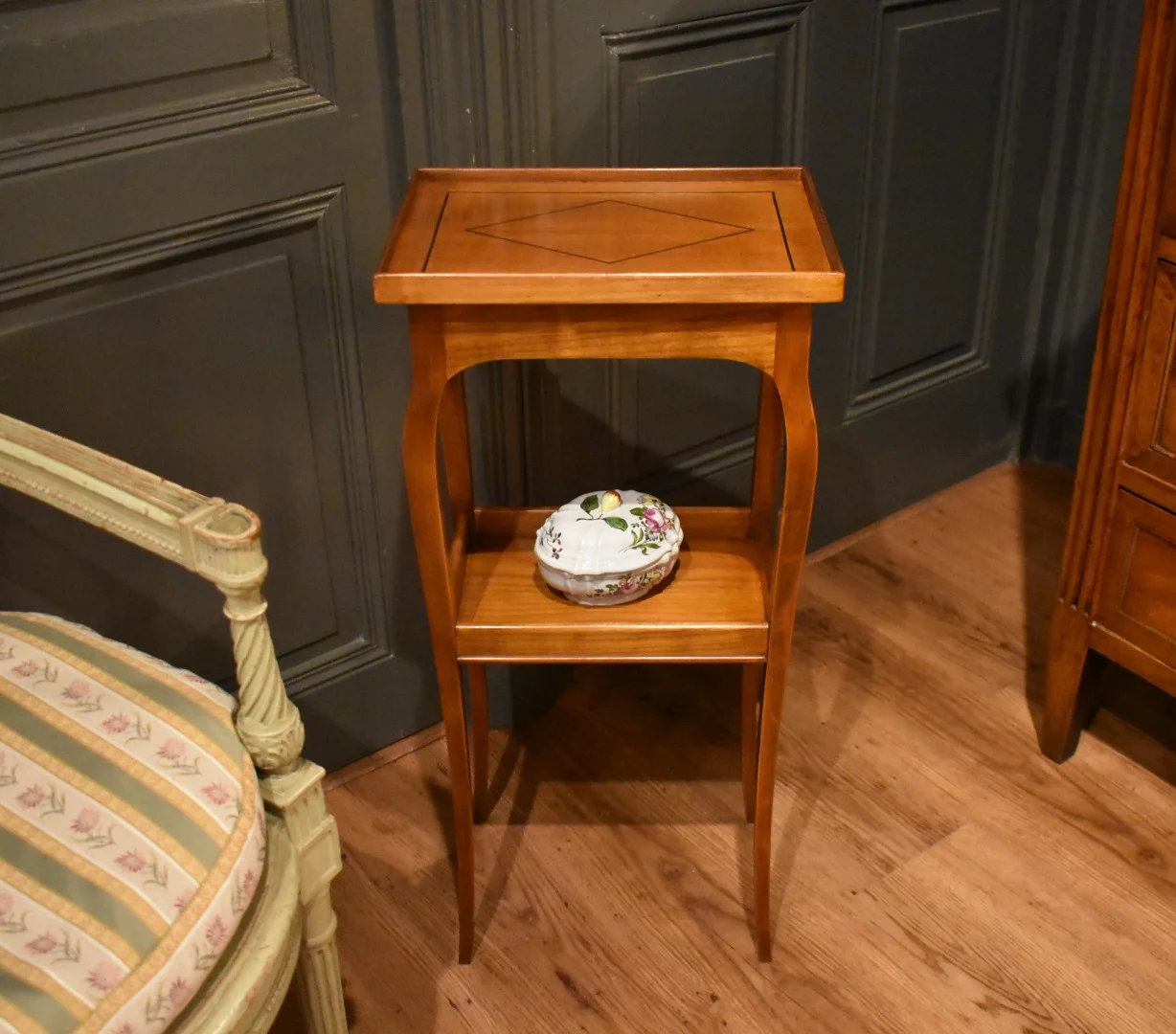
Antiquités Anne Marie Perrier — La Boisse
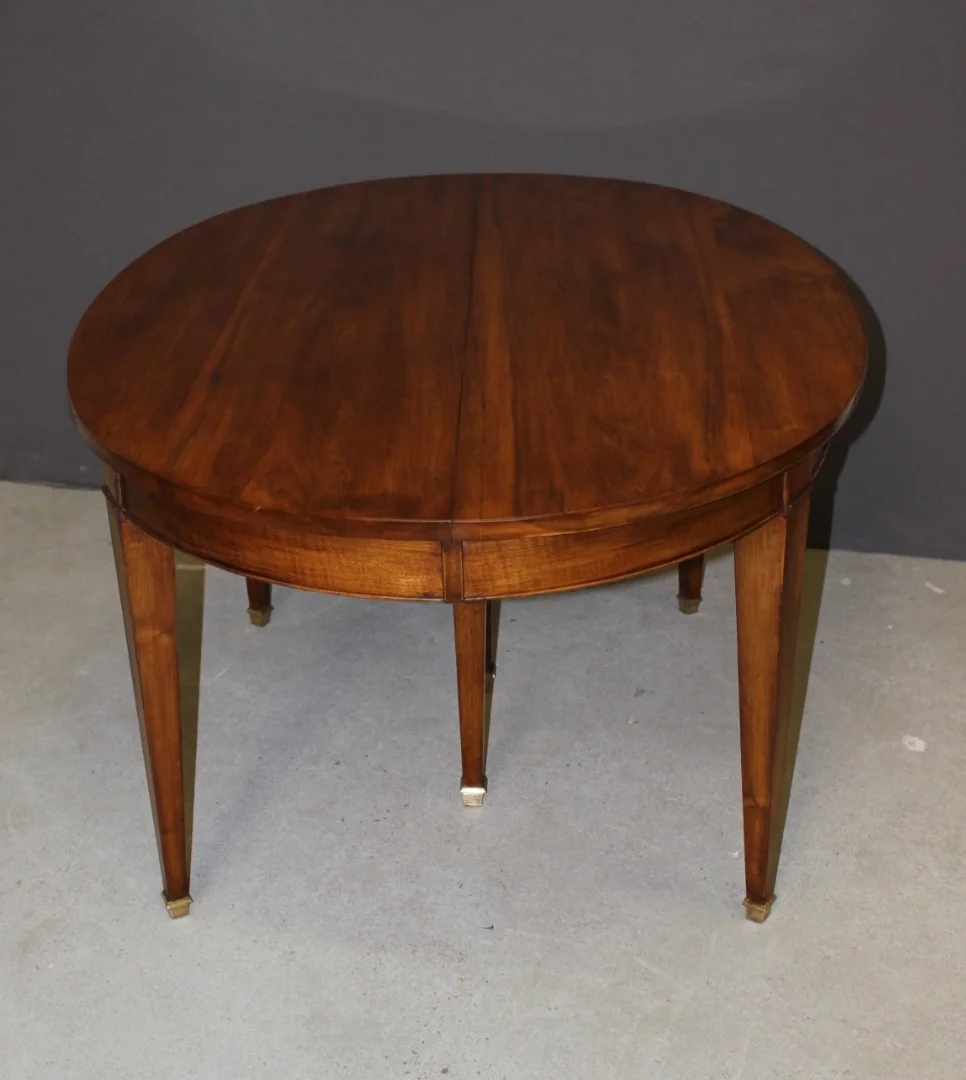
Antiquités Christophe Rochet — Villeurbanne

2R Antiquites — Caluire-et-Cuire
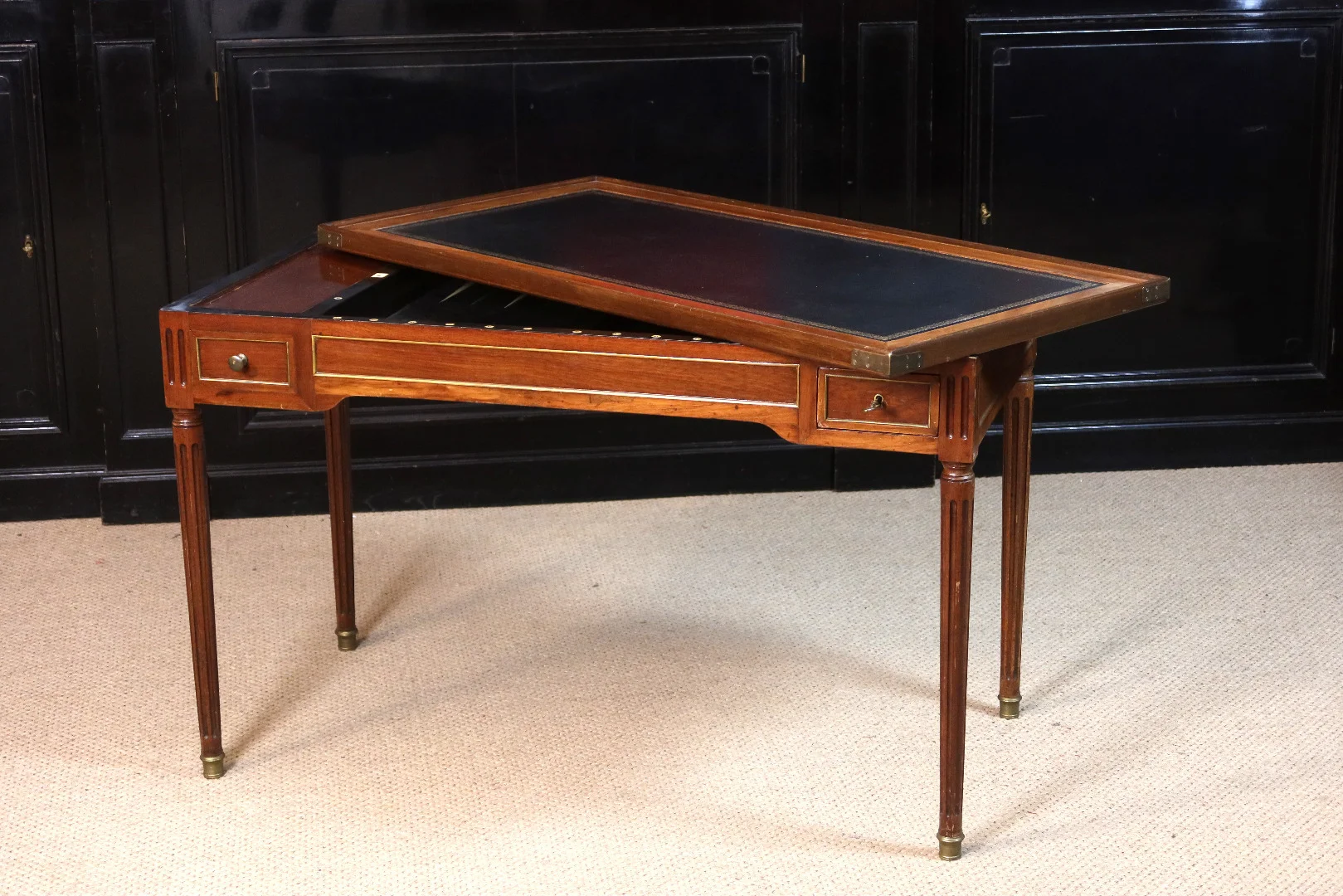
Philippe Cote Antiquites — Chauffailles
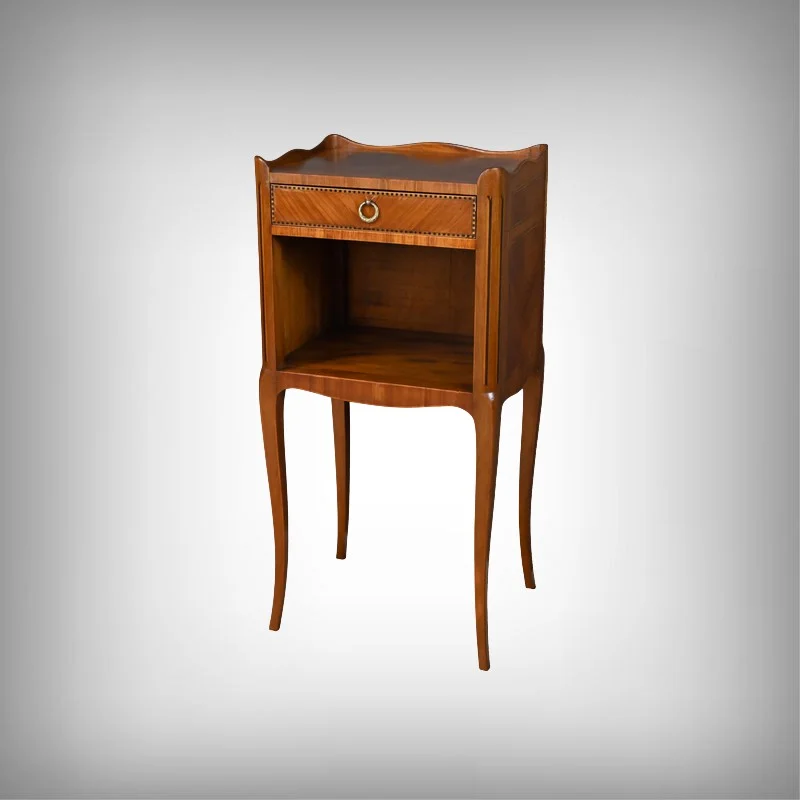
Antiquités Lecomte — Héric
Antiquités Lecomte — Héric
Antiquités Lecomte — Héric
Antiquités Lecomte — Héric
Antiquités Lecomte — Héric
Antiquités Lecomte — Héric
To authenticate an antique table, start with a close inspection of the wood: a genuinely period piece will show a consistent, even patina on every surface — including the underside of the top and the inner faces of the legs. Traditional hand-cut joinery — pegged mortise-and-tenon joints, hand-sawn dovetails — differs markedly from modern machine assembly. Tool marks left by a hand plane or spokeshave on non-visible surfaces are a valuable indicator of age. Be wary of artificially applied patinas, which tend to be too uniform and lack the subtle irregularity of natural ageing.
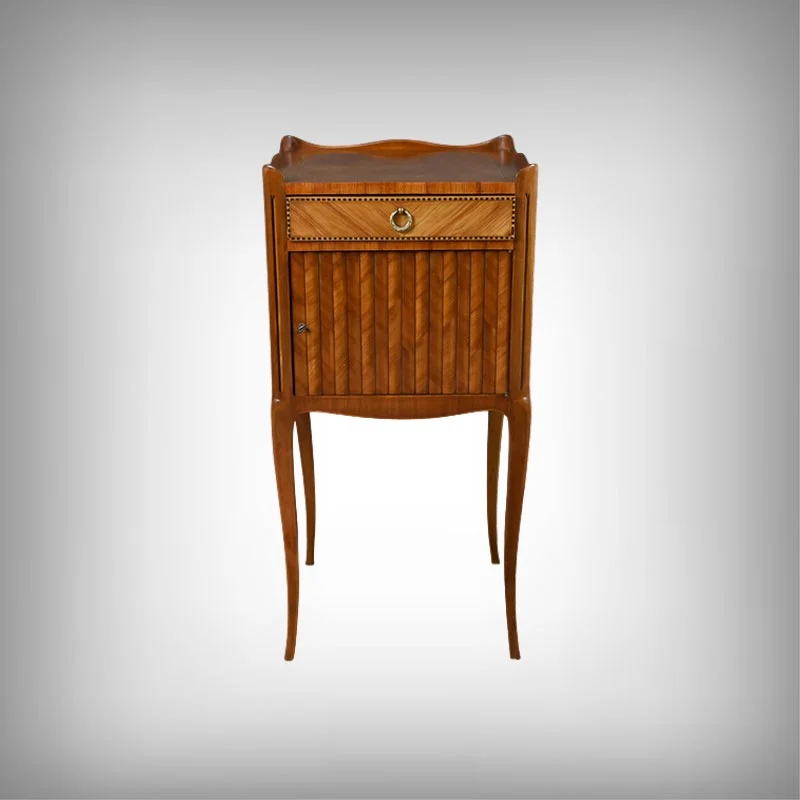
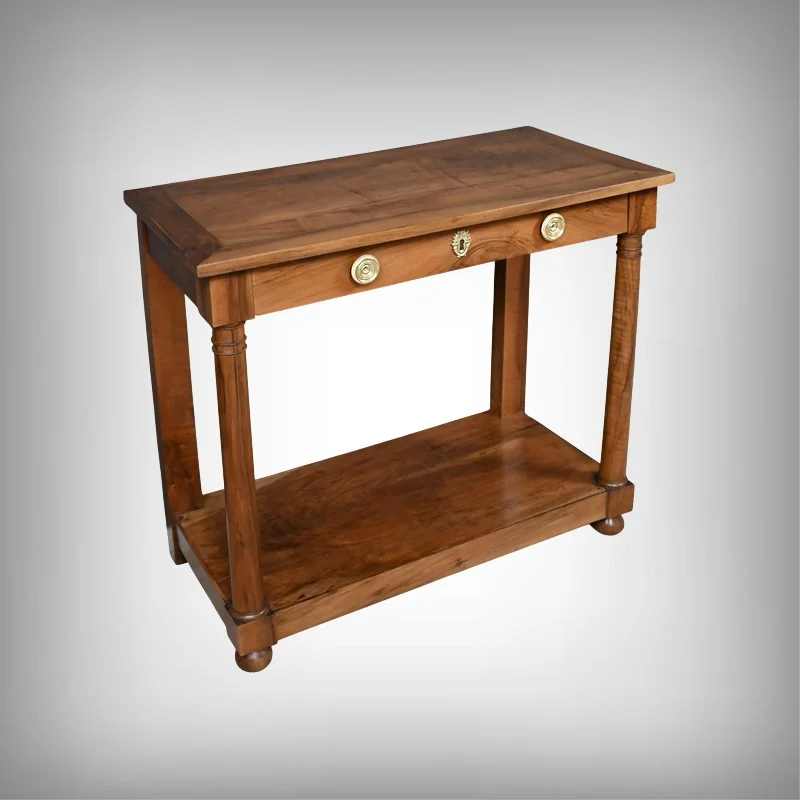
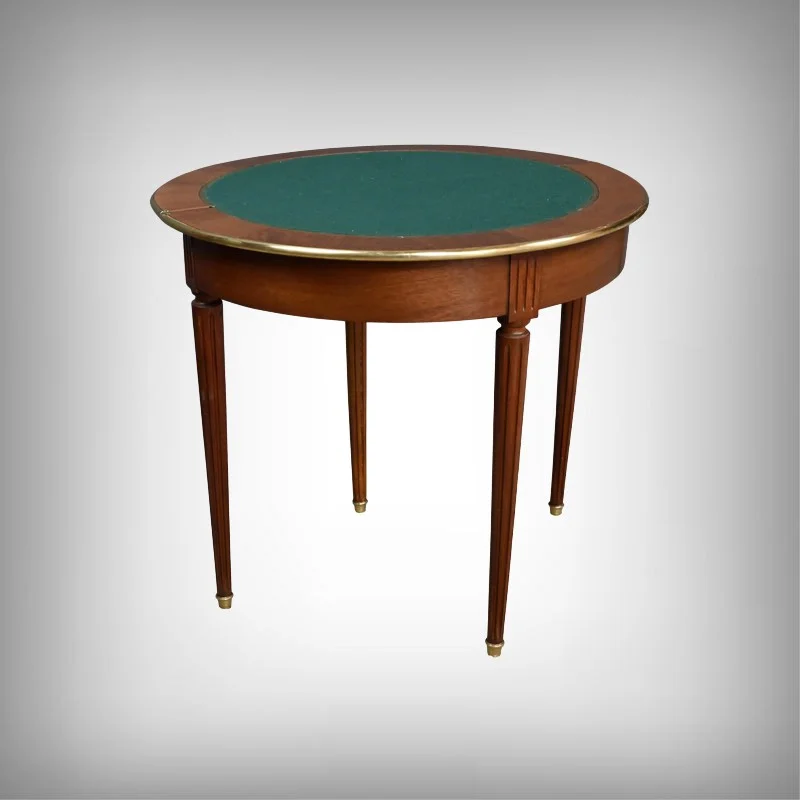
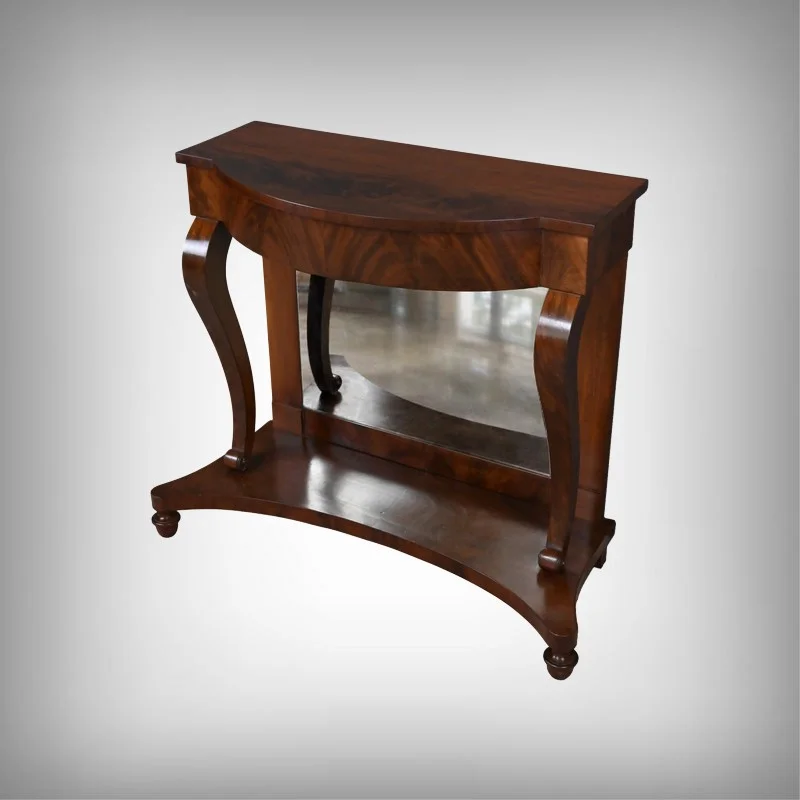
In terms of style, Louis XV period tables are distinguished by their curved sabre legs and bowed aprons, while Empire pieces favour straight lines, columnar legs and gilt-bronze mounts. 19th-century mahogany dining tables in the Empire or Restauration manner often represent excellent value for everyday use. For smaller spaces, consider the side tables or guéridons in our collection — elegant, functional, and easy to place without overwhelming a room.
Budget expectations vary widely. A rustic oak farmhouse table can be found from a few hundred pounds or euros, while a stamped 18th-century walnut table by a notable Parisian ébéniste may reach several thousand. The condition of the top is the single greatest factor: splits, replaced sections or a refinished surface all affect value. A well-executed period restoration — consolidating a leg, filling a crack, touching up a finish — is entirely acceptable and does not significantly diminish a piece; a wholly replaced top or non-original legs must be declared and factored into any negotiation.
Every antique table listed on Antiquités en France is offered by a verified professional dealer who can provide detailed photographs, precise dimensions and full provenance information. Contact the dealer directly before purchasing — they are the best source of expertise on the piece in front of them.