Antique Tapestries & Woven Wall Art

46 objects found

Loading
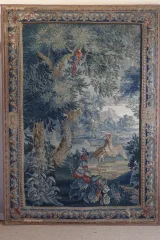
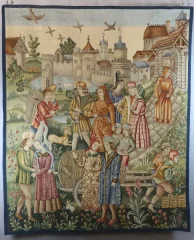
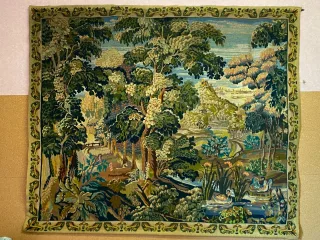
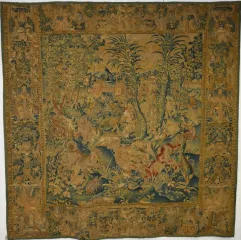
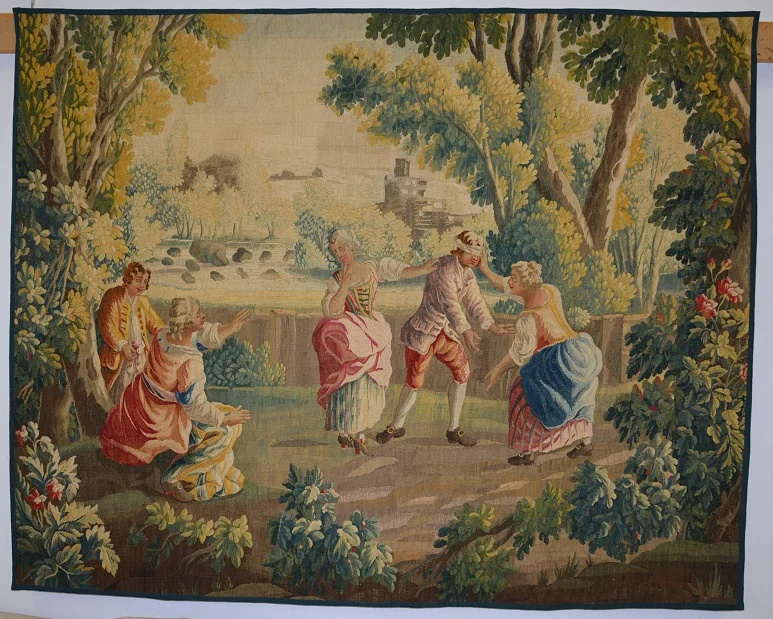
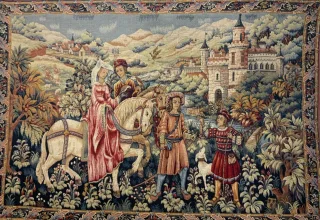
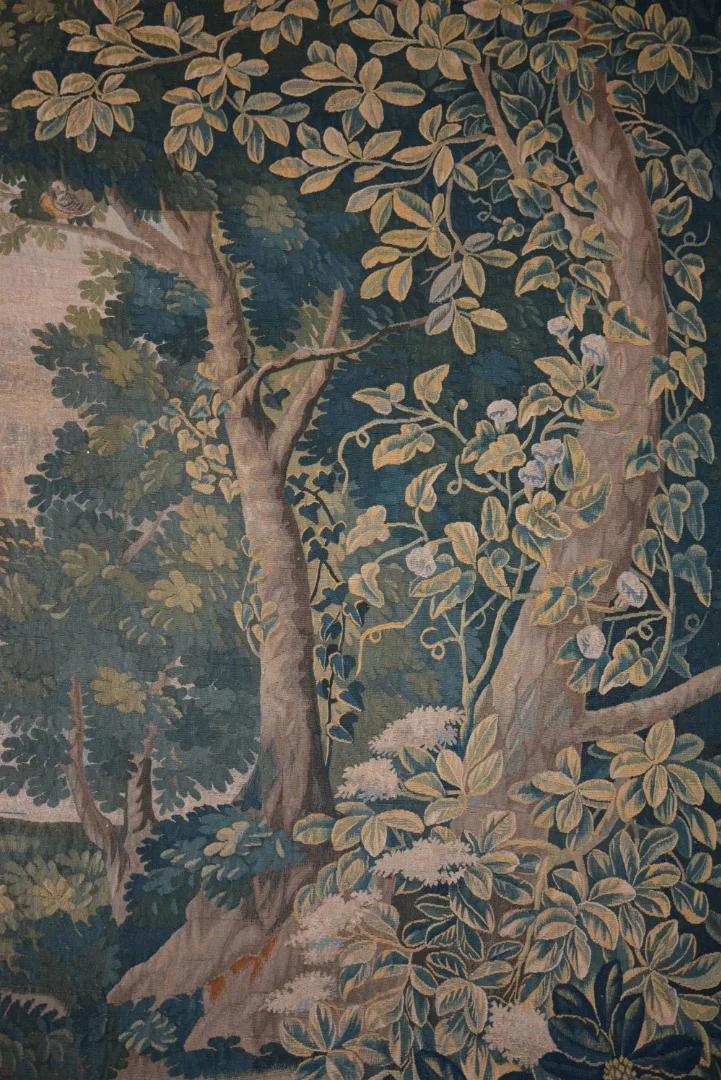
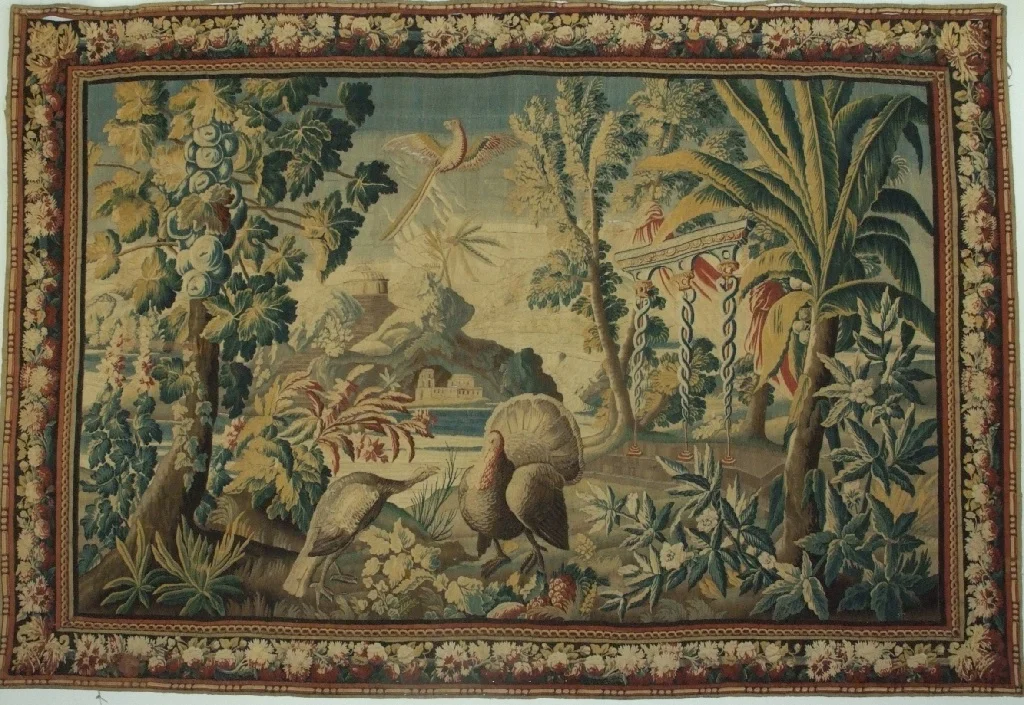
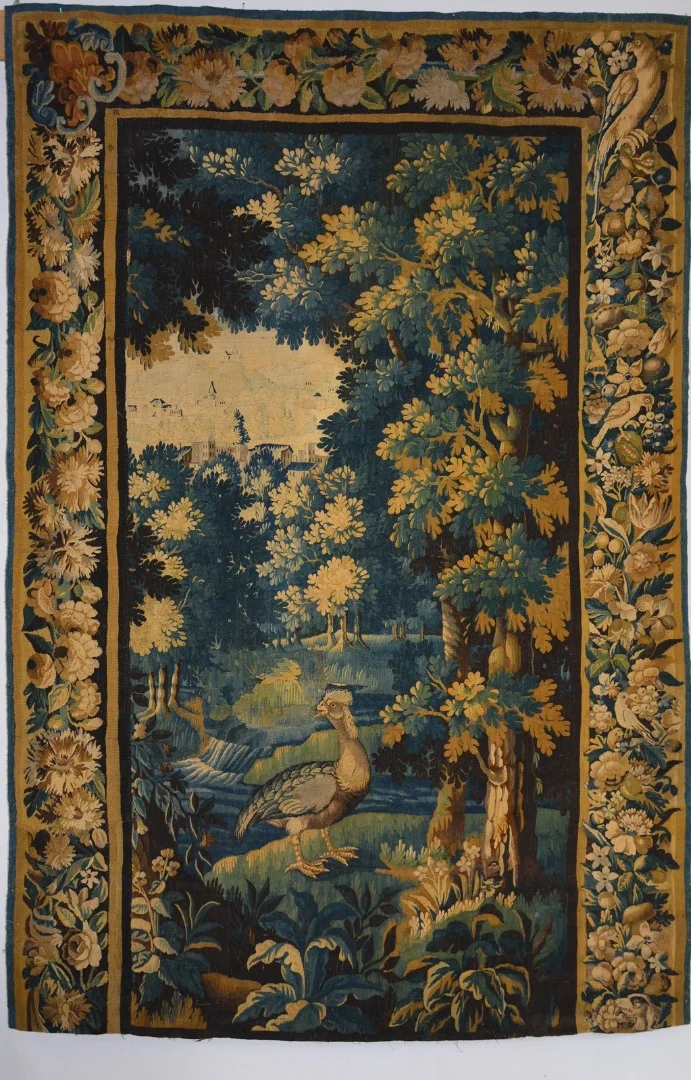
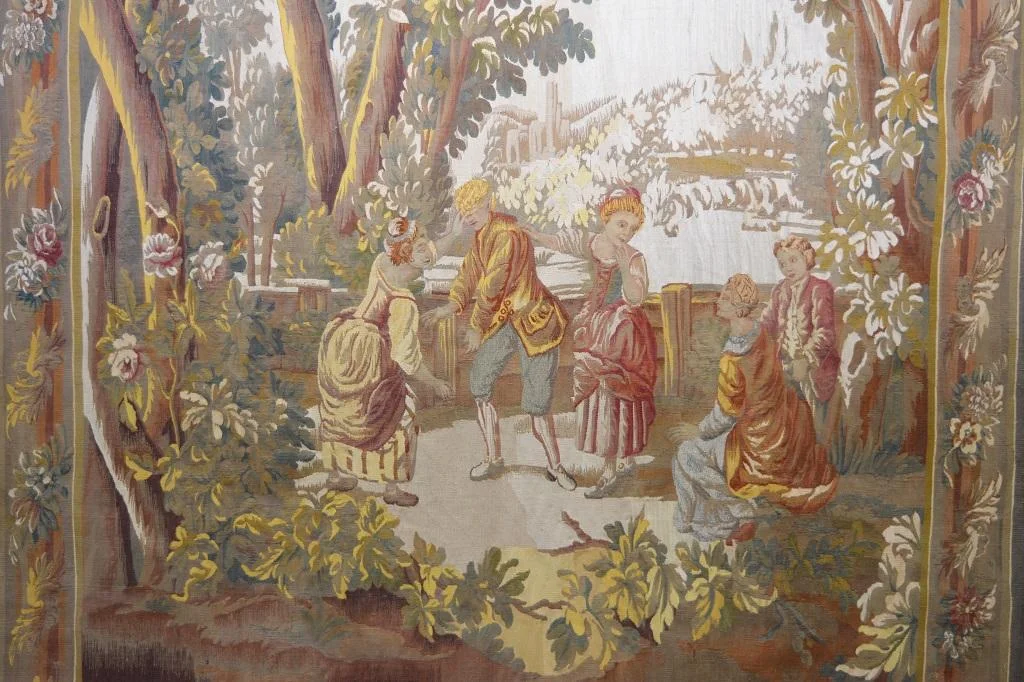
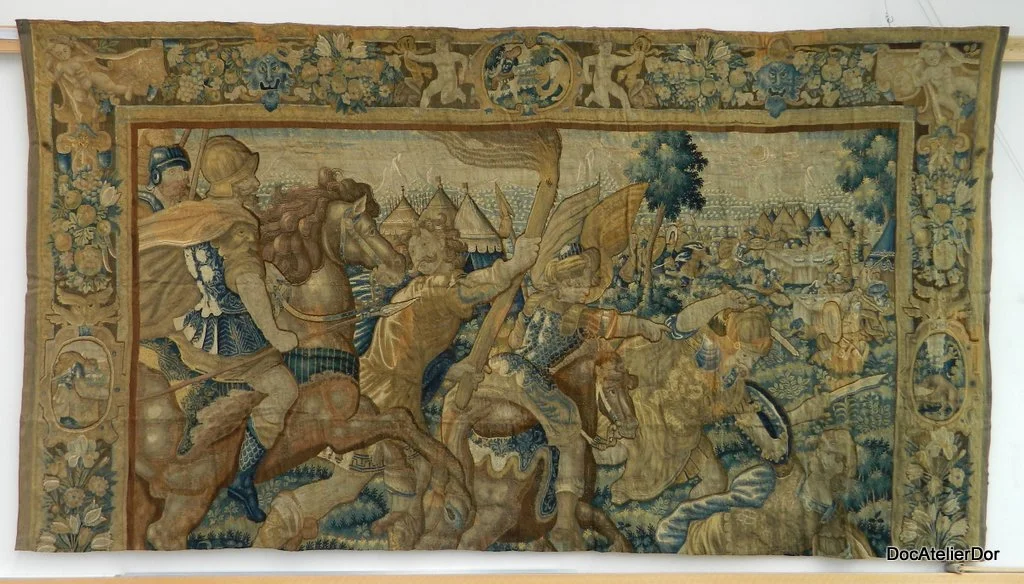
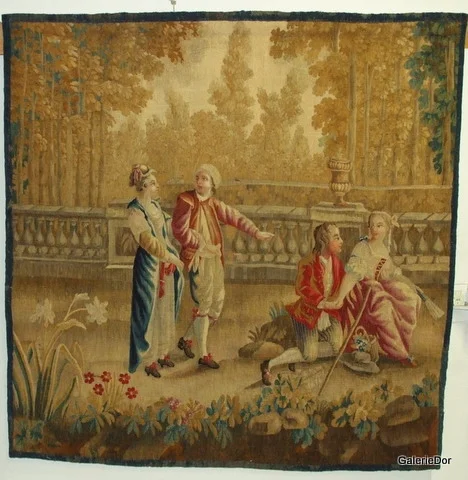
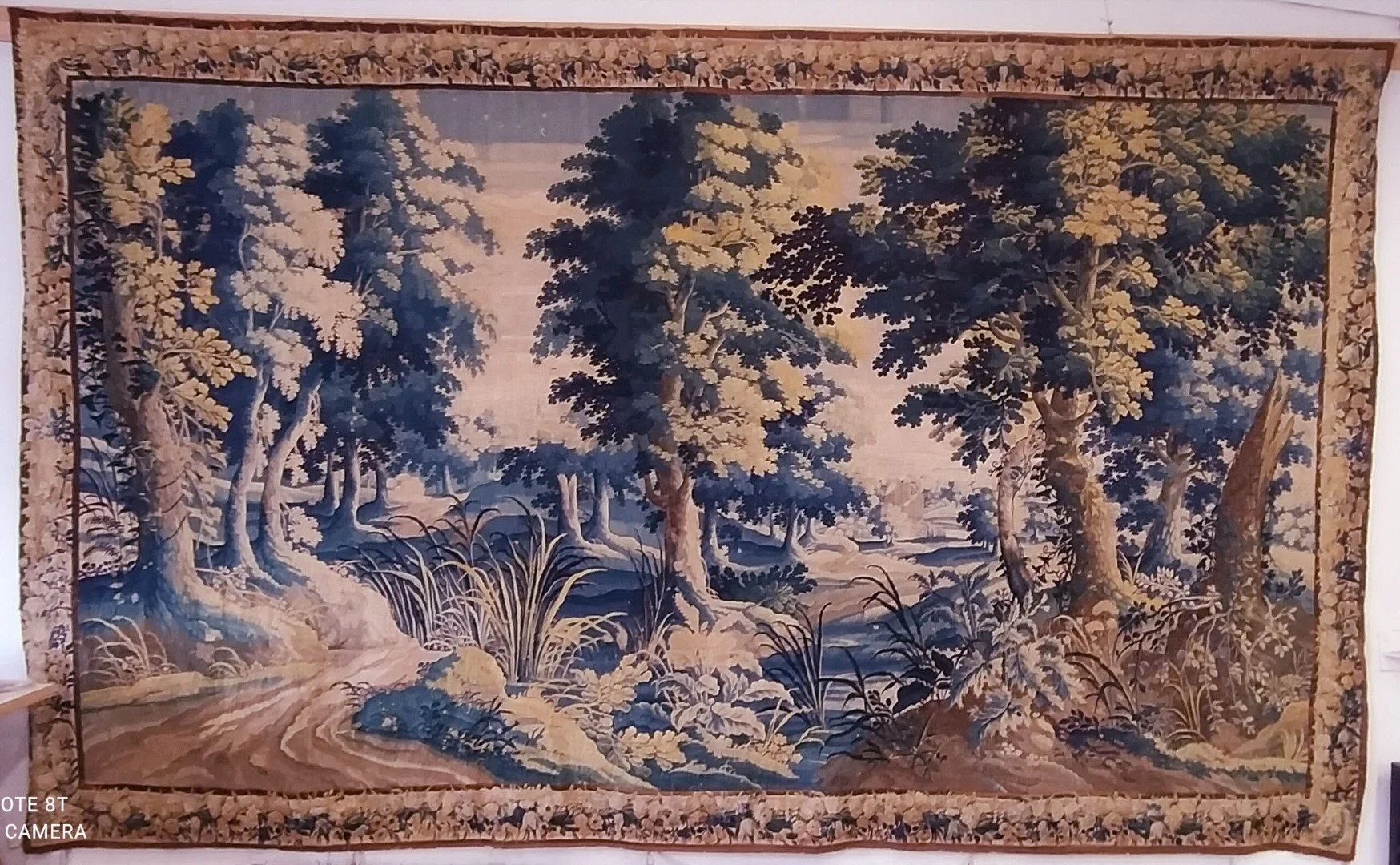
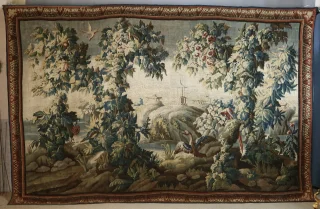
Antique tapestries are hand-woven textile masterworks that have graced the walls of palaces, châteaux and manor houses for centuries. From the great Flemish ateliers of the 15th century to the French royal manufactures — Aubusson, the Gobelins, Beauvais — each piece tells a story through its wool and silk threads. Collectors distinguish the lush, animal-filled verdure tapestry panels from mythological or pastoral narrative compositions. The density of the weave, the subtlety of colour gradations and the vibrancy of natural dyes are the first hallmarks of a quality piece.

Aubusson, Flemish and verdure antique tapestries from professional dealers

46 objects found

How to choose, authenticate and care for an antique tapestry

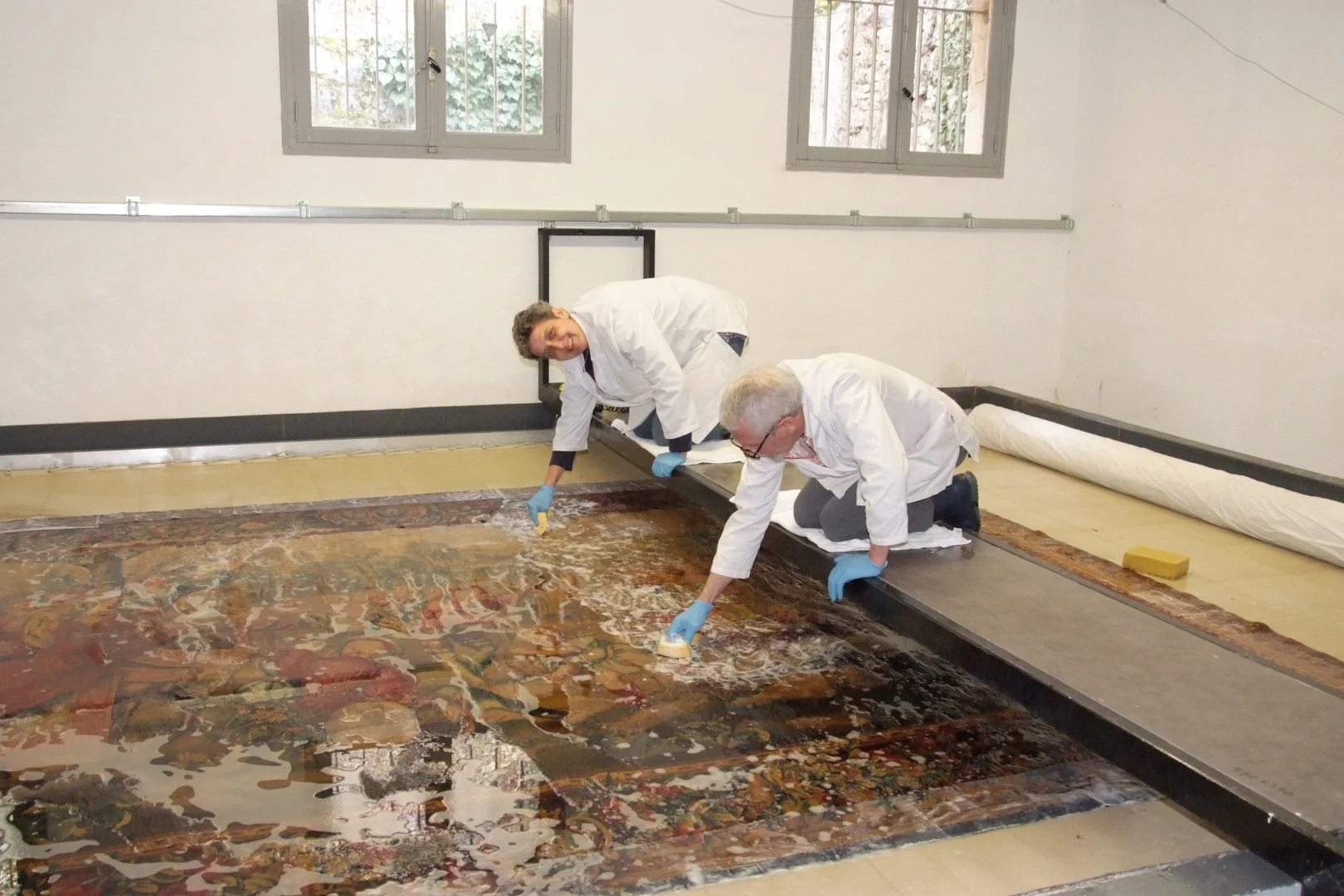
Authenticating an antique tapestry requires a trained eye and a methodical approach. Begin by examining the reverse: on a genuine period piece, the linen or cotton warp threads are visible and evenly spaced, and the colours are often fresher on the back than on the face. A signed Aubusson tapestry or one bearing a woven manufacture cartouche — sometimes incorporated into the selvedge — commands a significantly higher value. Flemish pieces from the 16th and 17th centuries frequently display a city mark and a weaver's mark woven into the border, which can be cross-referenced against documented records. In terms of budget, a well-executed antique tapestry can be acquired from a few hundred pounds or euros for a decorative fragment or small panel, rising to tens of thousands for a royal-manufacture piece in fine condition with documented provenance. Condition is paramount: check for the absence of major losses, the soundness of the warp structure and the consistency of any restorations. Well-executed early repairs are entirely acceptable and do not fundamentally diminish value. For conservation, avoid direct sunlight, which irreversibly degrades natural dyes. The ideal hanging method is a strip of velcro sewn along the upper selvedge, distributing the weight evenly across the full width. An annual light vacuuming with a low-suction nozzle held behind a fine mesh screen is sufficient for routine maintenance. For stains or structurally fragile areas, always entrust cleaning to a specialist textile conservator. Every piece on Antiquités en France is offered by a verified professional dealer who can provide high-resolution photographs, precise dimensions and a full condition report on request. You may also wish to explore our antique watercolours and gouaches to complement a tapestry in a considered wall display, or browse our antique posters and prints for further frameable works. Contact your chosen dealer directly for any valuation or export enquiry.

Frequently asked questions about Antique Tapestries & Woven Wall Art

How do I recognise an authentic Aubusson tapestry?
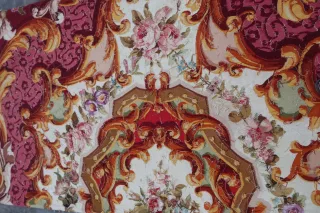
An authentic Aubusson tapestry features a flat, relief-free weave, visible cotton or linen warp threads on the reverse, and often a woven cartouche or signature in the selvedge. Natural dyes produce warm, gently patinated tones. Assessment by a specialist textile expert remains the most reliable guarantee of authenticity.
What is the price range for antique tapestries?
Prices vary widely: expect to pay £300–£1,500 for a small decorative panel or fragment, £2,000–£15,000 for a regional-manufacture piece in good condition, and considerably more for a royal-manufacture tapestry with documented provenance and a weaver's mark.
How can I date an antique tapestry?
Dating relies on iconographic style, fibre analysis, city and weaver's marks woven into the border, and dye examination. Renaissance verdures, Baroque figure scenes and 18th-century pastorals each have distinct visual codes. A textile specialist can refine the dating with technical analysis.
How should I hang and care for an antique tapestry?
Sew a velcro strip along the upper selvedge to distribute weight evenly and avoid stress on individual threads. Keep the piece away from direct sunlight and excessive humidity. Vacuum gently once a year using a soft nozzle behind a protective mesh. For stains or fragile areas, consult a specialist textile conservator.
Can antique tapestries be shipped internationally?
Yes — tapestries travel well when rolled around a neutral cardboard tube and wrapped in acid-free tissue paper. Most professional dealers offer shipping within Europe and beyond. For high-value pieces, a specialist fine-art carrier with ad valorem insurance is strongly recommended.