
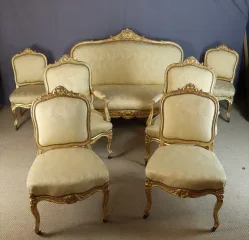
GILT WOOD SALON SUITE
Philippe Cote Antiquites — Chauffailles
4 600,00 €
Good condition
78 objects found
Functional yet decorative, the antique stool has remained a staple of fine interiors across the centuries. From the folding court tabouret of the 17th century to the gilt Napoleon III piano stool, every period left its mark: cabriole legs and carved shells under Louis XV, straight sabre legs in mahogany under the Empire, rich velvet and passementerie under Napoleon III. Browse here a carefully assembled selection from specialist dealers in antique seating, covering all the major periods of French and European furniture.
78 objects found
Philippe Cote Antiquites — Chauffailles
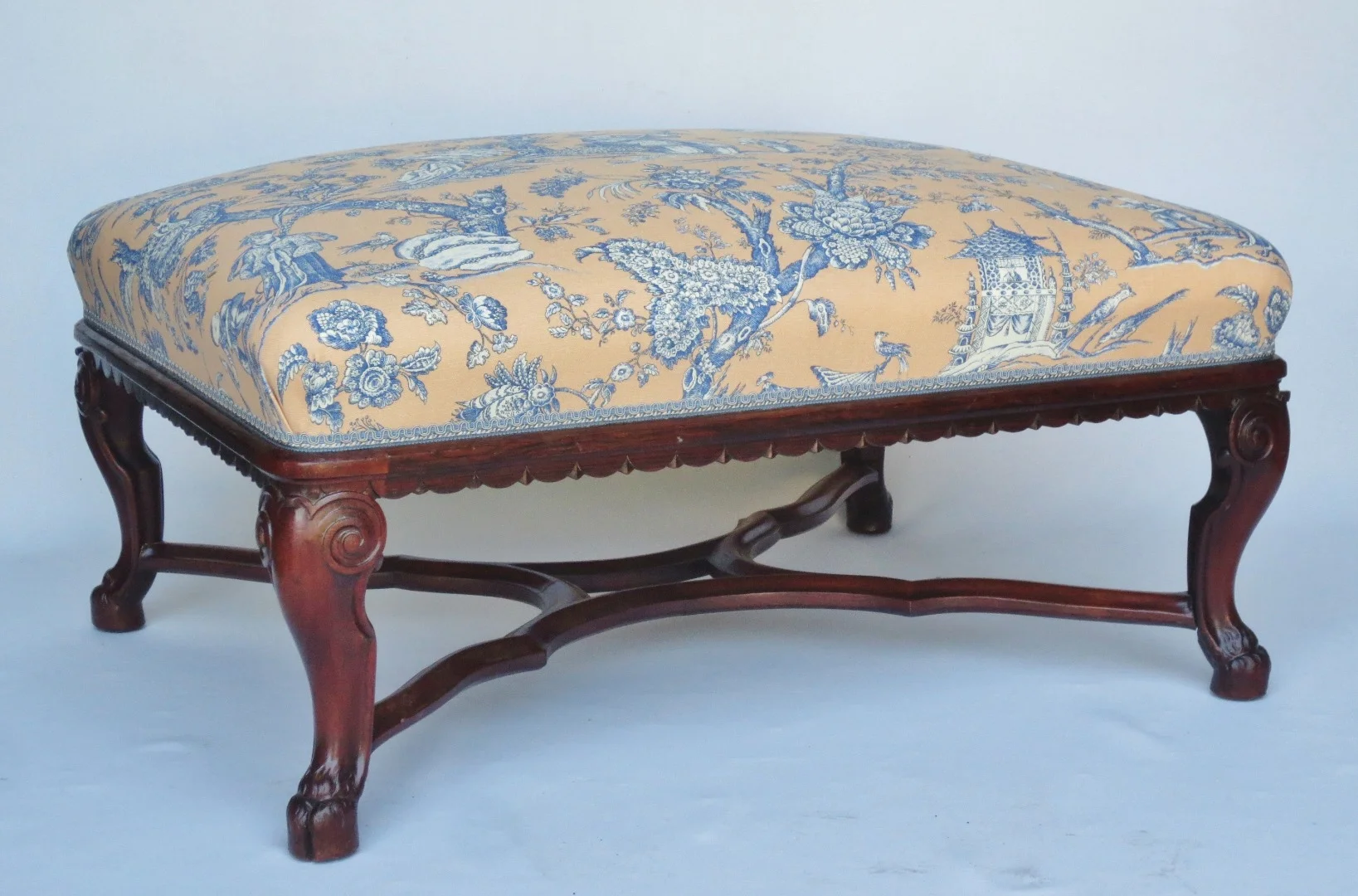
Anne Besnard — Saint-Ouen
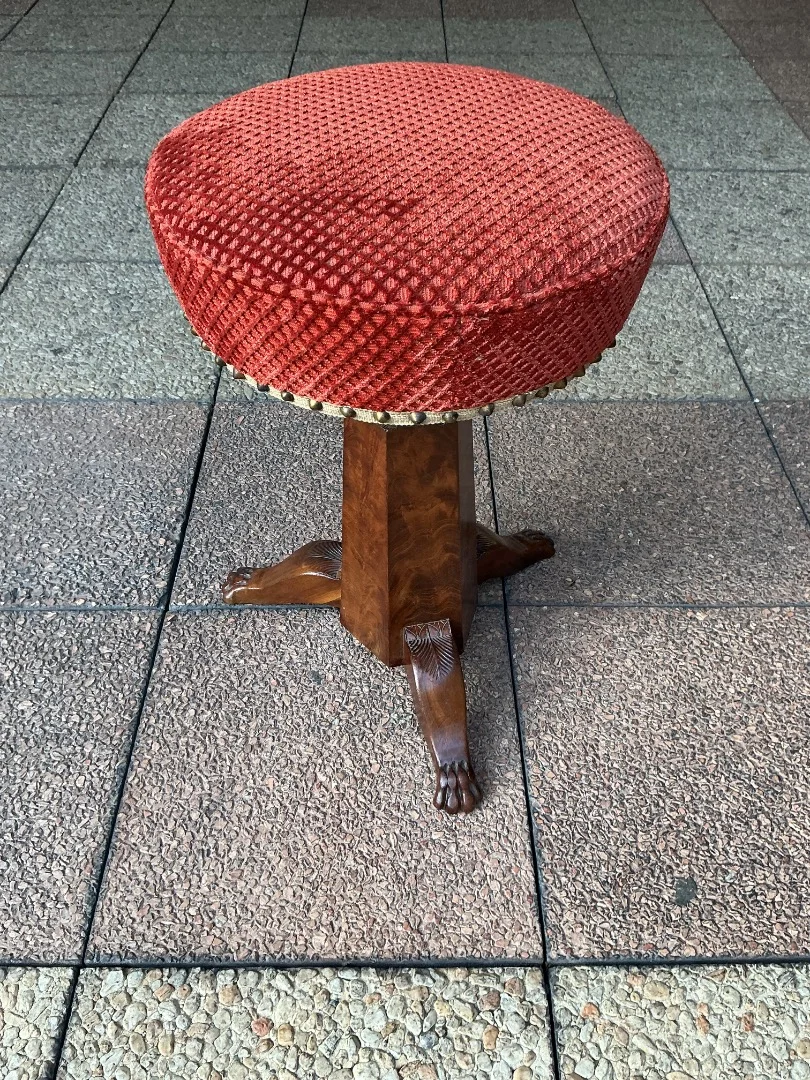
Eric Saget — Paris
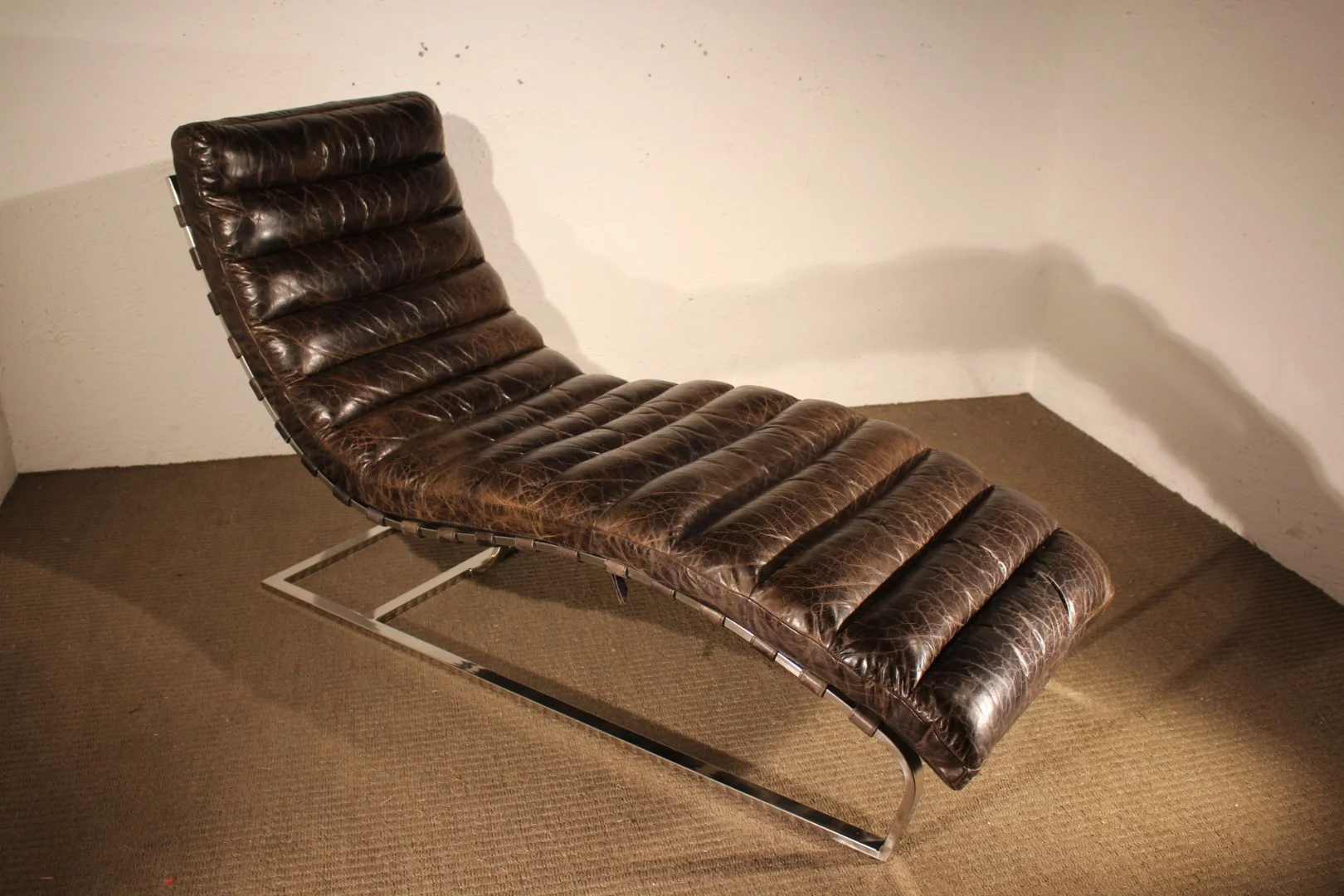
Au Réveil Du Temps — Saint-Nabord

French-antiques.fr — Rouen
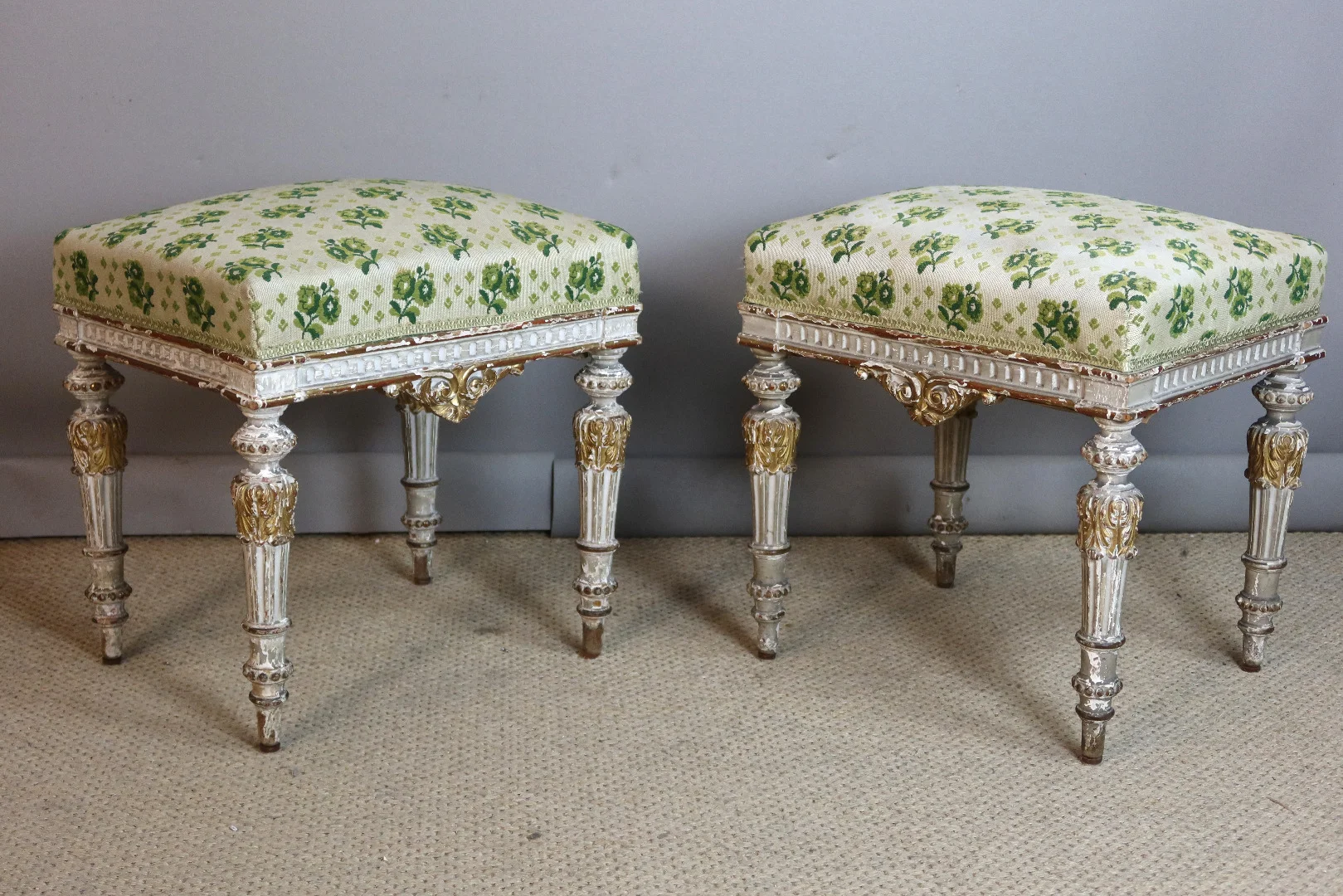
Philippe Cote Antiquites — Chauffailles
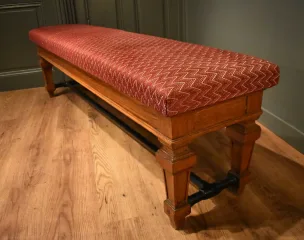
Antiquités Anne Marie Perrier — La Boisse
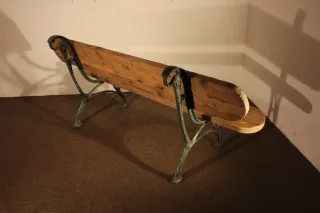
Au Réveil Du Temps — Saint-Nabord
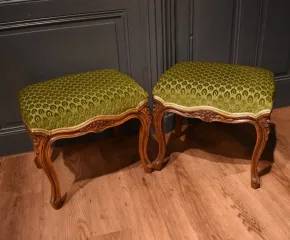
Antiquités Anne Marie Perrier — La Boisse
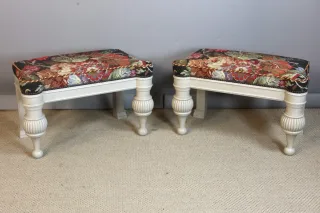
Philippe Cote Antiquites — Chauffailles
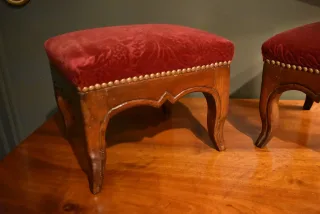
Antiquités Anne Marie Perrier — La Boisse
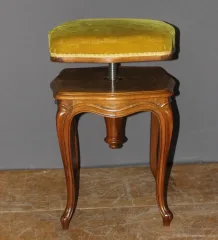
Antiquités Christophe Rochet — Villeurbanne
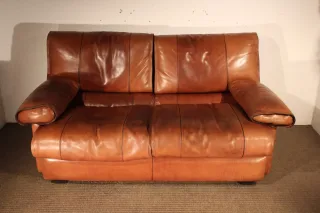
Au Réveil Du Temps — Saint-Nabord
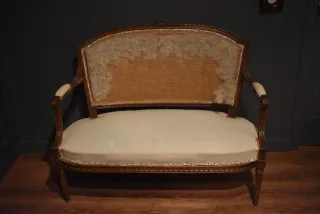
Antiquités Anne Marie Perrier — La Boisse
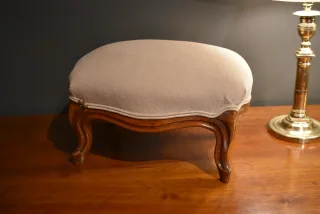
Antiquités Anne Marie Perrier — La Boisse
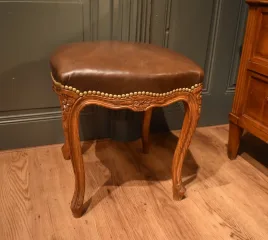
Antiquités Anne Marie Perrier — La Boisse
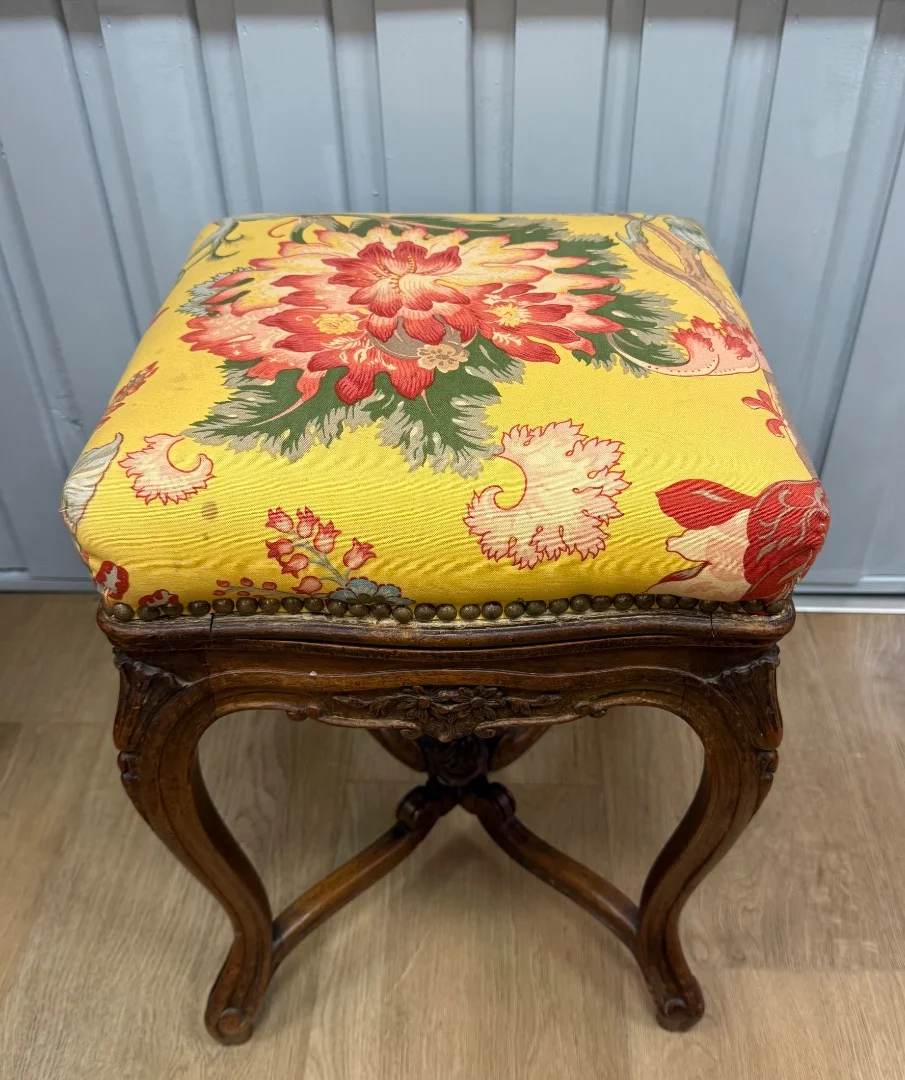
2R Antiquites — Caluire-et-Cuire
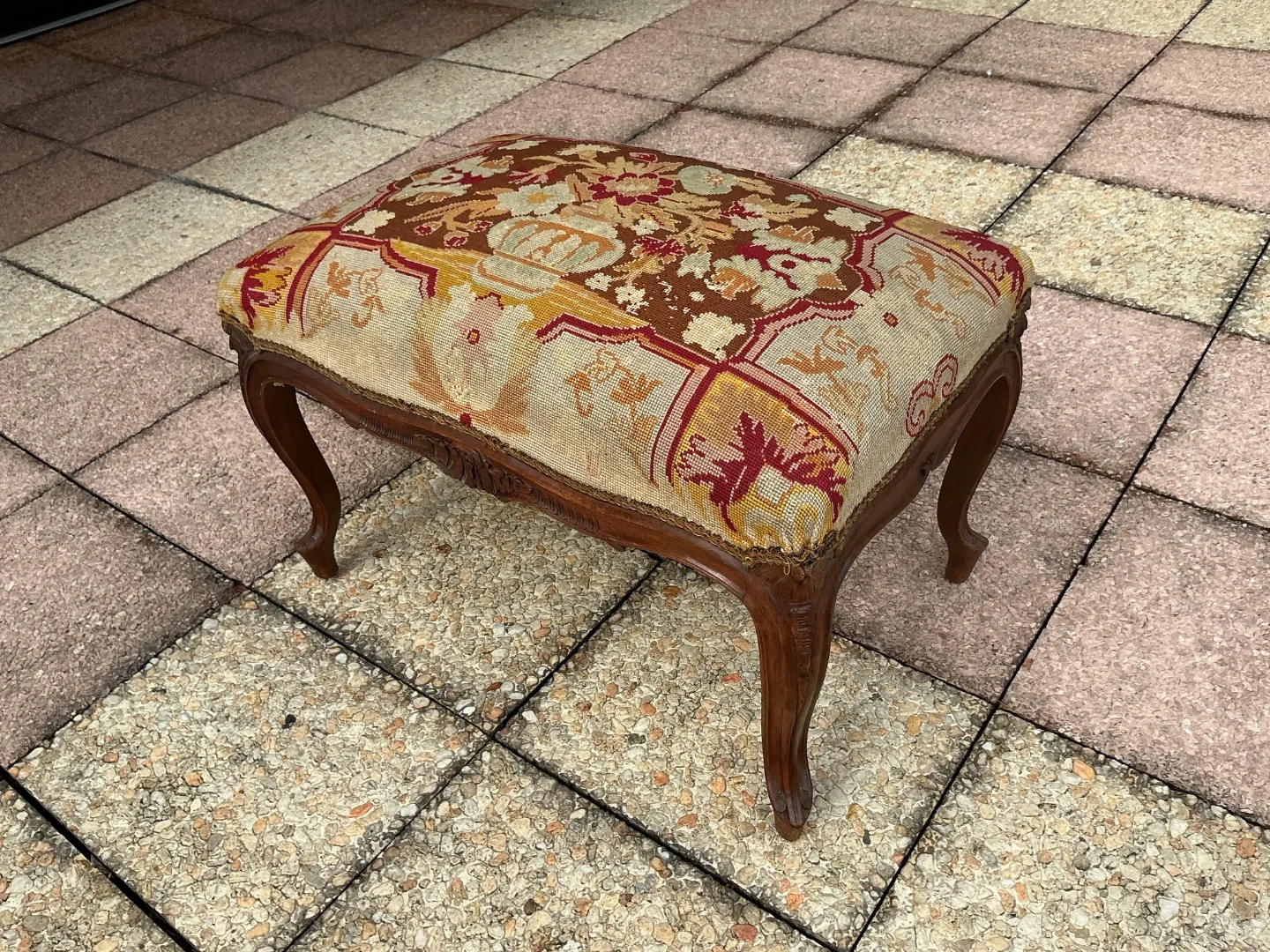
Eric Saget — Paris
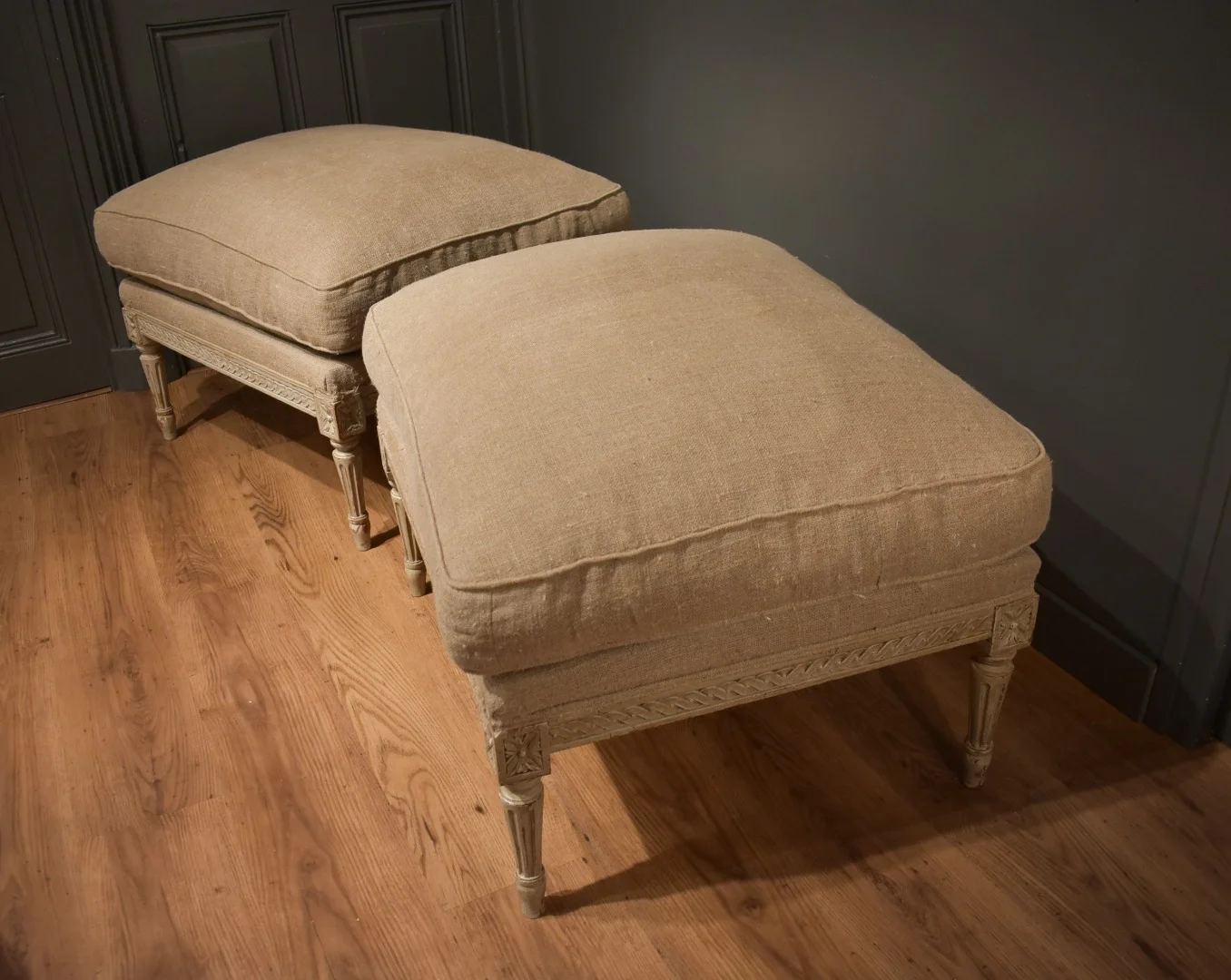
Antiquités Anne Marie Perrier — La Boisse
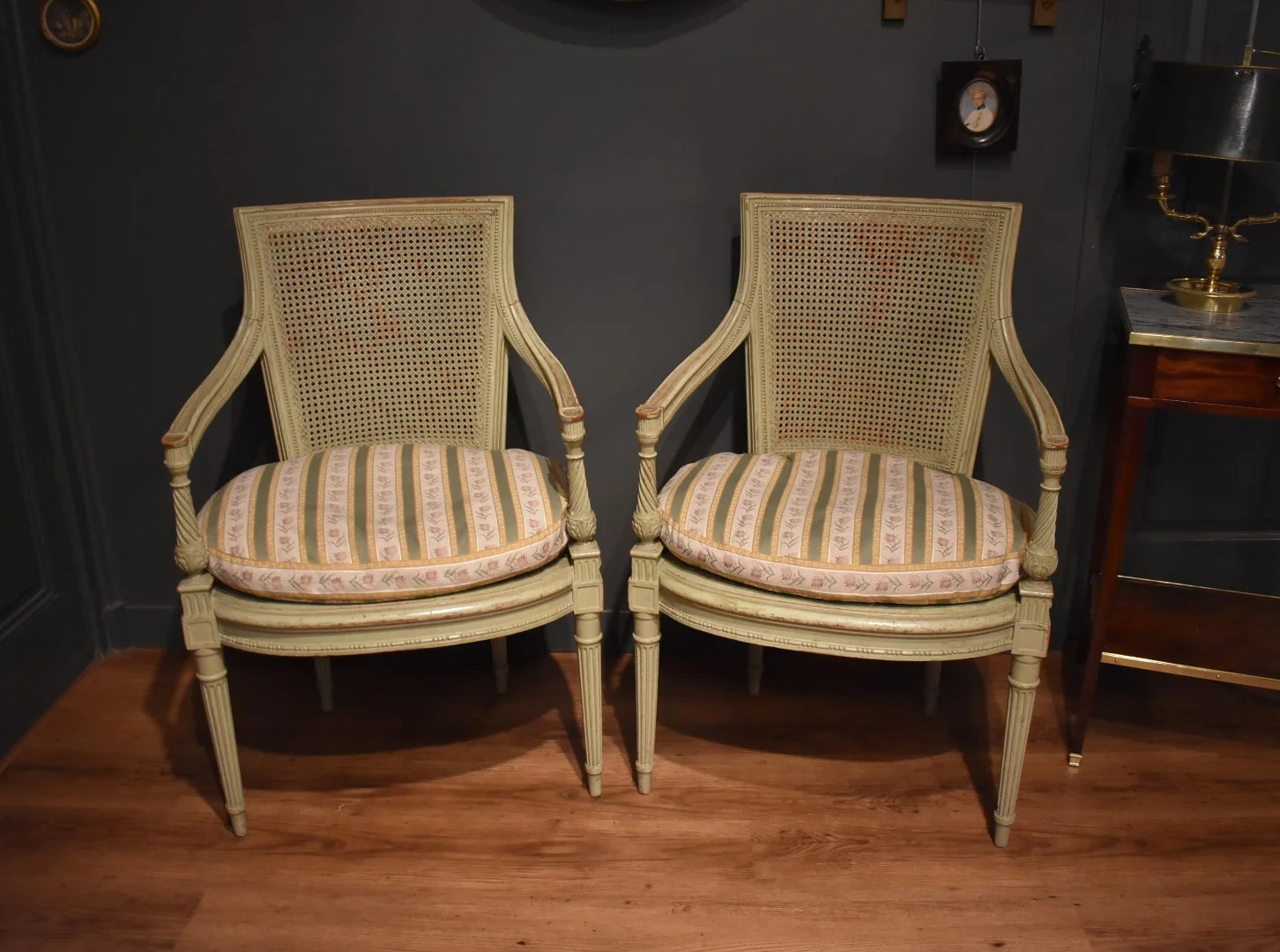
Antiquités Anne Marie Perrier — La Boisse
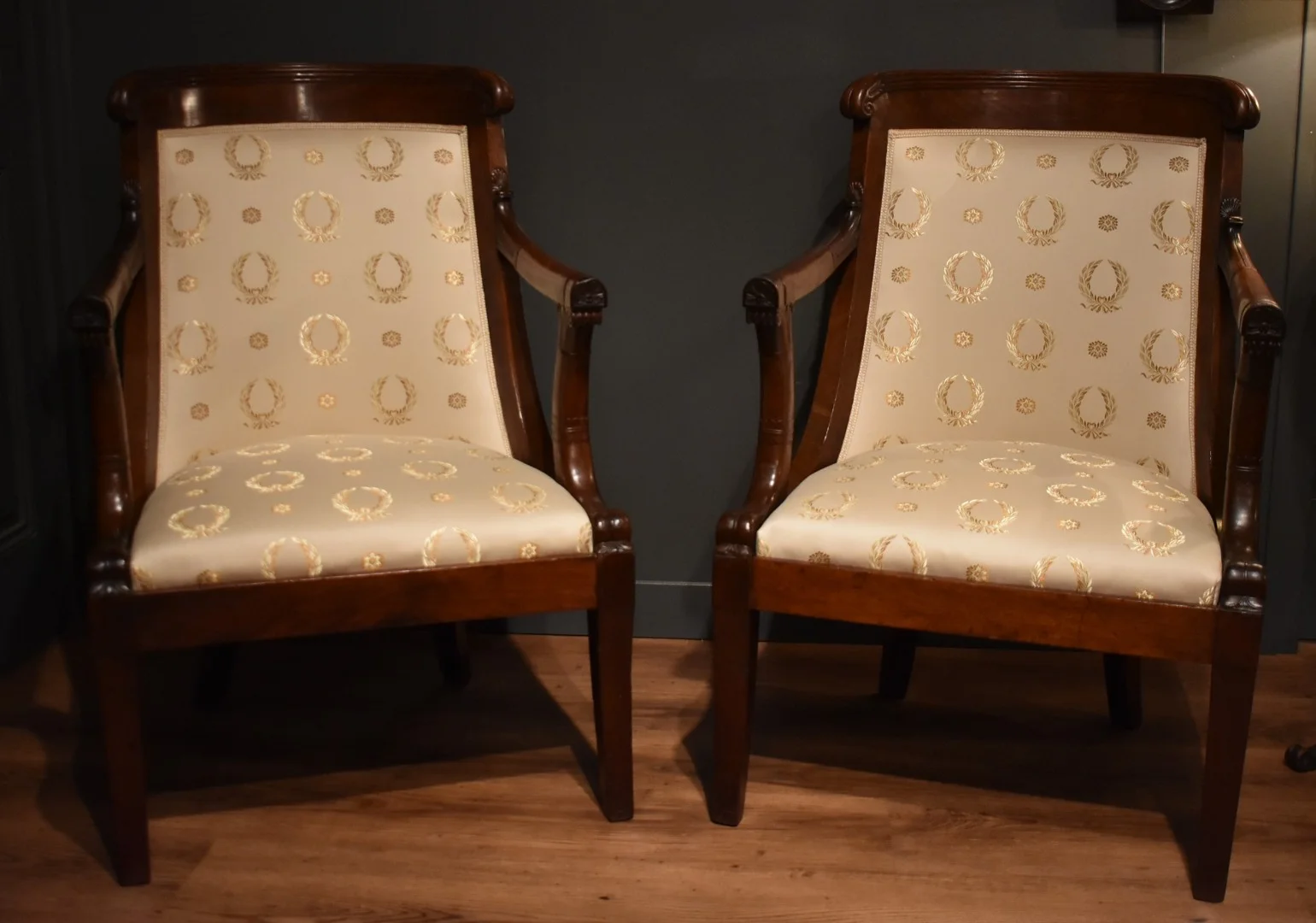
Antiquités Anne Marie Perrier — La Boisse
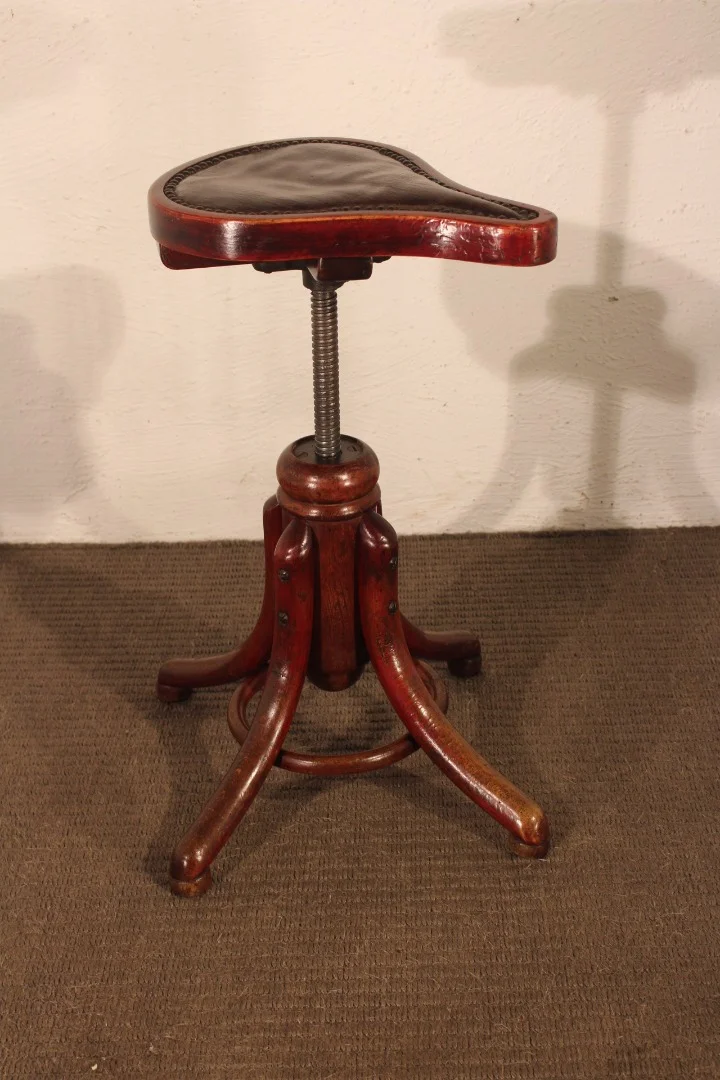
Au Réveil Du Temps — Saint-Nabord

Au Réveil Du Temps — Saint-Nabord
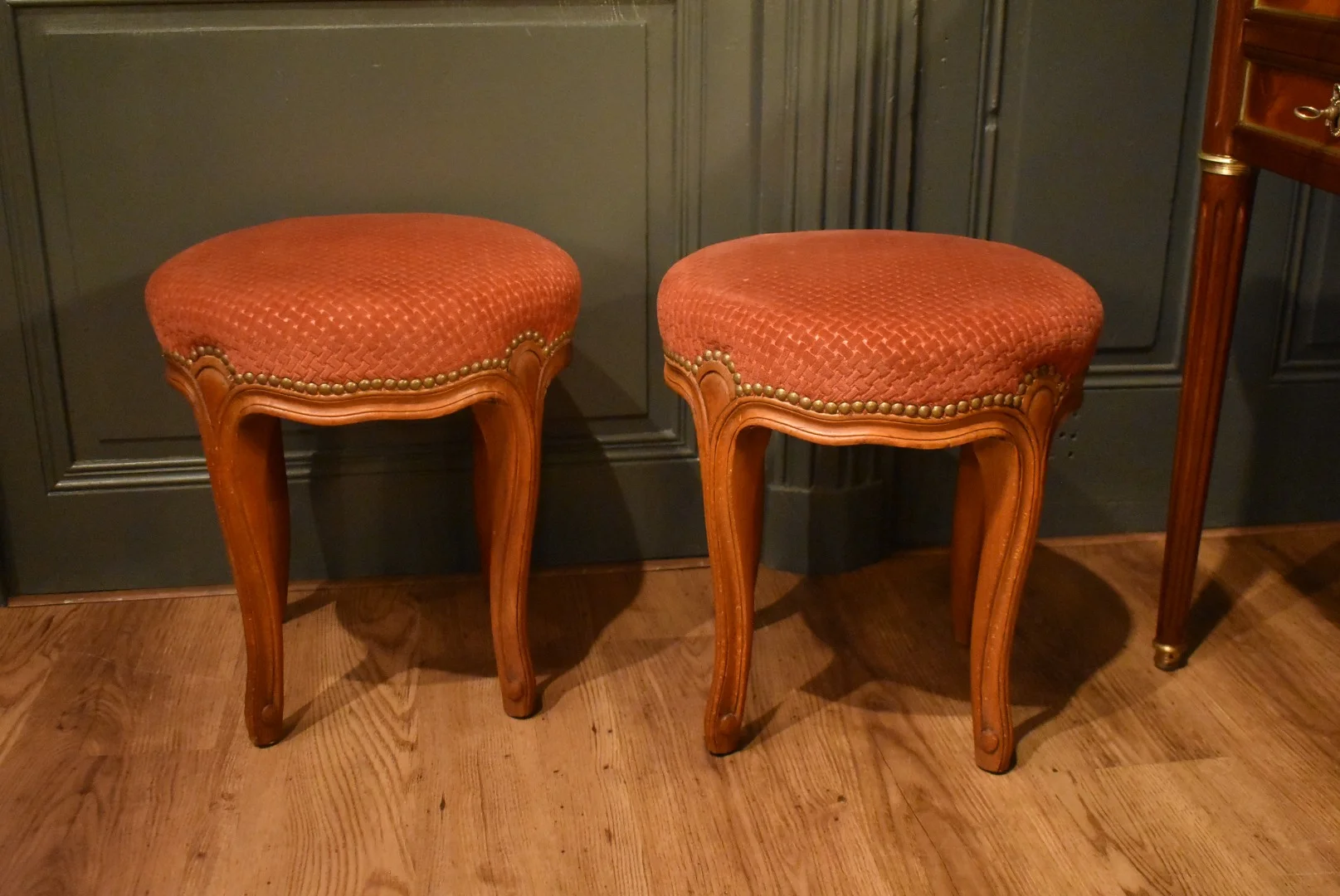
Antiquités Anne Marie Perrier — La Boisse
Authenticating a genuine period stool begins with the structure. Look for pegged mortise-and-tenon joints, hand-tool marks on hidden surfaces, and naturally patinated wood — all reliable signs of age. Louis XV examples typically feature cabriole legs ending in a pad foot or scroll; Empire pieces favour sabre or X-frame legs, usually in mahogany or gilded wood. Always check that the wood, gilding and upholstery are consistent with one another: an original period tapestry upholstery or original velvet covering adds considerable value and should never be replaced unnecessarily.
Antique stools are among the most accessible pieces of period seating on the market. Expect to pay £150–£450 for a sound Napoleon III example, £500–£2,000 for a stamped Louis XV stool, and more for a signed pair or a piece with documented provenance. Antique piano stools of the 19th century — with their adjustable screw mechanisms and swivelling seats in walnut or gilded wood — form a particularly sought-after category, typically priced between £180 and £750. Be wary of reproductions: overly uniform gilding, modern screws or unnaturally pale timber are telltale signs of recent manufacture.
Caring for an antique upholstered stool is straightforward. Dust carved woodwork regularly with a soft brush, feed bare wood with a quality beeswax polish, and keep the piece away from direct sunlight, which fades and weakens historic textiles. Should re-upholstery become necessary, always engage a specialist upholsterer who works with traditional materials — horsehair, jute webbing, linen scrim — to preserve both the integrity and the value of the piece.
On Antiquités en France, every stool is offered by a verified professional dealer able to provide detailed photographs, exact dimensions and full provenance information. Feel free to broaden your search to antique armchairs and seating to complete a period ensemble, or explore antique upholstered benches for a cohesive salon arrangement. Contact your chosen dealer directly with any questions before purchasing.