
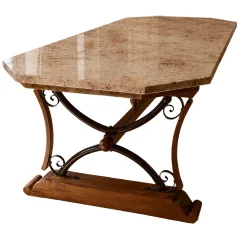
Large polished granite dining table on an oak and wrought iron base
le village des brocanteurs 58 — Dun-les-Places
8 500,00 €
Good condition
265 objects found
The antique coffee table is far more than a functional piece of furniture — it is the centrepiece of a living room, distilling the aesthetic of its era. Whether you are drawn to the geometric lines of an Art Deco coffee table in palissandre and brass, the pared-back elegance of a 1950s modernist design, or the ornamental richness of a 19th-century carved piece, the range of styles and materials is extraordinary. Marble tops, gilt bronze frames, sculpted hardwood bases: each period leaves its own unmistakable signature.
Every piece on Antiquités en France is offered by a verified professional dealer, ensuring authenticity, traceability and expert guidance. Browse our selection to find the period coffee table that will complete your interior.
265 objects found
le village des brocanteurs 58 — Dun-les-Places
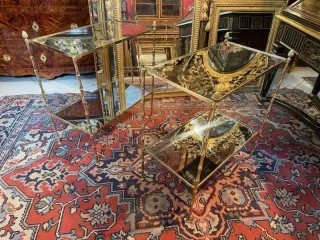
Romain Lichtensztein — Maignelay-Montigny
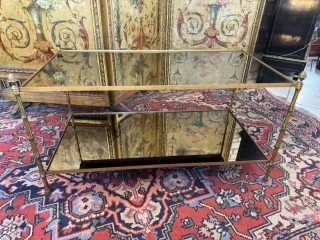
Romain Lichtensztein — Maignelay-Montigny
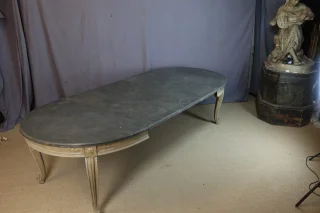
Philippe Cote Antiquites — Chauffailles
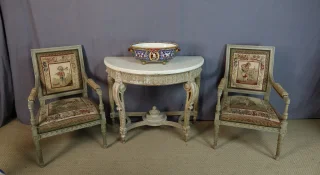
Philippe Cote Antiquites — Chauffailles
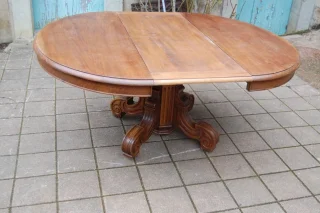
Antiquités Rousseau — Évry
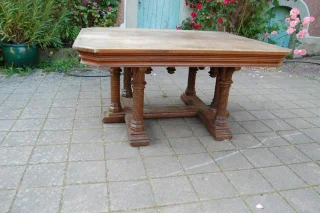
Antiquités Rousseau — Évry
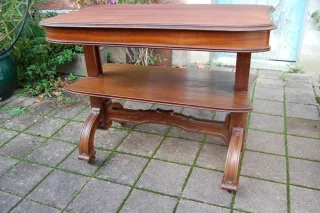
Antiquités Rousseau — Évry
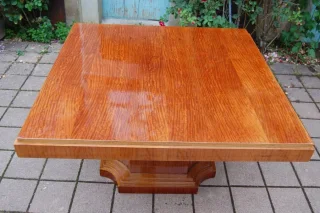
Antiquités Rousseau — Évry
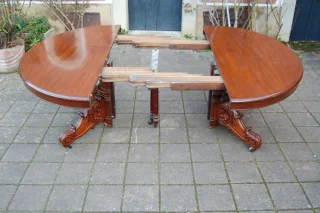
Antiquités Rousseau — Évry
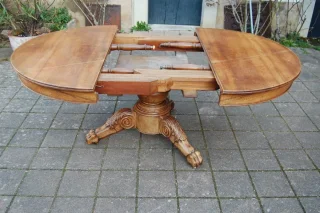
Antiquités Rousseau — Évry
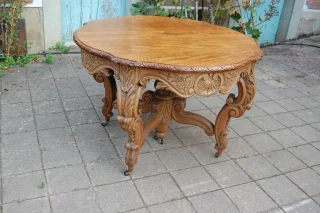
Antiquités Rousseau — Évry
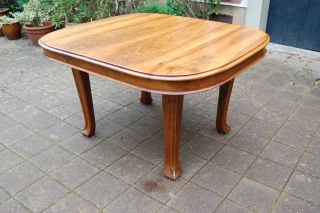
Antiquités Rousseau — Évry
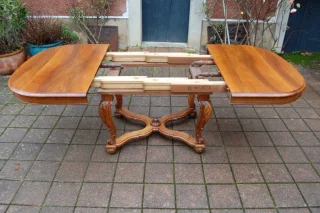
Antiquités Rousseau — Évry
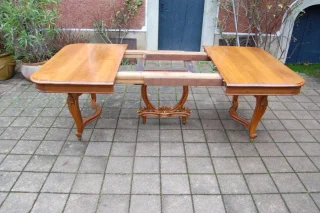
Antiquités Rousseau — Évry
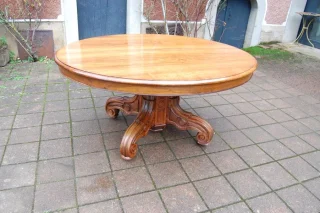
Antiquités Rousseau — Évry
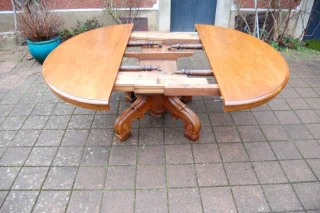
Antiquités Rousseau — Évry
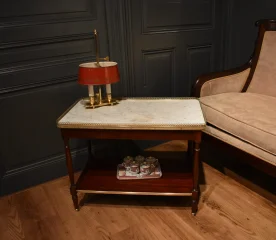
Antiquités Anne Marie Perrier — La Boisse
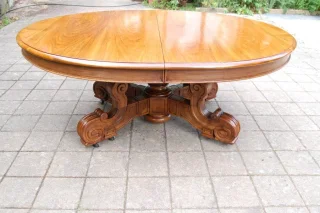
Antiquités Rousseau — Évry
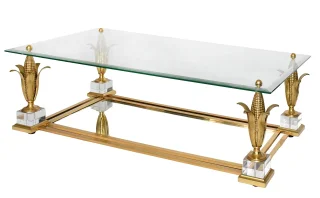
Espaces et Formes — Paris XVIII Arrdt
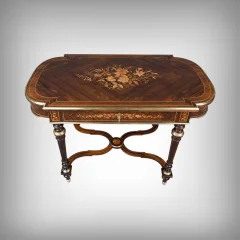
Antiquités Lecomte — Héric
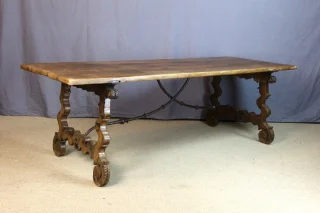
Philippe Cote Antiquites — Chauffailles
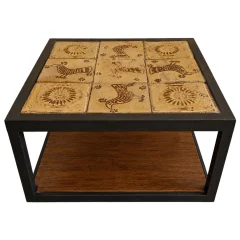
le village des brocanteurs 58 — Dun-les-Places
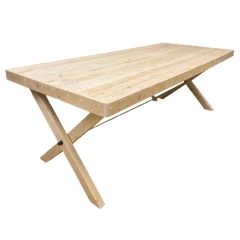
le village des brocanteurs 58 — Dun-les-Places
Choosing the right antique coffee table starts with identifying the period and style. A piece from 1925–1940 will typically display clean geometric lines, precious veneers such as Rio palissandre or amboyna burl, and nickel-plated or chromium hardware. A 19th-century example, by contrast, favours solid walnut or mahogany with turned or carved legs. The marble and brass coffee tables of the 1950s–1970s — among the most sought-after on today's market — are recognisable by their Carrara marble or onyx tops set on slender gilt-metal frames.
Authenticity can be assessed through several indicators: mortise-and-tenon joinery rather than modern screws, an even, consistent patina on the wood, and hardware that is coherent with the supposed period. A publisher's stamp, a gallery label on the underside, or documented provenance all add significantly to a piece's value. For metal-framed tables, check that any gilding or chrome plating is original and not a recent refinish. You may also wish to explore our broader selection of antique tables to compare other forms of period salon furniture.
Antique coffee tables span a wide price range: expect to pay from a few hundred pounds or euros for a sound mid-century piece in good condition, rising to several thousand for a signed or attributed Art Deco example. The condition of the top surface is the primary value criterion — a marble slab free of chips, or a veneer with no lifting — so always request detailed photographs of the legs, the joinery and the underside of the top. Carved wood coffee tables from the 19th century deserve particular scrutiny around the carved details, which are frequently restored.
On Antiquités en France, every professional dealer can provide a full description, precise dimensions and provenance history. Contact the seller of your choice directly before purchasing — it is the surest way to acquire a genuinely authentic piece that will stand the test of time.