
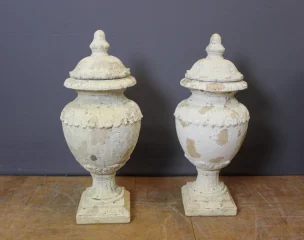
Pair of covered garden vases, 19th century
Antiquités Christophe Rochet — Villeurbanne
1 200,00 €
9 objects found
Antique parquet flooring ranks among the most sought-after elements in prestige renovation. Whether it is the iconic Versailles parquet with its framed square panels, the tight chevrons of a classic herringbone pattern, or the broad solid-oak boards of an 18th-century country house, each type embodies a craft tradition that modern production simply cannot replicate. Reclaimed solid oak floorboards carry a depth of patina and timber density that only centuries of use can produce.
Every lot listed here is selected by dealers specialising in architectural antiques, ensuring documented provenance and genuine period character.
9 objects found
Antiquités Christophe Rochet — Villeurbanne
Galerie Lauretta — Mandelieu-la-Napoule
Au Réveil Du Temps — Saint-Nabord
L'atelier De La Dorure — Calmont
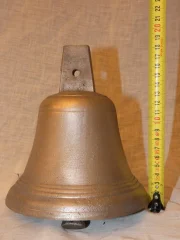
L'atelier De La Dorure — Calmont
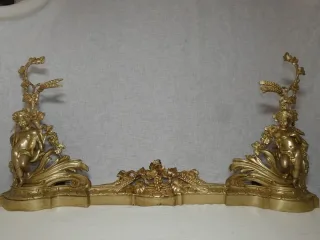
L'atelier De La Dorure — Calmont
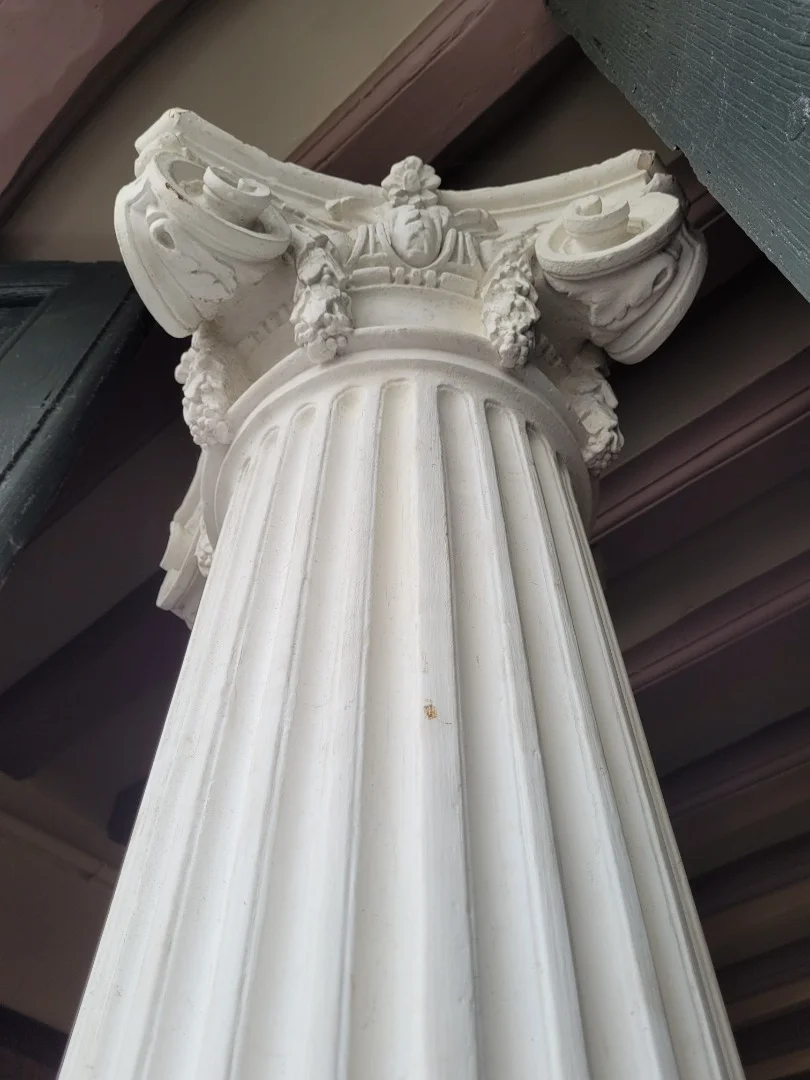
Le Grenier D'Abélard — Sens
Antiquités Christophe Rochet — Villeurbanne
2R Antiquites — Caluire-et-Cuire
When buying antique parquet flooring, start by identifying the laying pattern. Herringbone (planks set at 45° in alternating directions) was ubiquitous from the 17th century onward in aristocratic and bourgeois interiors alike. The Versailles pattern — square panels of short bâtons rompus framed by a border — was popularised under Louis XIV and Louis XV and remains the benchmark of French palatial style. Straight-laid wide boards tend to pre-date the 19th century, while smaller engineered-style panels became common later.
Authenticity is written into the timber itself: genuine antique herringbone parquet in oak shows a warm golden patina on the face, natural wear at traffic zones, and hand-tool marks — adze strokes, hand-plane ridges — on the reverse that no machine-made board replicates. Be cautious of lots that look suspiciously uniform or freshly cleaned; legitimate reclaimed flooring always carries minor irregularities that confirm its age. Check thickness too: period boards frequently exceed 20 mm, leaving ample material for future sanding.
Budget expectations vary with pattern, species and available quantity. Standard reclaimed oak boards typically range from £70 to £180 per m², while complete Versailles parquet panels or lots with documented château provenance can reach £300–£500 per m² or more. A verifiable provenance — original photographs, a sale record from a historic property — adds both monetary value and peace of mind.
On Antiquités en France, every lot of period parquet flooring is offered by a verified professional dealer who can supply exact dimensions, timber species, condition notes and shipping or collection arrangements. Contact the seller directly for detailed photographs of the board reverses before committing — and explore our broader range of antique architectural elements to complete your restoration project.