Antique Embroidered Linen & Trousseaux

17 objects found

Loading
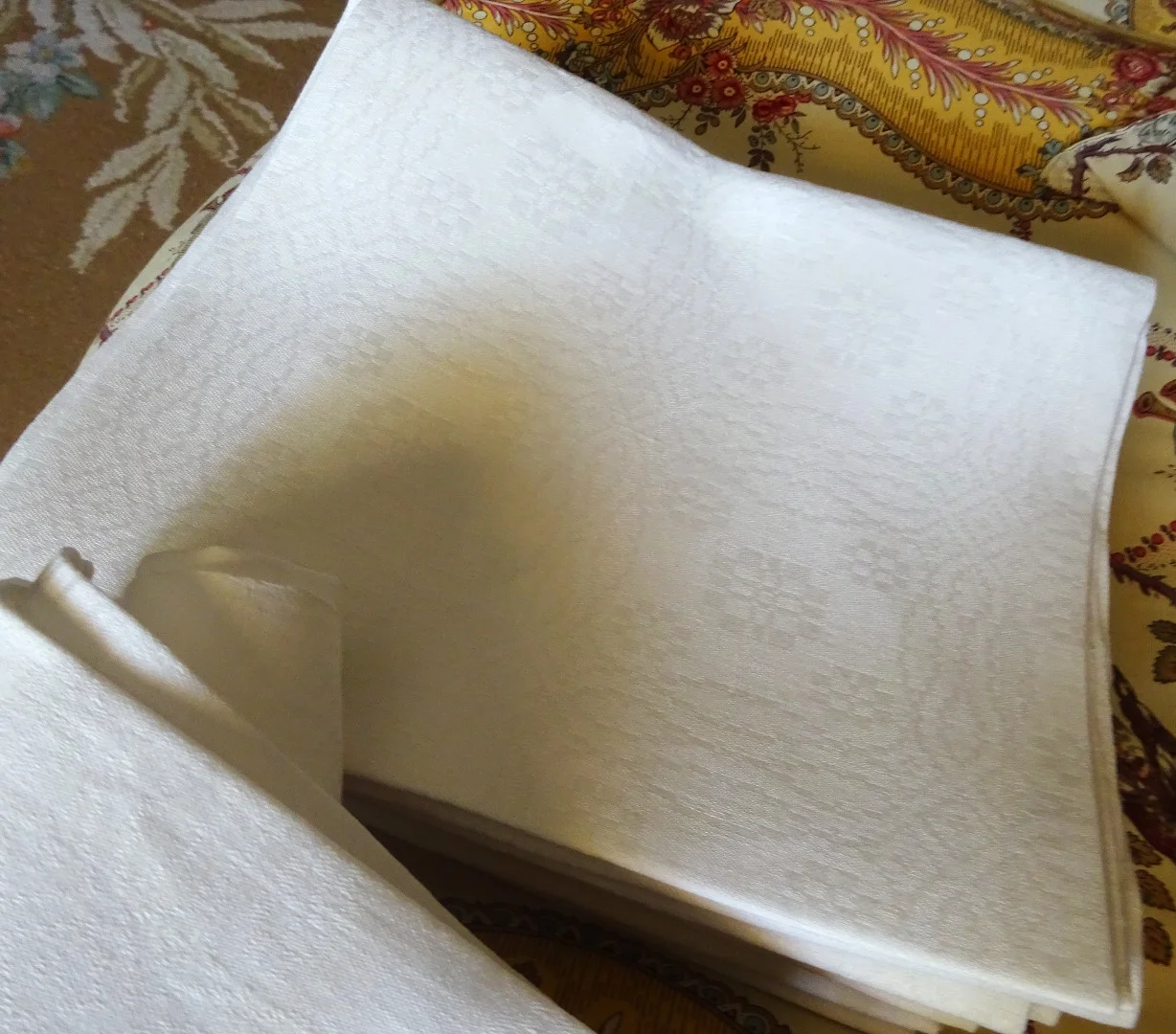
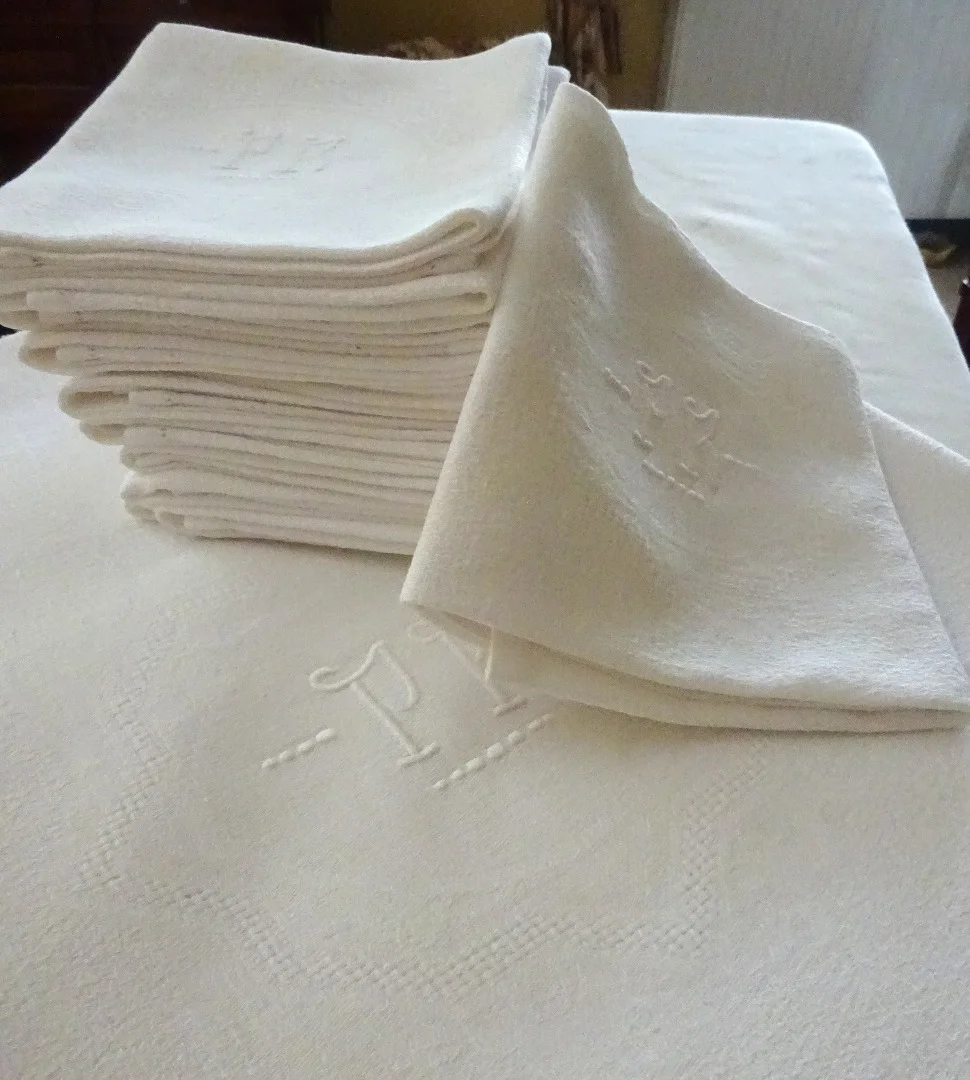
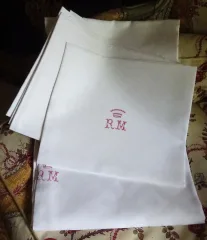
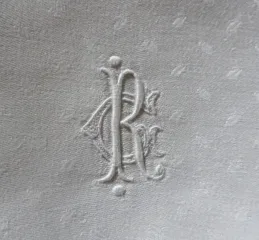
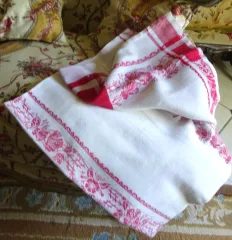
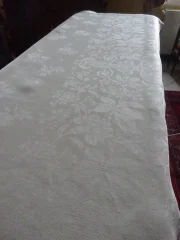
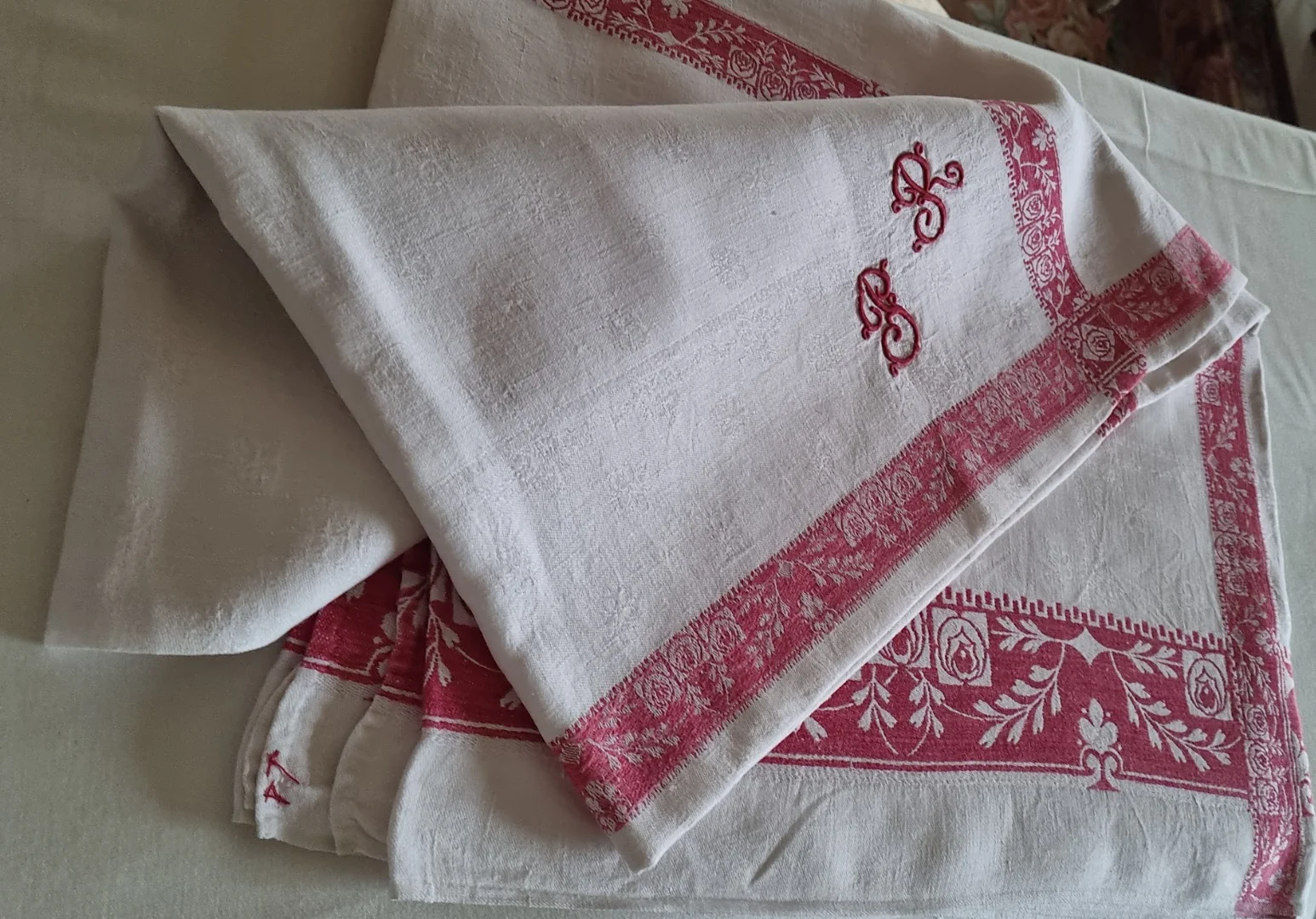
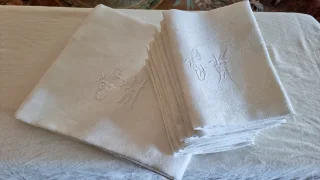
Antique linen — damask linen sheets, embroidered tablecloths, monogrammed napkins and trousseau pieces — bears witness to a textile tradition that has all but vanished. The finest examples, drawn from bourgeois and aristocratic households of the 18th and 19th centuries, are distinguished by the quality of the weave, the precision of the embroidery stitches and the crispness of their embroidered monograms. Some pieces are further enhanced by bobbin lace or needle-lace borders sewn along the hems, adding considerably to their desirability. For complementary pieces, explore our antique lace collection as well.

Antique sheets, tablecloths and household linen offered by our professional dealers

17 objects found

How to choose, date and authenticate quality antique linen

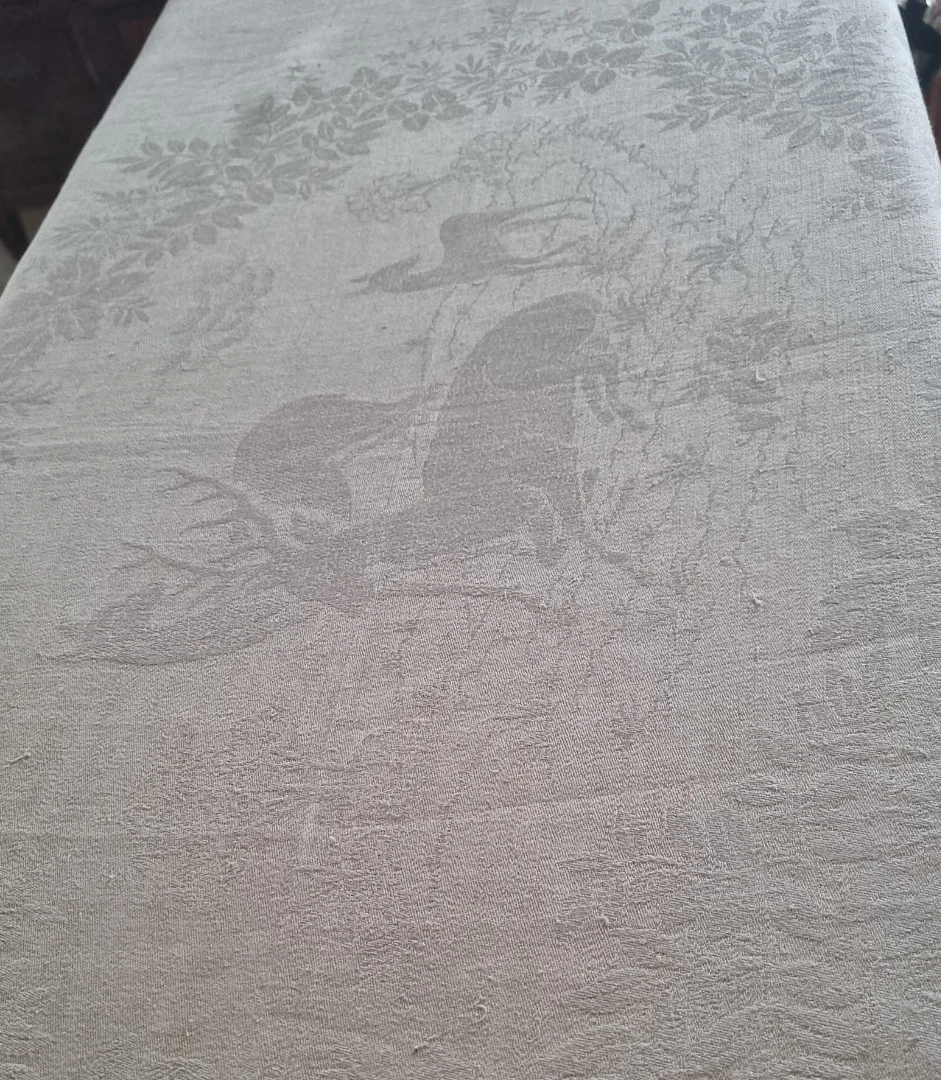
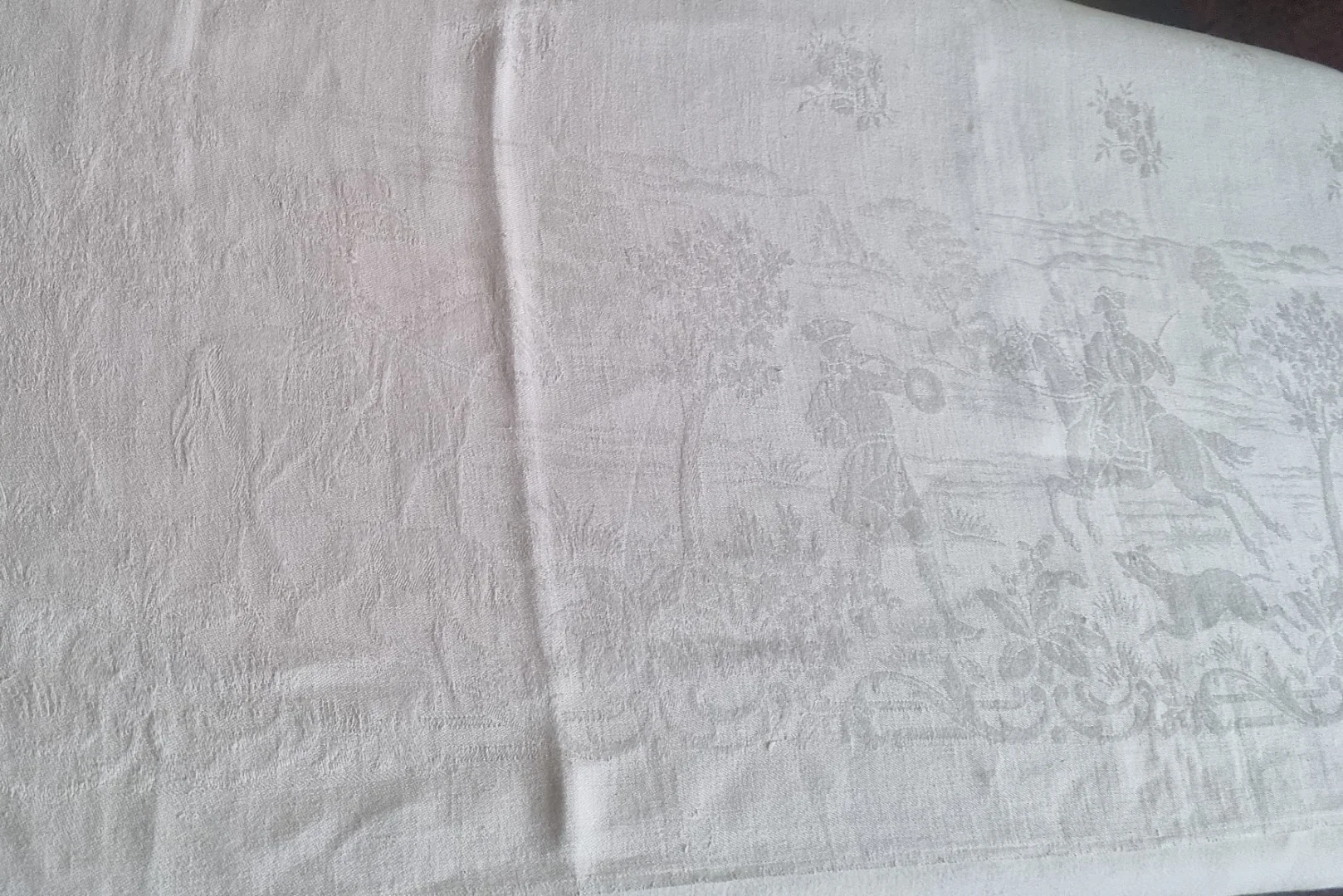
When selecting a piece of antique linen, start with the fabric itself. Genuine linen has a slightly cool, crisp handle and a tight, even weave; held to raking light, the threads appear lustrous and uniform. The most sought-after pieces are woven in pure linen — sometimes in métis (a linen-cotton blend) — and display a naturally ivory-white tone, a healthy sign of age rather than the yellowing caused by poor storage. Damask weaves reveal their woven motifs only in angled light, a useful test of authenticity. Embroidery and monograms are the primary indicators of value. A finely worked monogram in cross-stitch or stem-stitch, accompanied by a comital or ducal coronet, points to aristocratic provenance and can significantly increase a piece's worth. Examine the regularity of the stitches, the neatness of the drawn-thread hemstitching and the condition of the hems: a quality antique embroidered linen sheet will show perfectly even openwork borders. Antique damask tablecloths from French weaving centres — Gérardmer, Basse-Normandie — are particularly prized by collectors. In terms of budget, expect to pay £20–£80 for a fine embroidered napkin, £80–£400 for a monogrammed trousseau sheet in good condition, and considerably more for a complete table service with twelve matching napkins and an aristocratic monogram. Condition is paramount: light wear at the fold lines is perfectly normal, but stubborn stains, tears or clumsy repairs substantially reduce value. Always ask the dealer for photographs in natural daylight and clarification on any bleaching or restoration treatments. On Antiquités en France, every piece of antique household linen is offered by a verified professional dealer who can provide precise measurements, detailed photographs and provenance information before purchase. A documented trousseau traceable to a single family is always worth more than an isolated piece. Browse our full range of antique trousseau linen and buy with complete confidence.

Frequently asked questions about Antique Embroidered Linen & Trousseaux

How can I tell if antique linen is genuine?
Genuine antique linen feels slightly cool and crisp to the touch, with a tight, regular weave and a naturally ivory tone. Held to raking light, the threads appear bright and even. Linen creases more readily than cotton but recovers its shape after washing — a reliable practical test.
What are typical prices for antique embroidered linen?
Expect to pay £20–£80 for an embroidered napkin, £80–£400 for a monogrammed trousseau sheet in good condition, and several hundred pounds for a complete damask table service with an aristocratic monogram. Condition, embroidery quality and provenance all influence the price significantly.
How should I wash and care for antique linen?
Hand-wash or machine-wash at 30°C maximum using a mild, enzyme-free detergent with no bleach. Never spin-dry; instead, roll the piece in a towel to remove excess water. Dry flat or in the shade, then iron while still slightly damp with a warm iron to preserve embroidery and drawn-thread work.
How do I date a piece of antique linen?
The monogram style, embroidery technique and fabric type all help date a piece. Highly regular cross-stitch monograms and complex drawn-thread hemstitching are typical of the 19th century. Manufacturer's labels, woven selvedge marks or indelible ink stamps are particularly valuable dating clues.
Can antique linen be used every day?
Yes, provided the condition allows it. A well-preserved antique linen sheet or tablecloth is often more durable than modern equivalents. Reserve very fragile pieces or those showing worn areas for display or framing rather than daily use, to protect them for the long term.