
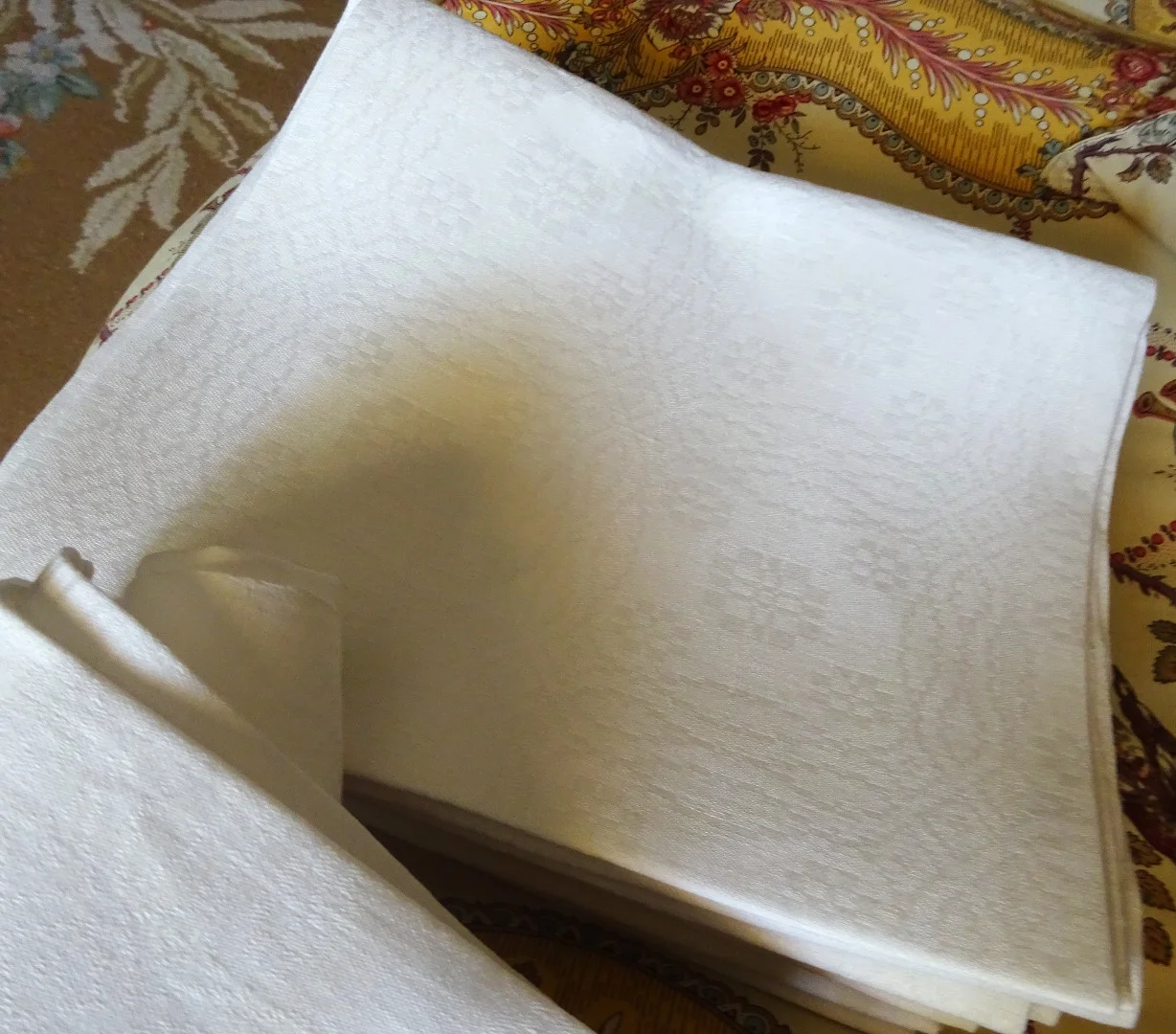
Objet 175240
Ecritoire Antiquites Poidras jean-luc — Vertou
70,00 €
13 objects found
13 objects found
Ecritoire Antiquites Poidras jean-luc — Vertou
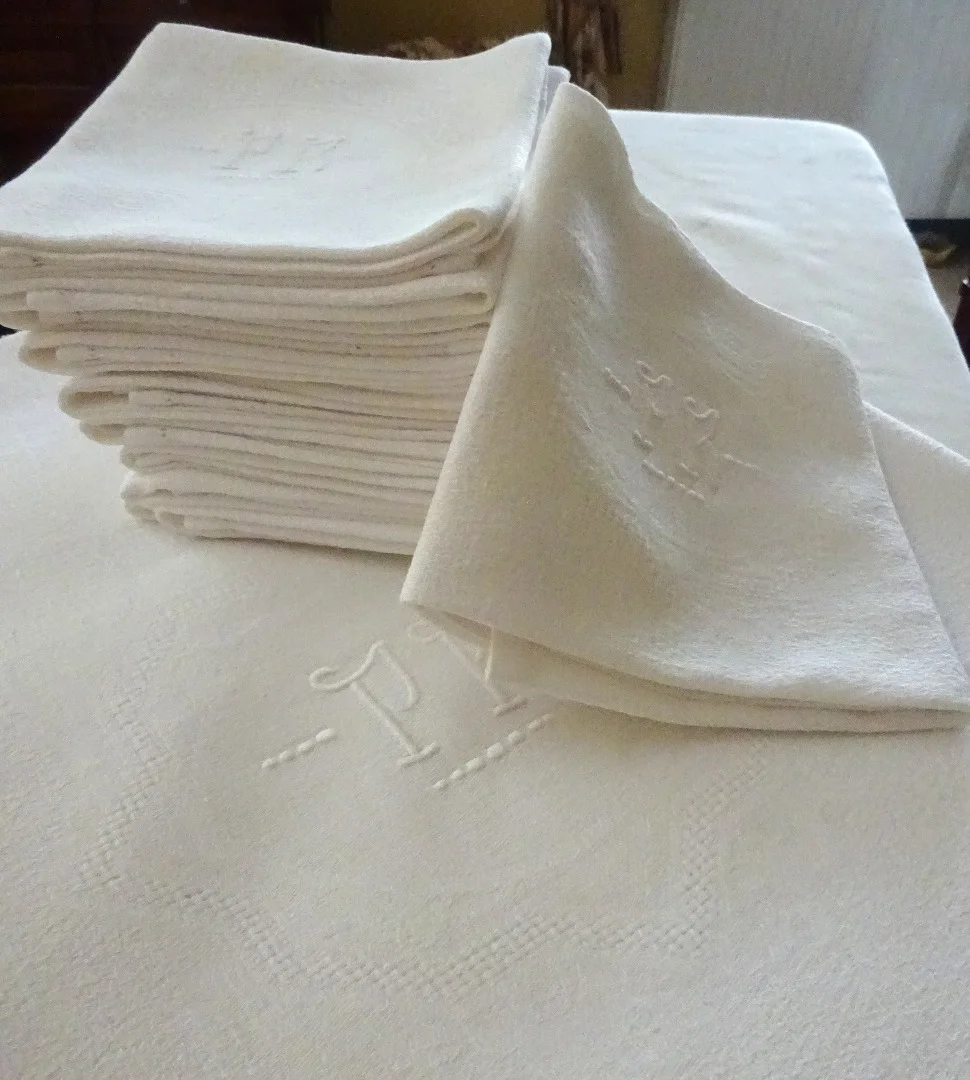
Ecritoire Antiquites Poidras jean-luc — Vertou
Ecritoire Antiquites Poidras jean-luc — Vertou
Ecritoire Antiquites Poidras jean-luc — Vertou
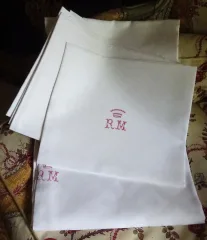
Ecritoire Antiquites Poidras jean-luc — Vertou
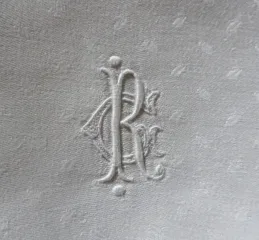
Ecritoire Antiquites Poidras jean-luc — Vertou
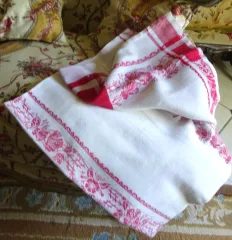
Ecritoire Antiquites Poidras jean-luc — Vertou
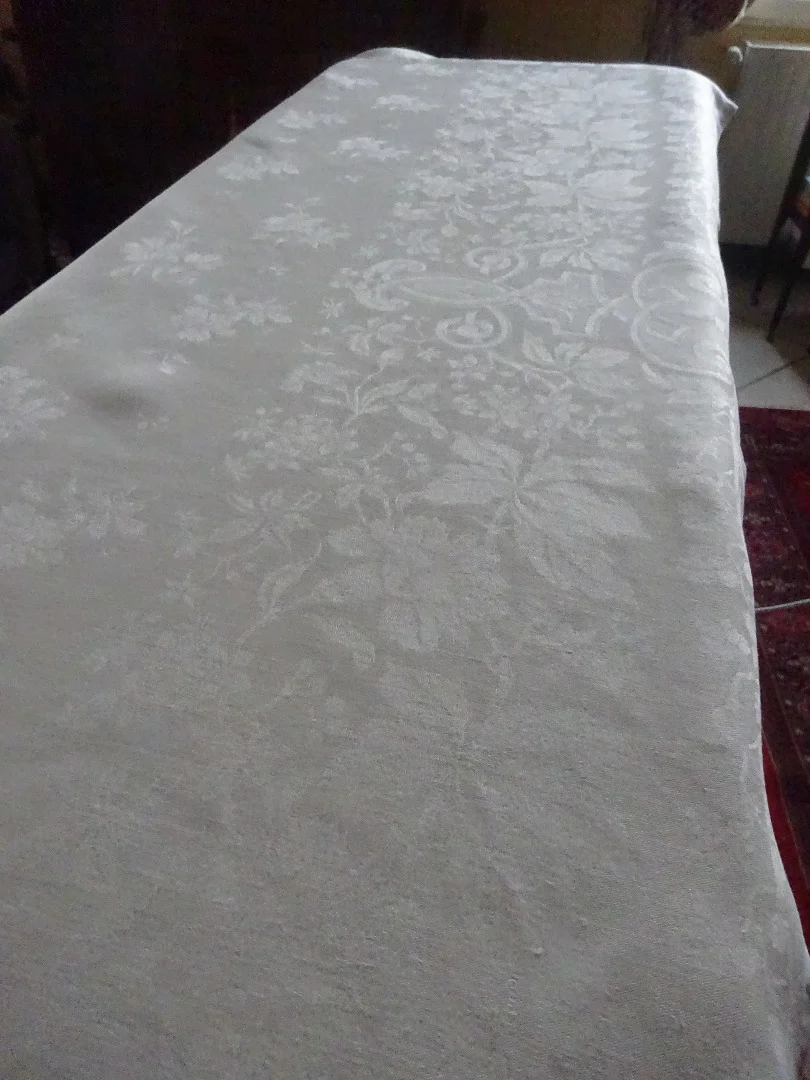
Ecritoire Antiquites Poidras jean-luc — Vertou
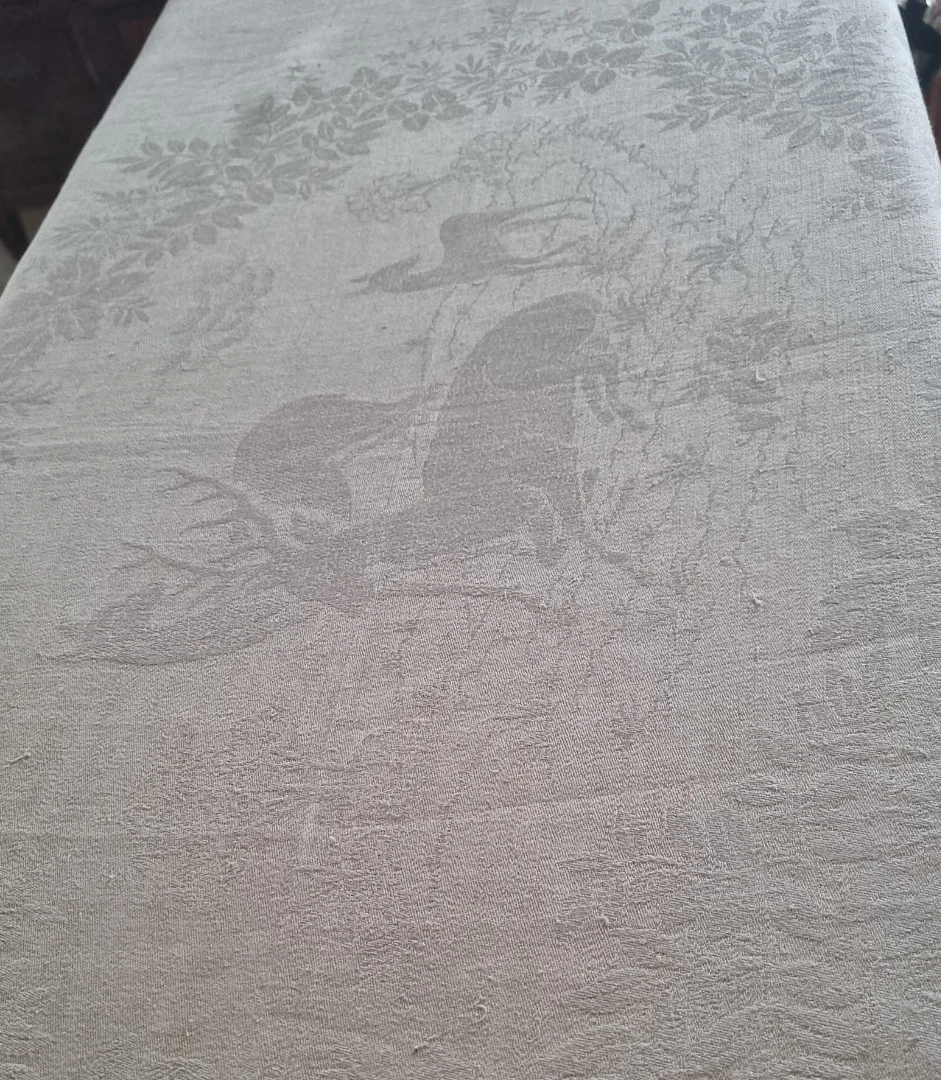
Ecritoire Antiquites Poidras jean-luc — Vertou
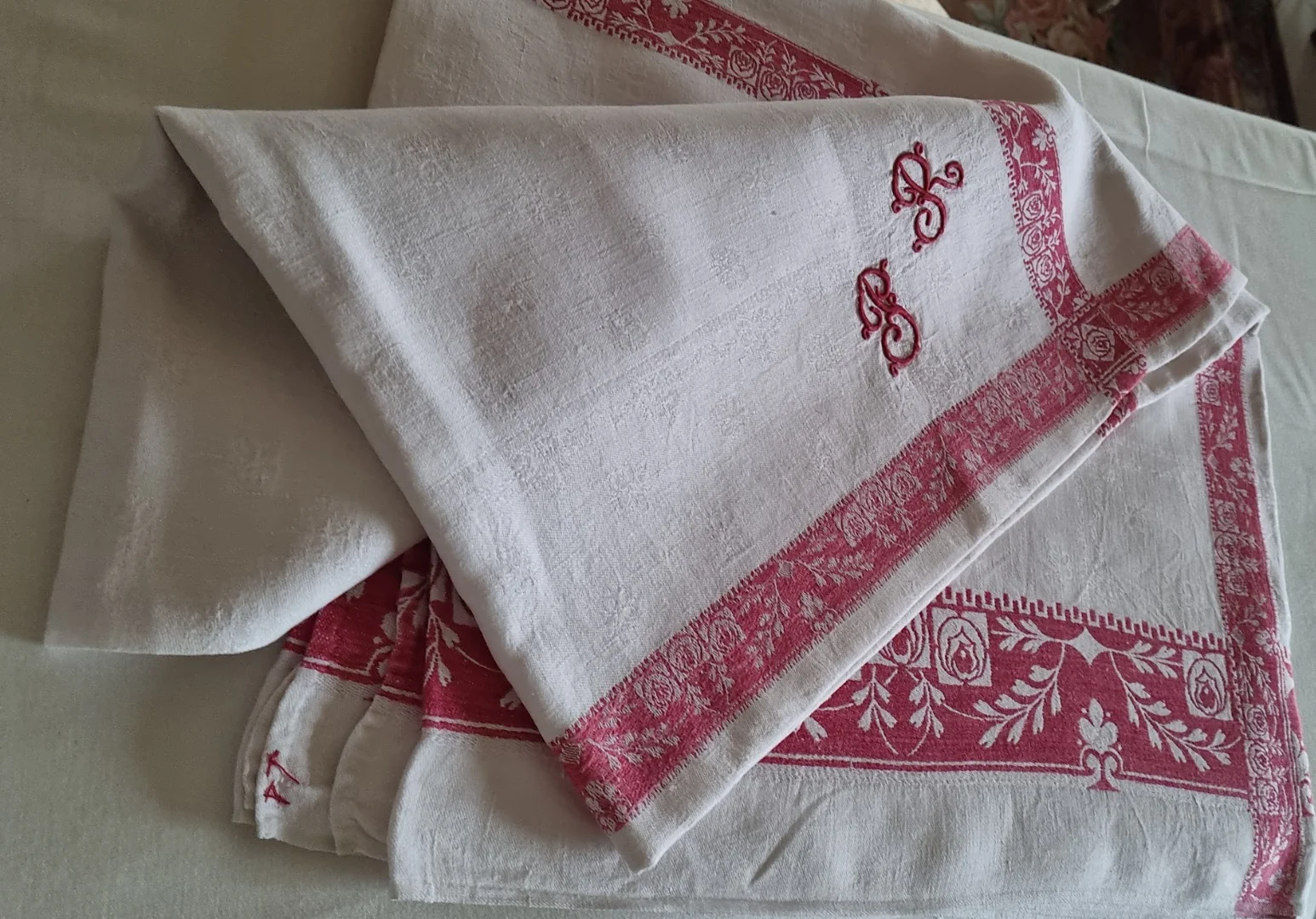
Ecritoire Antiquites Poidras jean-luc — Vertou
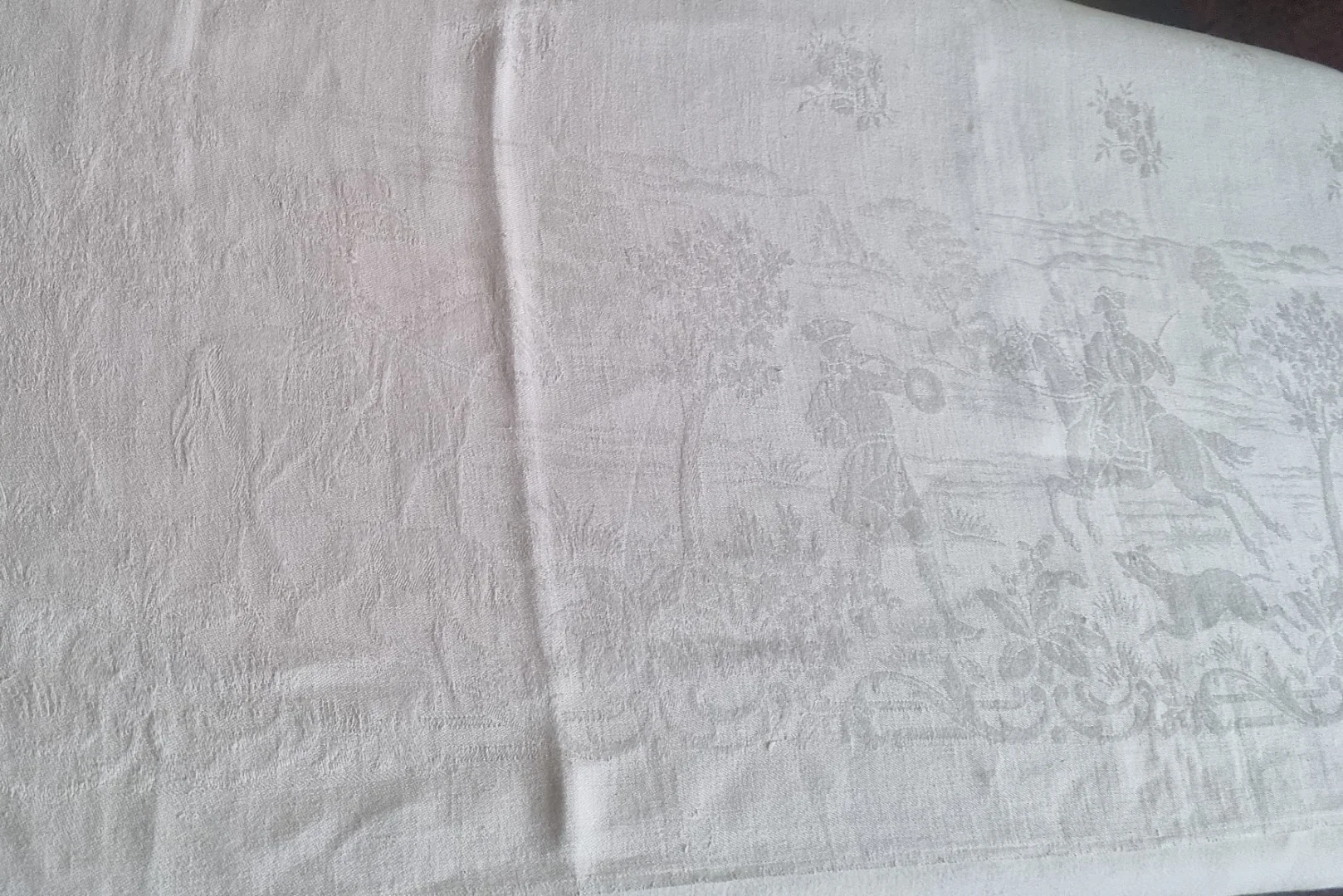
Ecritoire Antiquites Poidras jean-luc — Vertou
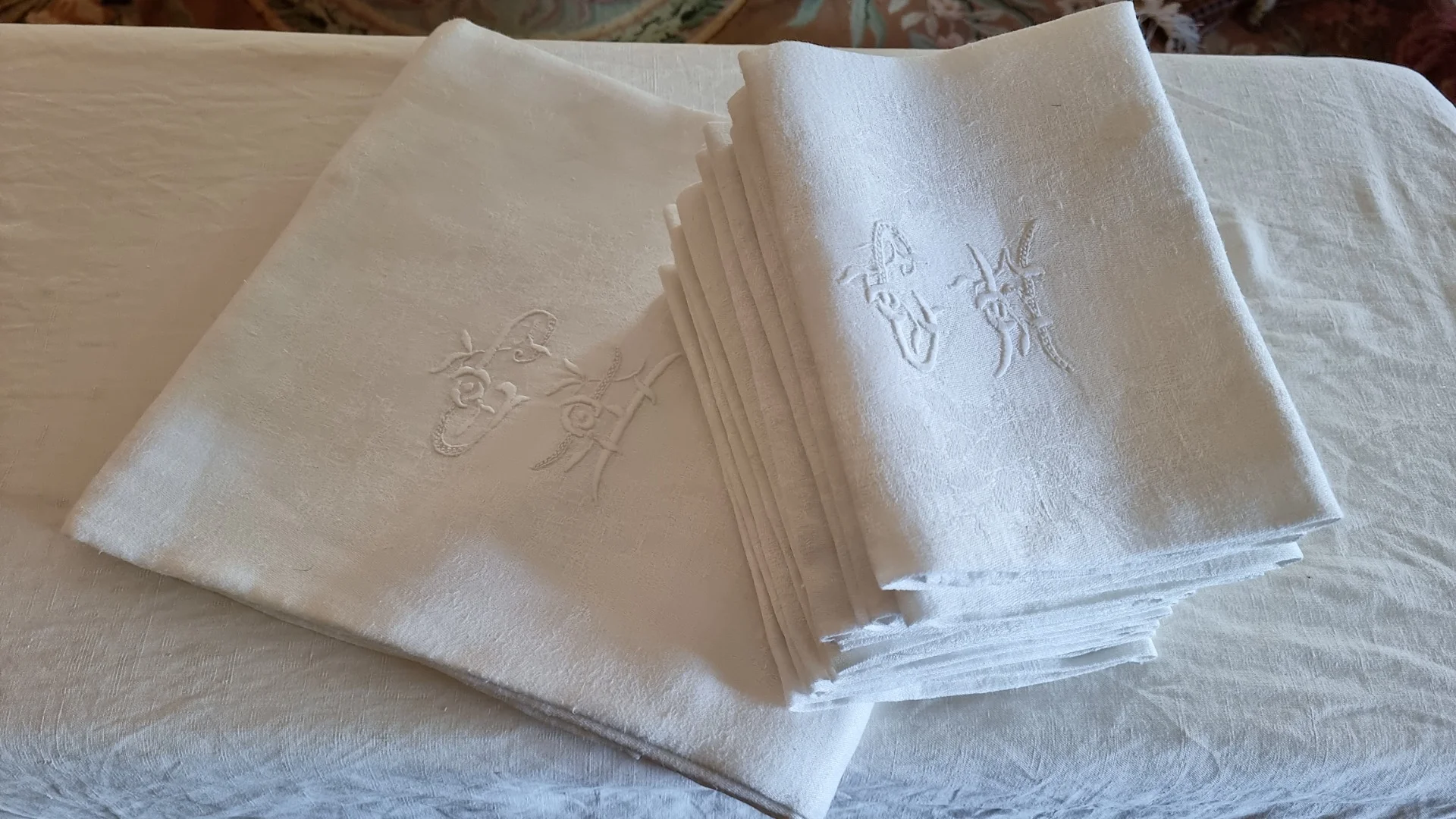
Ecritoire Antiquites Poidras jean-luc — Vertou

Antiquités "Le Vieux Matos" L.V.M — La Chapelle-Saint-Martin-en-Plaine
Identifying authentic antique handmade lace requires examining several telling details. The fineness of the thread — linen for most needle laces, silk for Chantilly — and the slight, natural irregularities of the ground immediately set hand-worked pieces apart from 20th-century machine production. In needle lace, every picot is individually knotted; in bobbin lace, the crossing of threads creates an airy fabric that no mechanical process can replicate exactly. A pocket magnifier is often all you need to reach a confident verdict.
The great names to know: point d'Alençon (Normandy, 17th–19th century), celebrated for its hexagonal réseau and raised cordonnet outline; point de Bruxelles and Mechlin lace (Flanders), prized for their diaphanous grounds; and antique bobbin lace from Chantilly, worked in black or ivory silk and highly fashionable under the Second Empire. Italy — Venice and Burano — and England's Honiton district also produced lace of the highest order, each with its own distinctive ground structure that a knowledgeable dealer can identify at a glance.
For conservation, keep pieces away from direct light and damp. Roll them around an acid-free tissue-paper cylinder rather than folding, to prevent thread breakage along crease lines. Never attempt home washing: even gentle detergents can irreversibly damage a ground that has survived two centuries. Antique lace collars and cuffs of smaller format are best stored flat between two sheets of acid-free tissue. For any serious cleaning or repair, consult a specialist textile conservator.
Prices vary widely: expect to pay from around £30–€50 for a small fragment or a common trimming in good condition, rising to several hundred or even several thousand euros for a documented point d'Alençon bridal veil or a large 18th-century Brussels panel. On Antiquités en France, every piece is offered by a verified professional dealer who can supply detailed photographs, exact dimensions and provenance information. Explore our antique linen collection alongside these laces to build a coherent ensemble, and contact the dealer directly for any further expertise.