

SOMNO BEDSIDE TABLE
ANTIQUITES VANGEON — Chartres
1 180,00 €
50 objects found
Antique English furniture is prized for its functional elegance and a standard of cabinet-making rarely matched elsewhere. From the bold carved lines of Chippendale to the delicate inlay work of Hepplewhite and the crisp neoclassical forms of the Regency period, each era produced instantly recognisable pieces. Cuban mahogany, walnut and oak are the favoured timbers, frequently enriched with satinwood crossbanding or original brass hardware.
Browse our curated selection of English mahogany furniture and antique English chests of drawers offered by professional dealers across France.
50 objects found
ANTIQUITES VANGEON — Chartres
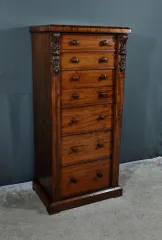
Antiquités Lecomte — Héric
L’ESTAMPILLE — Navilly
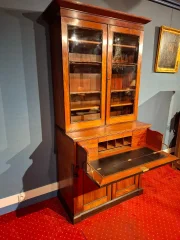
ANTIQUITES VANGEON — Chartres
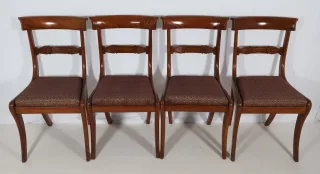
Galerie Lauretta — Mandelieu-la-Napoule

Antiquités Lecomte — Héric
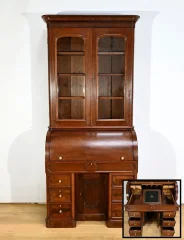
Antiquités Lecomte — Héric
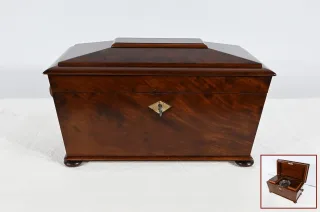
Antiquités Lecomte — Héric

Antiquités Lecomte — Héric
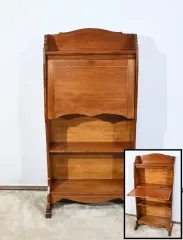
Antiquités Lecomte — Héric
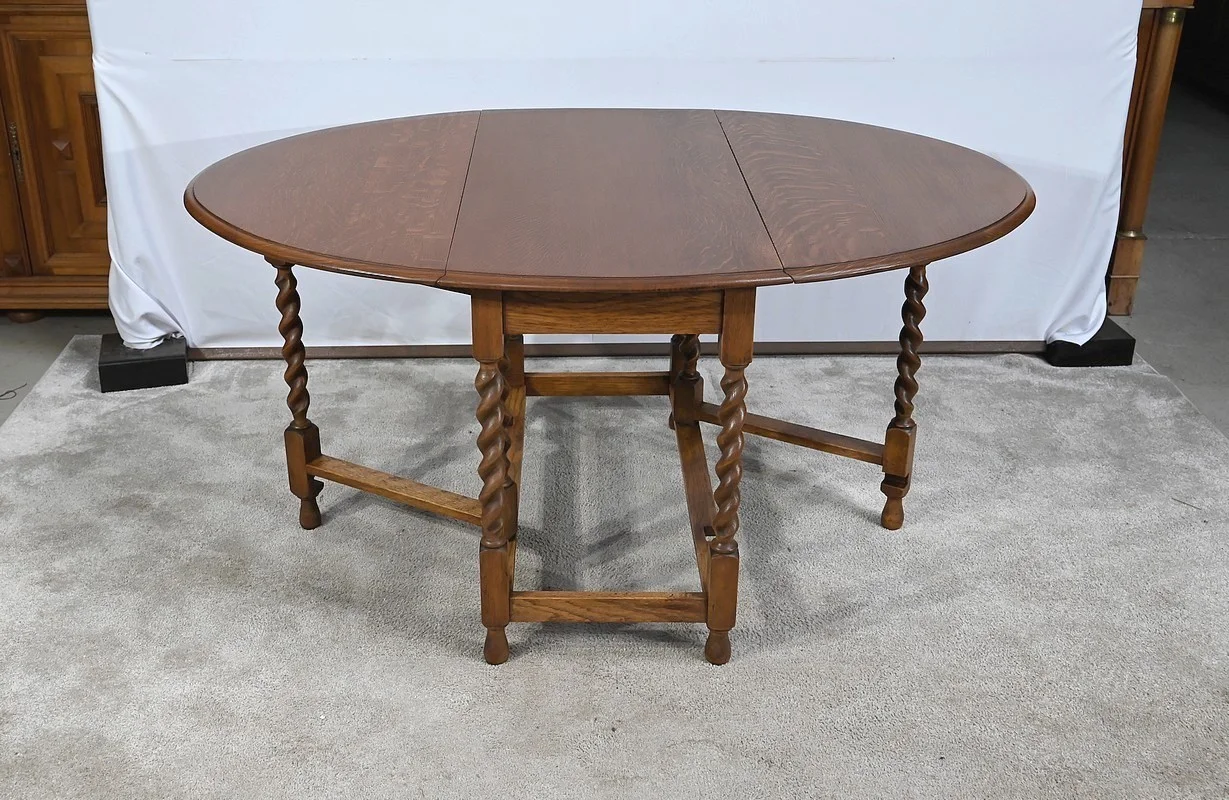
Antiquités Lecomte — Héric
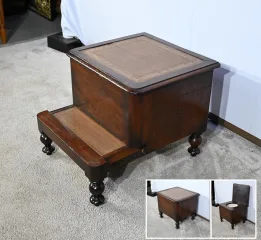
Antiquités Lecomte — Héric
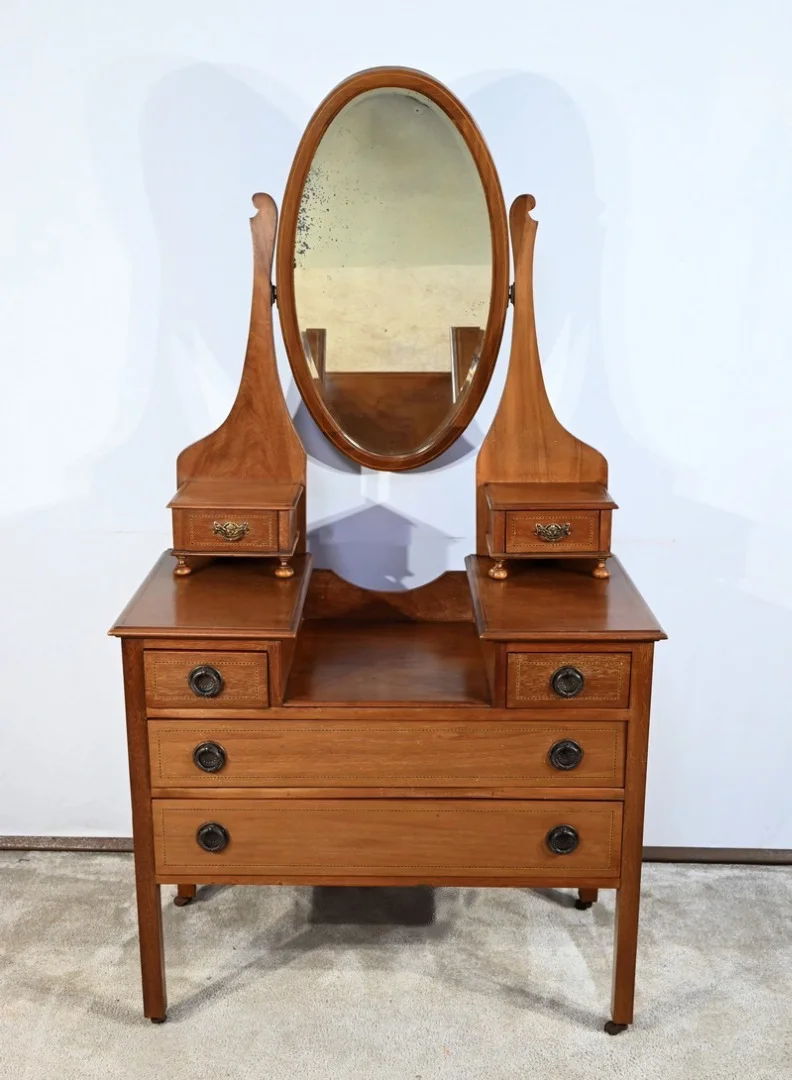
Antiquités Lecomte — Héric
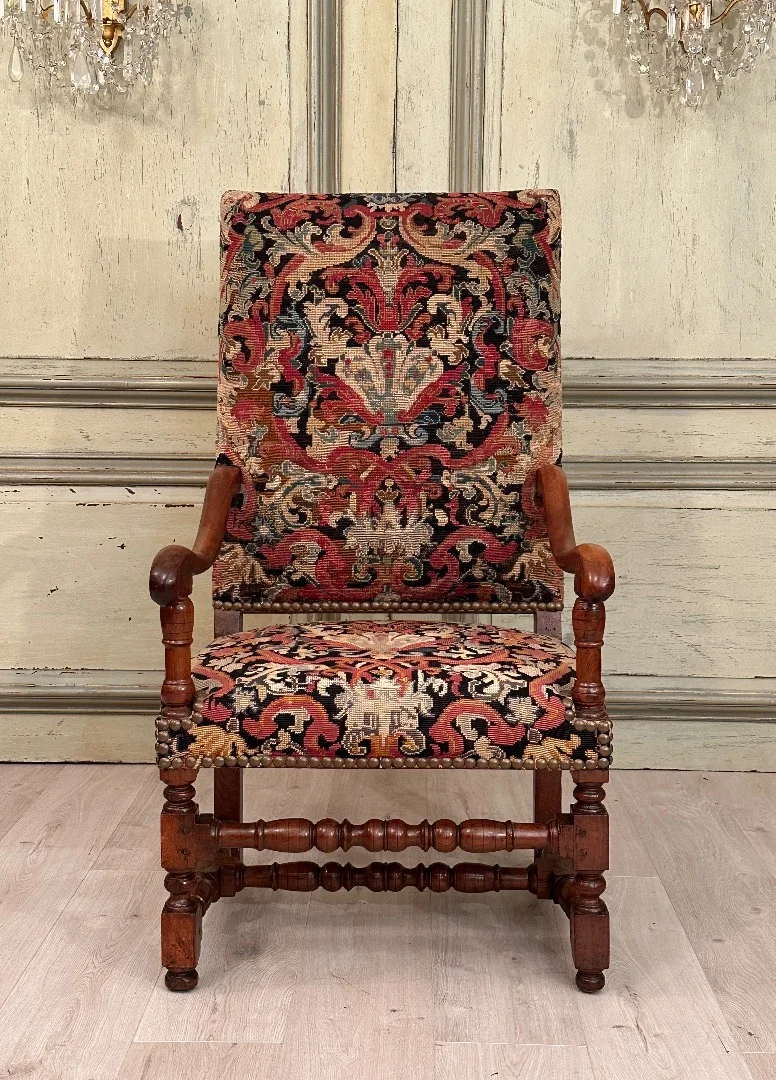
Dantan — Achicourt
Antiquités Lecomte — Héric
Galerie Lauretta — Mandelieu-la-Napoule
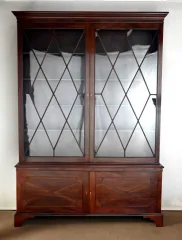
Antiquités Lecomte — Héric

Antiquités Lecomte — Héric

L’ESTAMPILLE — Navilly
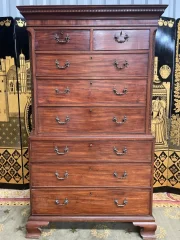
L’ESTAMPILLE — Navilly
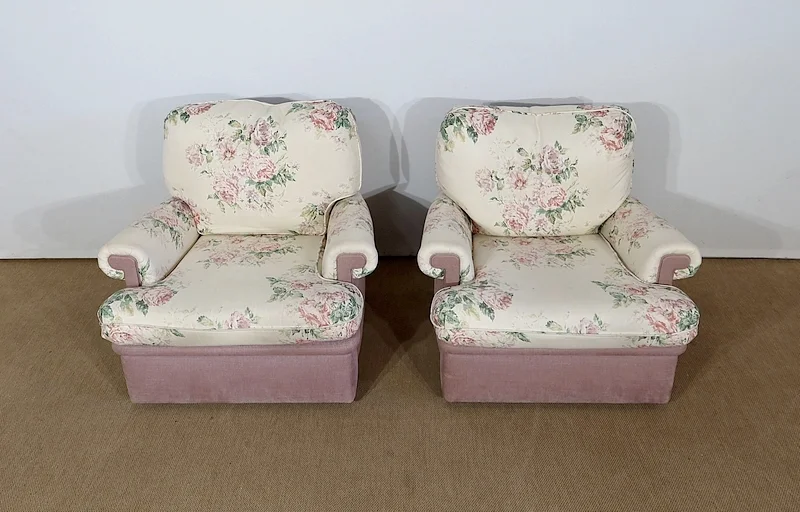
Antiquités Lecomte — Héric
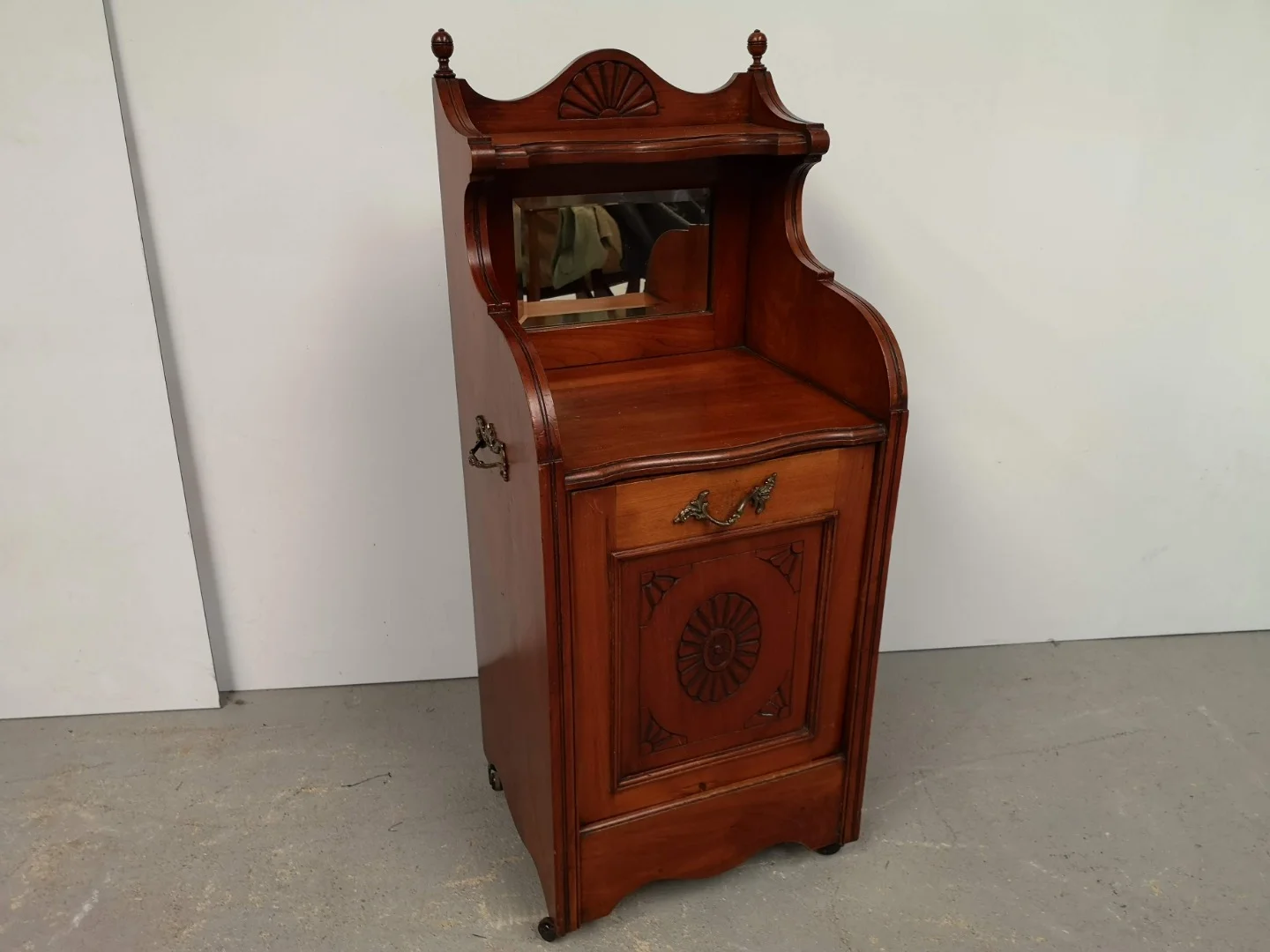
helen antiquités — Guécélard
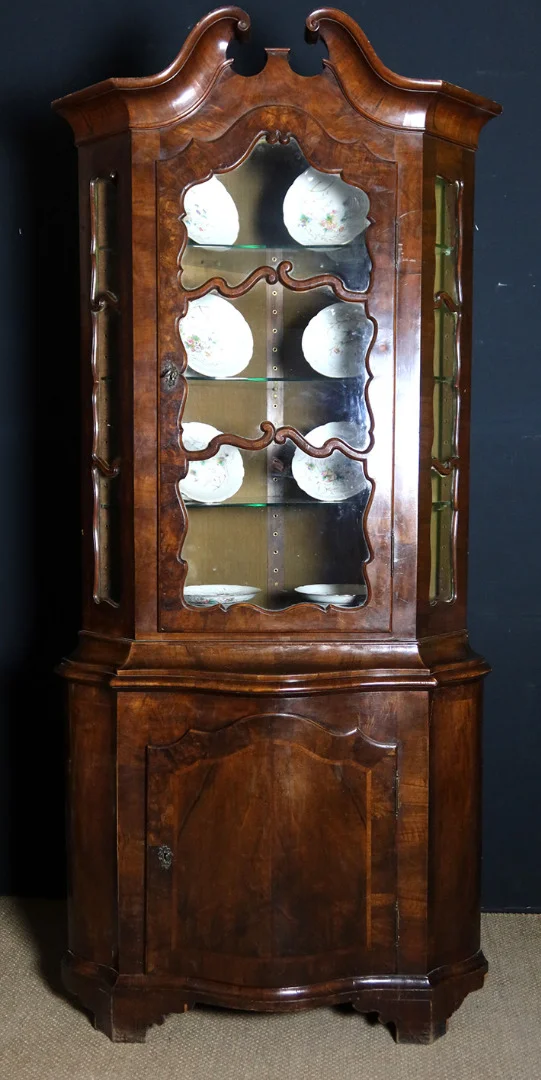
Philippe Cote Antiquites — Chauffailles
Antiquités Lecomte — Héric
Authenticating a genuine piece of antique English furniture comes down to a handful of reliable indicators. Start by examining the secondary timbers — the inside of drawers, the back boards and the underside of the carcass. Hand-sawn oak or Cuban mahogany with a warm, golden patina, combined with slightly irregular hand-cut dovetails on the drawer corners, points firmly to pre-industrial manufacture. Original cast-brass hardware — bail handles, escutcheons and cock-beading — differs markedly from modern reproductions in weight and finish.
Georgian furniture (1714–1830) remains the most sought-after category among collectors. Bureau bookcases, serpentine-front commodes and card tables in solid mahogany regularly command strong prices at auction and in specialist dealerships. The Victorian period (1837–1901) offers a more accessible entry point, with antique English wardrobes in carved walnut or oak, balloon-back chairs and substantial dining sideboards that combine quality with everyday practicality.
In terms of budget, a Victorian side chair or occasional table in good condition can be found from around £200–£500. A quality Georgian mahogany chest typically ranges from £1,500 to £5,000, while a signed Regency secretaire or a breakfront library bookcase may exceed £8,000. Always assess the consistency of any restoration work: a replaced top, substituted feet or a modern lock can noticeably reduce value. A documented provenance — an old receipt, a London dealer's label on the back — adds meaningful reassurance and supports the asking price.
Every piece listed on Antiquités en France is offered by a verified professional dealer who can supply detailed photographs, exact dimensions and care advice. Do not hesitate to contact the seller directly to request an authenticity certificate or further provenance information. You may also wish to explore our selection of antique English dining tables to build a coherent period interior.