
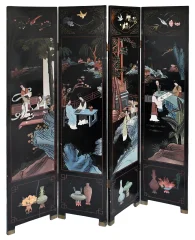
Four-panel Coromandel lacquered wood screen
Espaces et Formes — Paris XVIII Arrdt
1 450,00 €
Good condition
8 objects found
Antique Asian cabinets — whether a Chinese red-and-gold lacquered armoire, a Japanese tansu chest in elm, or a Korean paulownia-wood cabinet — embody centuries of craftsmanship that balances practicality with extraordinary decorative refinement. Chiselled brass fittings, carved panels and deep, luminous lacquerwork make these pieces highly sought after by collectors and lovers of eclectic interiors alike.
These Asian lacquer furniture pieces integrate beautifully into both contemporary and classical settings, lending an authentic exotic character to any room. Browse our full selection of Asian antique furniture to widen your search.
8 objects found
Espaces et Formes — Paris XVIII Arrdt

L'atelier De La Dorure — Calmont
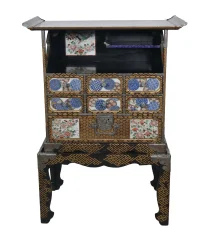
Galerie Lauretta — Mandelieu-la-Napoule
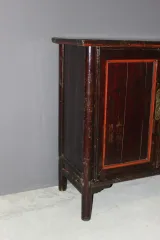
Antiquités Christophe Rochet — Villeurbanne
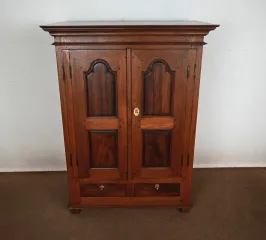
Antiquités Lecomte — Héric
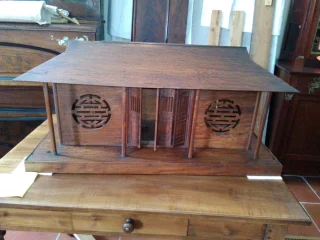
La légende des siècles — Chaillé-les-Marais
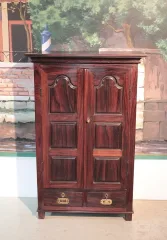
Antiquités Lecomte — Héric
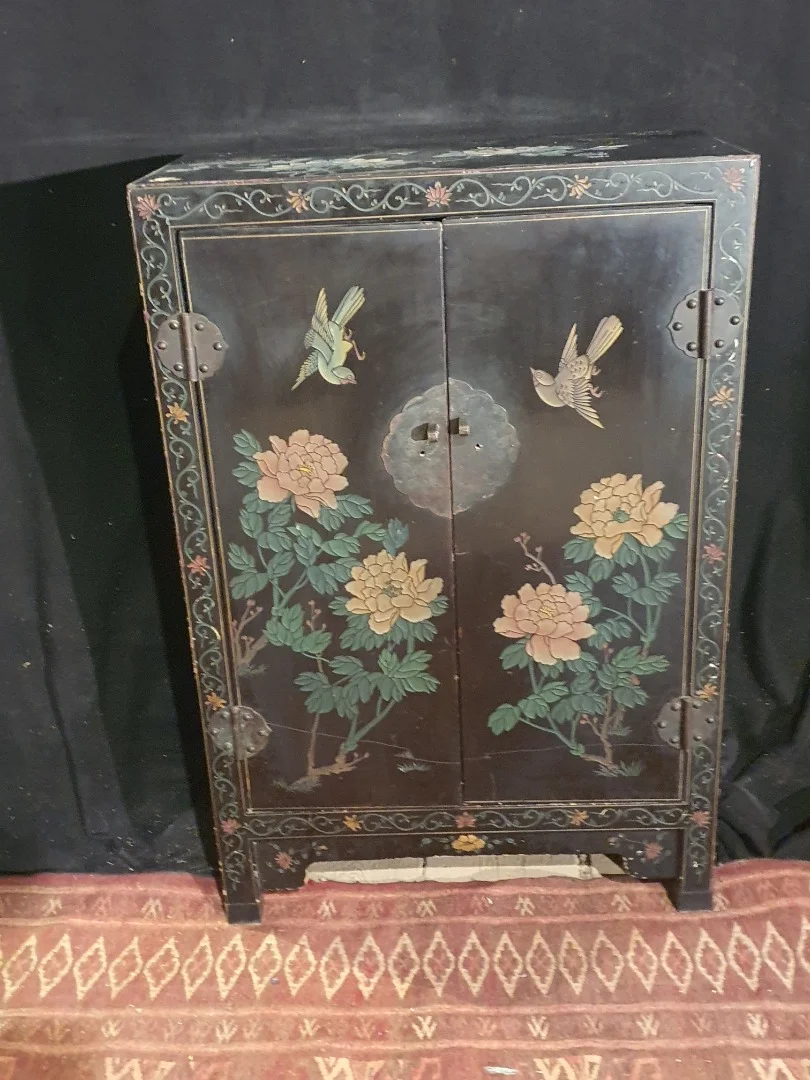
galerie Frank Maurel — Montescot
Authenticating an antique Asian cabinet begins with a close look at the lacquer. A genuine period finish displays a deep, slightly translucent patina with natural, irregular crazing — quite unlike the uniform crackle of modern reproductions. On Chinese cabinets, painted motifs such as dragons, phoenixes and mountain landscapes are executed with a precision and delicacy that later copies rarely match. Chinese lacquered cabinets from the Ming and Qing dynasties (16th–19th century) remain the most prized, and their forged brass fittings — often decorated with auspicious symbols such as bats, peonies or good-luck characters — are a reliable marker of age and quality.
Japanese tansu, produced during the Edo and Meiji periods, appeal through their modular construction and blackened wrought-iron hardware. Made in elm, cryptomeria or paulownia, a well-preserved tansu is a masterclass in functional joinery. Korean antique cabinets in paulownia or pine, spare and quietly elegant, are gaining steadily in popularity among European collectors and represent excellent value at present.
Budget expectations vary widely: allow a few hundred pounds for a regional piece in honest condition, rising to several thousand for an imperial-quality Chinese armoire or a signed workshop tansu. Always assess the consistency of any restorations, the integrity of the lacquer panels and whether the original fittings are intact. A documented provenance — an old invoice, gallery label or specialist appraisal — adds meaningfully to value and peace of mind.
On Antiquités en France, every antique Asian cabinet is listed by a verified professional dealer who can supply detailed photographs, precise dimensions and care advice before purchase. You may also wish to explore antique Asian chests of drawers to complete a room scheme. Contact the dealer directly with any questions about provenance, condition or shipping — they are there to help.