
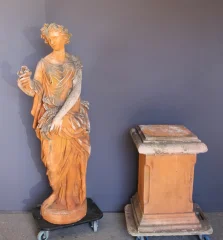
Large Garden Statue on Pedestal, 240 cm, 20th century
Antiquités Christophe Rochet — Villeurbanne
1 800,00 €
Very good condition
132 objects found
Antique architectural elements — stone columns, carved capitals, wrought-iron grilles, sculpted lintels, pilasters and console brackets — carry the craftsmanship of past centuries and bring unmatched character to restoration projects and contemporary interiors alike. From the 16th to the early 20th century, each period produced its own formal language: the disciplined geometry of antique stone columns and capitals, the exuberant relief of Baroque cartouches, the restrained elegance of Neoclassical friezes.
Whether you are restoring a historic property or introducing authentic period detail into a modern space, these salvaged pieces offer a depth of character no reproduction can match. Browse our related selection of antique wood panelling to complete your project.
132 objects found
Antiquités Christophe Rochet — Villeurbanne
Maison Schoumer — Beaune
Antiquités Christophe Rochet — Villeurbanne
Antiques Provence — Cheval-Blanc
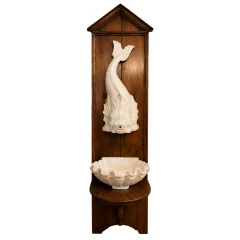
Les Trésors d'avril 71. — Saint-Bonnet-de-Vieille-Vigne
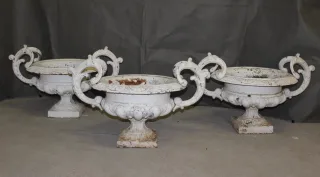
Antiquités Christophe Rochet — Villeurbanne
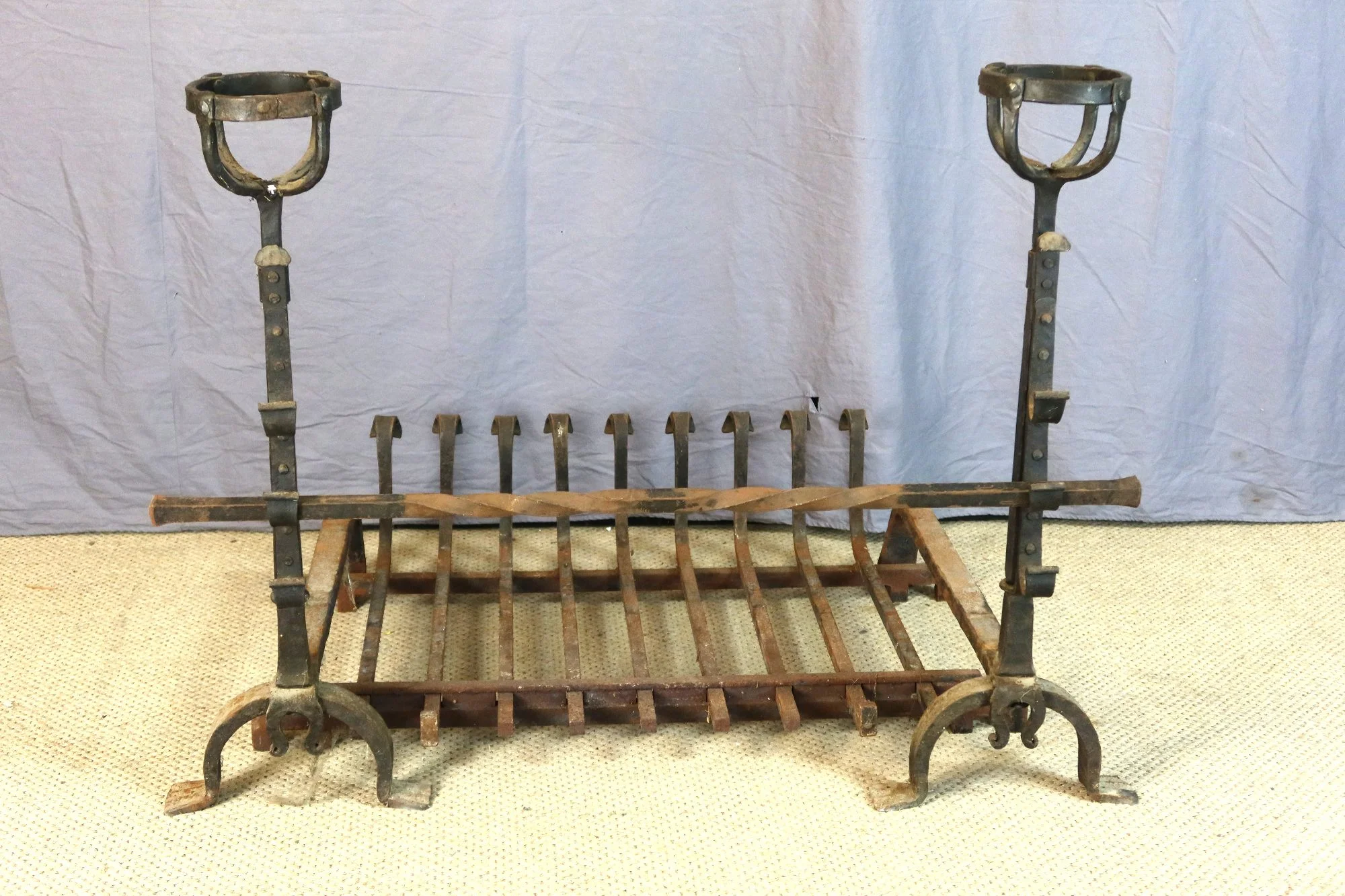
Philippe Cote Antiquites — Chauffailles

Romain Lichtensztein — Maignelay-Montigny
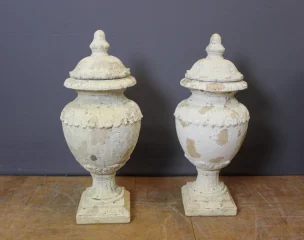
Antiquités Christophe Rochet — Villeurbanne
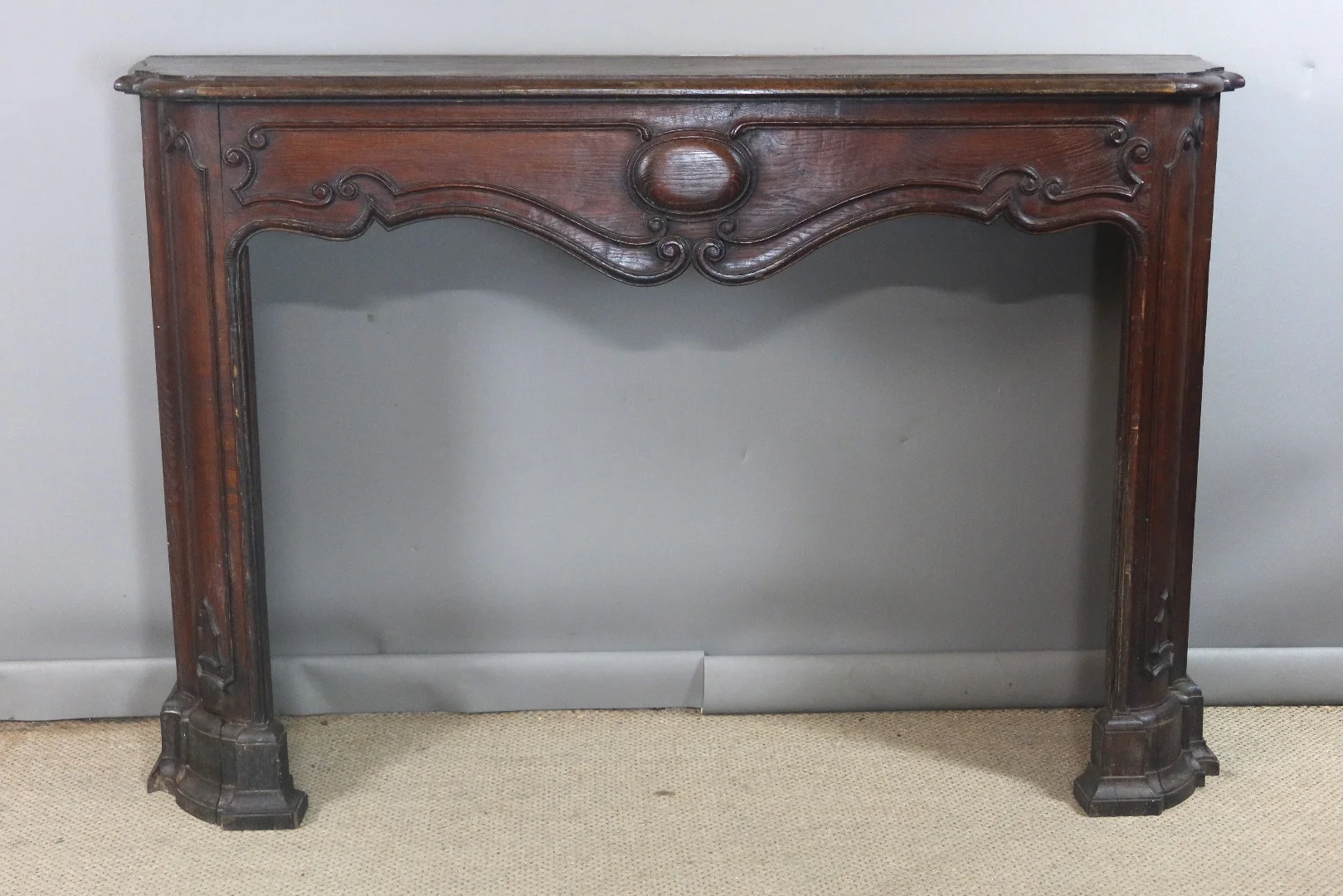
Philippe Cote Antiquites — Chauffailles
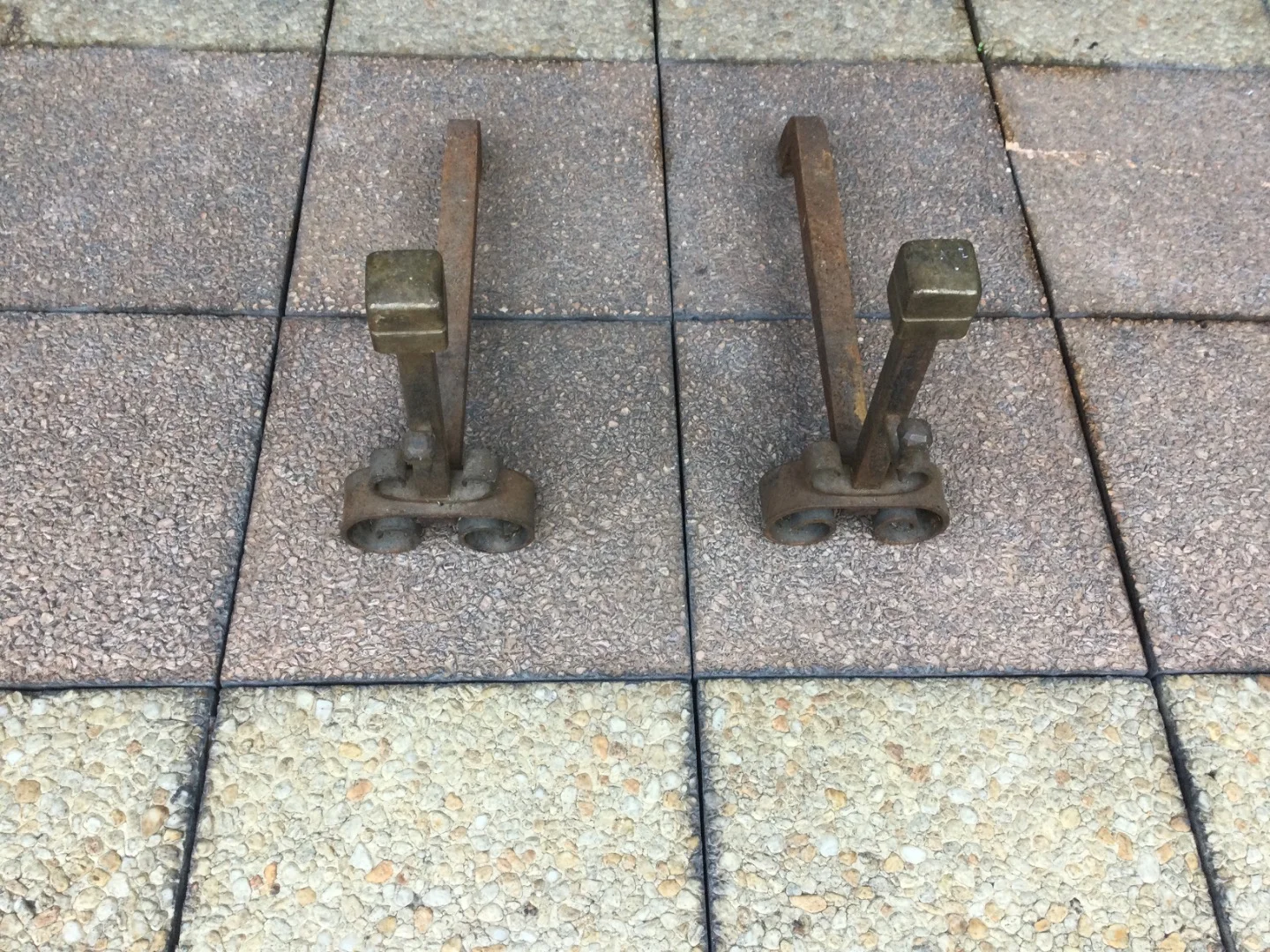
Eric Saget — Paris
Antiquites d'Augers en Brie — Augers-en-Brie
jean-pierre PERNOD — Bourg-en-Bresse
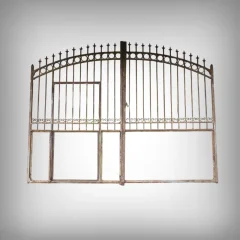
Antiquités Lecomte — Héric
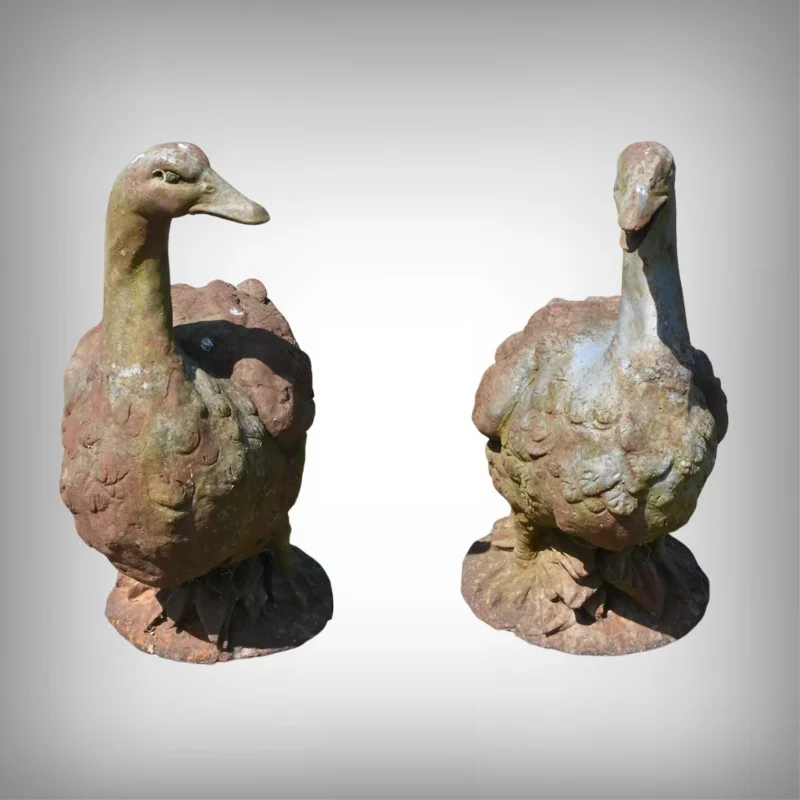
Antiquités Lecomte — Héric
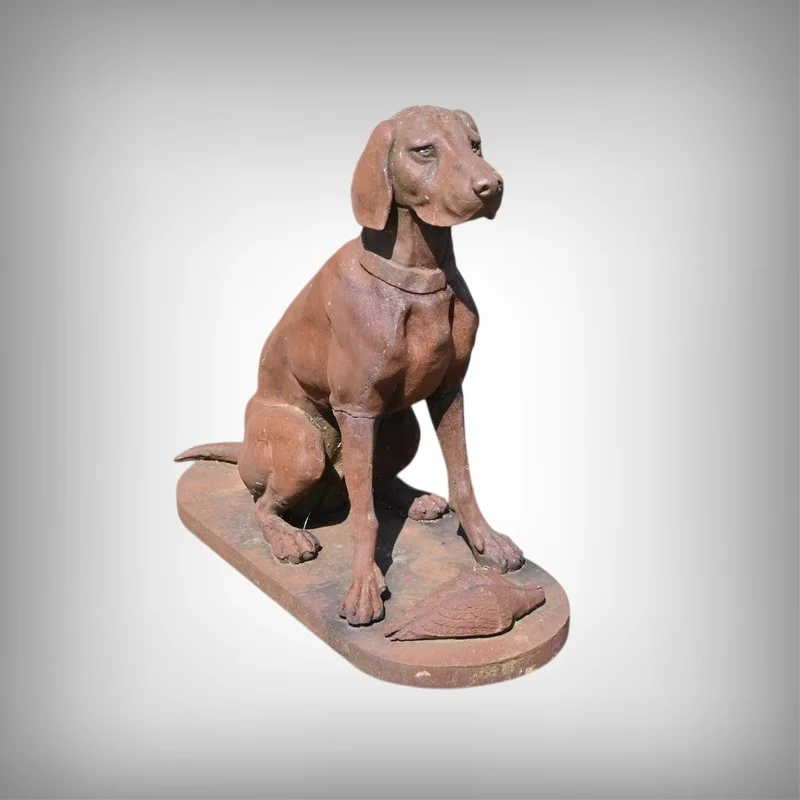
Antiquités Lecomte — Héric
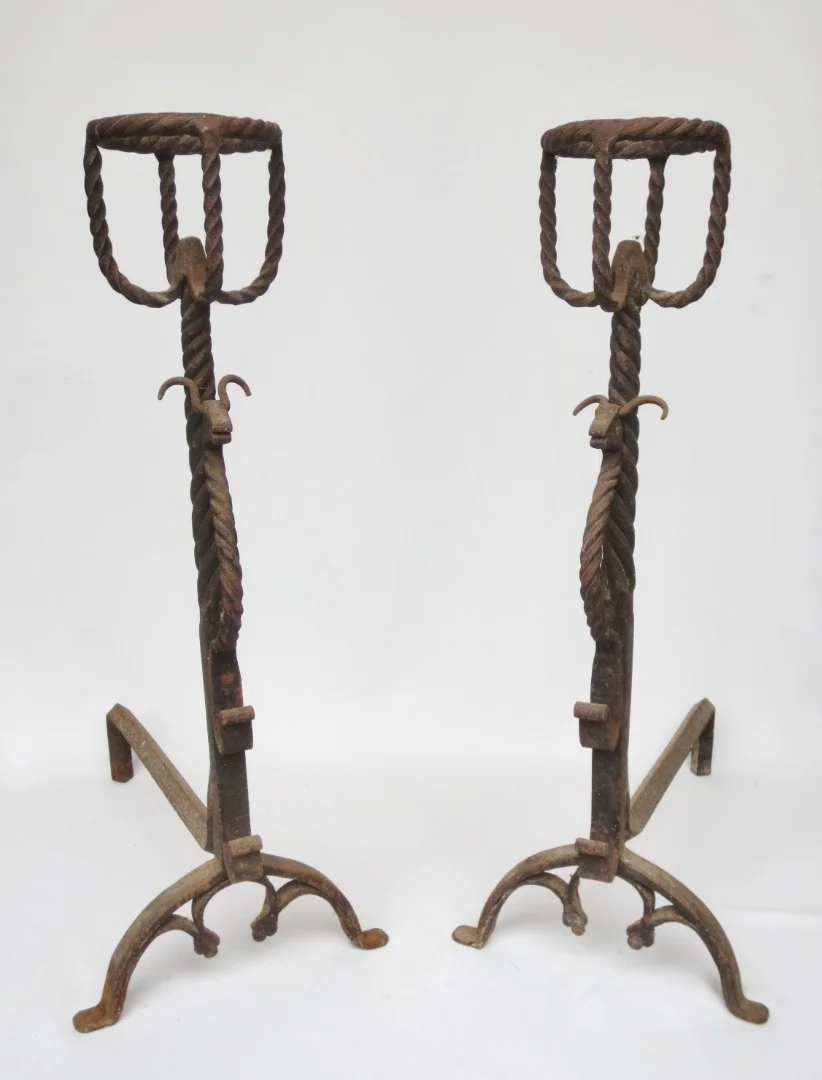
Anne Besnard — Saint-Ouen
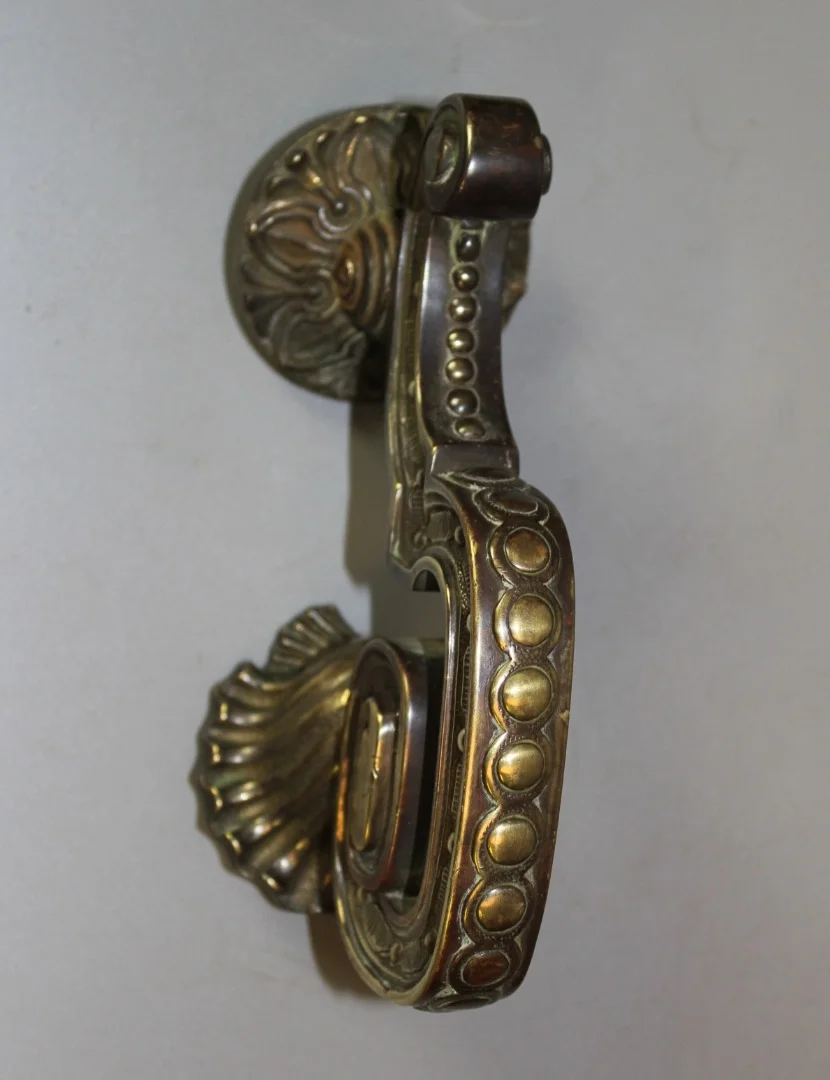
Antiquités Christophe Rochet — Villeurbanne

Anne Besnard — Saint-Ouen
L'atelier De La Dorure — Calmont
Philippe Cote Antiquites — Chauffailles
Antiquités Lecomte — Héric

L’ESTAMPILLE — Navilly
L’ESTAMPILLE — Navilly
Authenticating an antique architectural element means reading several layers of evidence. Examine the material itself — limestone, sandstone, marble, cast iron or hand-forged wrought iron — and look for the natural ageing that only decades of exposure produce. Hand-carved stone surfaces show the slight irregularities left by a chisel or gradine that no industrial process can replicate; hand-forged ironwork reveals subtly variable cross-sections, whereas cast pieces remain perfectly uniform throughout. Stylistic coherence is equally telling: a genuine Corinthian capital will follow the proportional canon of its period, not a simplified modern approximation.
Prices vary widely with material, scale and rarity. Expect to pay a few hundred pounds for a modest cast-iron or terracotta fragment, rising to several thousand for a matched pair of antique marble columns or a signed wrought-iron gate. Always check the condition of arrises and moulding edges, look for structural cracks rather than superficial surface weathering, and confirm that multi-part elements — base, shaft and capital — are genuinely matched rather than assembled from different sources.
Documented provenance adds measurable value and peace of mind: original photographs, sale records or a traceable building reference all strengthen authenticity. Explore adjacent categories to build a coherent scheme — antique fireplaces, period doors and door surrounds, and antique staircases pair naturally with architectural salvage in any serious restoration.
Every piece listed on Antiquités en France is offered by a verified professional dealer who can supply high-resolution photographs, precise dimensions and integration advice. Browse the selection and contact your chosen dealer directly to bring your architectural project to life.