
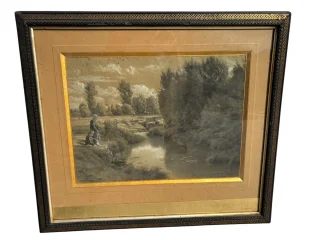
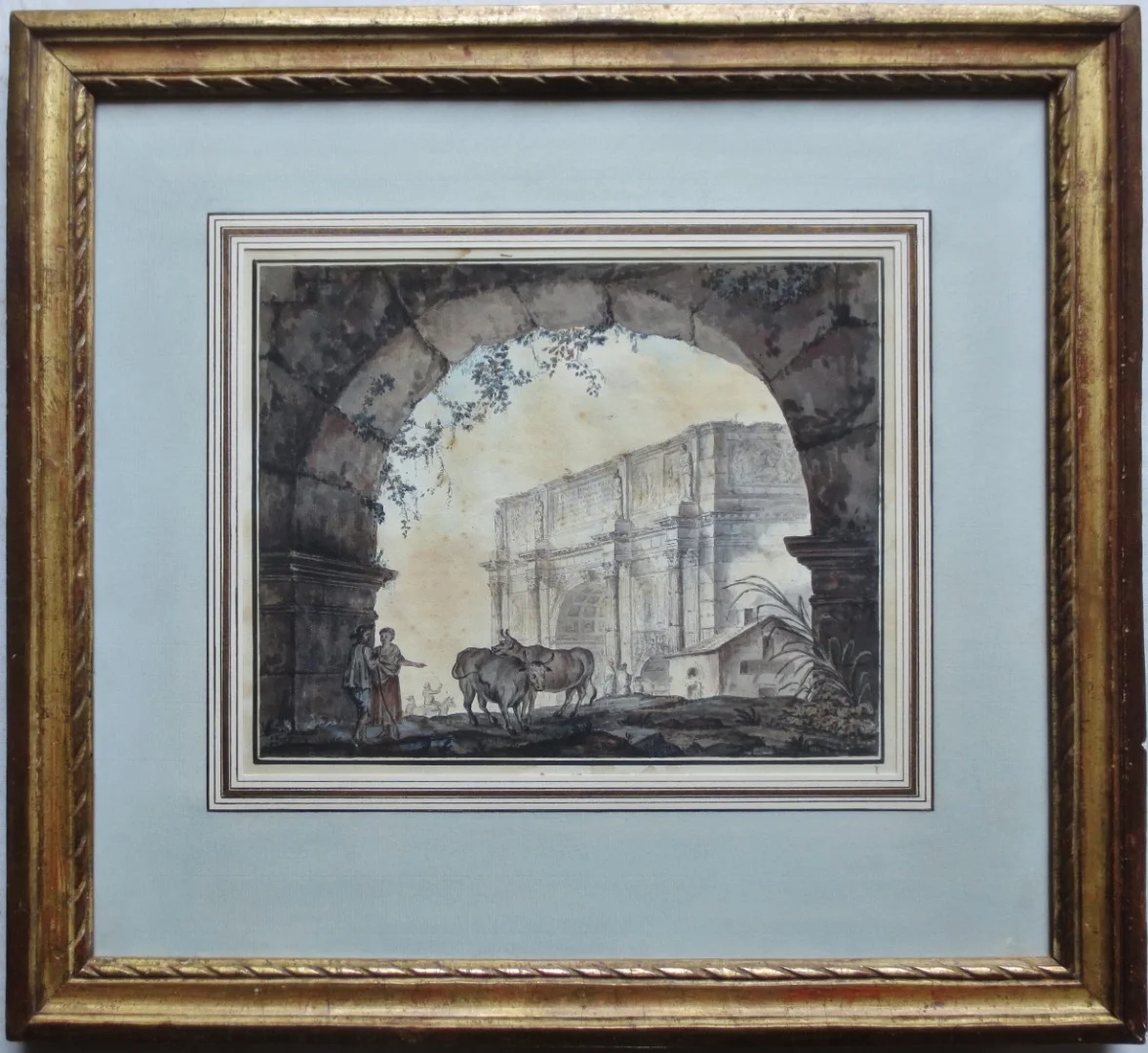
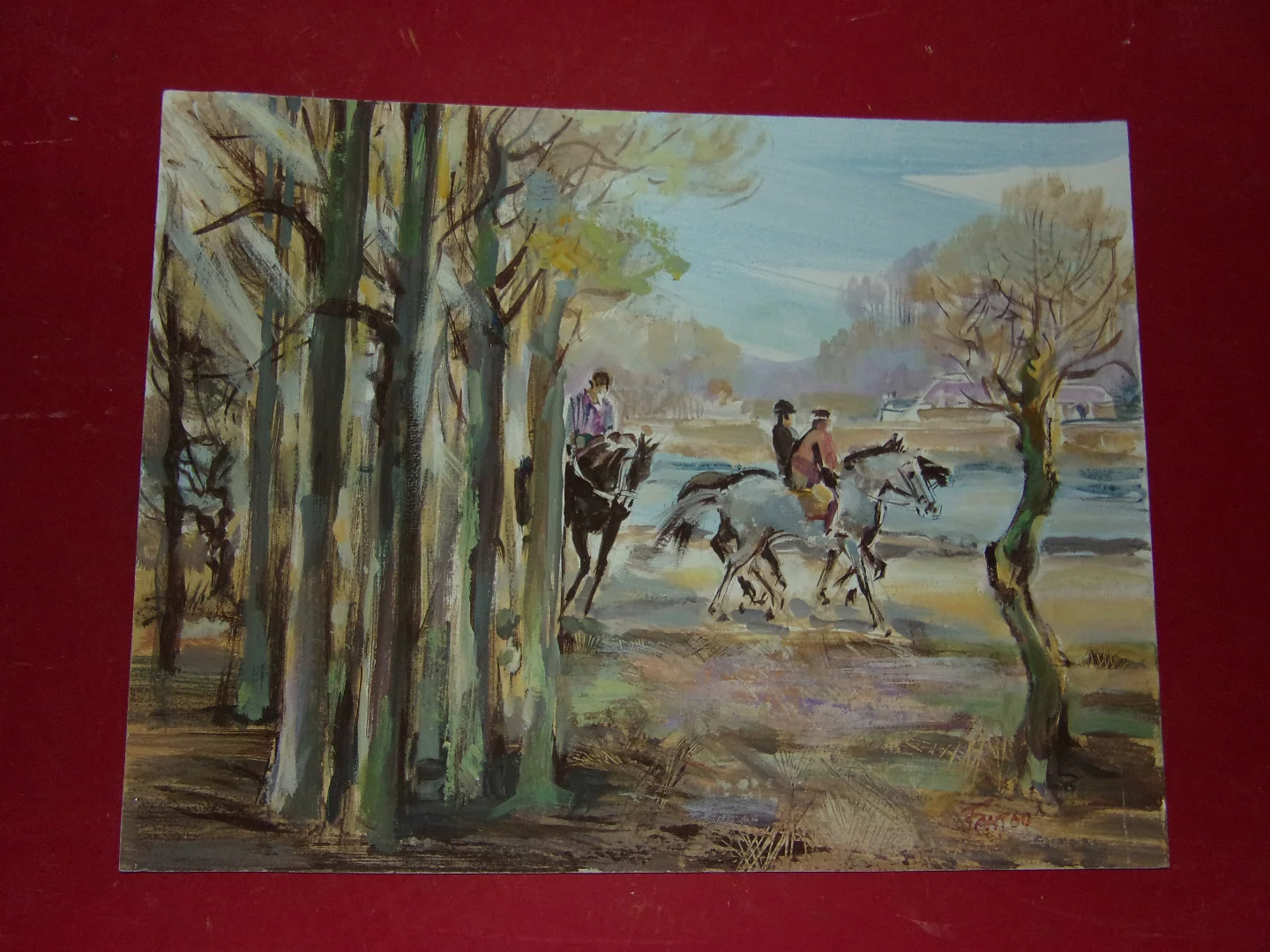
Drawing by Émile François Michel, figures by the water
Maison Schoumer — Beaune
500,00 €
Good condition
62 objects found
The antique drawing is one of the most direct and intimate forms of artistic expression in the history of art: a sheet of laid paper, a few strokes of pen and ink, red chalk or black chalk, and the artist's entire thought process is laid bare. From preparatory sketches to fully resolved compositions, original drawings from the 16th to the 19th century capture the creative gesture in its most unguarded form. They are recognised by the quality of the support — laid paper, blue paper, vellum — the confidence of the line, and often by the presence of a collector's mark or a manuscript annotation on the verso. They differ from watercolours and gouaches in their absence of flat colour, though wash and white heightening frequently enrich the composition.
62 objects found
Maison Schoumer — Beaune
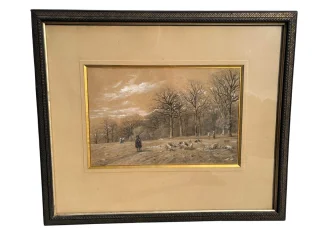
Maison Schoumer — Beaune
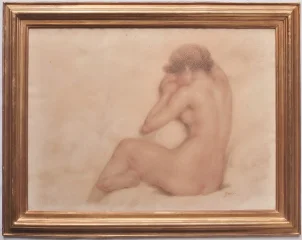
Anne Besnard — Saint-Ouen
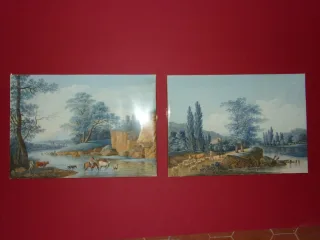
Sarl Cave — Limoges
Anne Besnard — Saint-Ouen
Sarl Cave — Limoges
Sarl Cave — Limoges
Sarl Cave — Limoges

Sarl Cave — Limoges
Sarl Cave — Limoges
Sarl Cave — Limoges
Sarl Cave — Limoges
Ecritoire Antiquites Poidras jean-luc — Vertou
Sarl Cave — Limoges
Philippe Cote Antiquites — Chauffailles
Philippe Cote Antiquites — Chauffailles
Sarl Cave — Limoges
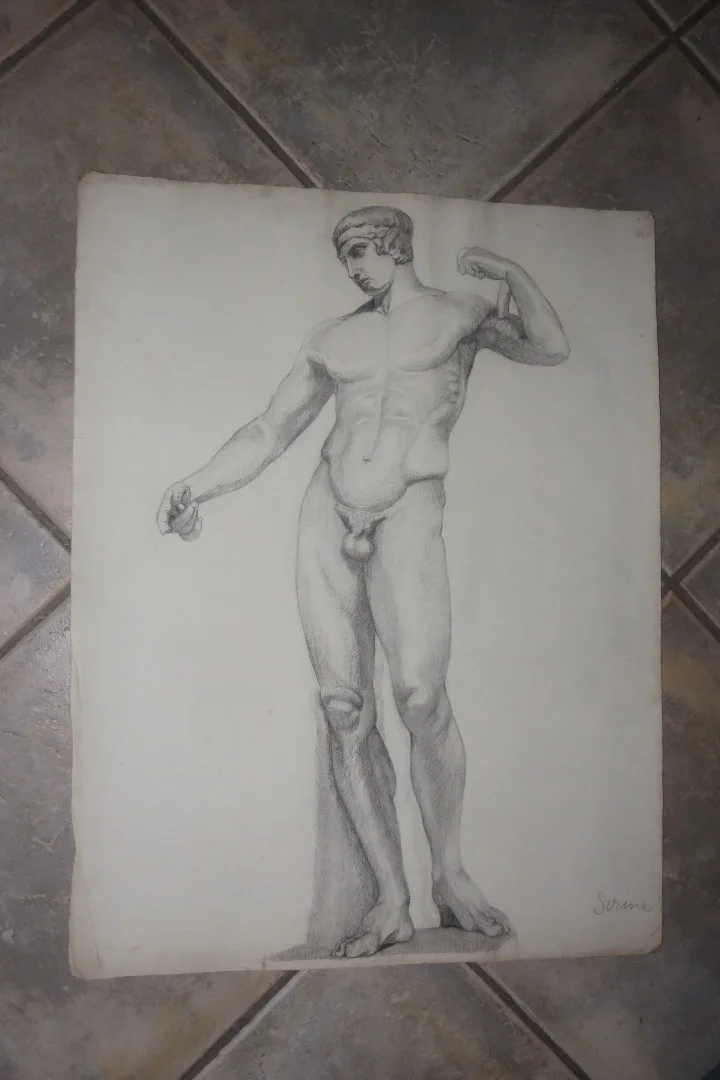
Sarl Cave — Limoges

Sarl Cave — Limoges

Sarl Cave — Limoges
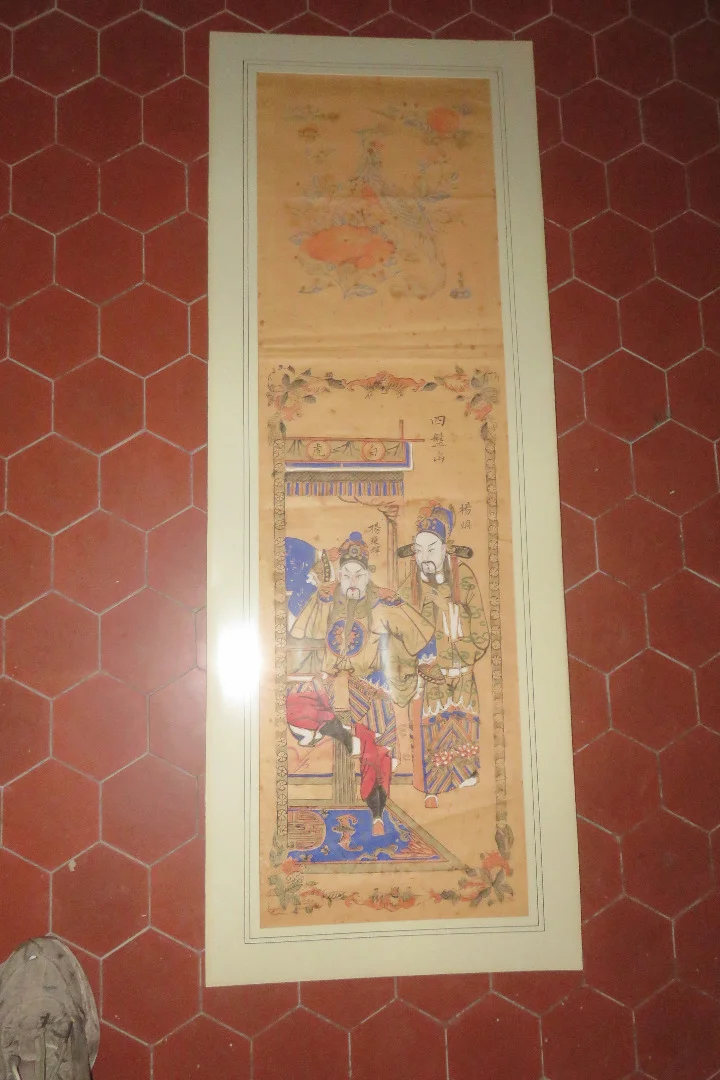
Sarl Cave — Limoges

Ecritoire Antiquites Poidras jean-luc — Vertou
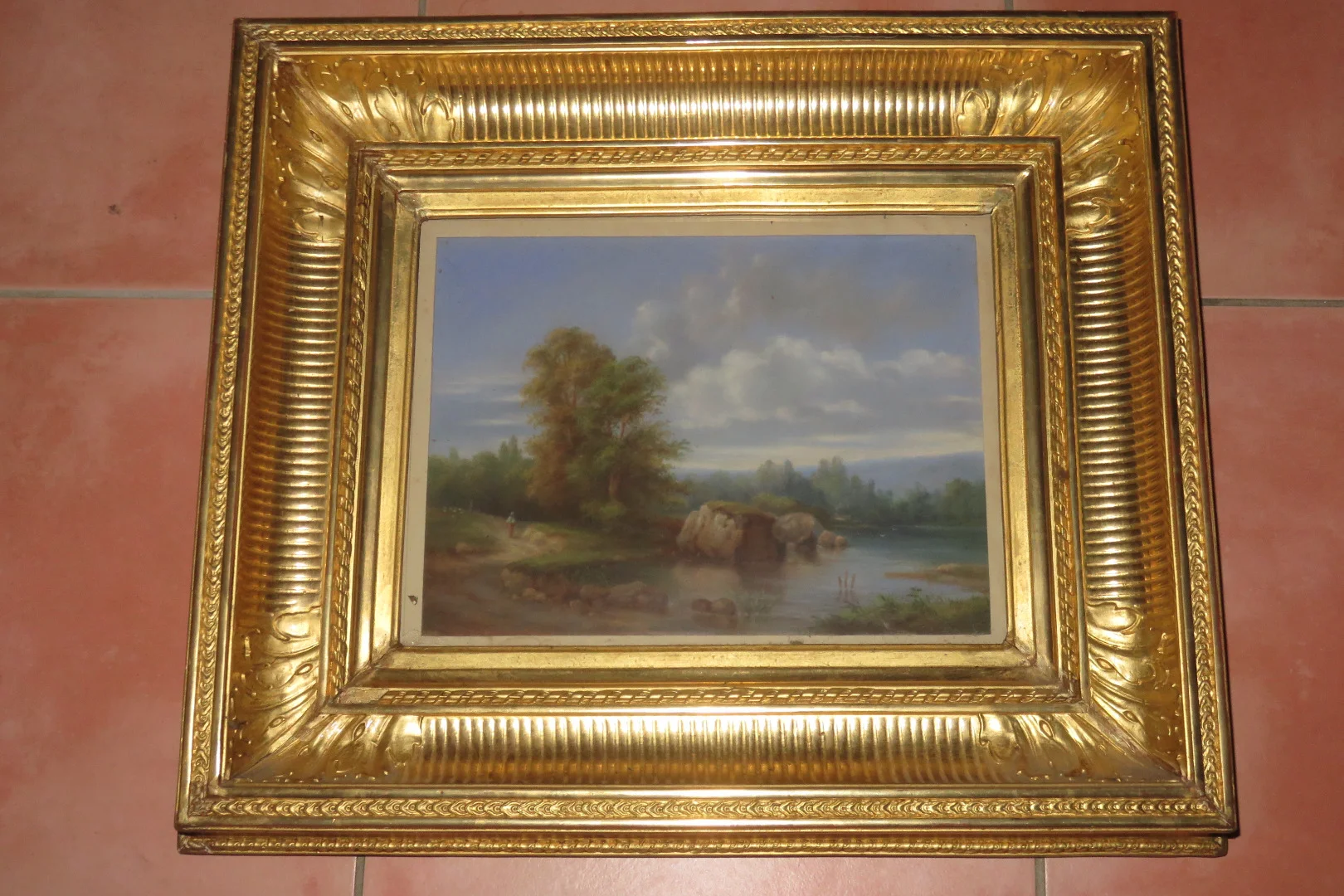
Sarl Cave — Limoges
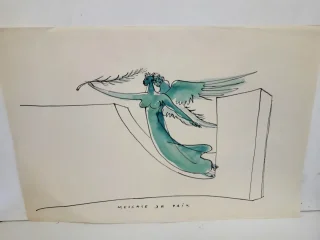
Antiquités "Le Vieux Matos" L.V.M — La Chapelle-Saint-Martin-en-Plaine
To authenticate an antique drawing, begin with the support: laid paper bearing a dated watermark, Neapolitan blue paper or ivory vellum are all reliable indicators of age. Oxidised brown ink, lightly blended red chalk or black chalk with a grey-blue sheen are characteristic of 17th- and 18th-century techniques. Always turn the sheet over: a collector's mark (Lugt number), an inscription in the artist's hand or an old auction stamp substantially increases both the value and the traceability of the work. Be wary of photographic or lithographic reproductions mounted under glass, which can closely mimic the appearance of an original drawing.
In terms of budget, pen and ink drawings by anonymous artists of the French or Italian school can often be acquired for a few hundred to a few thousand pounds, while a sheet attributed to an identified master — Fragonard, Boucher, Hubert Robert — can reach remarkable sums at auction. For a confident purchase, favour pieces accompanied by an expert certificate or documented provenance such as a succession, an old collection or a sale catalogue entry.
Conservation is a critical concern: antique drawings are sensitive to light (UV in particular), humidity and temperature fluctuations. Have your acquisitions framed using conservation-grade materials — buffered card mounts, UV-filtering glass — and avoid any direct exposure to sunlight. A framer specialising in works on paper will give you the best advice. To broaden your collection, explore antique pastels or academic charcoal studies, which share with drawing the same immediacy of gesture and the same intimacy of scale.
On Antiquités en France, every antique drawing is offered by a verified professional dealer able to provide high-resolution photographs of both recto and verso, precise dimensions and full provenance details. Contact the dealer of your choice directly for any additional expertise or to arrange secure specialist shipping.