

BRONZE PANTHER
Au Réveil Du Temps — Saint-Nabord
2 700,00 €
115 objects found
The animalier bronze emerged as one of the most coveted sculptural genres of the 19th century, driven by artists of exceptional talent: Antoine-Louis Barye, Pierre-Jules Mène and Christophe Fratin captured lions, horses, stags and hunting dogs with breathtaking anatomical precision. Cast by lost-wax or sand-casting methods, the finest antique animal bronze sculptures bear a deeply engraved signature and an irreplaceable period patina — the surest mark of authenticity and lasting value.
Leading 19th-century foundries — Barbedienne, Susse Frères and Thiébaut Frères — produced editions of consistently high quality, and their founder's stamps are among the most reassuring details a collector can find. Explore the full range of antique bronzes to discover related figurative and mythological subjects alongside these celebrated animal studies.
115 objects found
Au Réveil Du Temps — Saint-Nabord

Au Réveil Du Temps — Saint-Nabord
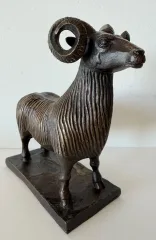
2R Antiquites — Caluire-et-Cuire
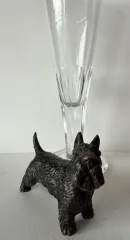
2R Antiquites — Caluire-et-Cuire
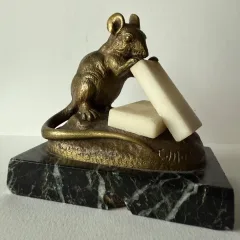
2R Antiquites — Caluire-et-Cuire
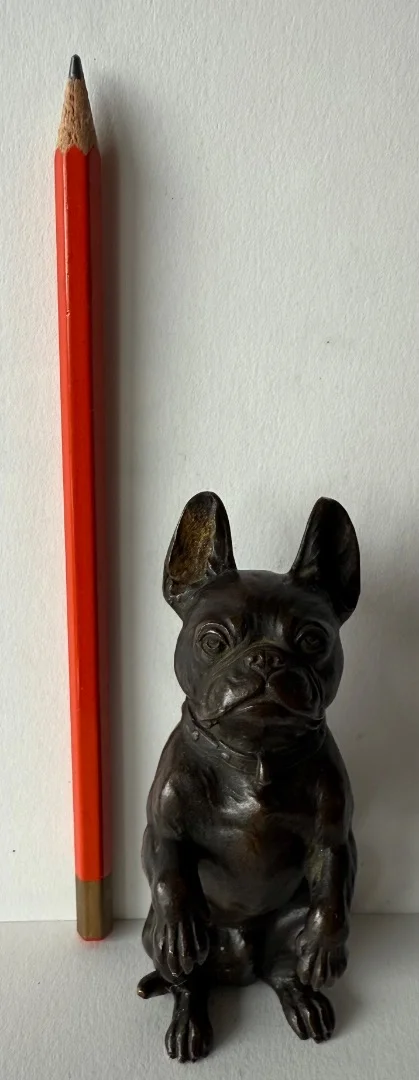
2R Antiquites — Caluire-et-Cuire
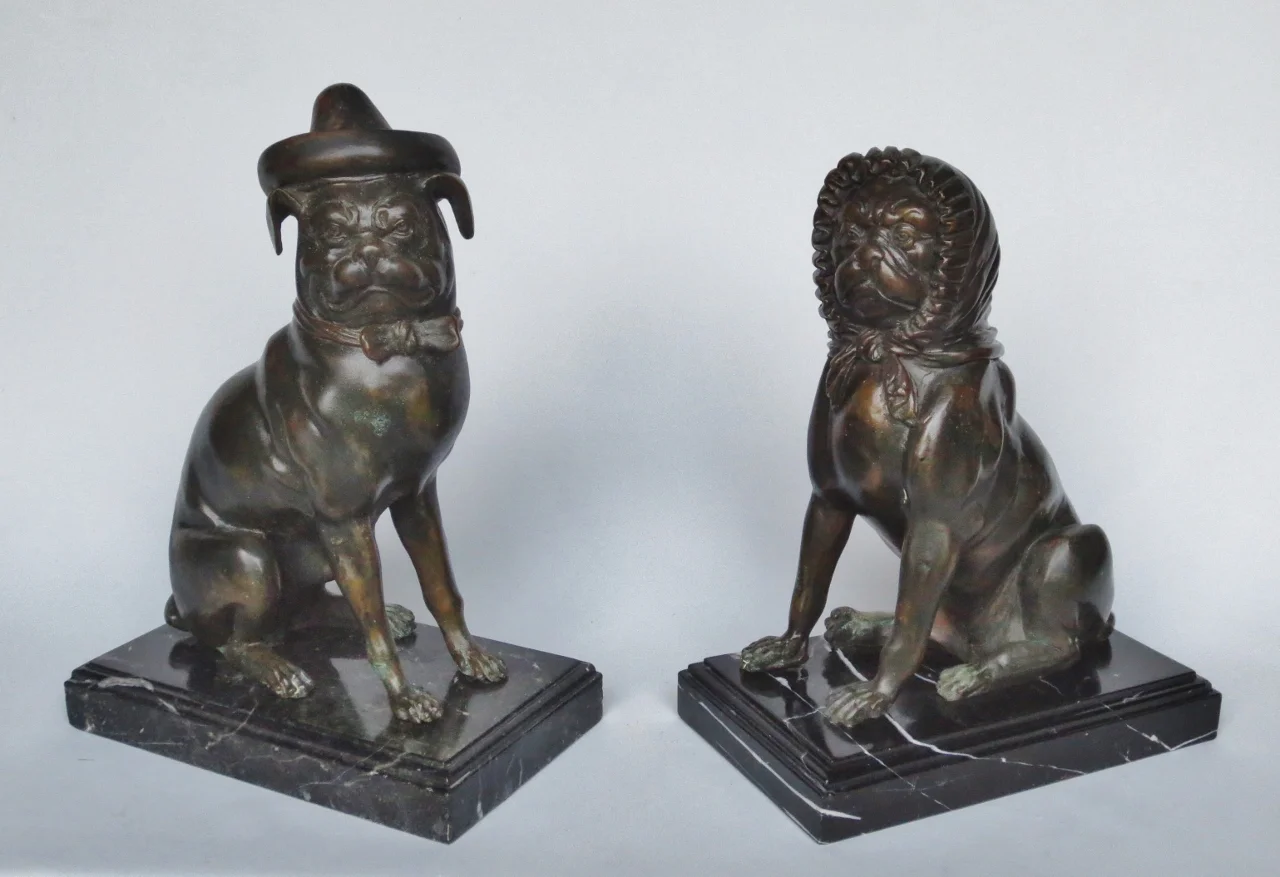
Anne Besnard — Saint-Ouen
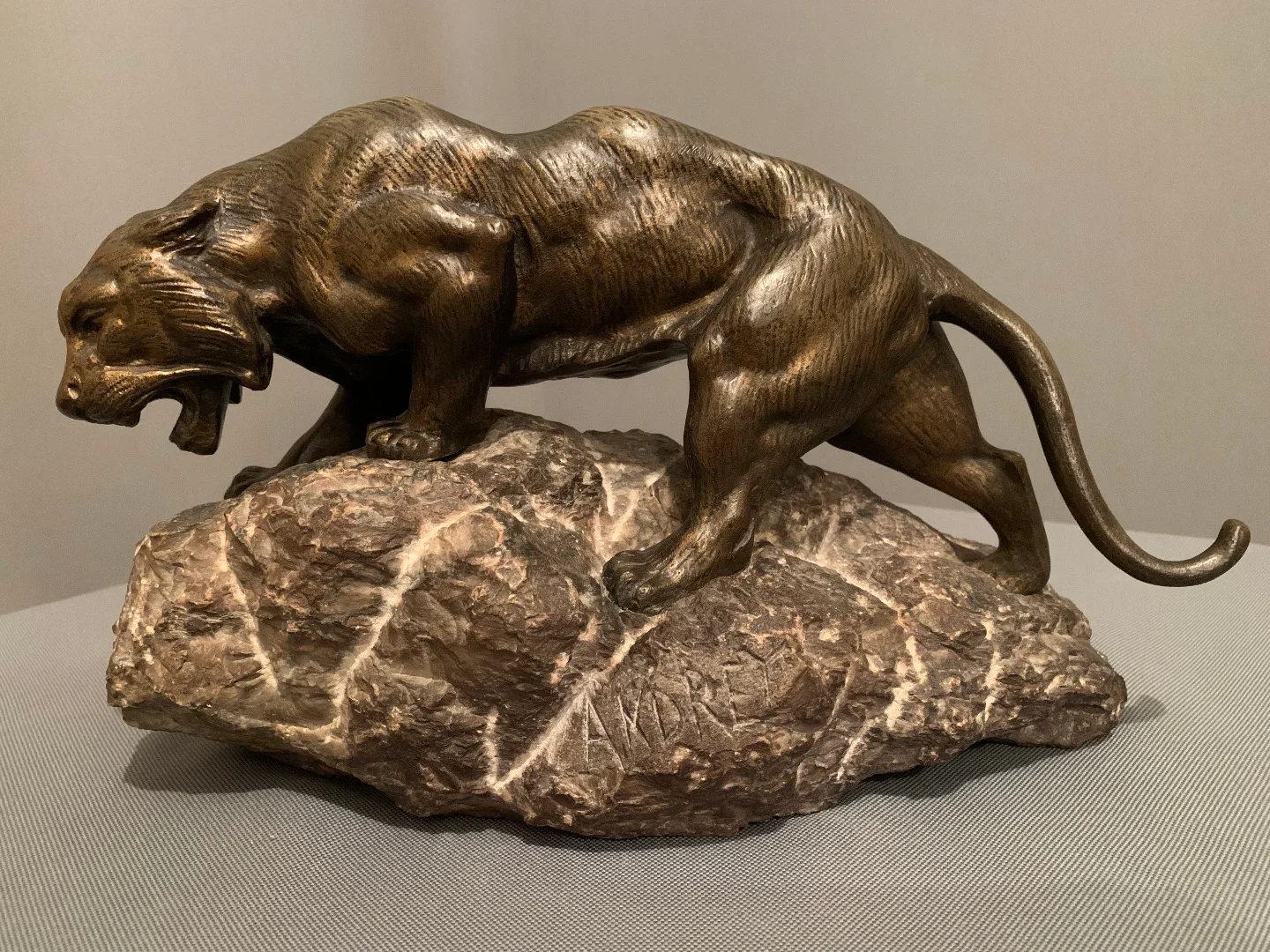
LE SOLEIL ROUGE — Lyon 7e Arrdt
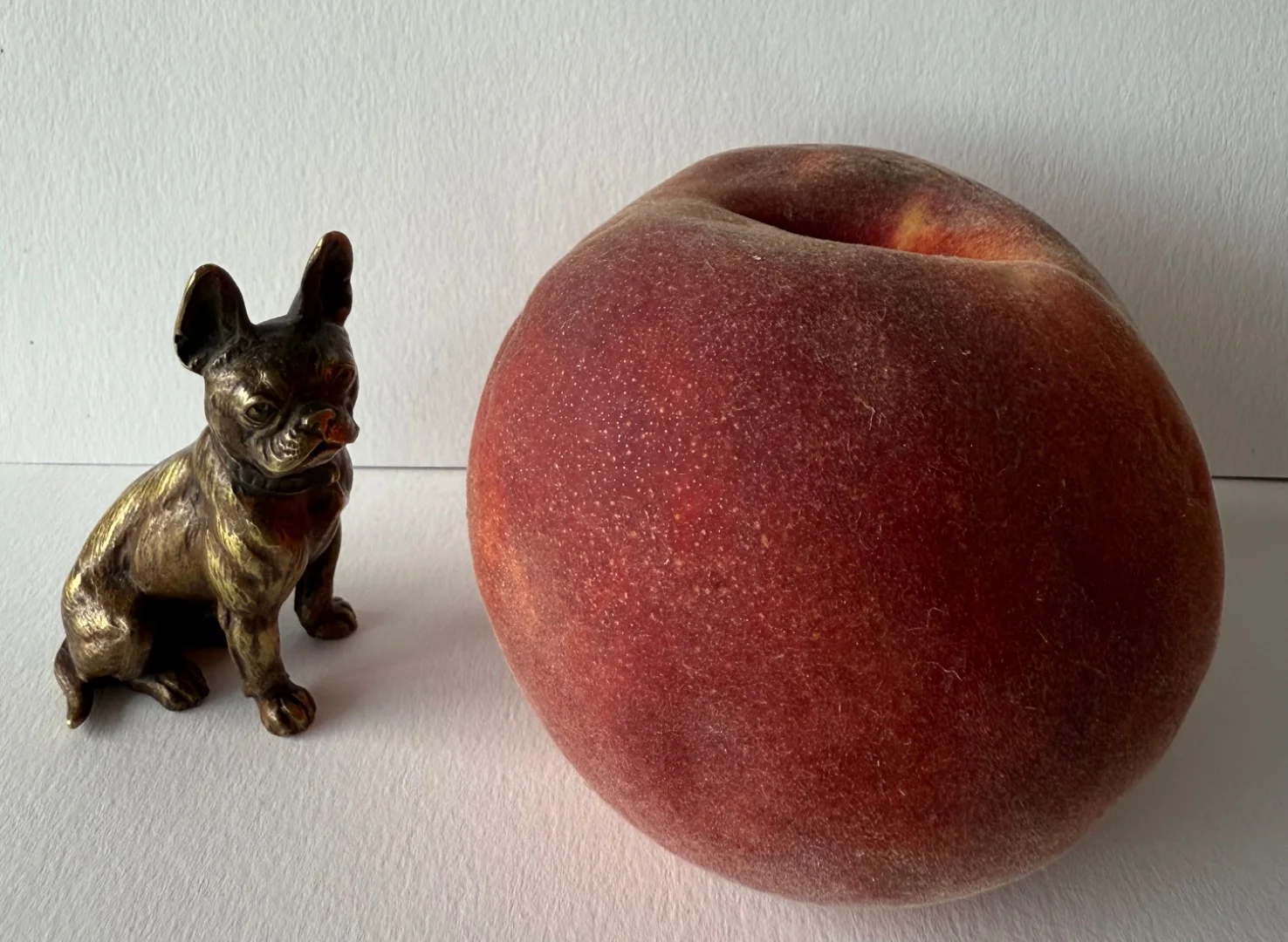
2R Antiquites — Caluire-et-Cuire

Antiquités Lyonnaises — Villeurbanne
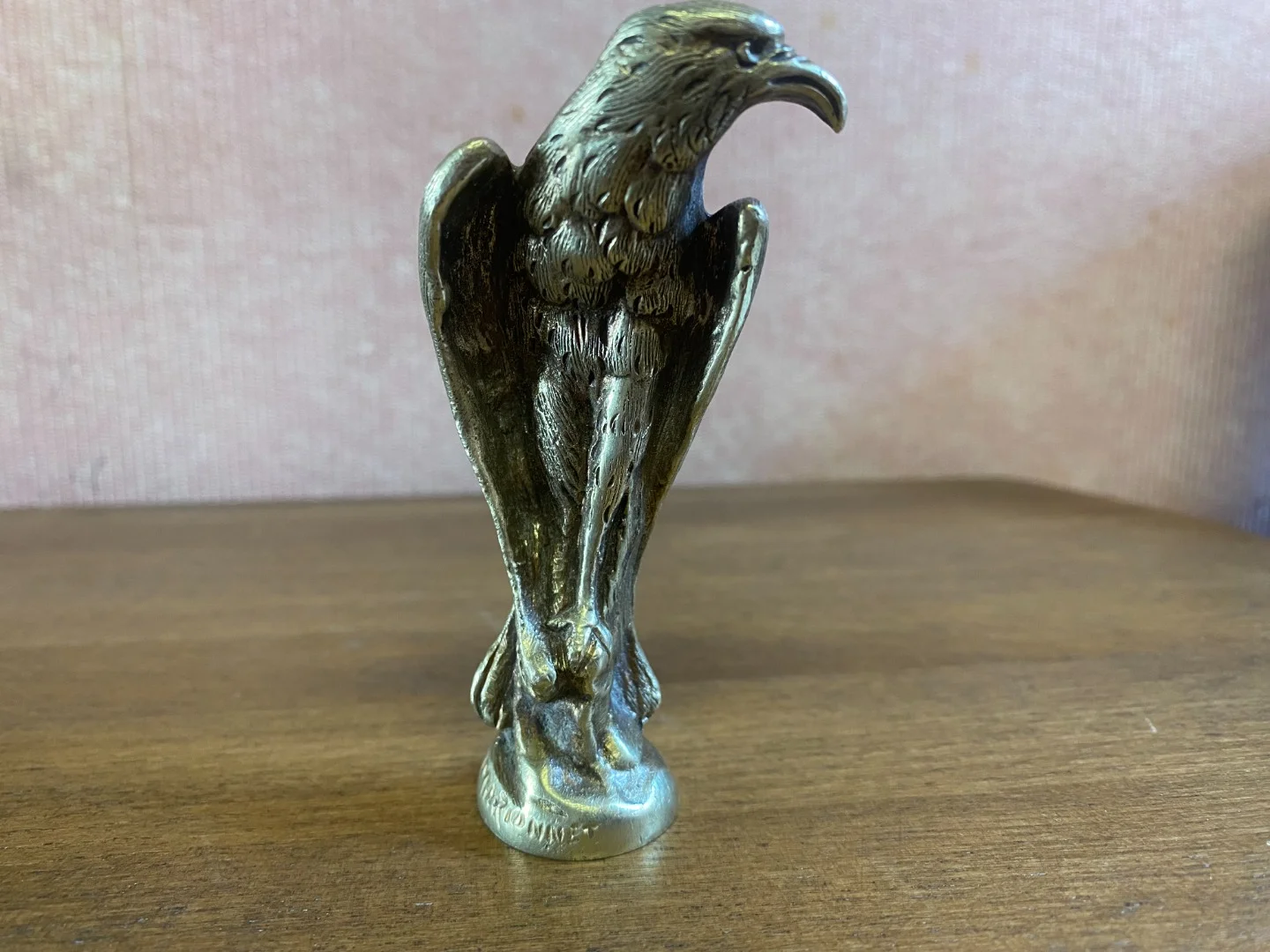
jean-pierre PERNOD — Bourg-en-Bresse
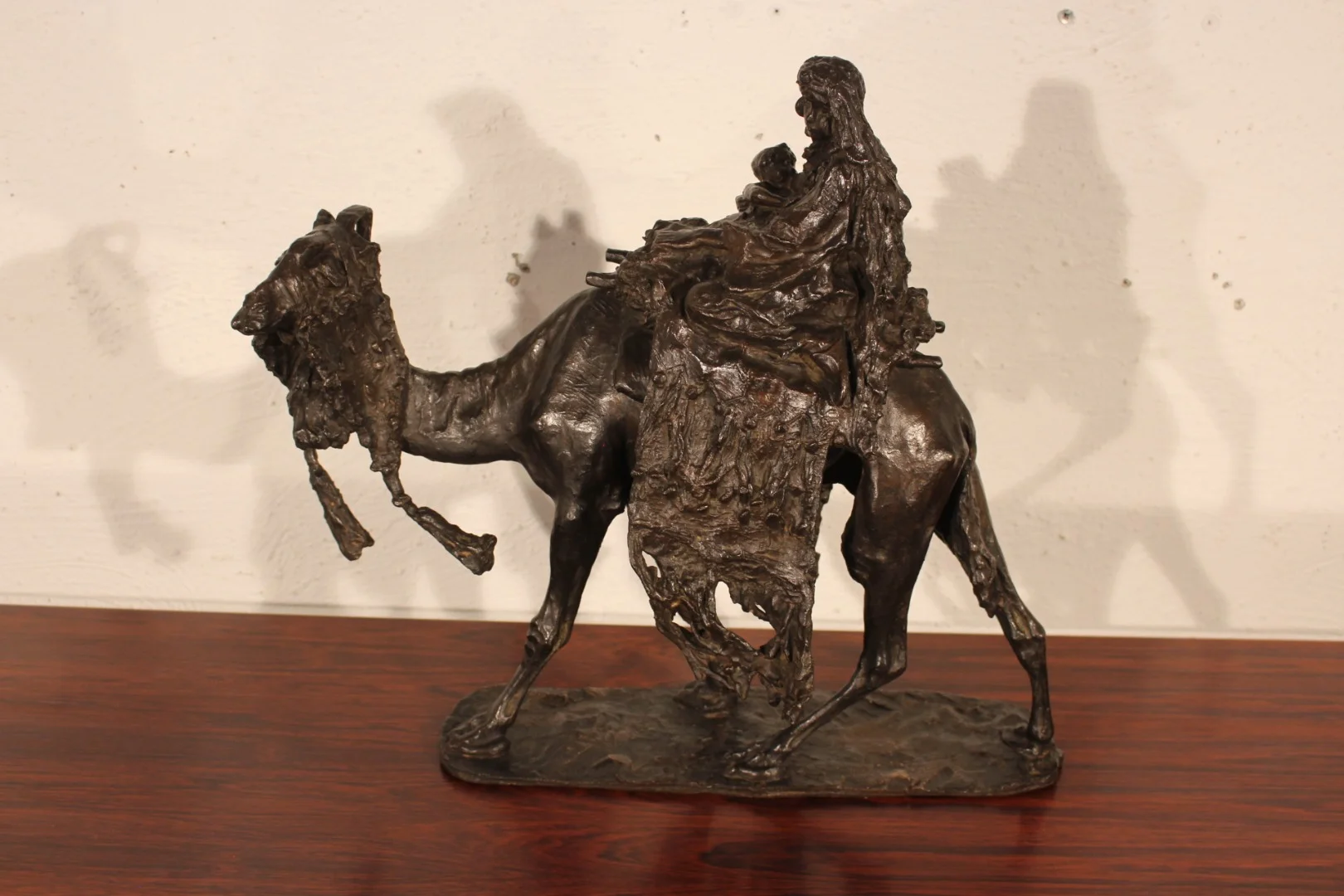
Au Réveil Du Temps — Saint-Nabord
Antiquités Lecomte — Héric
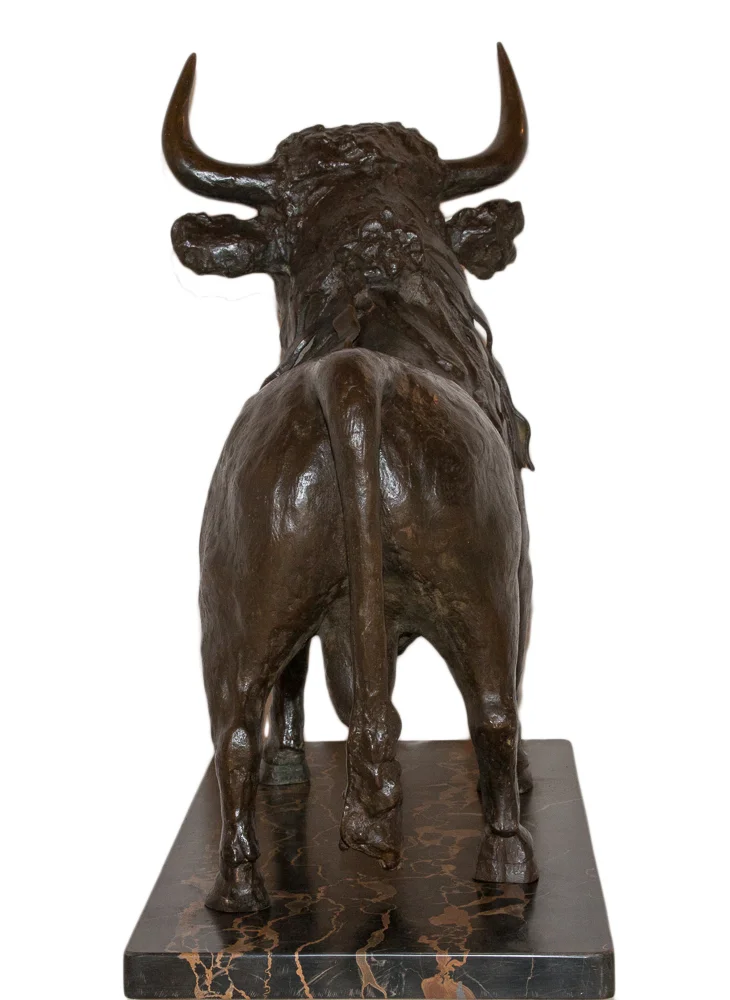
Galerie Lauretta — Mandelieu-la-Napoule
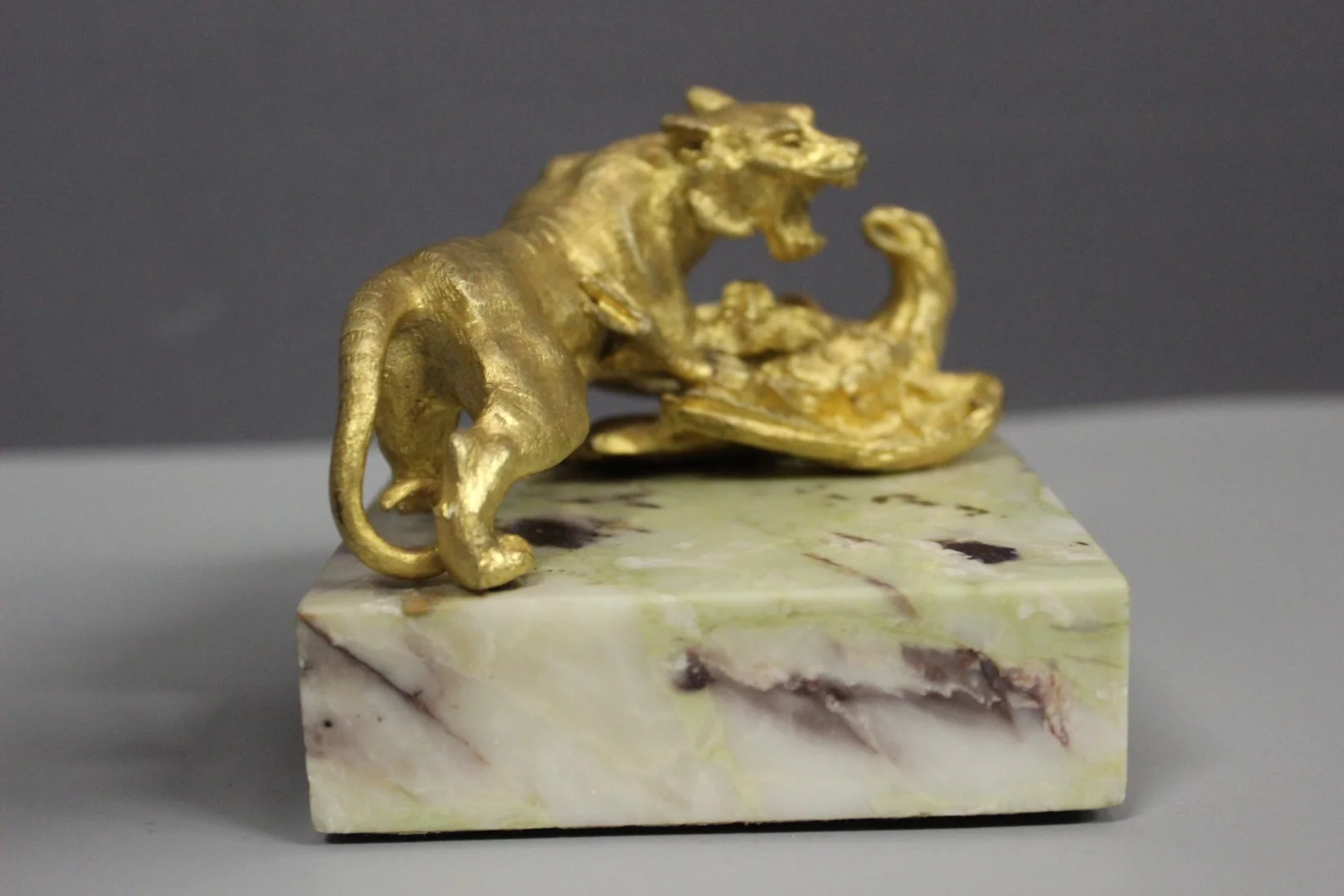
Antiquités Christophe Rochet — Villeurbanne
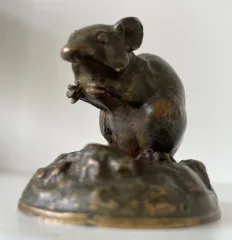
2R Antiquites — Caluire-et-Cuire
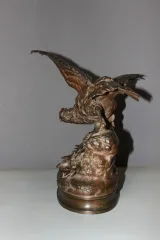
Antiquités Christophe Rochet — Villeurbanne
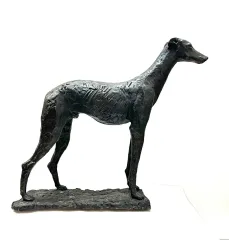
Philippe Cote Antiquites — Chauffailles
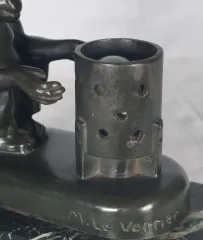
Galerie Lauretta — Mandelieu-la-Napoule
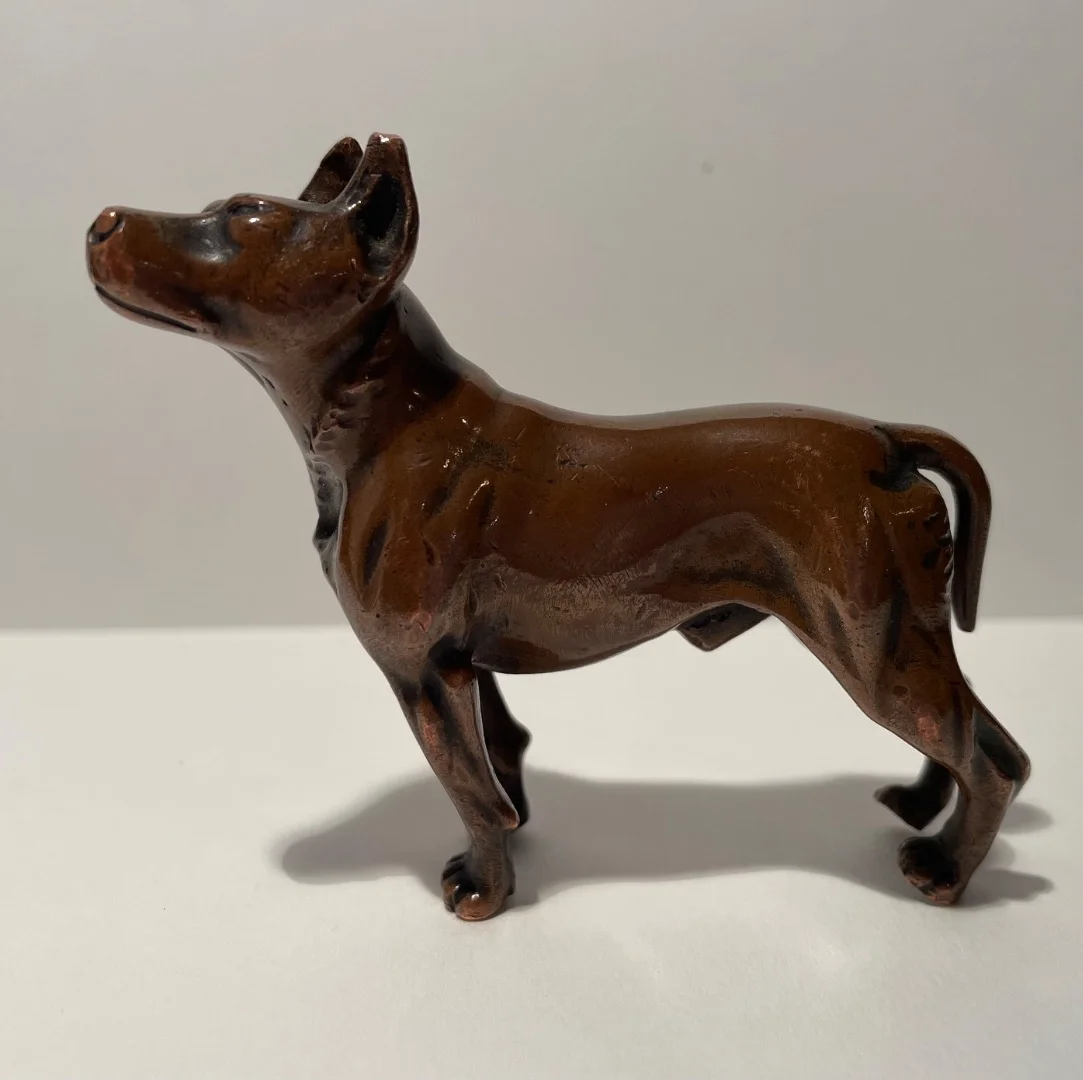
2R Antiquites — Caluire-et-Cuire
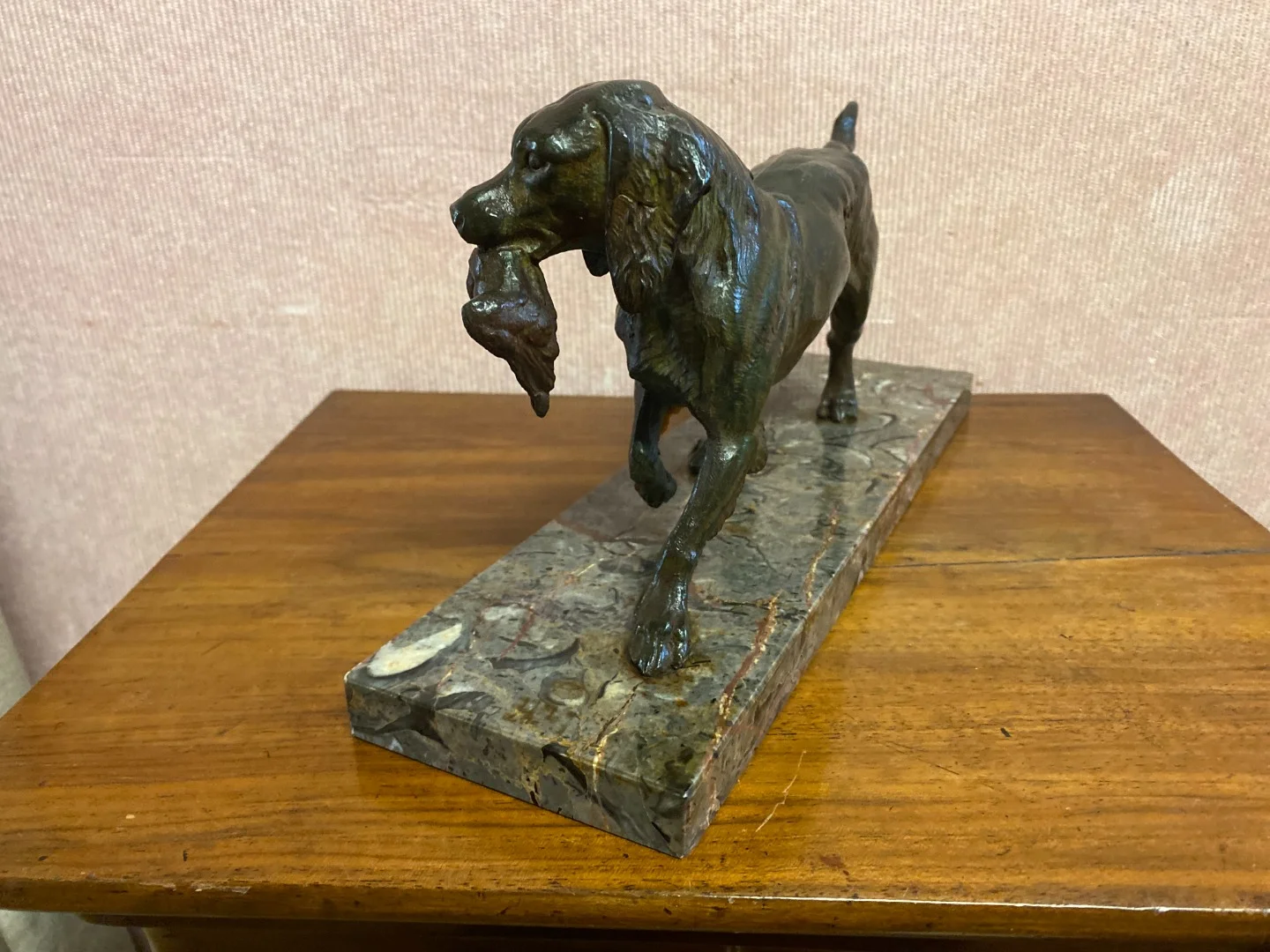
jean-pierre PERNOD — Bourg-en-Bresse
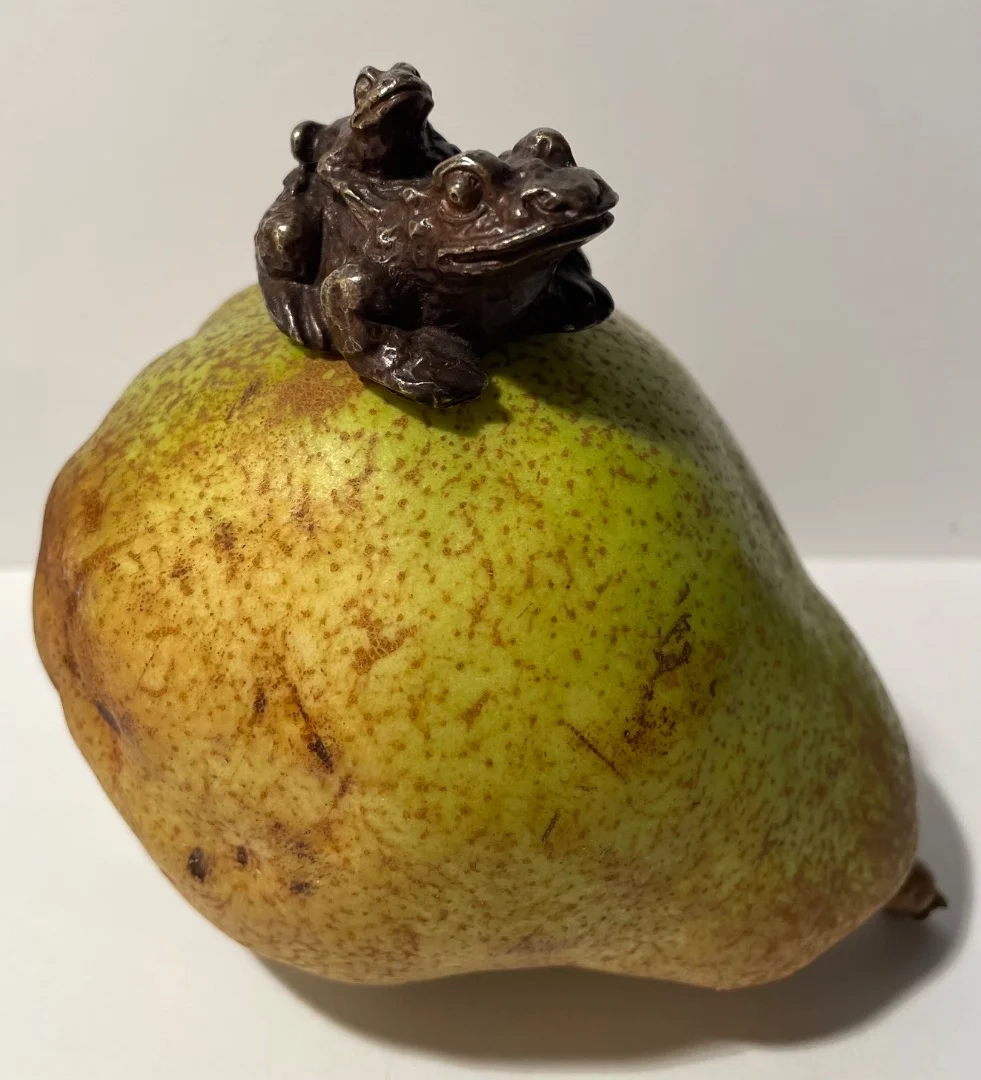
2R Antiquites — Caluire-et-Cuire

2R Antiquites — Caluire-et-Cuire
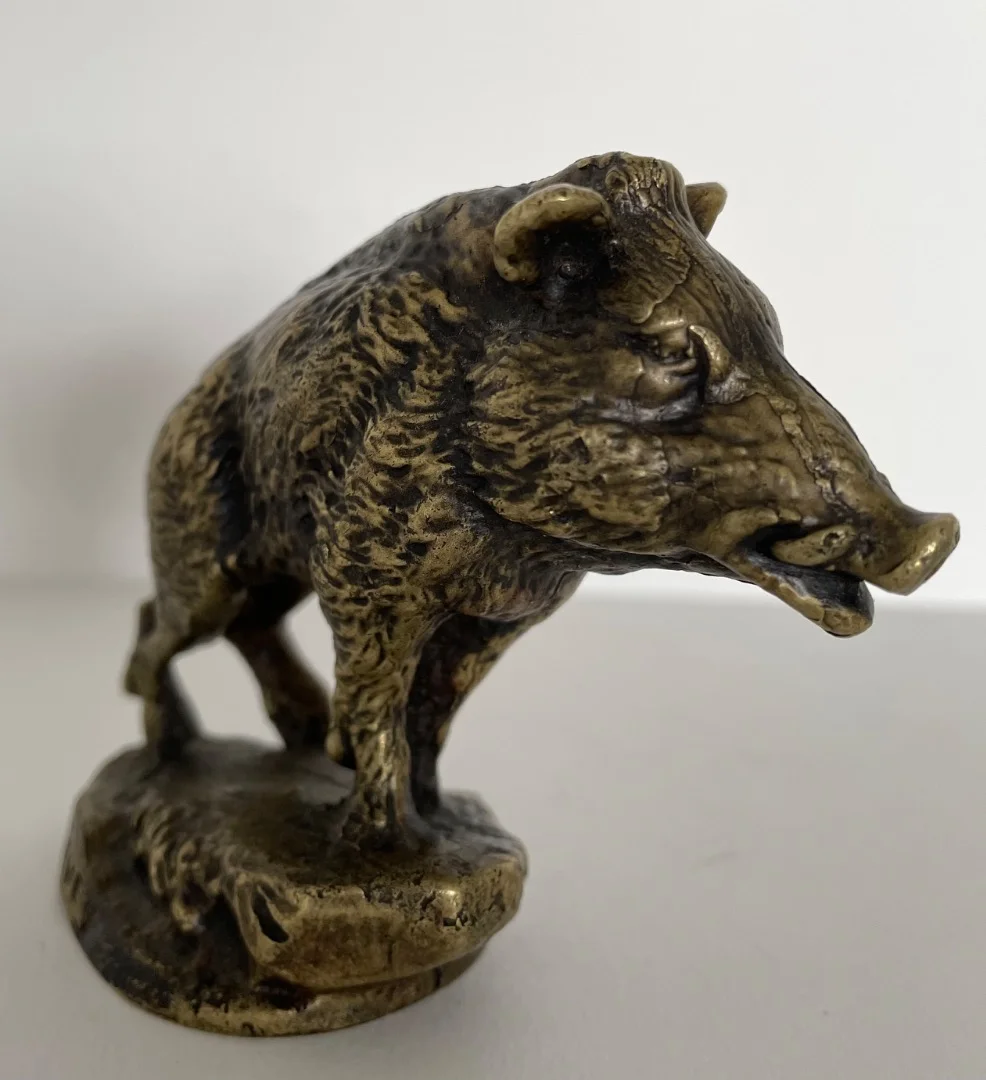
2R Antiquites — Caluire-et-Cuire
Authenticating an antique animalier bronze begins with the patina. A genuine period patina displays natural variations of brown, green and black, built up slowly over decades — never uniform, never artificially bright. Turn the piece over and look for a signature engraved or struck into the metal, along with a founder's stamp. Barbedienne, Susse Frères and Thiébaut Frères are among the most respected names of the 19th century, and their marks add both provenance and value.
The casting method matters too. Lost-wax casting, more costly and labour-intensive than sand casting, typically yields crisper detail — individual hairs, feathers and claws rendered with almost painterly finesse. A late surmoulage (a copy cast directly over an original) can be identified by its slightly reduced dimensions, softer surface detail and marginally lighter weight compared with documented examples. Always cross-reference measurements against known catalogue references when in doubt.
Budget expectations vary widely. A small signed animalier bronze of good quality can be acquired from a few hundred pounds or euros; a monumental Barye lion or a rare Fratin bear can reach tens of thousands at auction. Key value drivers are the sculptor's name, casting quality, subject rarity, patina integrity and documented provenance — an old invoice, a collection label or an exhibition sticker all strengthen a piece's history considerably. Check for suspicious welds, replaced bases and any signs of artificial re-patination before committing to a purchase.
The most sought-after subjects remain Barye's big cats and equestrian groups, Mène's hunting dog bronze sculptures and Fratin's bears, but birds, cattle and exotic animals also attract serious collectors. On Antiquités en France, every piece is offered by a verified professional dealer who can supply detailed photographs, exact dimensions and full condition reports. Contact the dealer directly to request an authenticity certificate or specialist appraisal — and browse our wider selection of antique bronzes to find the subject that speaks to you.