
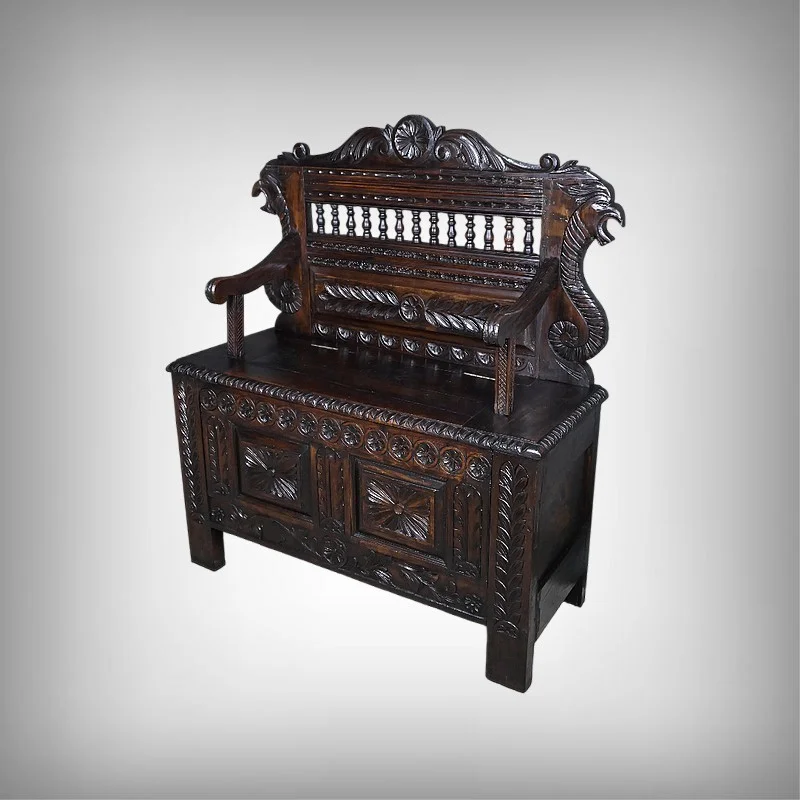
Neogothic-style oak chest bench – Early 20th century
Antiquités Lecomte — Héric
1 600,00 €
42 objects found
Flourishing from the 12th to the 15th century, the Gothic style stands as one of the most powerful artistic expressions of medieval Europe. Born in religious architecture — pointed arches, ribbed vaults, rose windows — it spread across every decorative art: stone and wood carving, goldsmithing, ironwork and furniture. Gothic antiques rank among the rarest on the market today, from carved choir stalls and misericords to linenfold chests, keystones, capitals and devotional figures of the Virgin and saints.
The timbers used — oak, walnut and chestnut — have endured five to eight centuries with remarkable dignity. On Antiquités en France, a select group of dealers specialising in Haute Époque works offer carefully vetted, authentic Gothic pieces.
42 objects found
Antiquités Lecomte — Héric
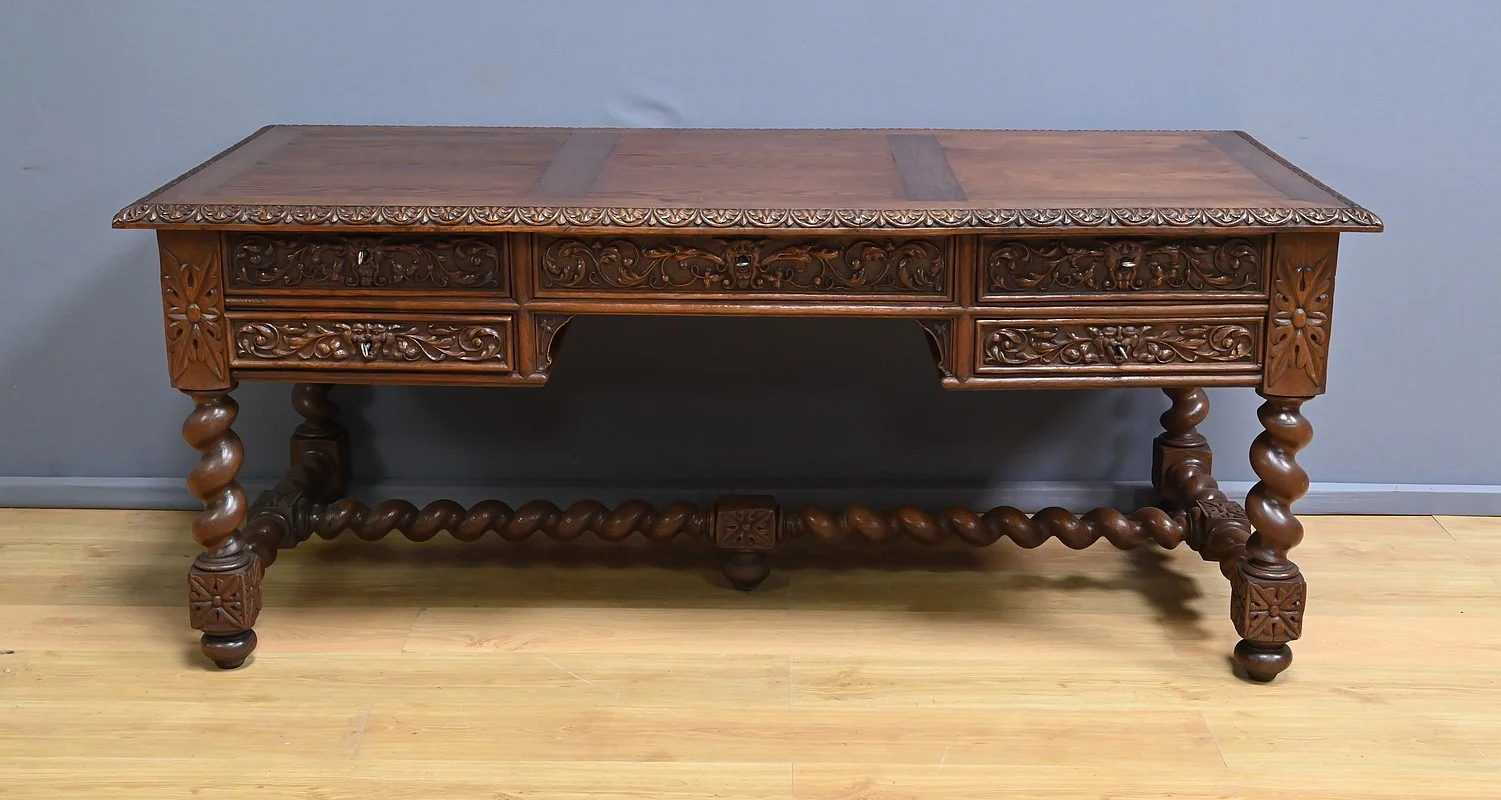
Antiquités Lecomte — Héric

Antiquités Lecomte — Héric
Ecritoire Antiquites Poidras jean-luc — Vertou
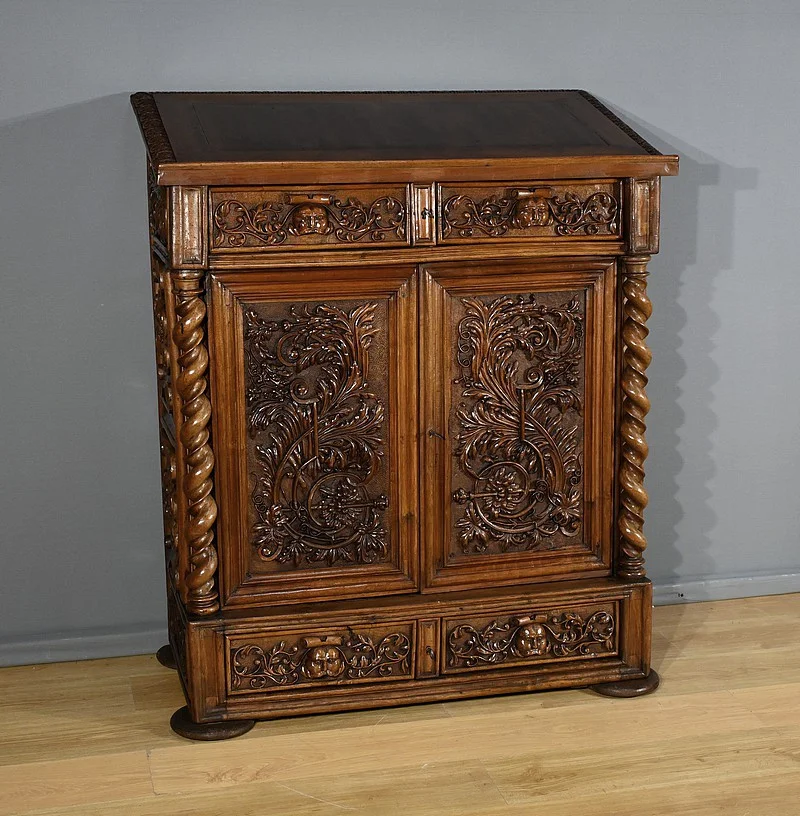
Antiquités Lecomte — Héric
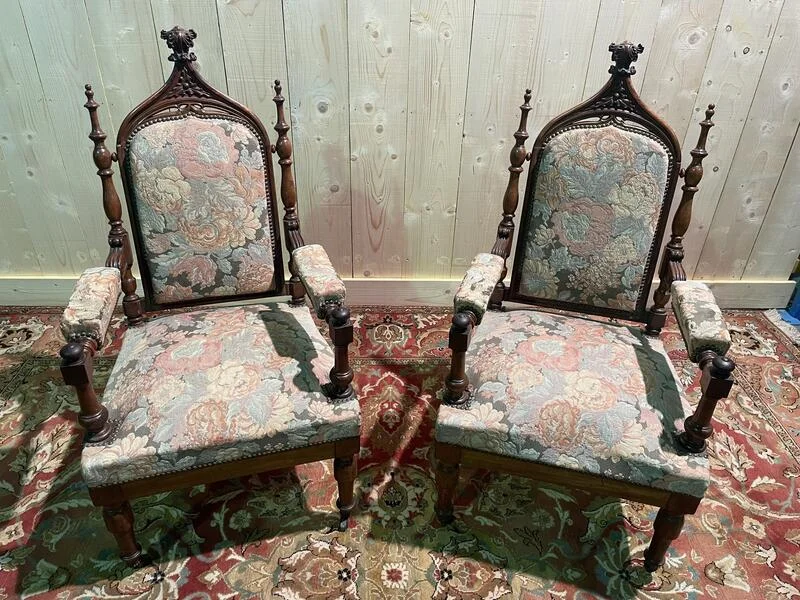
L’ESTAMPILLE — Navilly
Eric Saget — Paris
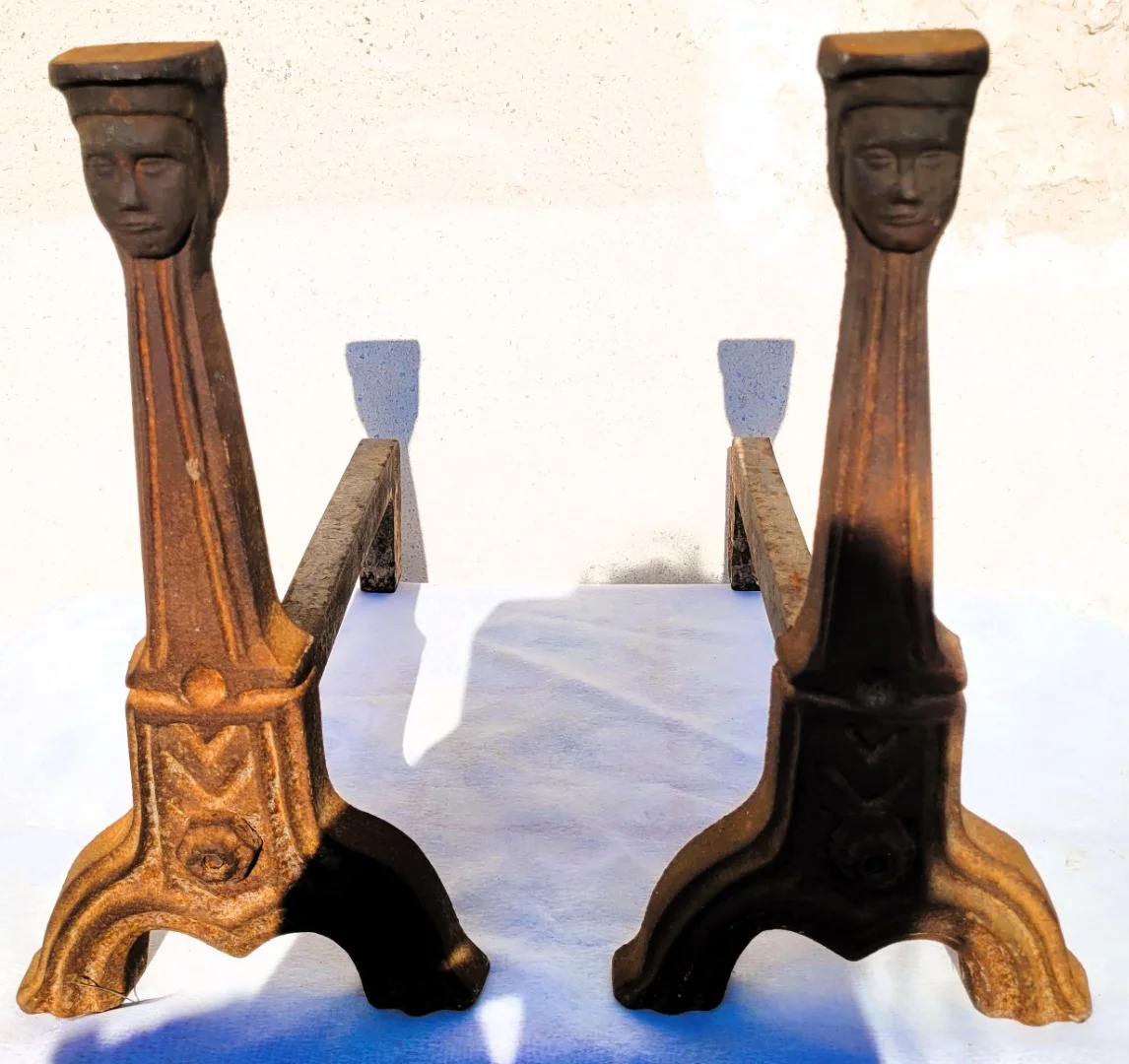
Antiquités "Le Vieux Matos" L.V.M — La Chapelle-Saint-Martin-en-Plaine
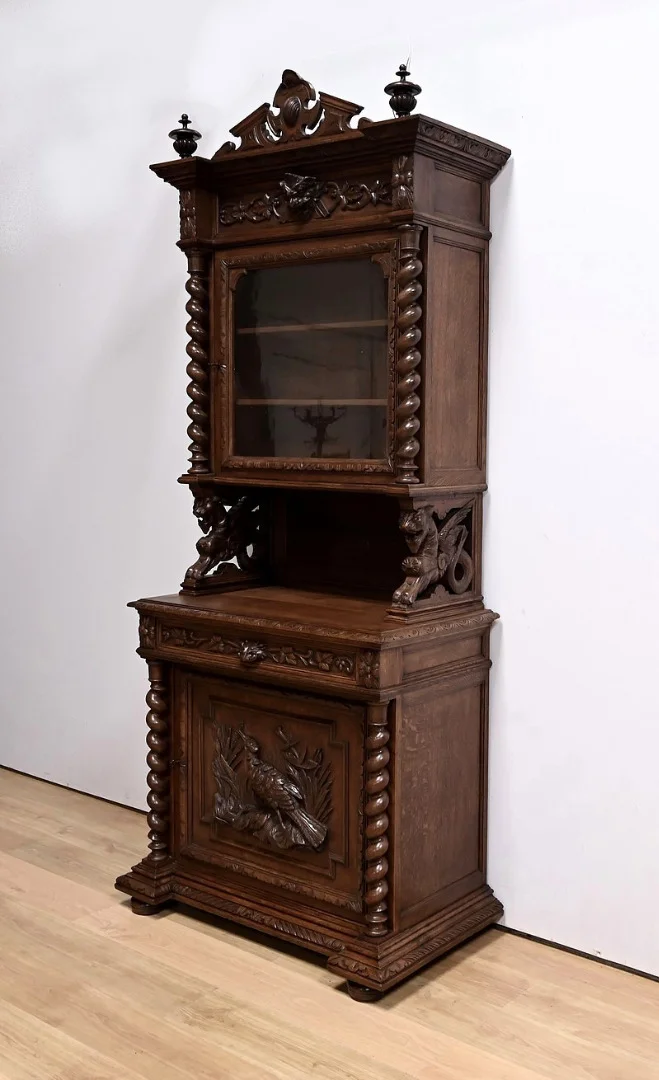
Antiquités Lecomte — Héric
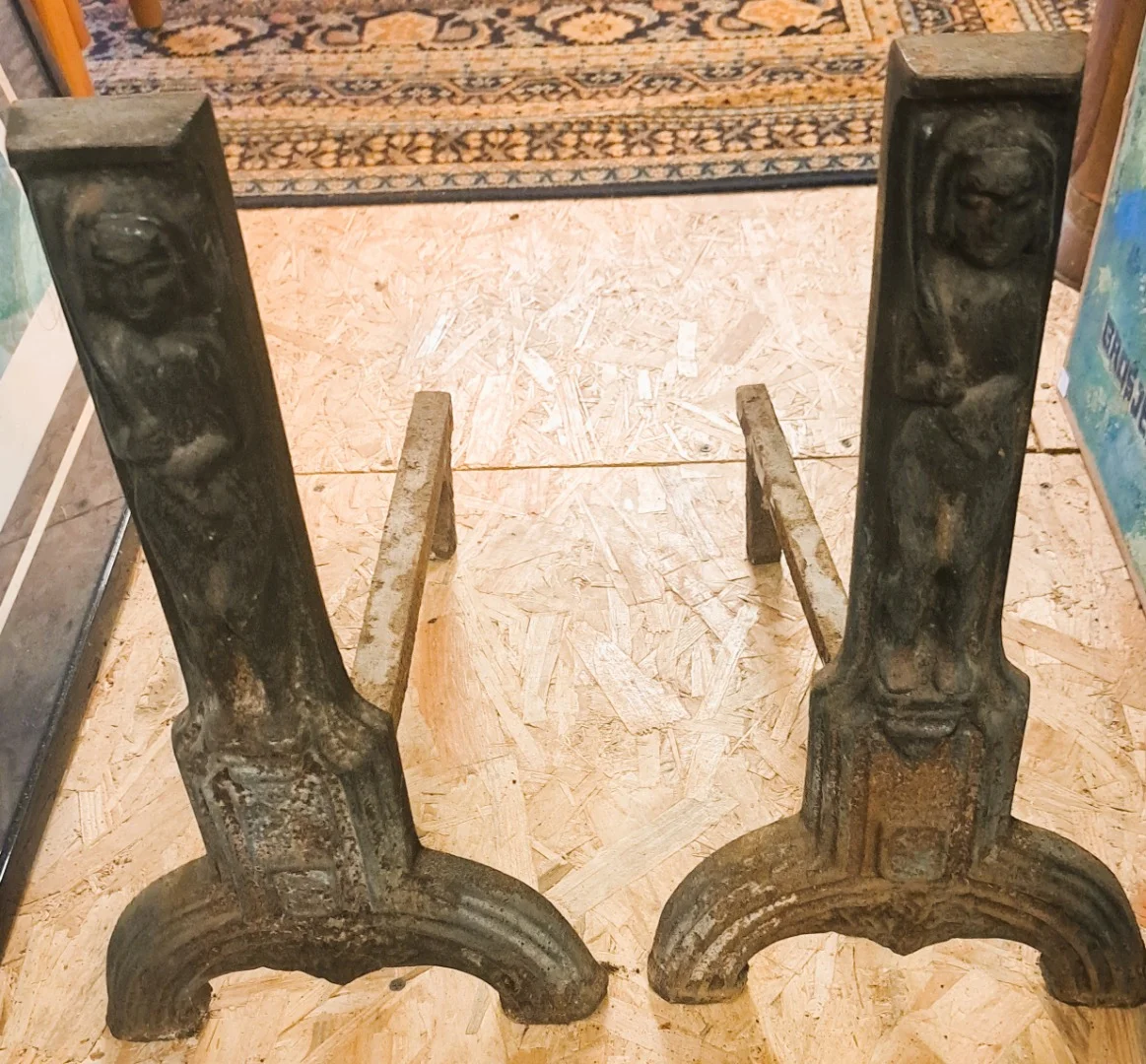
Antiquités "Le Vieux Matos" L.V.M — La Chapelle-Saint-Martin-en-Plaine
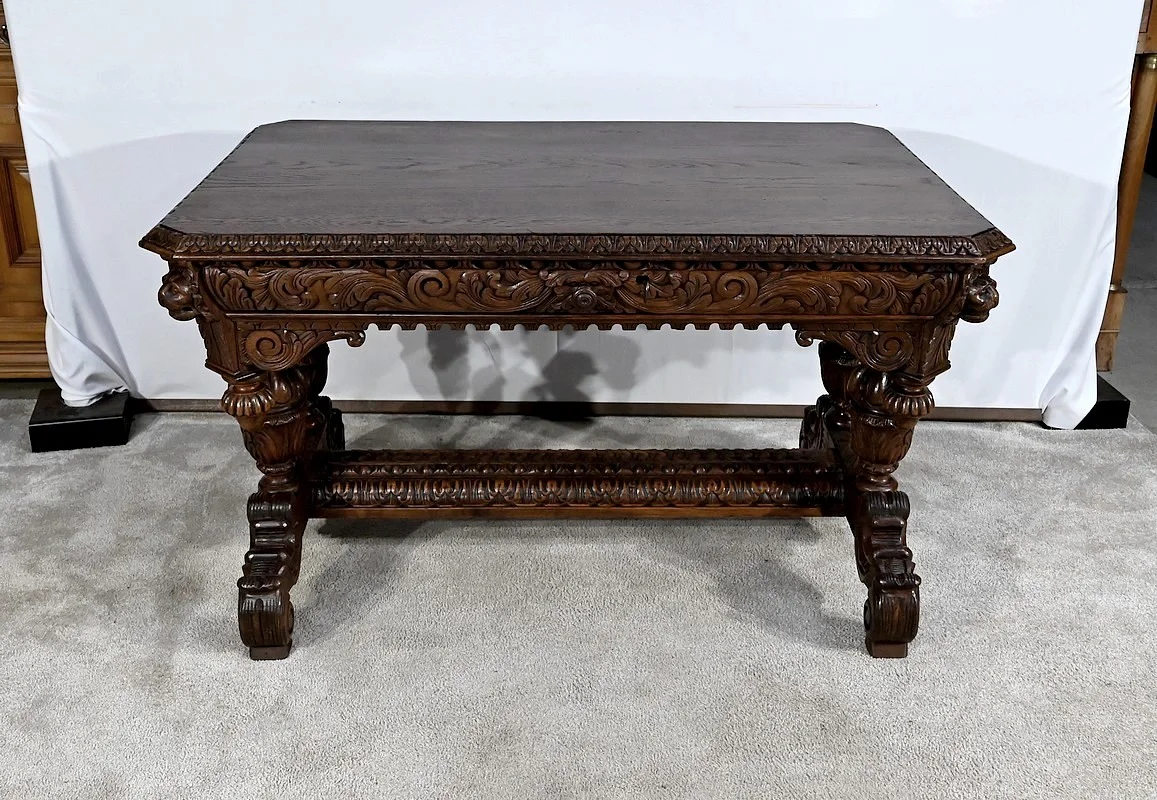
Antiquités Lecomte — Héric
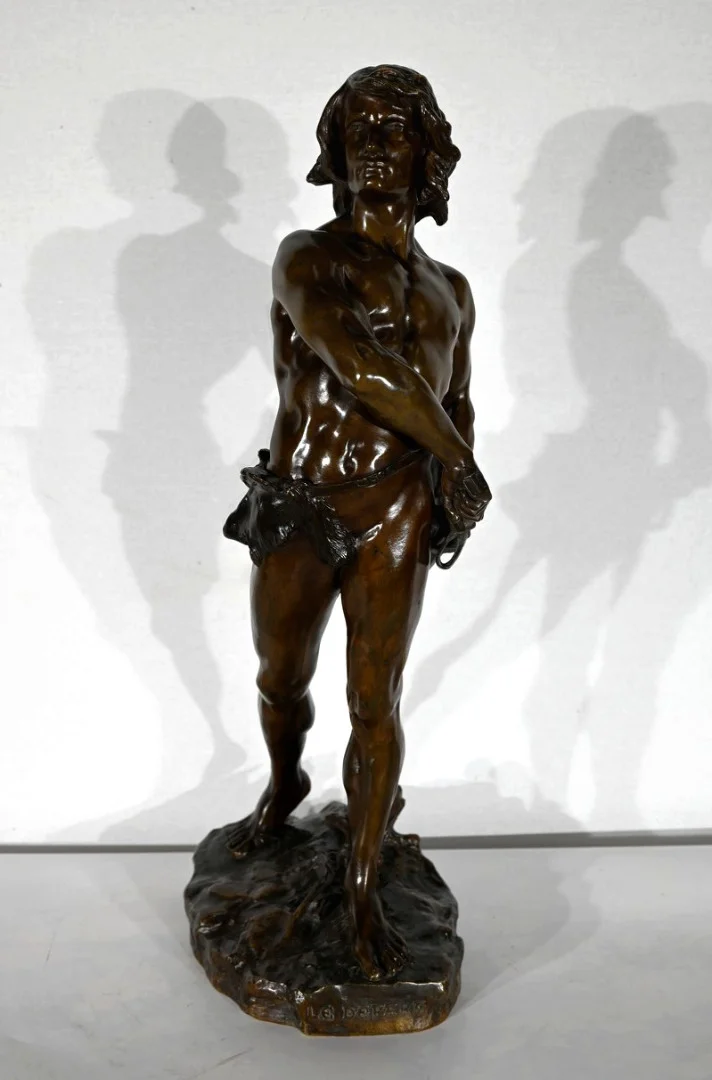
Antiquités Lecomte — Héric

Antiquités Lecomte — Héric

Antiquités Lecomte — Héric

Antiquités Lecomte — Héric
Antiquités Lecomte — Héric
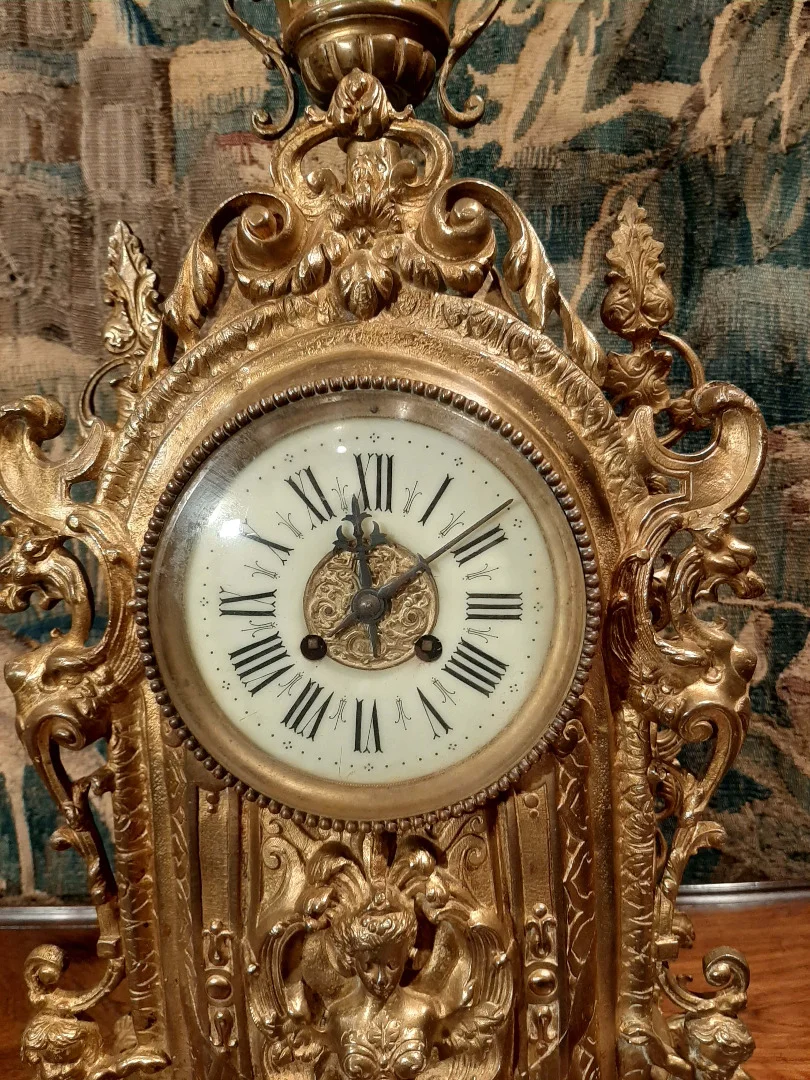
ANTIQUITES VANGEON — Chartres
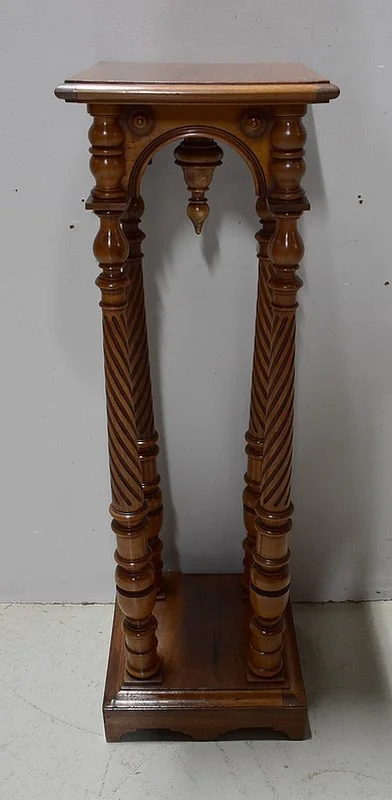
Antiquités Lecomte — Héric
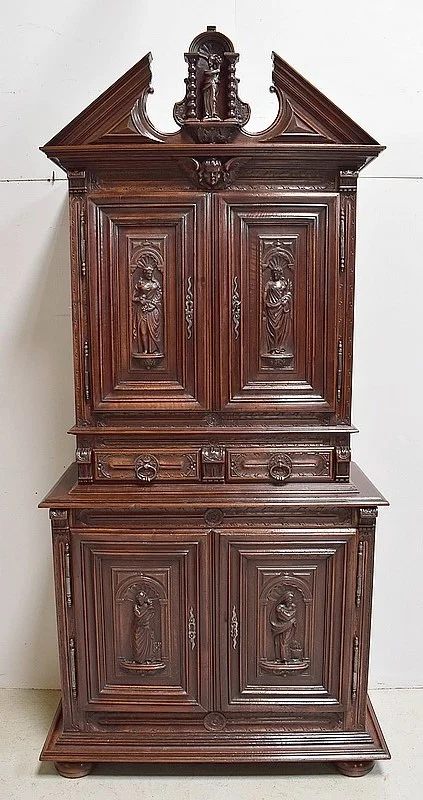
Antiquités Lecomte — Héric
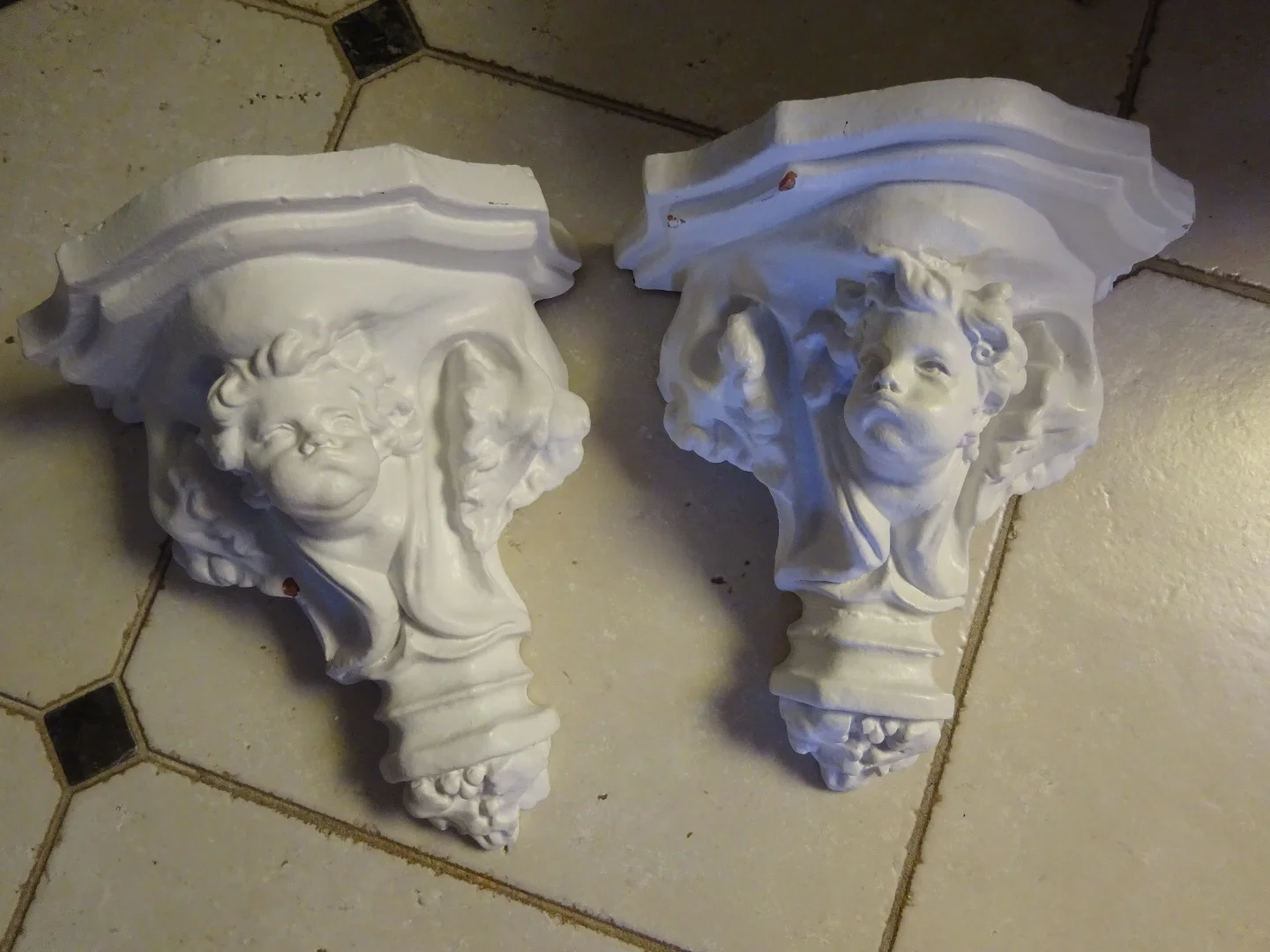
Ecritoire Antiquites Poidras jean-luc — Vertou
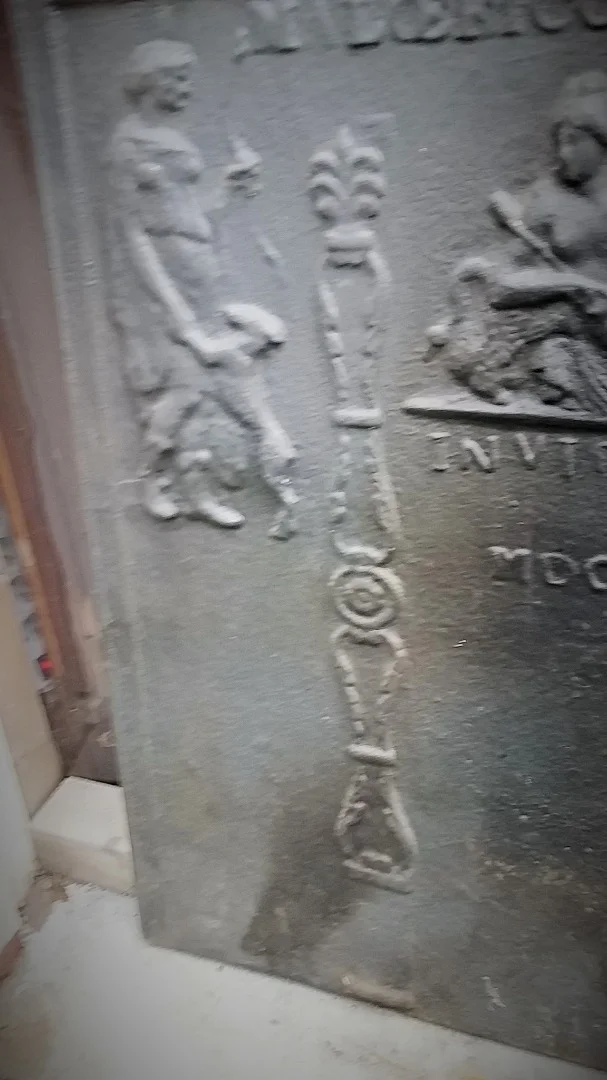
Antiquités "Le Vieux Matos" L.V.M — La Chapelle-Saint-Martin-en-Plaine
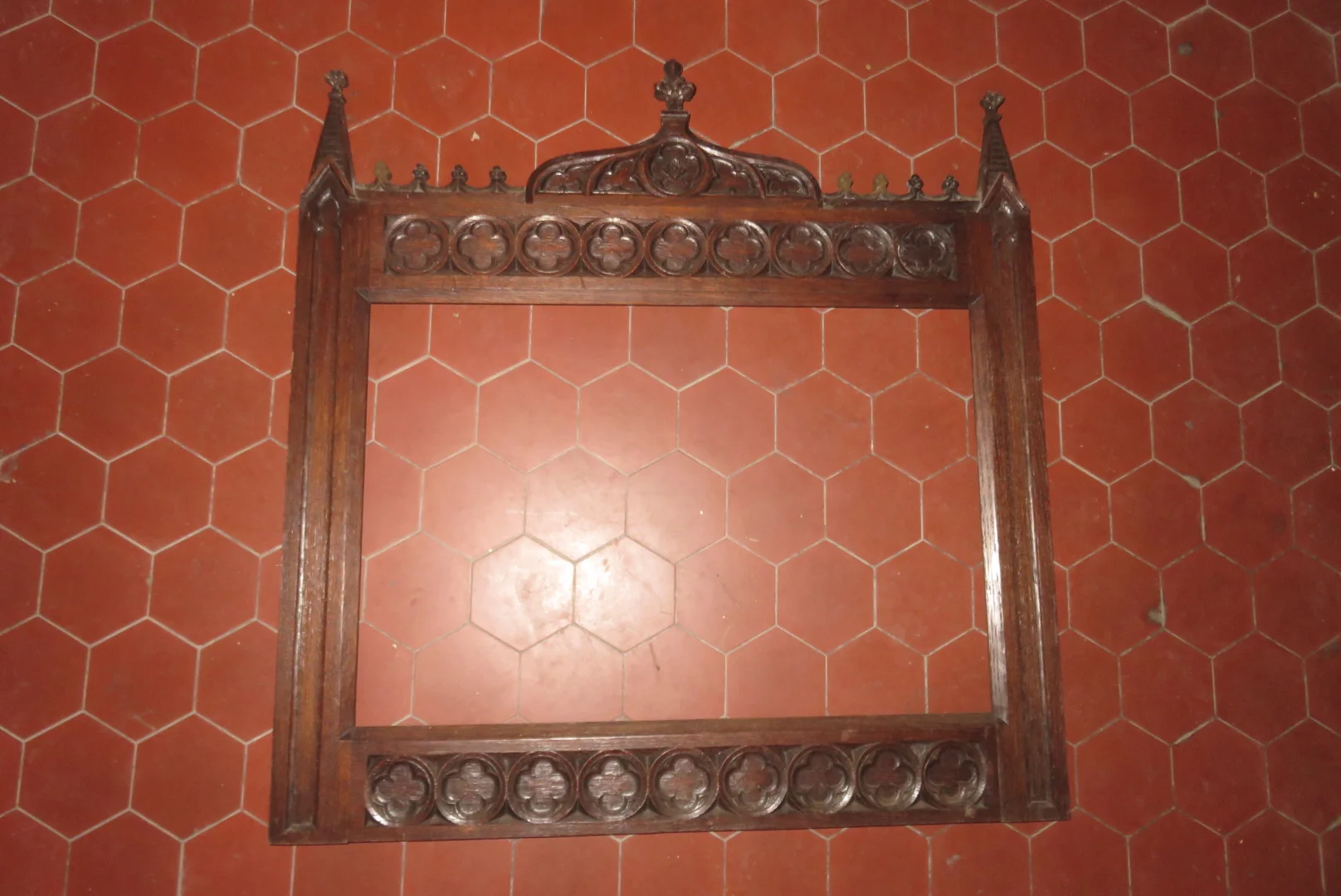
Sarl Cave — Limoges
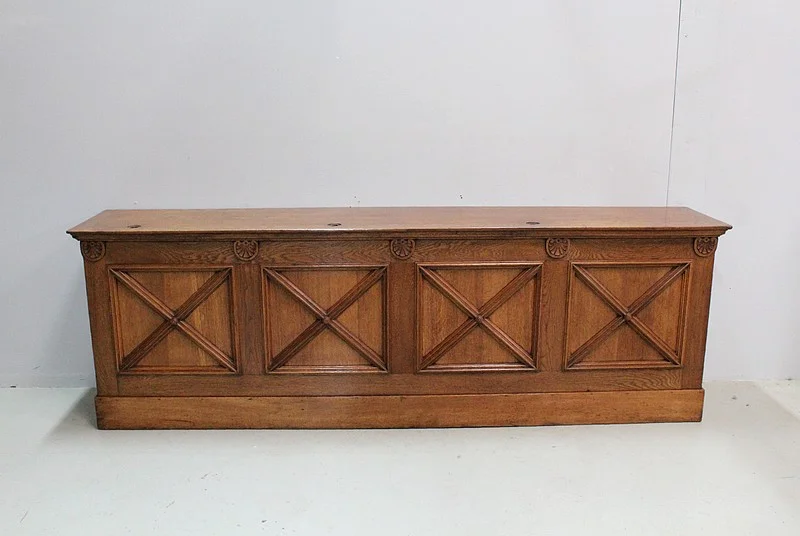
Antiquités Lecomte — Héric
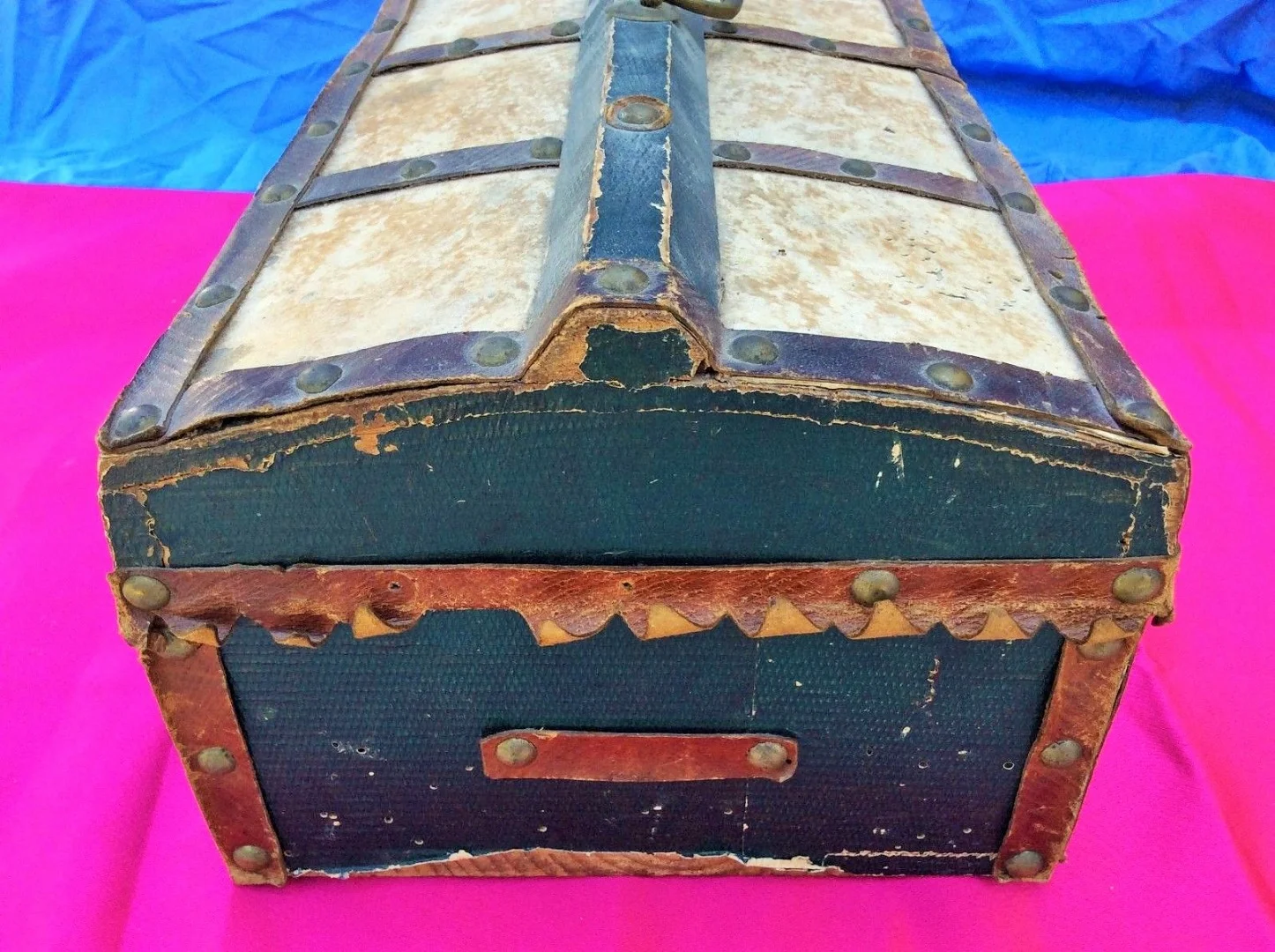
Antiquités "Le Vieux Matos" L.V.M — La Chapelle-Saint-Martin-en-Plaine
Recognising a genuine Gothic antique requires a trained eye and a few reliable markers. On carved woodwork, look for the deep, confident chisel work characteristic of medieval craftsmen: crisp tracery, naturalistic foliage and the distinctive linenfold panel motif found on chests and wainscoting from the 14th and 15th centuries. On stone fragments — capitals, keystones, corbels — examine the tool marks and the patina: centuries of exposure produce a mineral crust that is almost impossible to fake convincingly.
Provenance is everything with pieces of this age. Ask your dealer for any documentation linking the object to a known building, collection or sale. A recorded church or château origin dramatically reinforces both authenticity and value. Condition should be assessed honestly: minor losses and old repairs are entirely consistent with age, but structural cracks or heavy modern repainting can affect desirability. Medieval religious sculpture — Virgins, saints, angels — is particularly sought after; polychrome traces, even faded, add significant interest.
Budget expectations vary widely. A small carved oak fragment or decorative ironwork fitting may be found for a few hundred pounds, while a documented medieval stone sculpture or a set of choir stalls can reach five or six figures at specialist auction. Pieces with clear ecclesiastical provenance and intact surface treatment command the highest premiums.
Every Gothic antique listed on Antiquités en France is offered by a verified professional dealer who can supply detailed photographs, condition reports and provenance information before purchase. You may also wish to explore the broader world of early decorative arts through Haute Époque antiques — contact the specialist of your choice directly to discuss acquisition.