
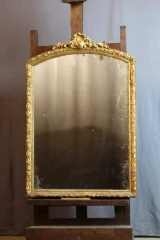
18th-Century Mirror
Philippe Cote Antiquites — Chauffailles
1 150,00 €
Good condition
54 objects found
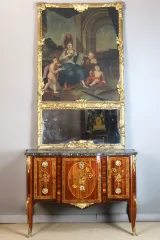
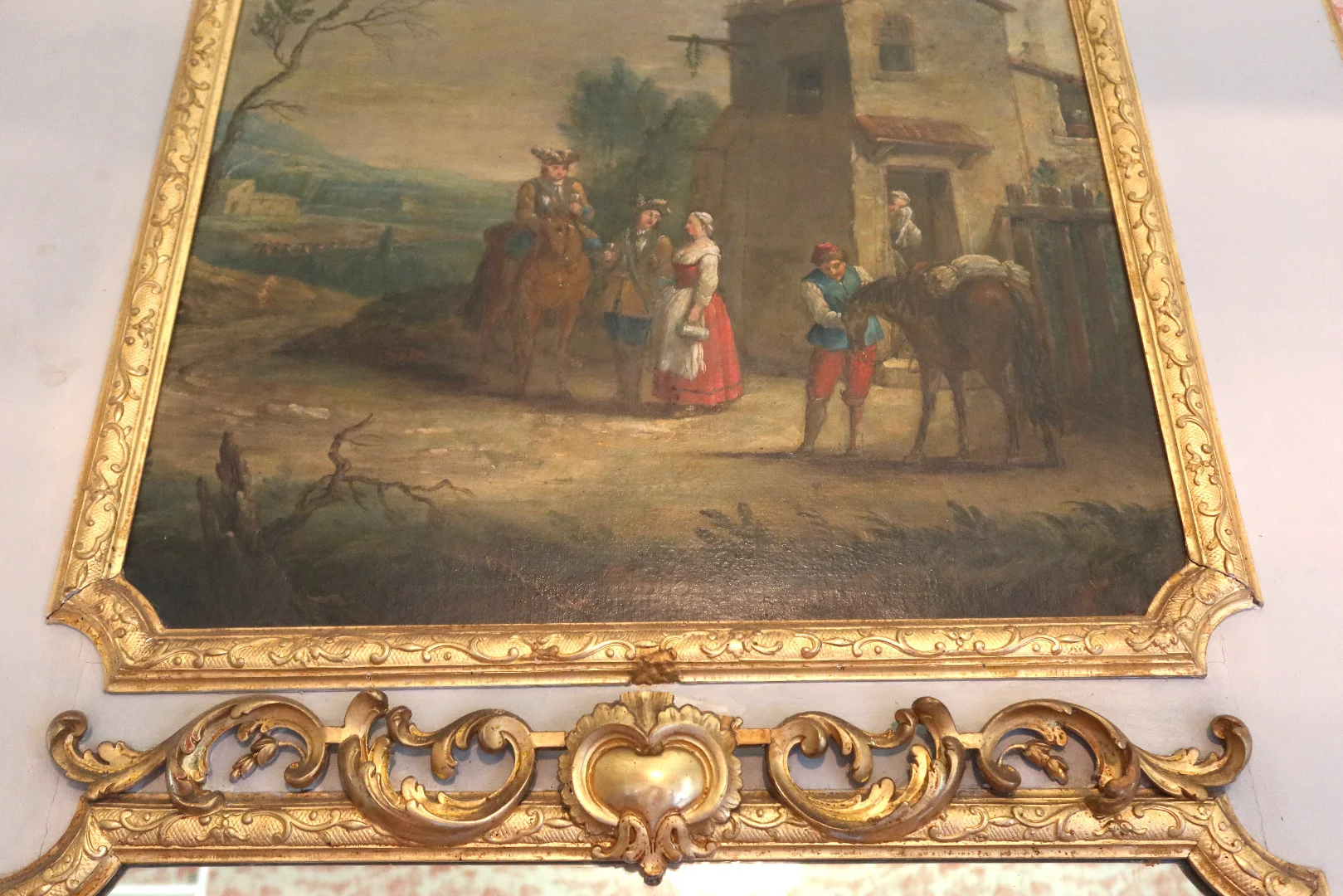
A centrepiece of French interior decoration from the 17th to the 19th century, the antique trumeau mirror is a large decorative panel — combining a mirror, painting or gilt carved woodwork — designed to fill the space above a fireplace or between two windows. The finest examples pair a gilt trumeau mirror with an oil painting depicting pastoral scenes, gallant subjects or decorative trophies, all framed within hand-carved, gold-leaf boiserie.
From the restrained elegance of Louis XVI to the exuberant rocaille of Louis XV, each period left a distinctive mark on these works that sit at the crossroads of furniture and decorative art. Explore our broader selection of antique mirrors to complement your search.
54 objects found
Philippe Cote Antiquites — Chauffailles
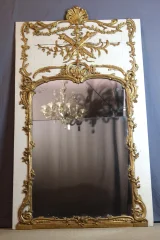
Philippe Cote Antiquites — Chauffailles
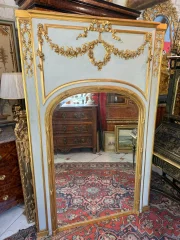
Romain Lichtensztein — Maignelay-Montigny
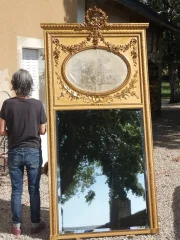
L'atelier De La Dorure — Calmont
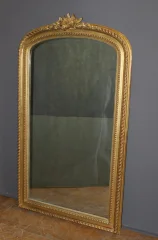
Antiquités Christophe Rochet — Villeurbanne
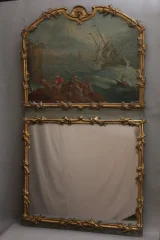
Philippe Cote Antiquites — Chauffailles
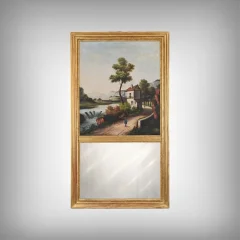
Antiquités Lecomte — Héric
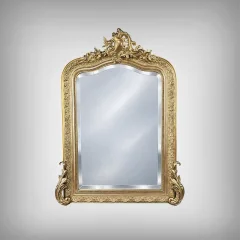
Antiquités Lecomte — Héric
Philippe Cote Antiquites — Chauffailles
Antiquités Christophe Rochet — Villeurbanne
Galerie Lauretta — Mandelieu-la-Napoule
Philippe Cote Antiquites — Chauffailles
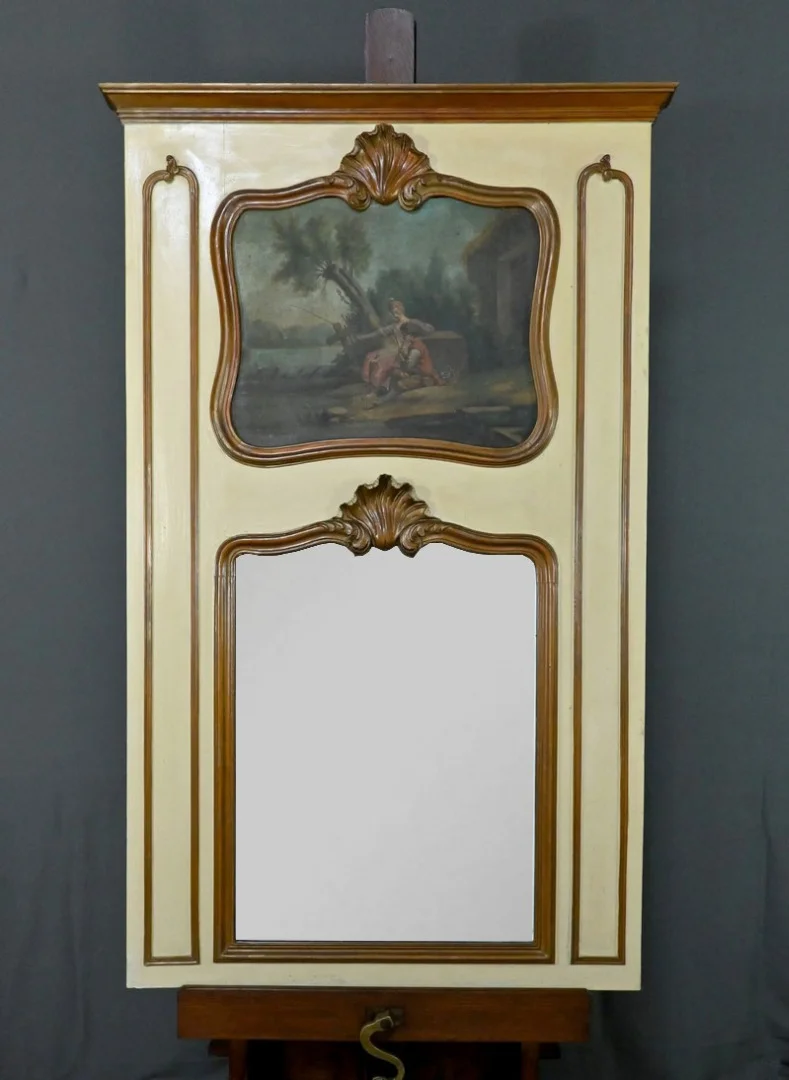
Antiquités Lecomte — Héric
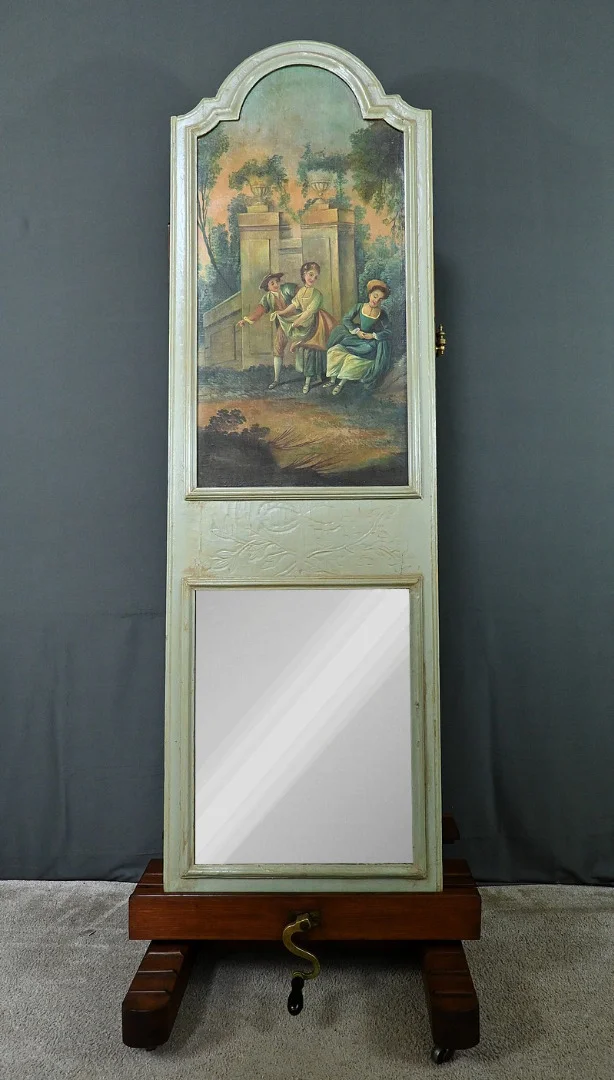
Antiquités Lecomte — Héric
L’ESTAMPILLE — Navilly
Antiques Provence — Cheval-Blanc

L'atelier De La Dorure — Calmont
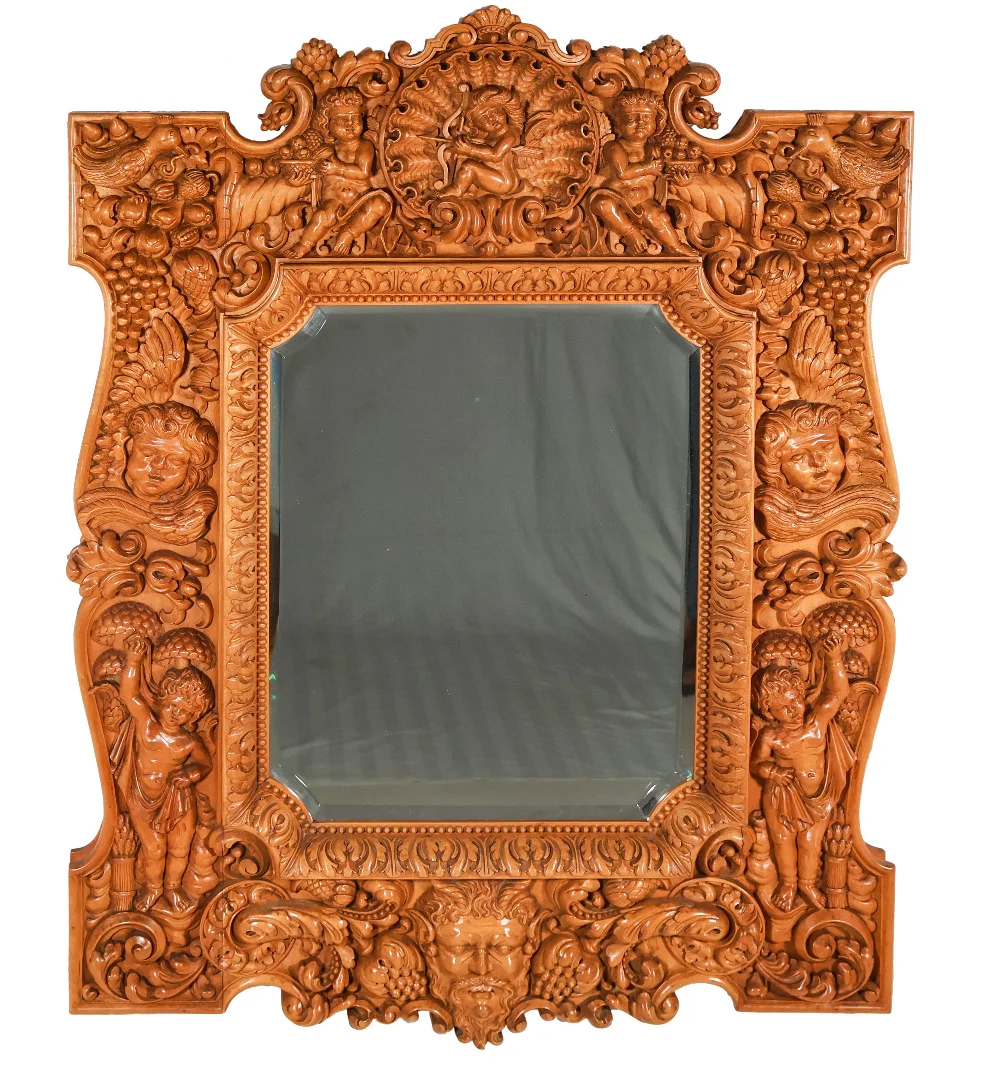
Galerie Lauretta — Mandelieu-la-Napoule
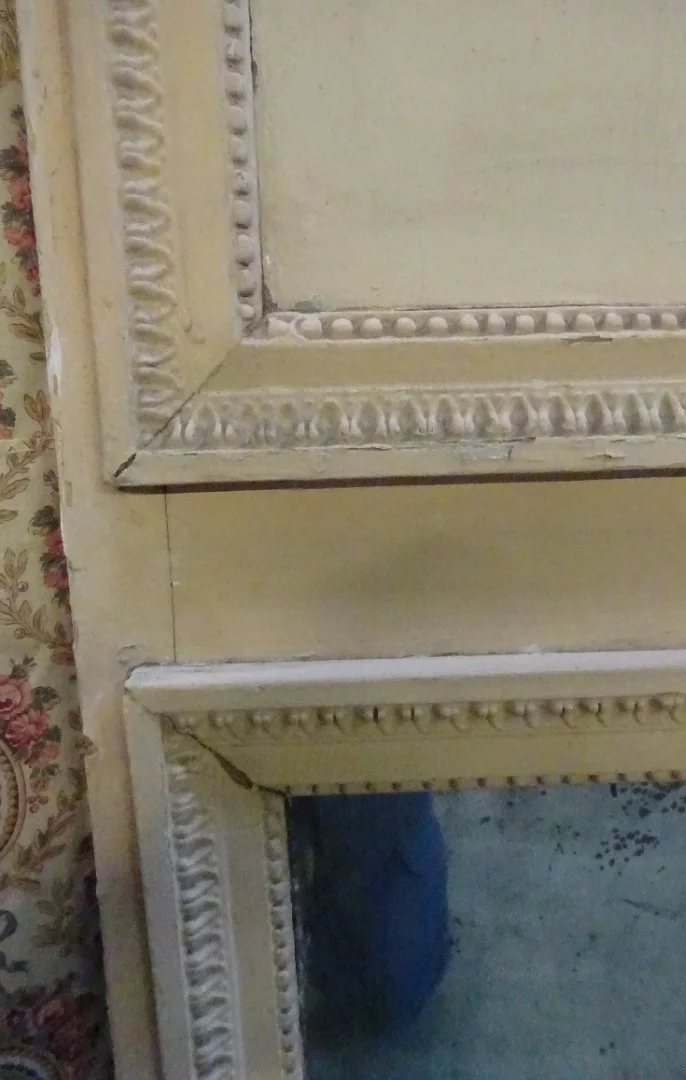
Ecritoire Antiquites Poidras jean-luc — Vertou
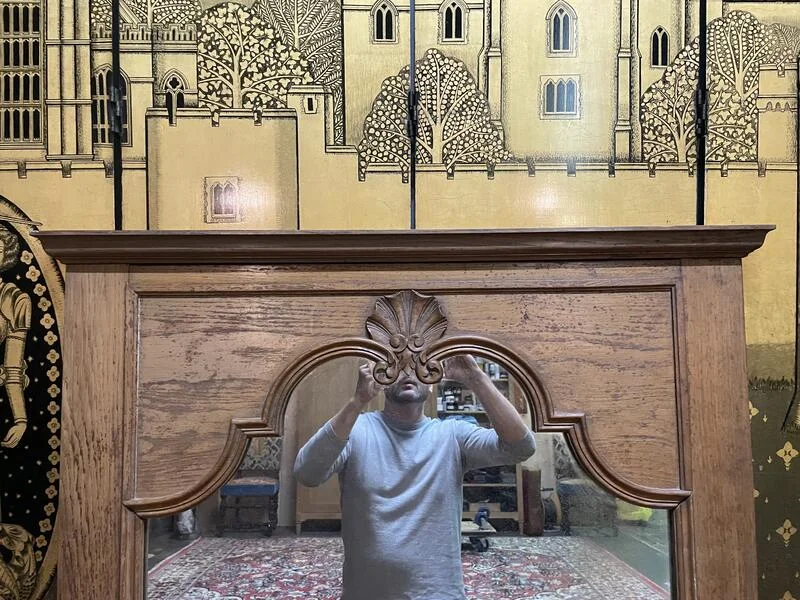
L’ESTAMPILLE — Navilly
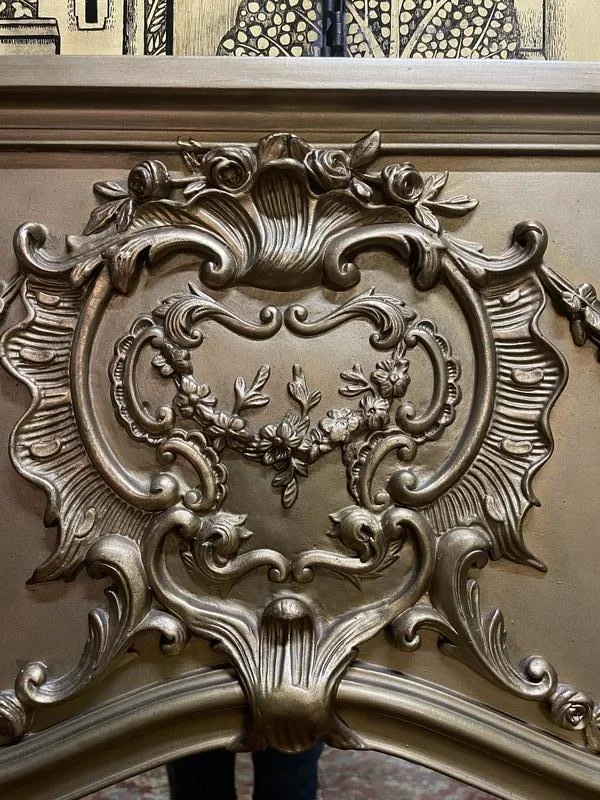
L’ESTAMPILLE — Navilly

L’ESTAMPILLE — Navilly
L’ESTAMPILLE — Navilly

Antiquités Christophe Rochet — Villeurbanne
Authenticating an antique trumeau mirror begins with the gilding. Genuine gold-leaf gilding shows subtle tonal variation and a slight tactile relief, whereas paint-gilded surfaces appear flat and uniform. Period carved boiseries bear the marks of hand tools — slight irregularities, varying relief depth — that no industrial reproduction can convincingly replicate. Turn the frame over: aged timber displays natural patina, mortise-and-tenon joinery, and often remnants of canvas backing on the painted panel.
For dating, Louis XV carved trumeau mirrors (c. 1730–1760) are characterised by asymmetric curves, shell motifs and flowing foliate scrolls. The Louis XVI style (1760–1790) shifts to straight lines, fluting, laurel garlands and oval medallions. Empire and Restauration pieces simplify the composition further, favouring engaged columns and antique-inspired motifs.
The integrated painted panel — typically an oil on canvas or a grisaille — deserves close scrutiny: check that the craquelure is consistent with the supposed age, that the paint layer is homogeneous, and examine the surface under raking light for any recent overpainting. A documented provenance — a château inventory, an old auction label — adds considerably to the value. Prices range from a few hundred pounds for a modest provincial piece to several thousand for a signed Parisian workshop example with intact original gilding.
On Antiquités en France, every antique trumeau mirror is offered by a verified professional dealer who can provide precise dimensions, a detailed condition report and the piece's history. Broaden your search to include painted pastoral panels or browse our full range of antique mirrors to find the perfect piece for your interior.