

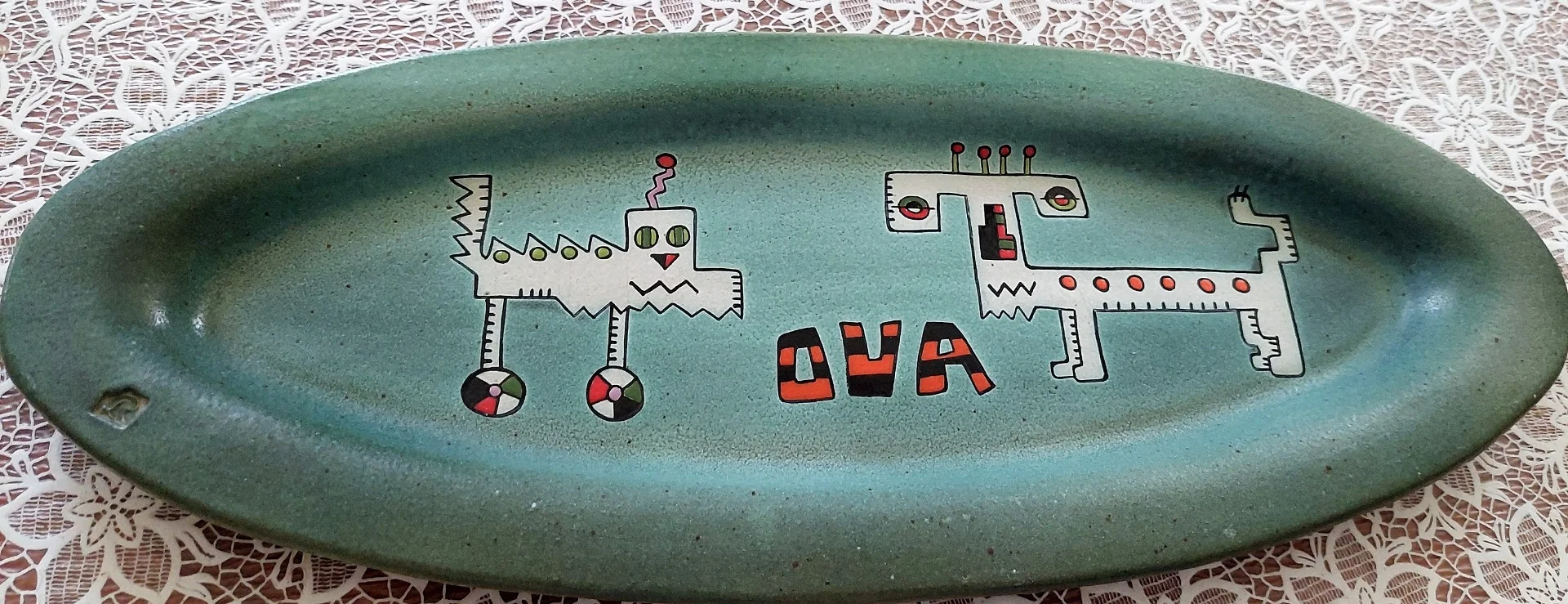
Important ceramic piece by Ingeborg Rasmusser signed RAS
French-antiques.fr — Rouen
240,00 €
Very good condition
26 objects found
Antique pottery encompasses a wide range of hand-thrown and wheel-turned wares fired in wood or coal kilns: salt-glazed stoneware, slipware, glazed terracotta, farmhouse storage jars and cellar crocks. Every French region — Alsace, Normandy, Berry, Provence — developed its own clays, forms and decorative traditions, making regional French pottery a collecting field in its own right.
Sitting between the purely utilitarian and the genuinely folk-artistic, these pieces are distinguished from more refined ceramics by their directness, their honest imperfections and the warmth of their natural glazes — qualities that make each piece unmistakably individual.
26 objects found
French-antiques.fr — Rouen
Antiquités Anne Marie Perrier — La Boisse

Bernadette Tanzilli Antiquités — Pérouges
AU FUTUR ANTERIEUR — Buthiers
AU FUTUR ANTERIEUR — Buthiers
AU FUTUR ANTERIEUR — Buthiers
Antiquités "Le Vieux Matos" L.V.M — La Chapelle-Saint-Martin-en-Plaine
Antiquités "Le Vieux Matos" L.V.M — La Chapelle-Saint-Martin-en-Plaine
Le Grenier D'Abélard — Sens
Antiquités Lecomte — Héric
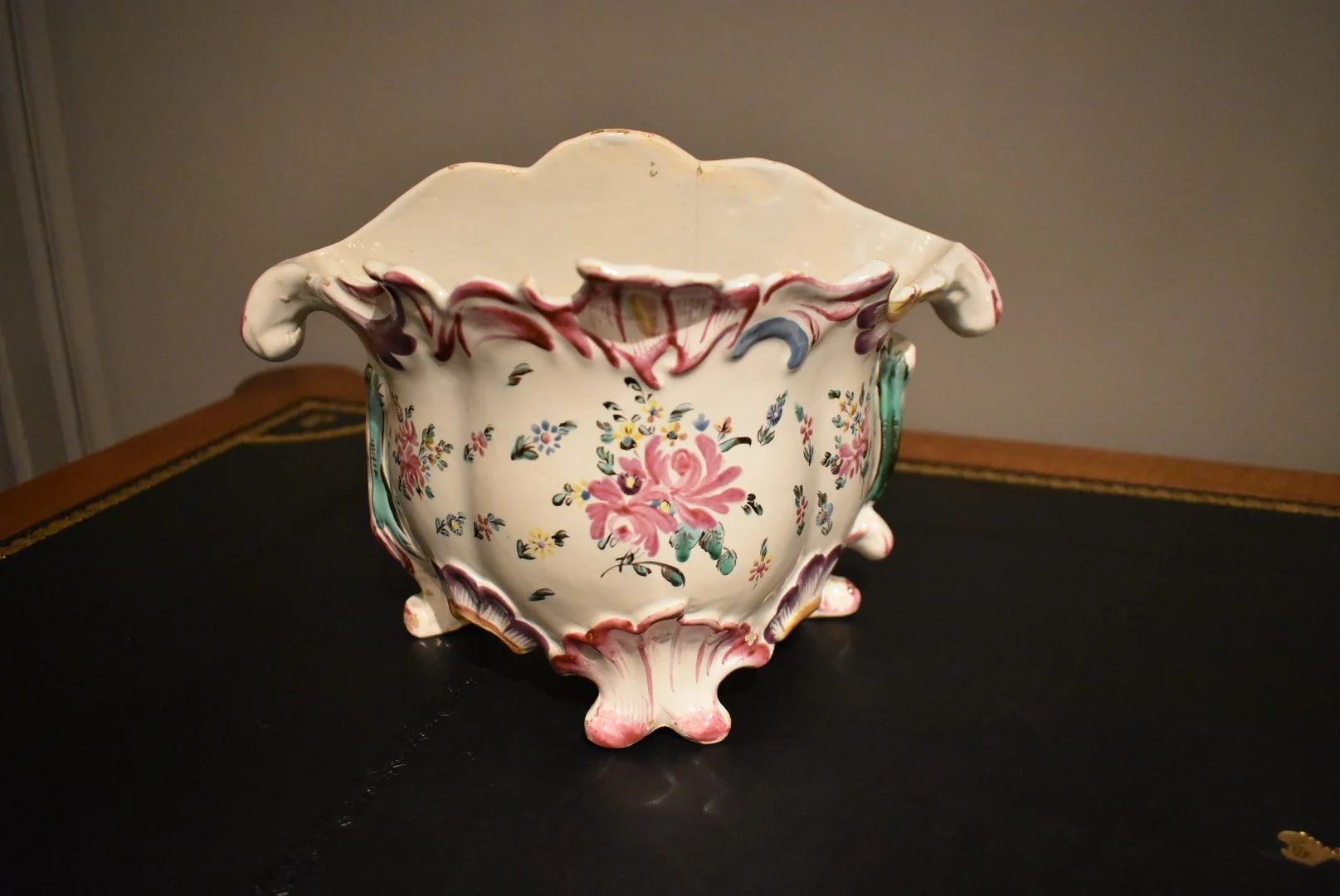
Antiquités Anne Marie Perrier — La Boisse
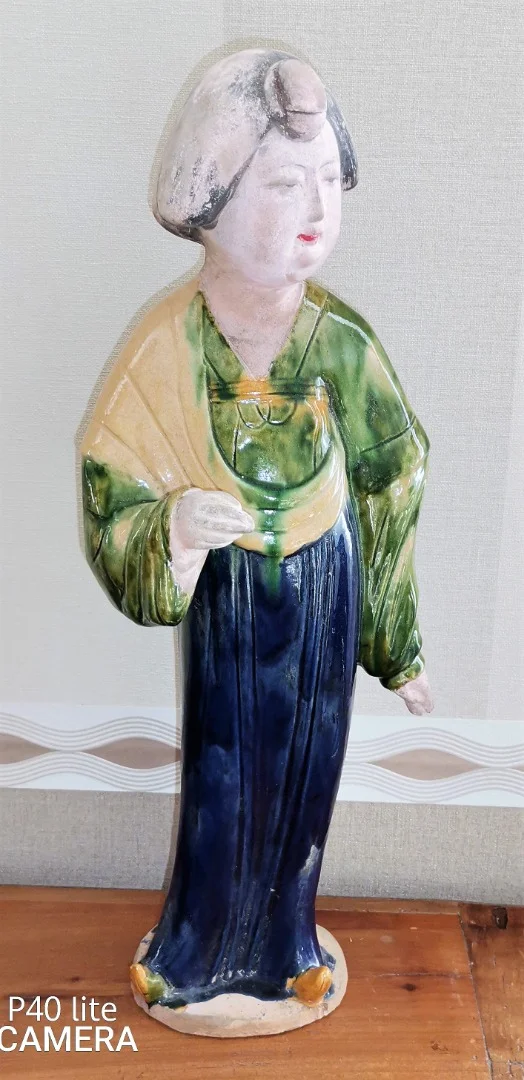
Antiquités "Le Vieux Matos" L.V.M — La Chapelle-Saint-Martin-en-Plaine
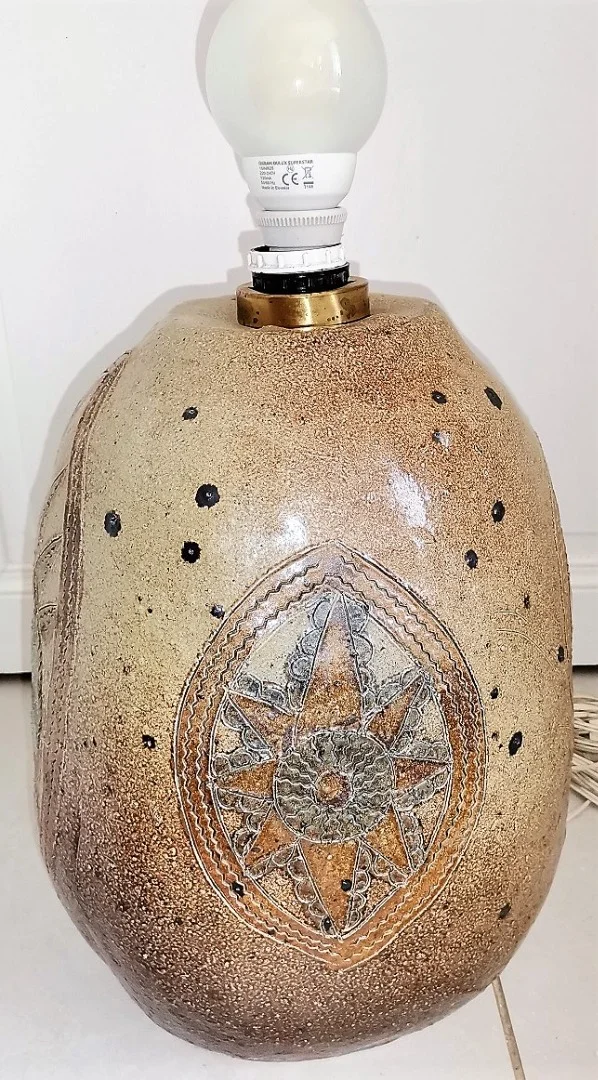
Antiquités "Le Vieux Matos" L.V.M — La Chapelle-Saint-Martin-en-Plaine
Antiquités Anne Marie Perrier — La Boisse
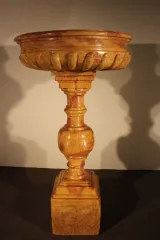
Au Réveil Du Temps — Saint-Nabord
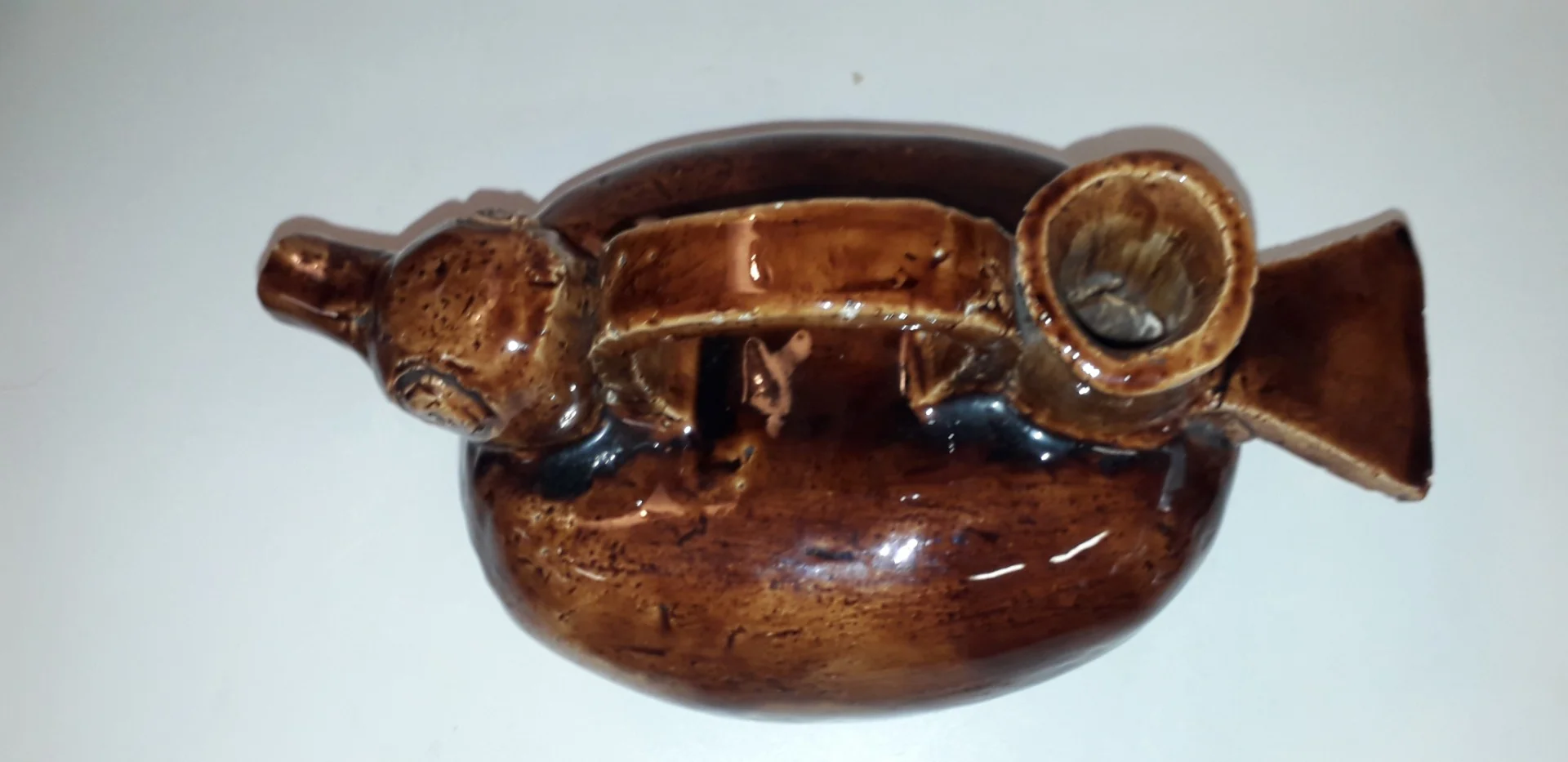
Antiquités "Le Vieux Matos" L.V.M — La Chapelle-Saint-Martin-en-Plaine
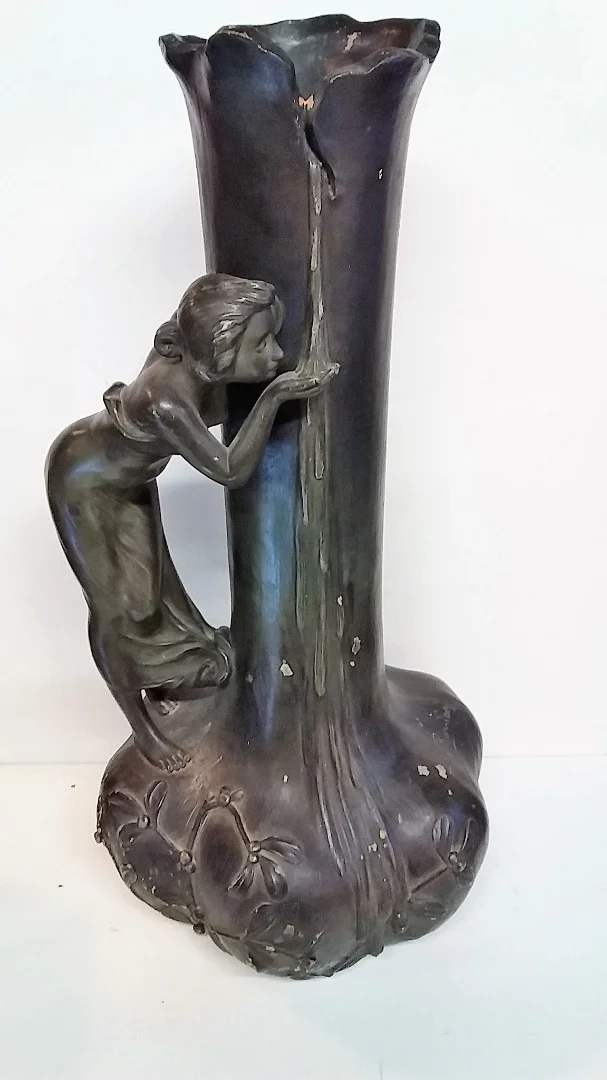
Antiquités "Le Vieux Matos" L.V.M — La Chapelle-Saint-Martin-en-Plaine
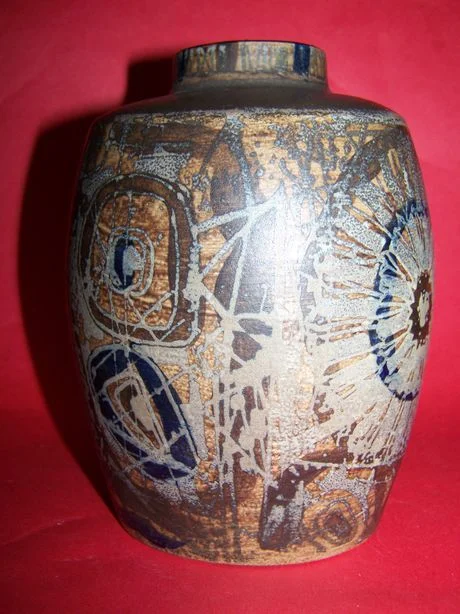
Antiquités "Le Vieux Matos" L.V.M — La Chapelle-Saint-Martin-en-Plaine
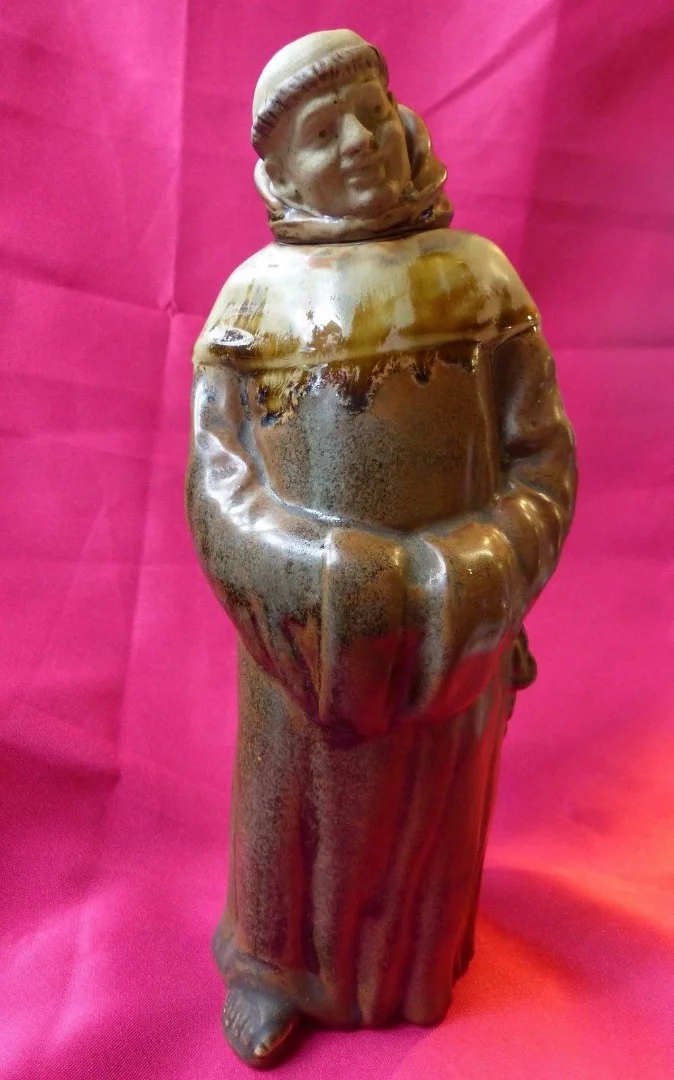
Antiquités "Le Vieux Matos" L.V.M — La Chapelle-Saint-Martin-en-Plaine

Antiquités "Le Vieux Matos" L.V.M — La Chapelle-Saint-Martin-en-Plaine
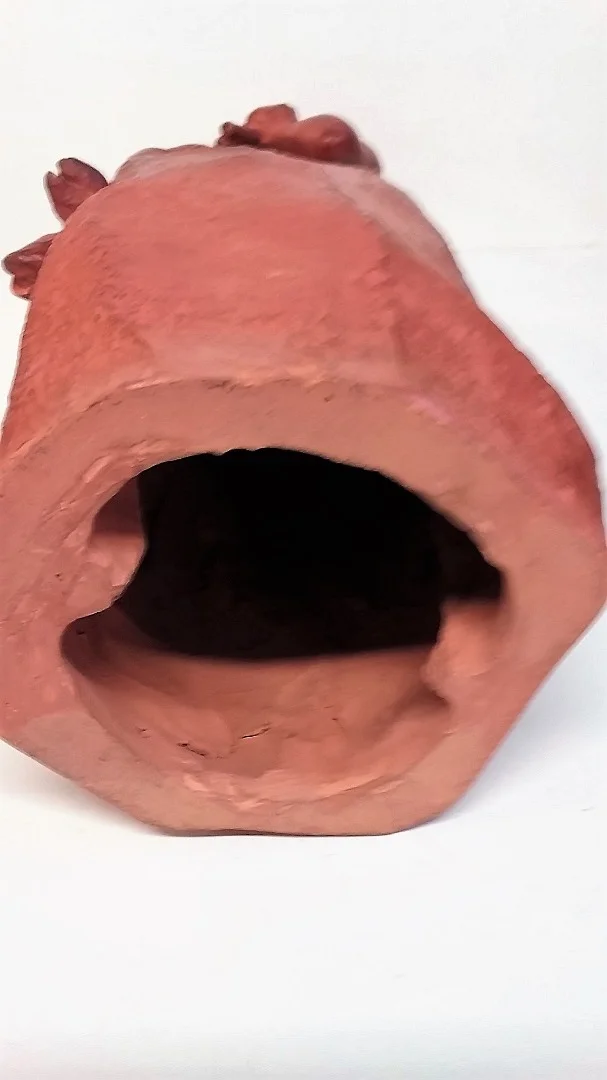
Antiquités "Le Vieux Matos" L.V.M — La Chapelle-Saint-Martin-en-Plaine
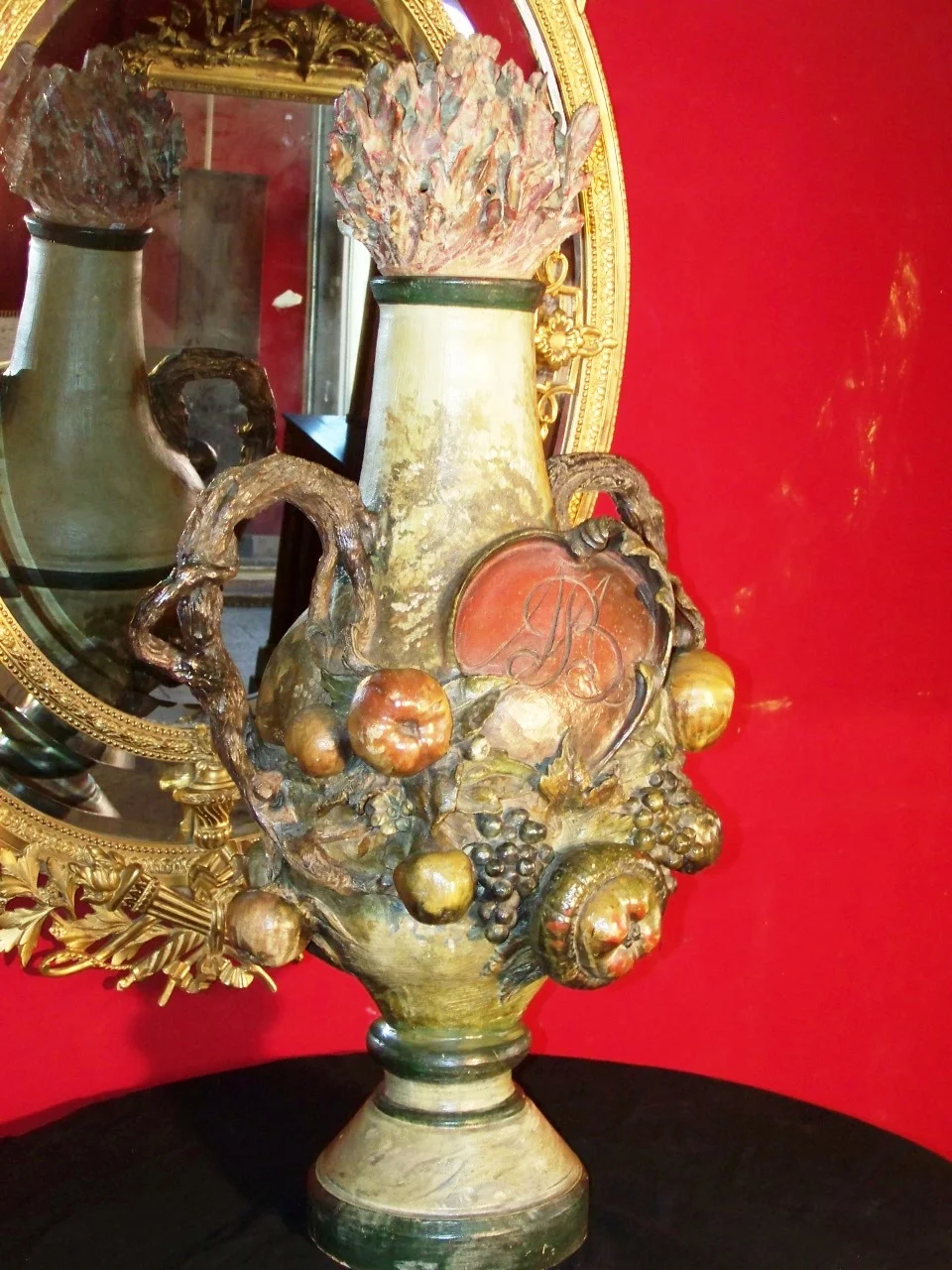
L'atelier De La Dorure — Calmont
Galerie Lauretta — Mandelieu-la-Napoule

Antiquités Lecomte — Héric
To authenticate antique pottery, start with the body itself: genuine old stoneware shows a dense, vitrified break, typically grey or buff, while period terracotta reveals a porous texture with visible mineral inclusions. An unglazed foot-ring, faint throwing rings on the interior and slight asymmetry are all positive signs of hand-crafted, pre-industrial manufacture — the opposite of modern reproductions, which tend to be unnaturally uniform and lightweight.
Signed or workshop-marked pieces command a premium. Antique glazed stoneware crocks sometimes carry an impressed or incised maker's mark beneath the base: the Alsatian workshops of Betschdorf and Soufflenheim, the La Borne atelier in the Cher, and the Vallauris tradition in the Alpes-Maritimes are among the most sought-after by collectors. A documented provenance — an old receipt, a sale label, a mention in a household inventory — adds meaningful value to any piece.
On the question of budget, a good-quality everyday antique pottery piece typically sells for between £30 and £200. A signed example from a recognised workshop in excellent condition can exceed £500, and rare 17th- or 18th-century production may reach several thousand pounds depending on rarity and condition. Always check for running cracks, rim chips and any restoration disguised by overpainting. Antique kitchen antiques offer a natural collecting context alongside pottery, where old storage jars, terrines and pitchers sit perfectly at home.
On Antiquités en France, every piece is offered by a verified professional antique dealer who can supply detailed photographs, exact dimensions and the full history of the object. Browse the antique jars and jugs currently available and contact the dealer directly with any questions before you buy.