
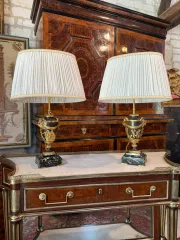
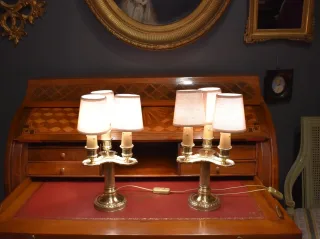
PAIR OF NAPOLÉON III GILT BRONZE LAMPS AFTER A MODEL BY CLODION
Romain Lichtensztein — Maignelay-Montigny
1 000,00 €
862 objects found
From Empire candelabras to Art Deco lamps in moulded glass, antique lighting has always united function with artistry. Gilt bronze, cut crystal, painted faience, patinated brass — each material signals a period and a level of craftsmanship. Antique chandeliers with sweeping arms sit alongside wall sconces, table lamps and hall lanterns, every piece offered by a verified professional dealer.
Spotting a genuine period light fixture means examining the mounts closely: hand-chased metalwork, slightly irregular thread on the screws, and a naturally uneven patina are all reassuring signs. A gilt bronze chandelier from the Napoléon III era, for instance, is typically distinguished by its cut-crystal drops and finely chased S-scroll arms.
862 objects found
Romain Lichtensztein — Maignelay-Montigny
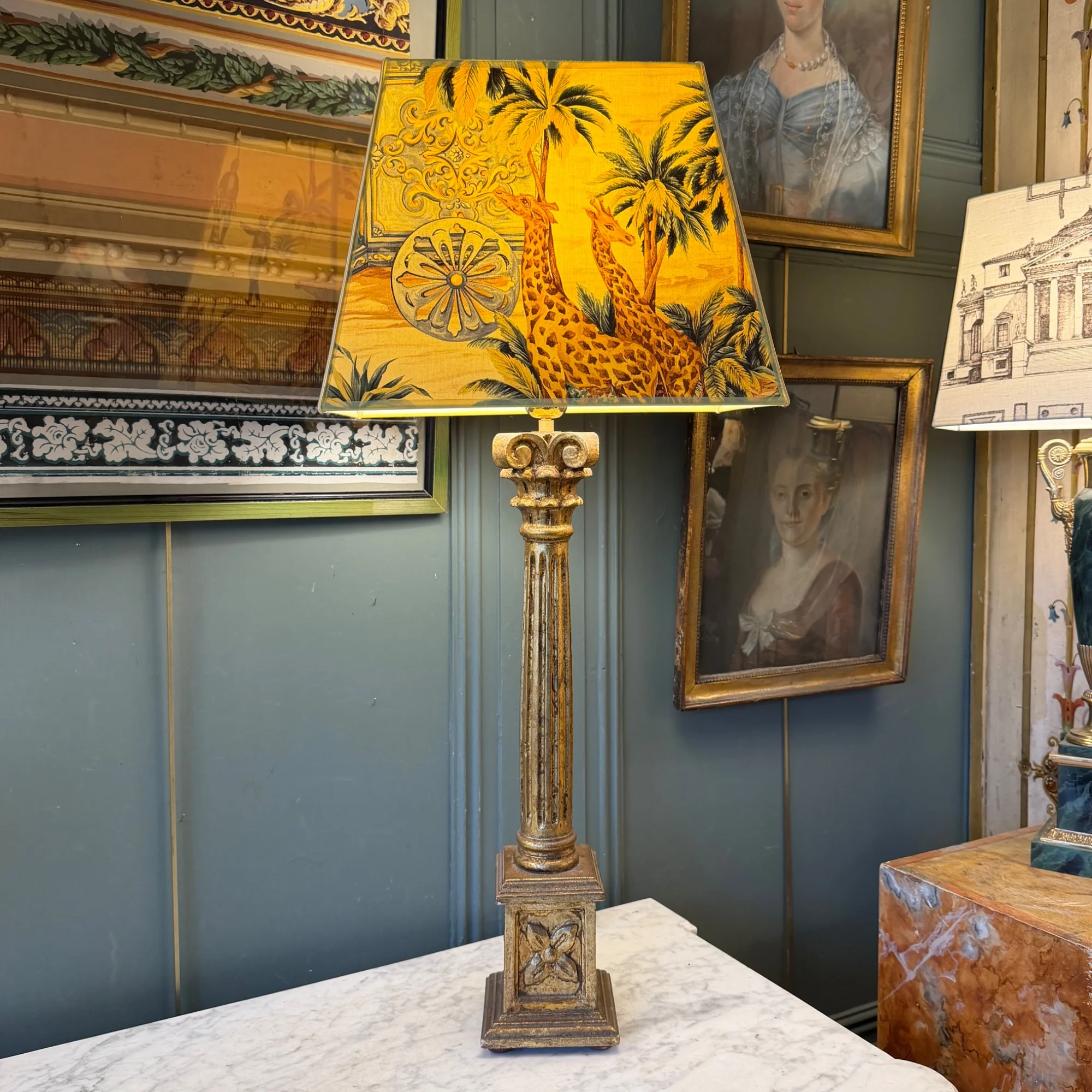
Ponvianne Antiquités — Marcy-l'Étoile
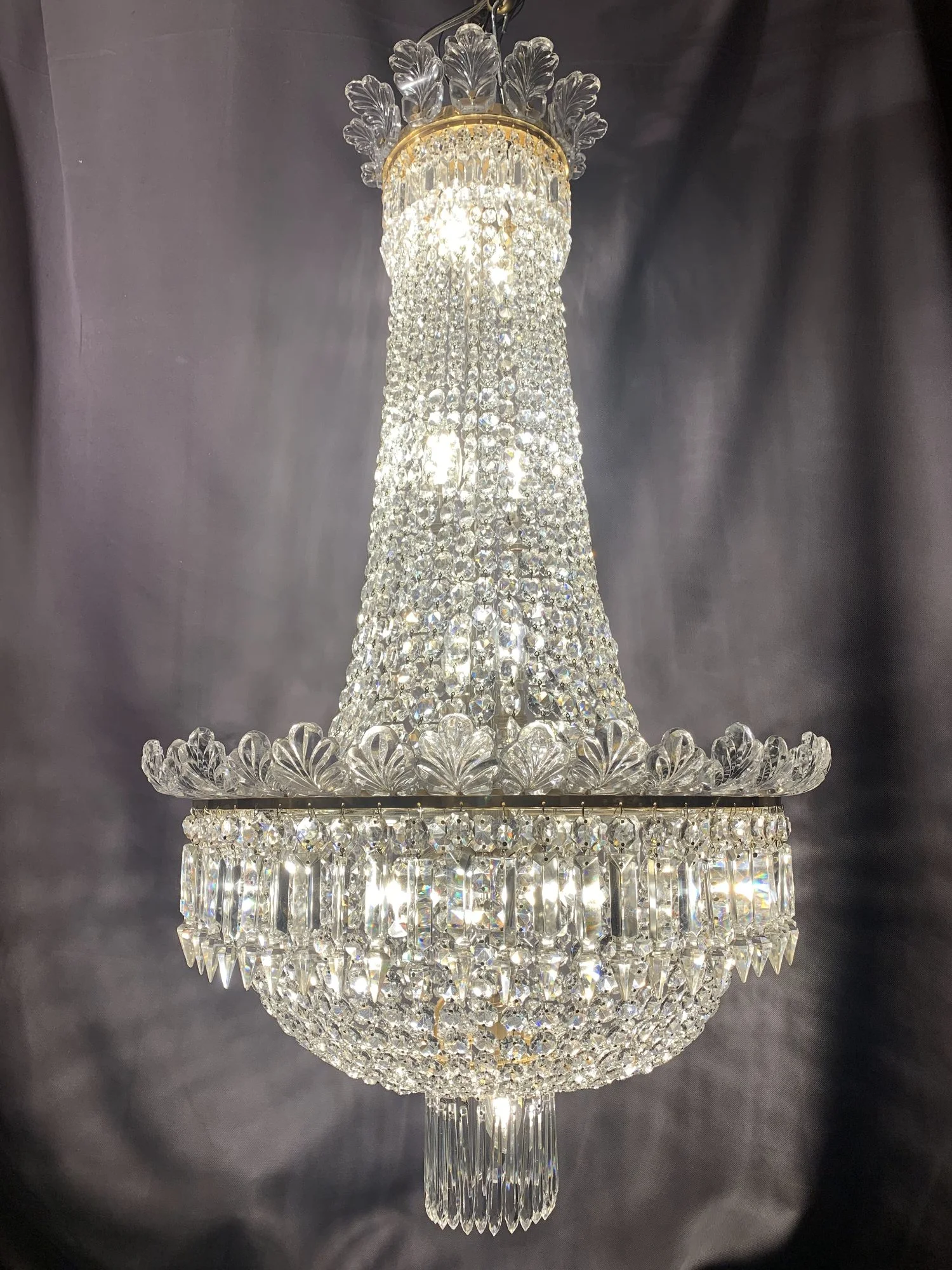
LE SOLEIL ROUGE — Lyon 7e Arrdt

Ponvianne Antiquités — Marcy-l'Étoile
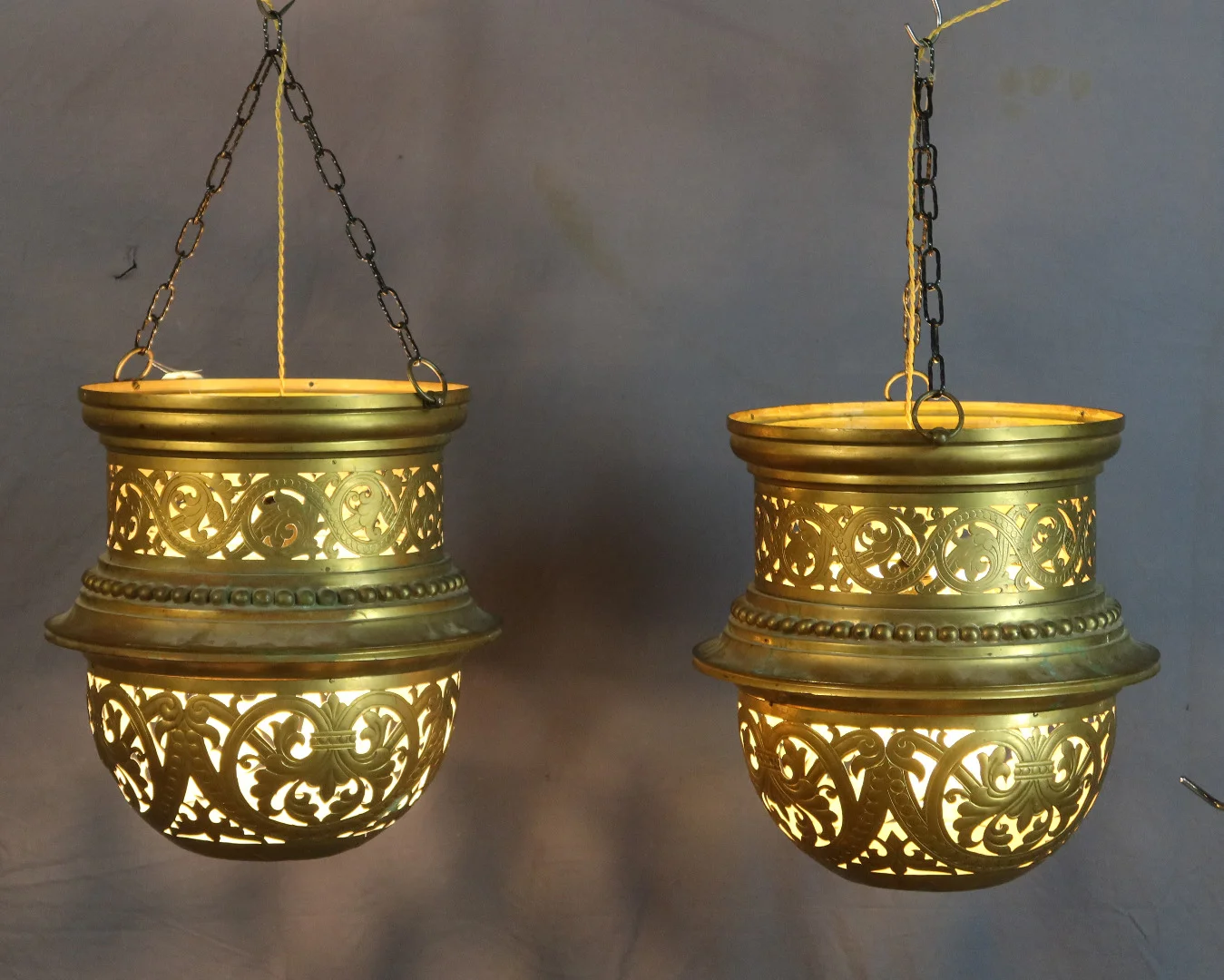
Philippe Cote Antiquites — Chauffailles
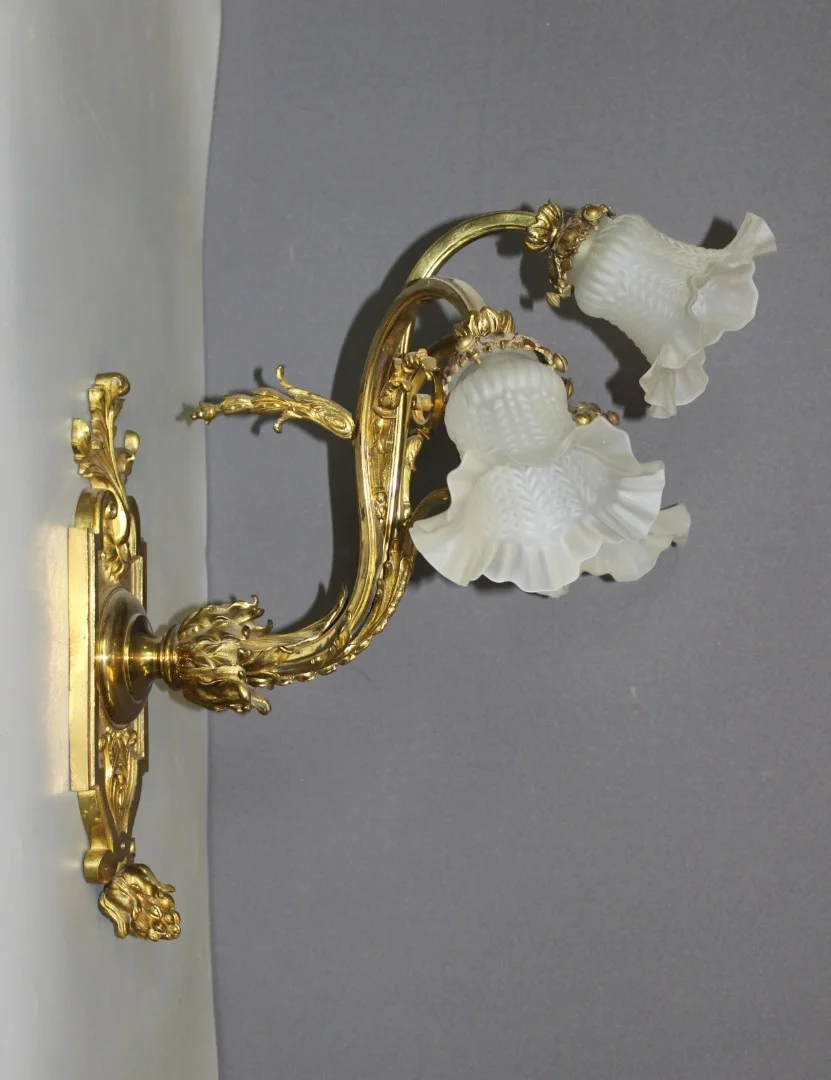
Antiquités Christophe Rochet — Villeurbanne
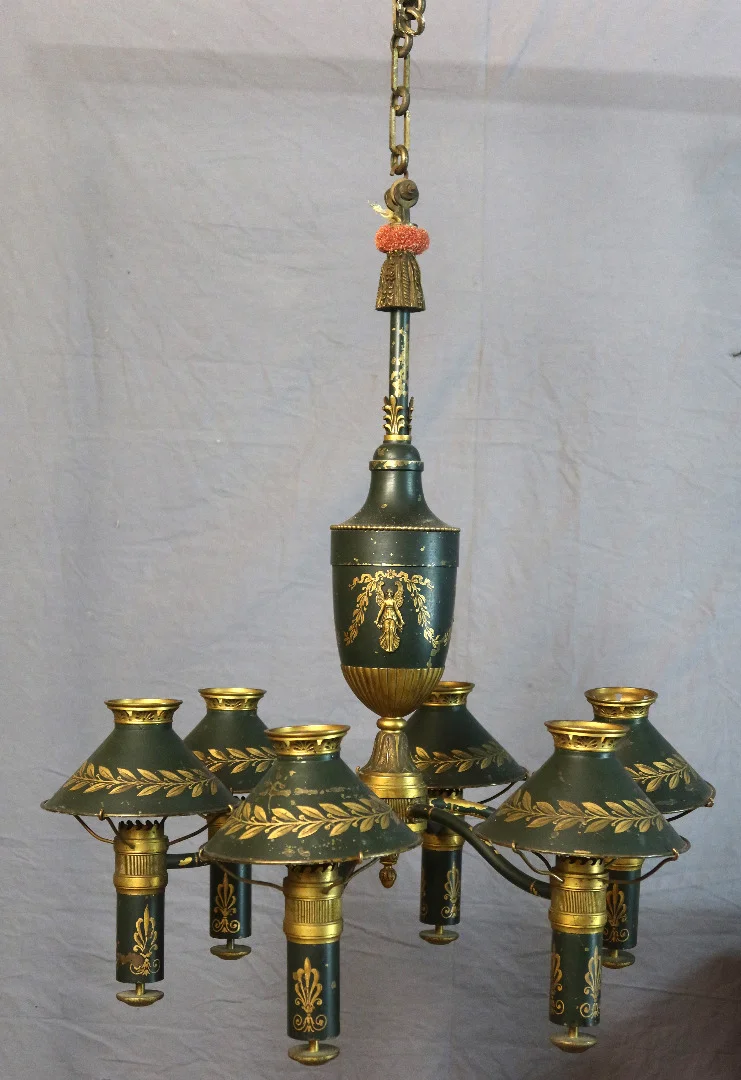
Philippe Cote Antiquites — Chauffailles
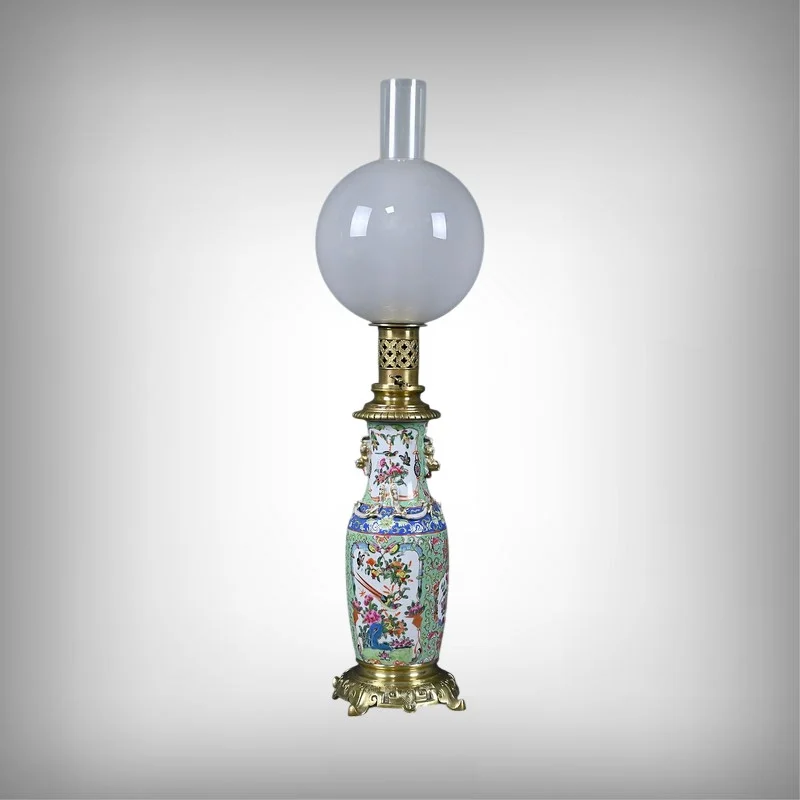
Antiquités Lecomte — Héric
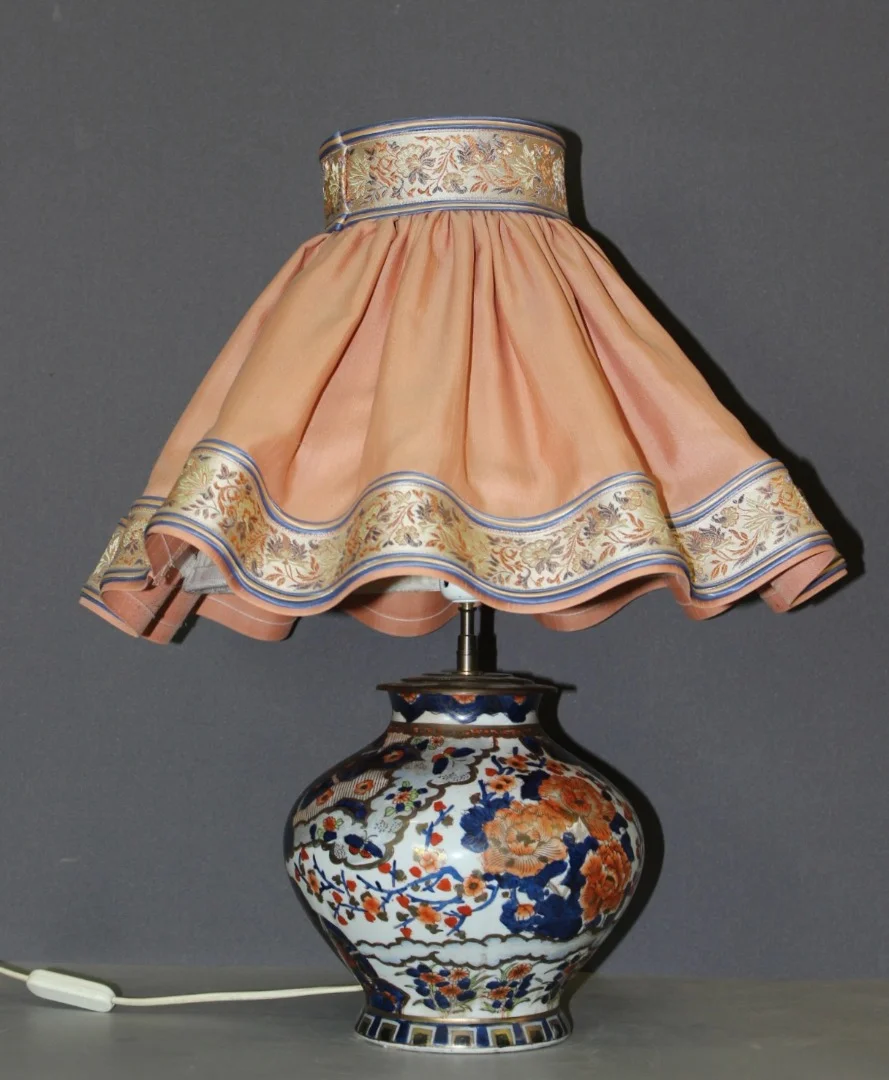
Antiquités Christophe Rochet — Villeurbanne

Antiquités Anne Marie Perrier — La Boisse
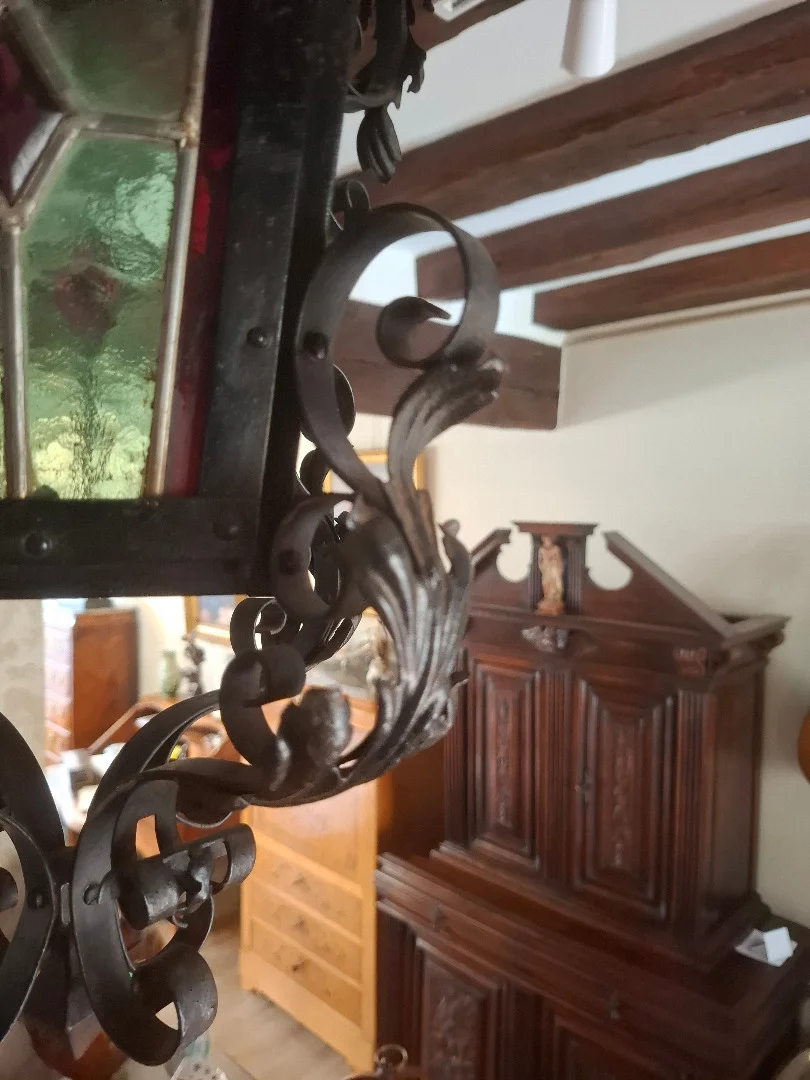
ANTIQUITES VANGEON — Chartres
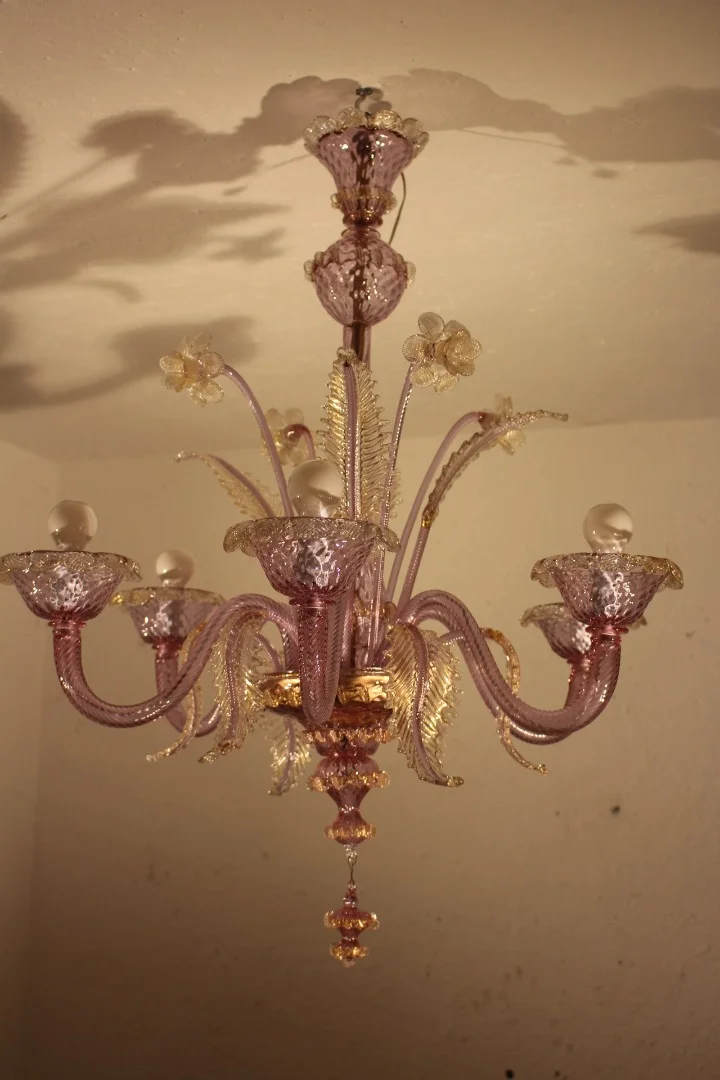
Au Réveil Du Temps — Saint-Nabord
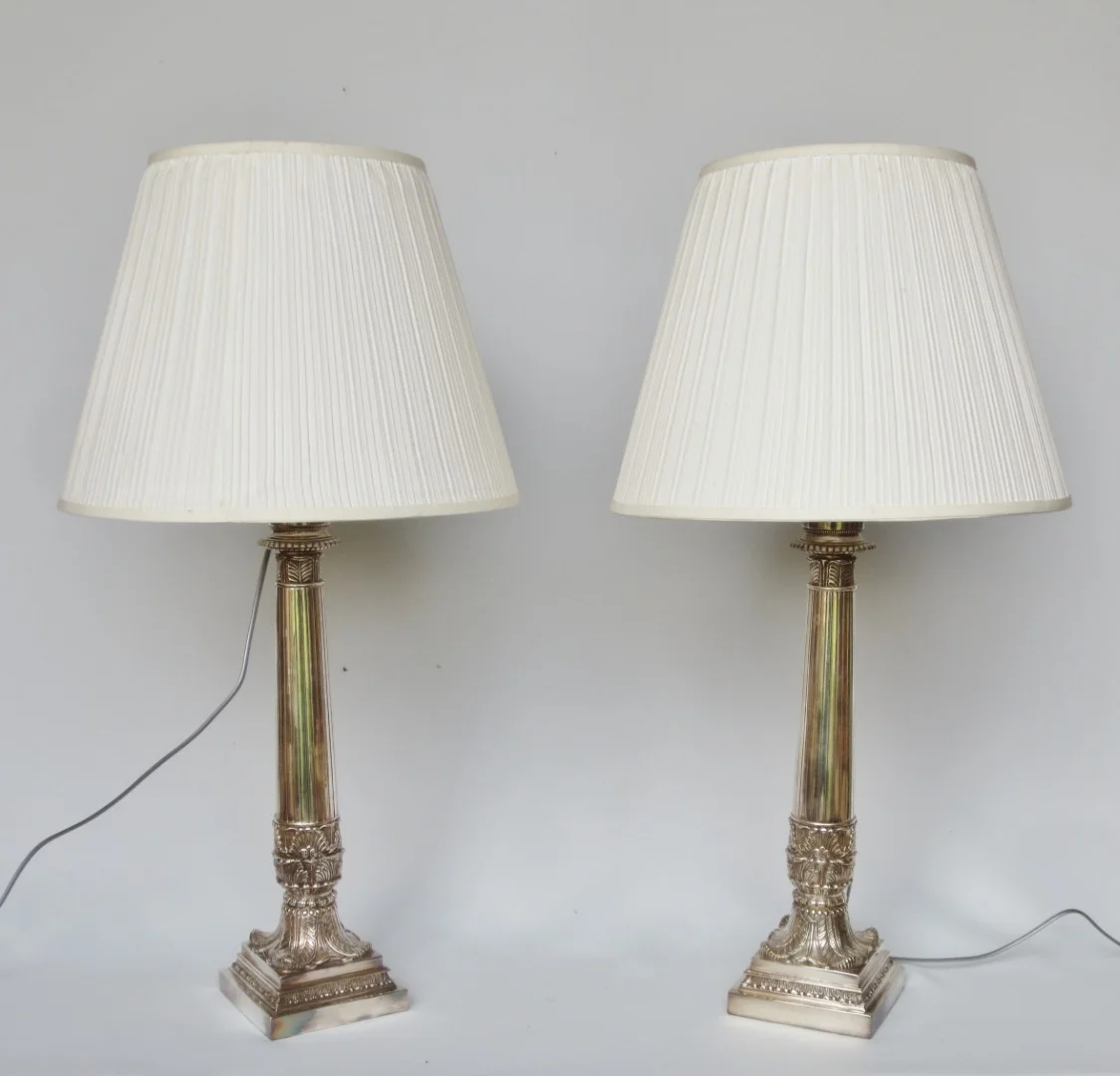
Anne Besnard — Saint-Ouen

Anne Besnard — Saint-Ouen
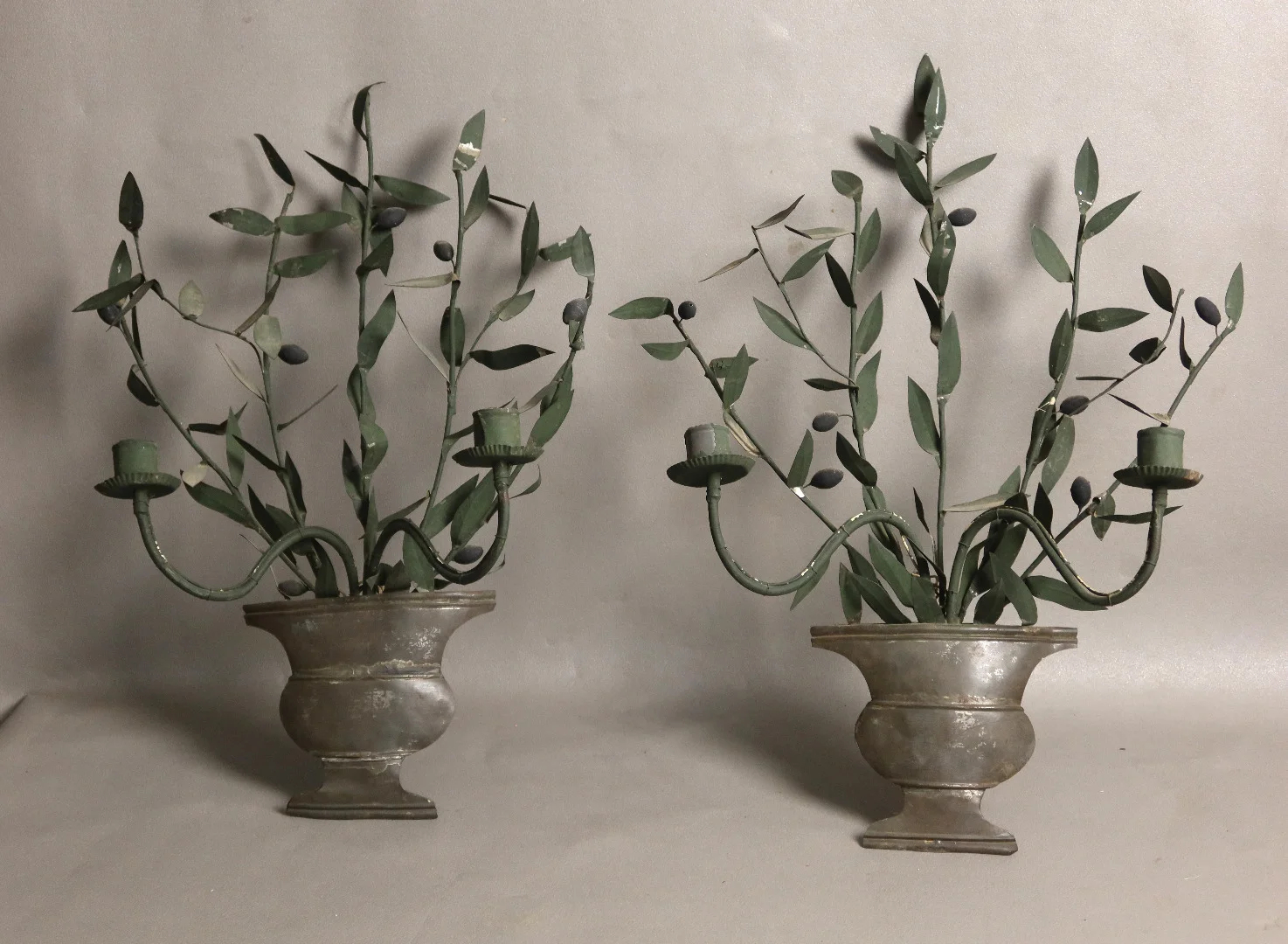
Philippe Cote Antiquites — Chauffailles
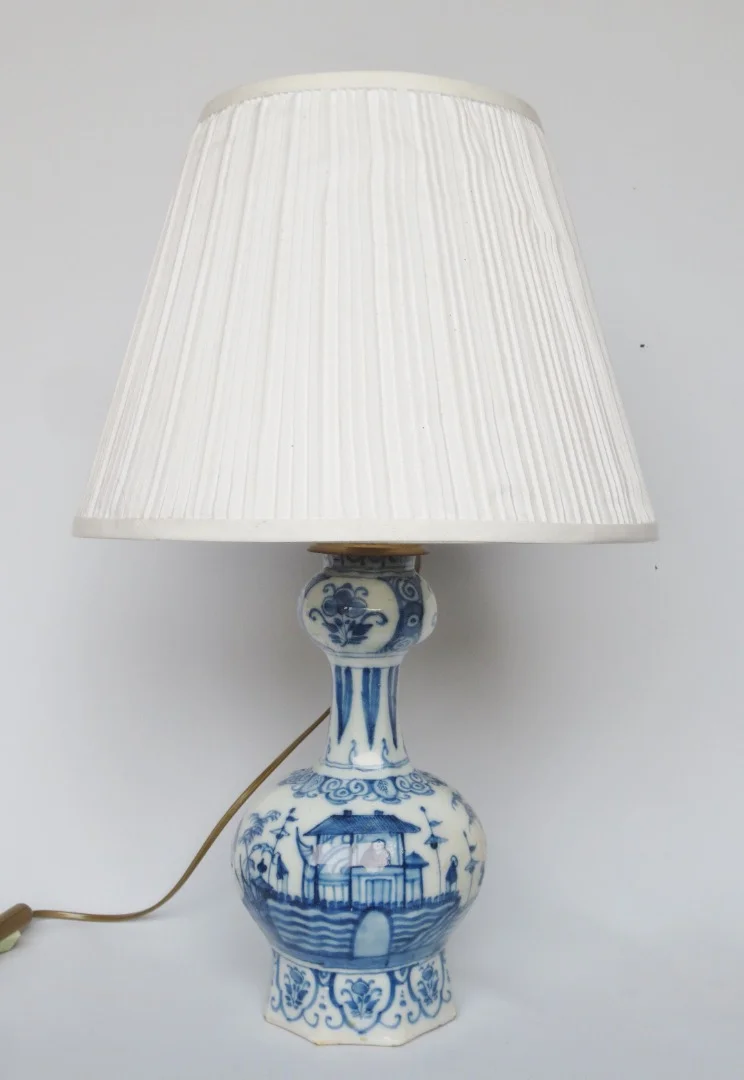
Anne Besnard — Saint-Ouen
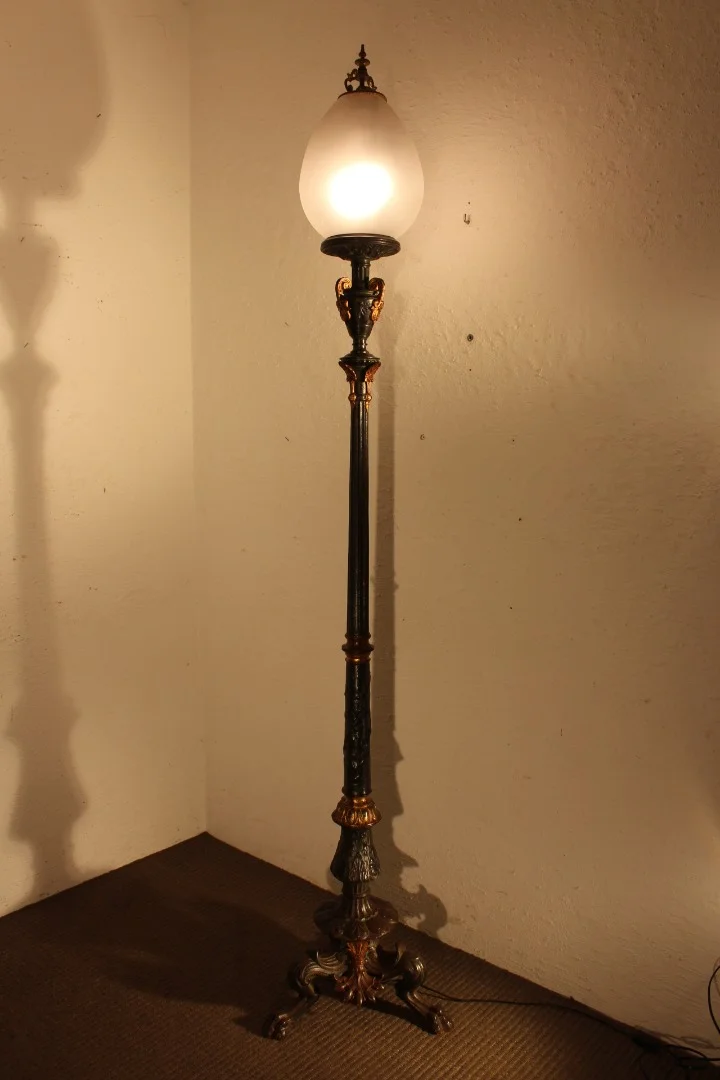
Au Réveil Du Temps — Saint-Nabord
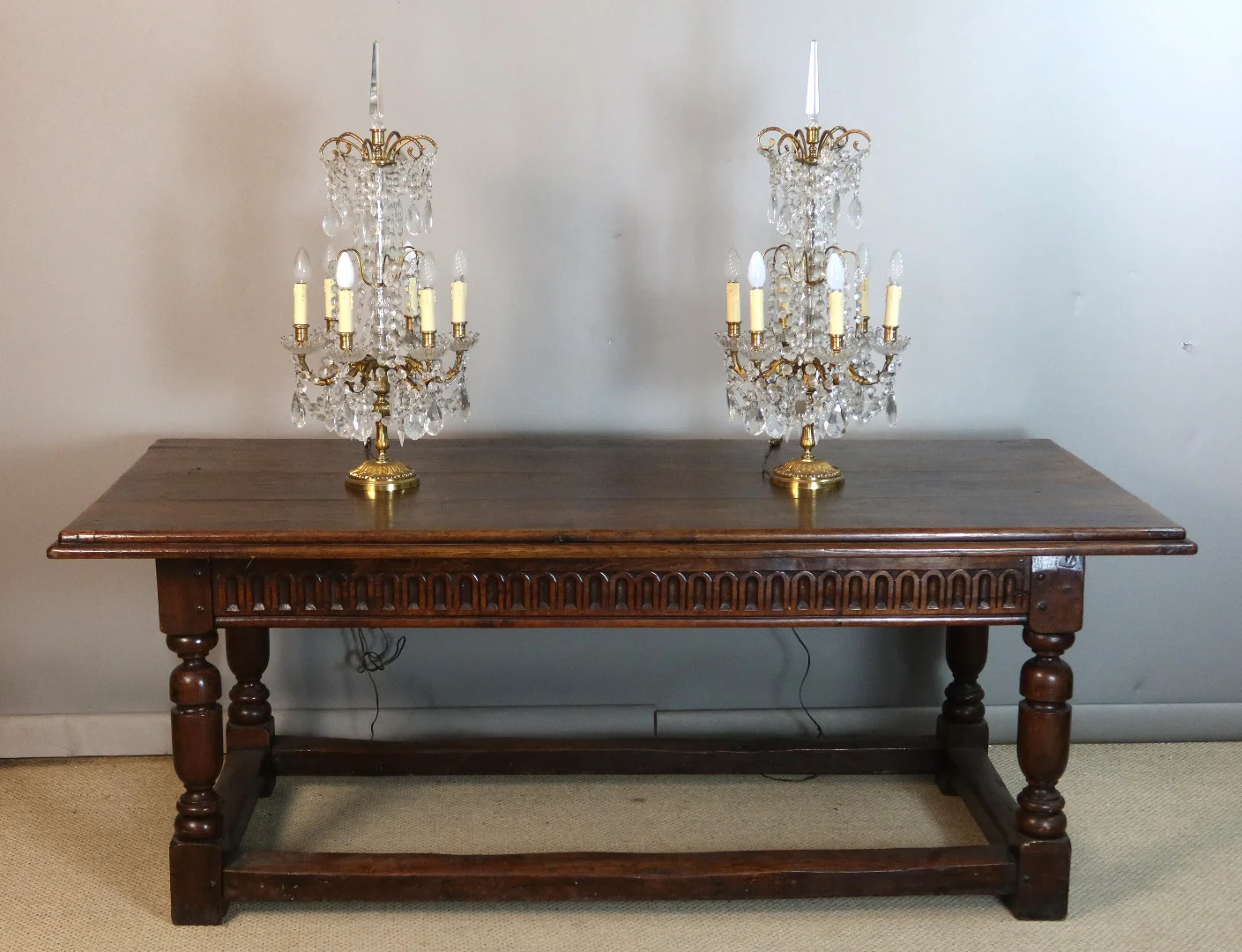
Philippe Cote Antiquites — Chauffailles
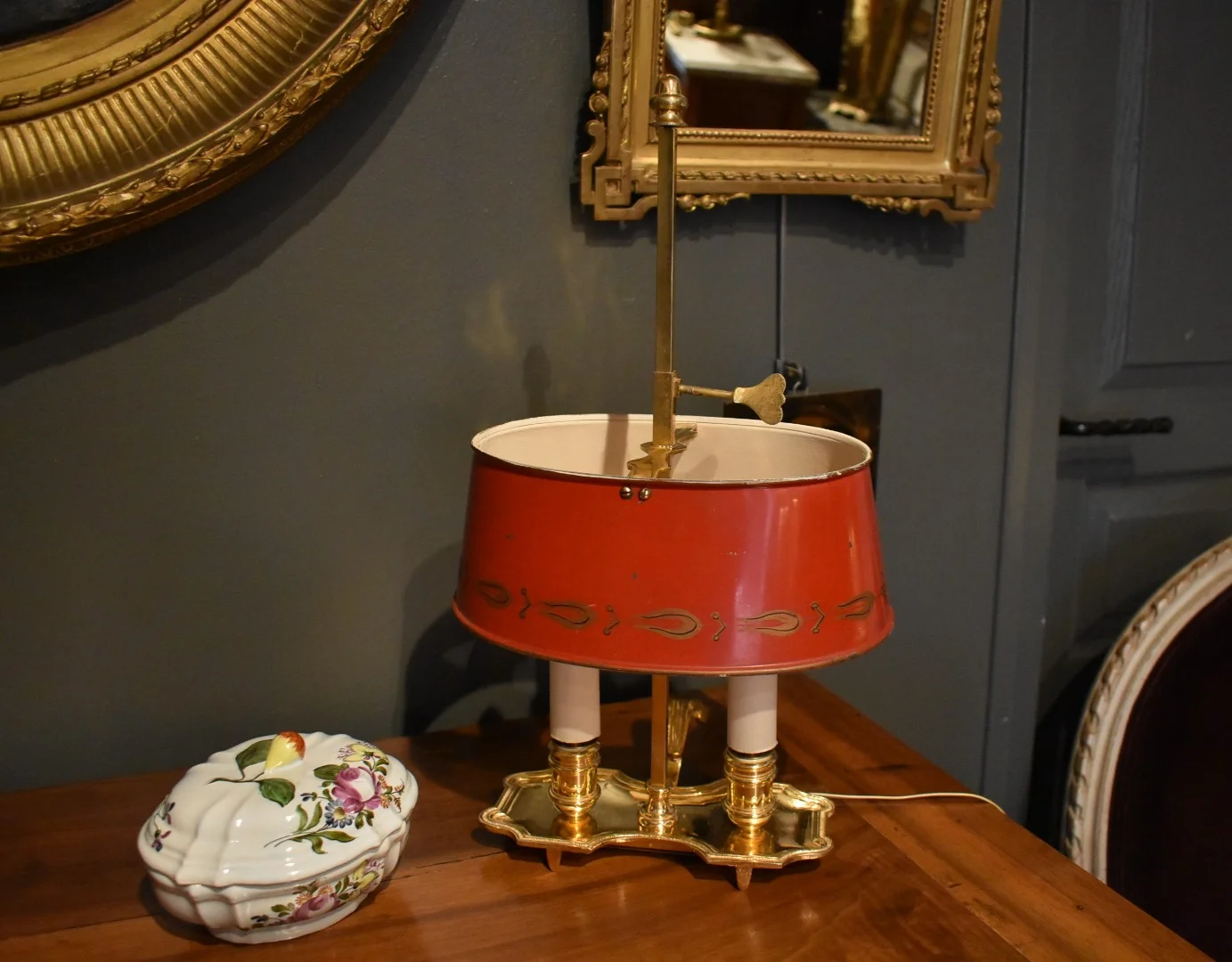
Antiquités Anne Marie Perrier — La Boisse
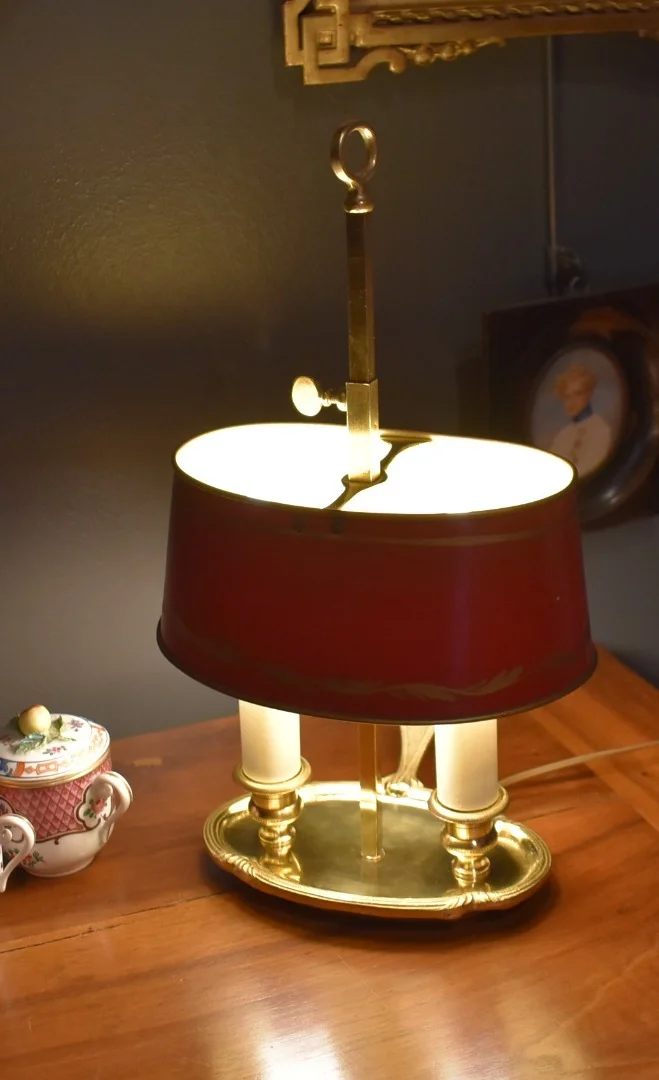
Antiquités Anne Marie Perrier — La Boisse
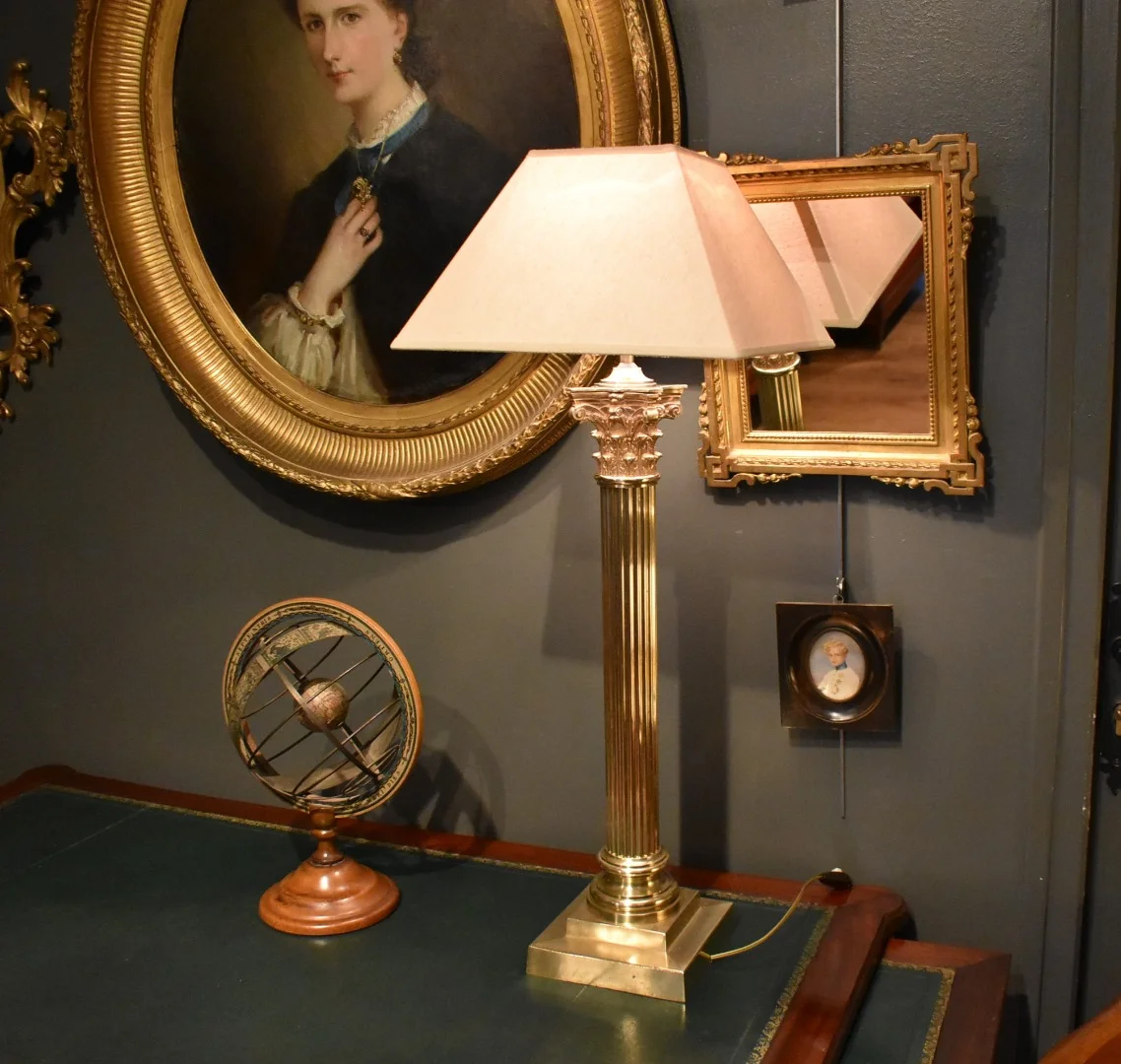
Antiquités Anne Marie Perrier — La Boisse
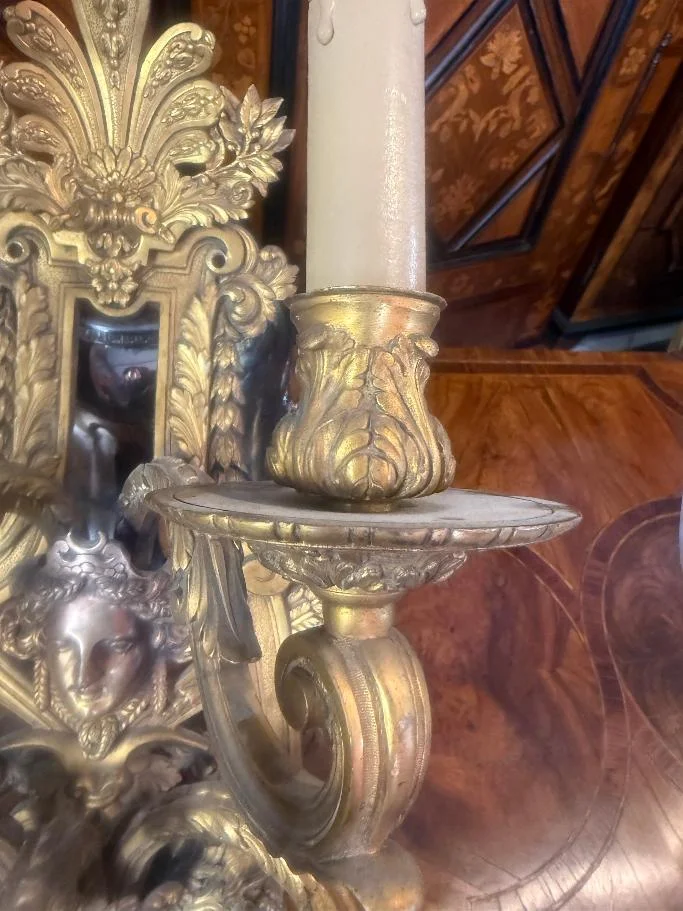
Romain Lichtensztein — Maignelay-Montigny
Antiquités GUY Jacques — Buchères
Antiquités Anne Marie Perrier — La Boisse
When buying antique lighting, start by identifying the style and period. Scrolling foliage and floral motifs point to Louis XV or Art Nouveau origins, while geometric lines and industrial materials — chromium-plated brass, frosted glass — are hallmarks of the 1920s and 1930s. Examine the metalwork carefully: mechanically regular chasing often betrays a later reproduction, whereas early cast pieces carry the subtle irregularities of hand craftsmanship.
Wiring is a practical priority that should never be overlooked. Period electrical fittings almost never meet current safety standards, so budget for rewiring by a qualified electrician before use. Also check the integrity of crystal drops, antique blown-glass shades and pâte-de-verre panels — partial replacements are common and need not diminish value significantly, provided the substitute elements are themselves period pieces. For antique wall sconces, confirm that the original back-plates are intact and have not been re-drilled for a later installation.
Prices span a very wide range. A patinated bronze wall sconce from the 19th century can be acquired for a few hundred pounds or euros, while a large Restauration-period cut-crystal chandelier or a signed lamp by Gallé or Daum may reach several thousand — or even tens of thousands. Signature, documented provenance and overall condition are the three principal drivers of value. If you are drawn to utilitarian or workshop aesthetics, also explore industrial antiques, where factory and atelier lighting offers bold character at accessible prices.
On Antiquités en France, every light fixture is listed by a verified professional dealer who can supply detailed photographs, precise dimensions and honest condition notes. Browse the full selection and contact your chosen dealer directly for a purchase made with complete peace of mind.