
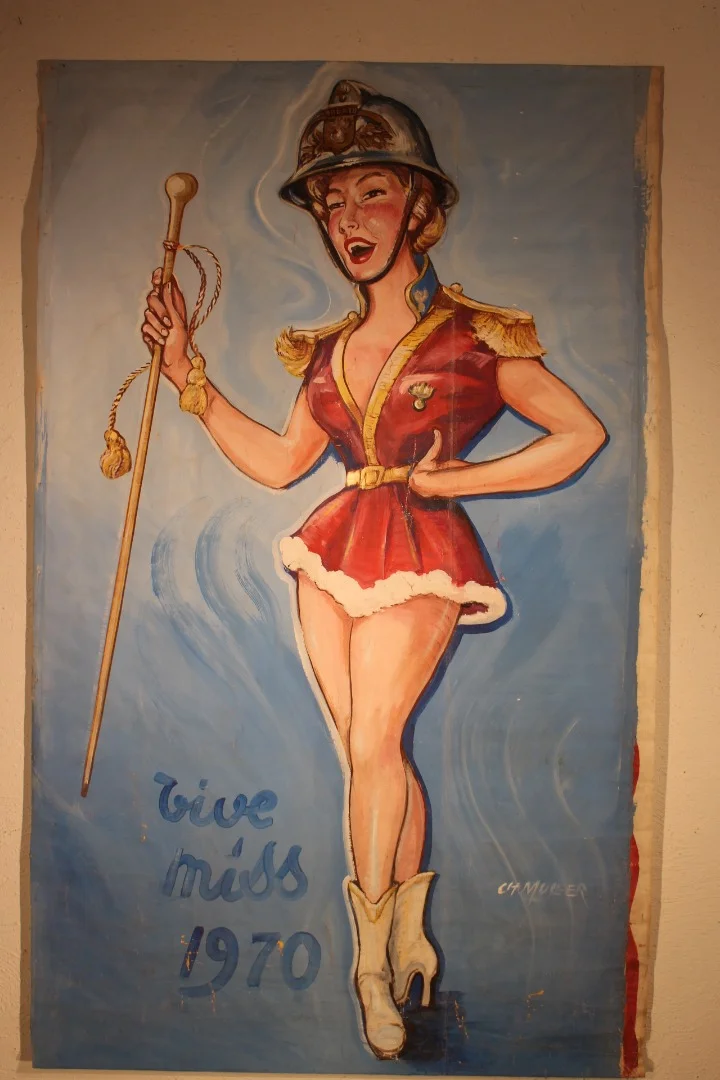
KERMESSE CLOTH
Au Réveil Du Temps — Saint-Nabord
490,00 €
17 objects found
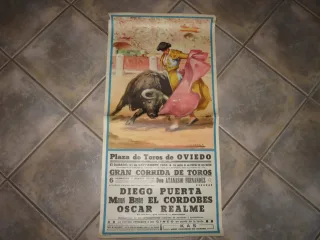
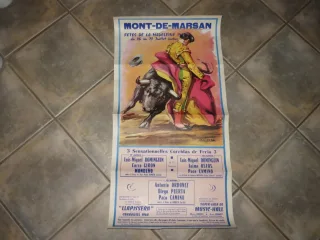
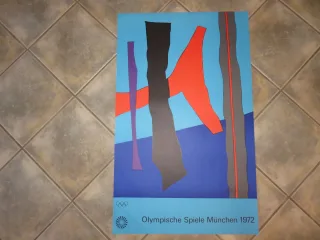
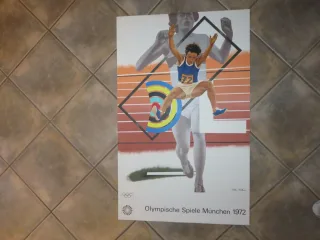
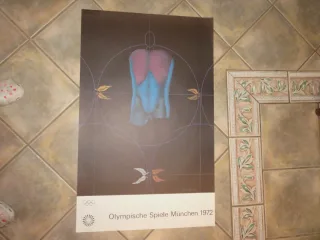
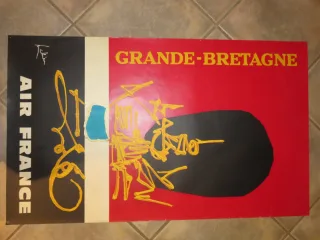
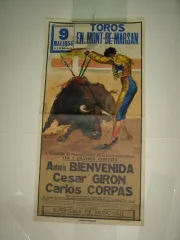
Vintage original posters rank among the most vibrant sectors of the antique paper market. Emerging with industrialised colour lithography in the 1880s, they reached their artistic peak between the Belle Époque and the 1960s, through the hands of masters such as Cassandre, Cappiello, Mucha and Paul Colin. Whether antique advertising posters promoting aperitifs or automobiles, or vintage travel posters celebrating the great railway and shipping companies, each piece is a unique graphic document of its era.
17 objects found
Au Réveil Du Temps — Saint-Nabord

Au Réveil Du Temps — Saint-Nabord
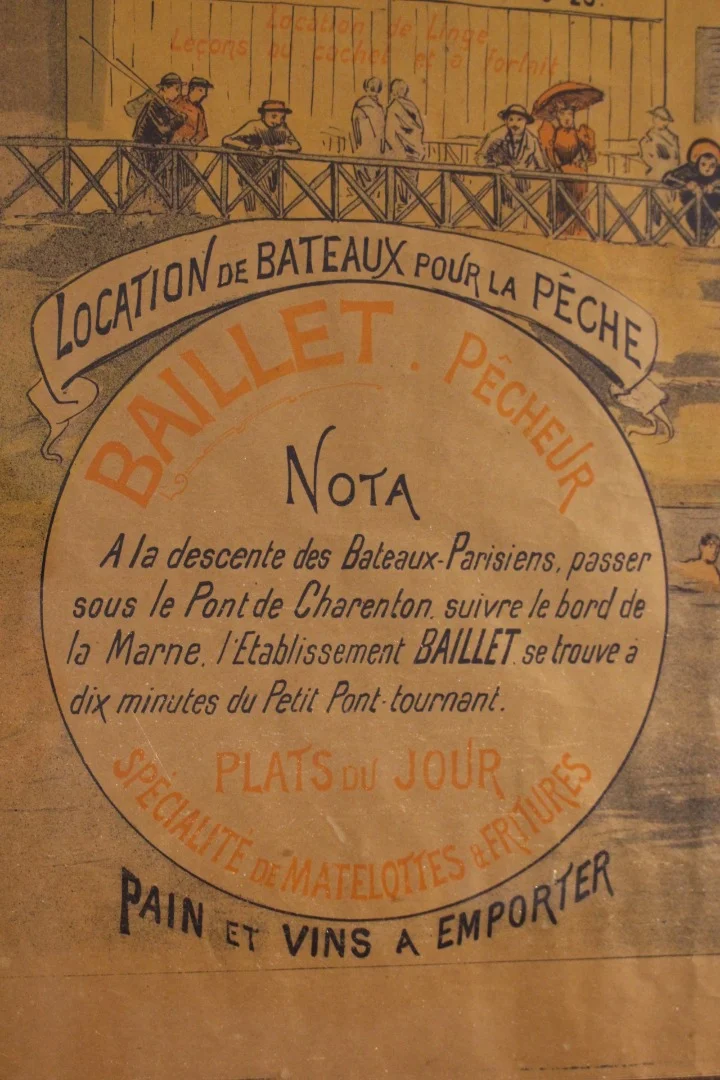
Au Réveil Du Temps — Saint-Nabord

Le Grand Chêne — Anduze
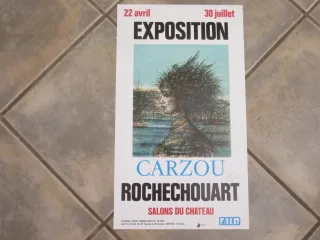
Sarl Cave — Limoges
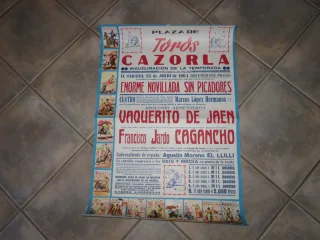
Sarl Cave — Limoges
Sarl Cave — Limoges
Sarl Cave — Limoges
Sarl Cave — Limoges
Sarl Cave — Limoges
Sarl Cave — Limoges

Sarl Cave — Limoges
Sarl Cave — Limoges
Sarl Cave — Limoges
Sarl Cave — Limoges
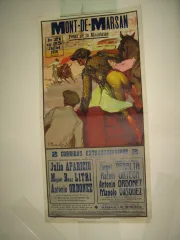
Sarl Cave — Limoges
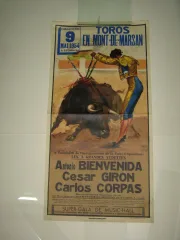
Sarl Cave — Limoges
Identifying a genuine vintage original poster requires a few key reference points. A period lithograph shows a visible printing dot pattern under a loupe, colours gently faded by time, and paper whose weight and ageing are consistent with the stated date. Be wary of modern offset reproductions, often sold as originals: their perfectly regular dot screen and unnaturally white, smooth paper give them away. The presence of a white margin bearing the printer's name — Chaix, Vercasson, Devambez — is a reliable indicator of authenticity.
In terms of condition, a well-preserved antique lithograph poster shows no tears running through the image, no significant foxing, and no clumsy restoration. Linen-backing — a professional practice common from the outset — is not a flaw: it stabilises the paper and makes framing straightforward. Always check the state of any folds, inevitable on pieces that were actually displayed, and assess whether any restoration work is coherent and discreet. French vintage cinema posters from the 1930s–1960s, often printed in large format, are particularly sought after and deserve careful examination front and back.
Budget-wise, prices range from a few dozen pounds for a small unsigned regional poster to several thousand for a large signed composition by Cassandre or Mucha in fine condition. Signed Art Nouveau posters and large-format aviation posters from the 1930s are among the most keenly contested lots at auction. A documented provenance — a former collection, gallery stamp or period receipt — always strengthens value.
On Antiquités en France, every poster is offered by a verified professional antique dealer who can provide precise dimensions, a detailed condition report and the piece's history. Browse our original framed lithographs to complement your collection, and contact the dealer directly with any questions before purchasing.