
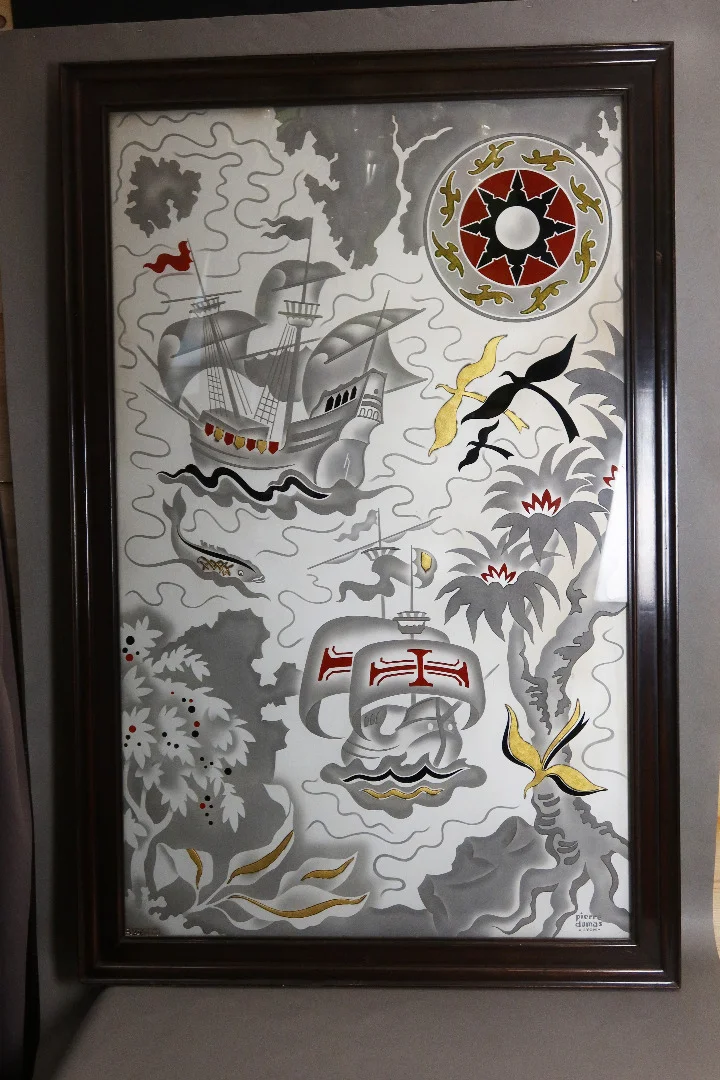
MIRROR by Pierre DUMAS
Philippe Cote Antiquites — Chauffailles
1 250,00 €
395 objects found
The antique mirror ranks among the most sought-after decorative antiques: a testament to the craftsmanship of its era, each piece unites cabinetmaking, gilding and the art of glass. From monumental antique trumeau mirrors to delicate dressing mirrors, every example speaks a distinct style — Louis XV with its swept, carved frames, Louis XVI with its bead-and-reel friezes, Napoléon III with its ebonised and gilded mouldings. The quality of the carved frame, the patina of the gilding and the condition of the glass plate are the first things to assess.
Antique gilt mirrors finished in gold leaf, original mercury-backed plates and engraved Venetian pieces are the categories most prized by collectors and interior designers alike.
395 objects found
Philippe Cote Antiquites — Chauffailles
Antiquités Lecomte — Héric
Philippe Cote Antiquites — Chauffailles
Antiquités Lecomte — Héric
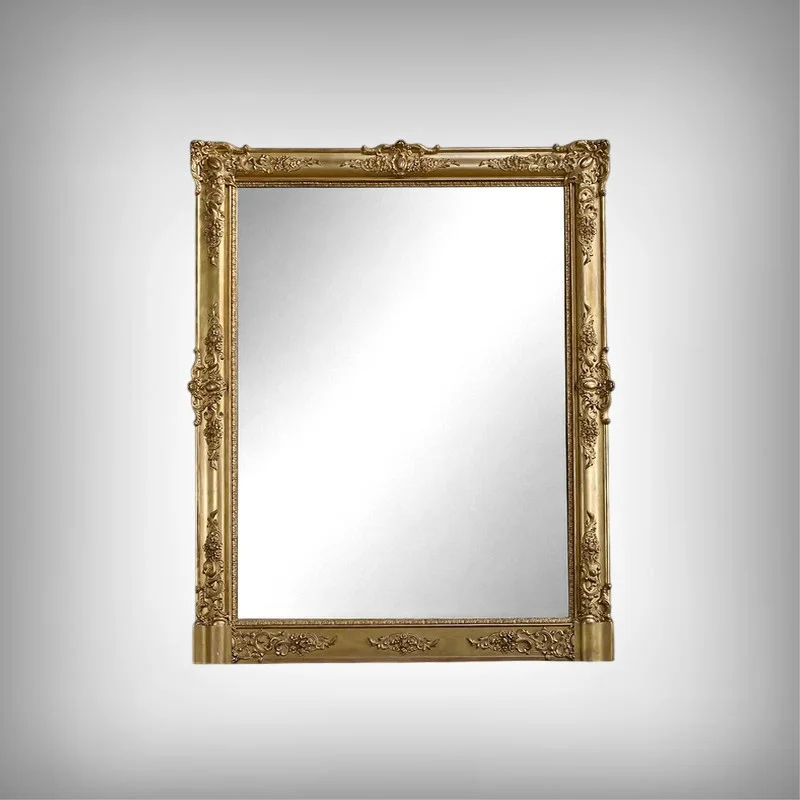
Antiquités Lecomte — Héric
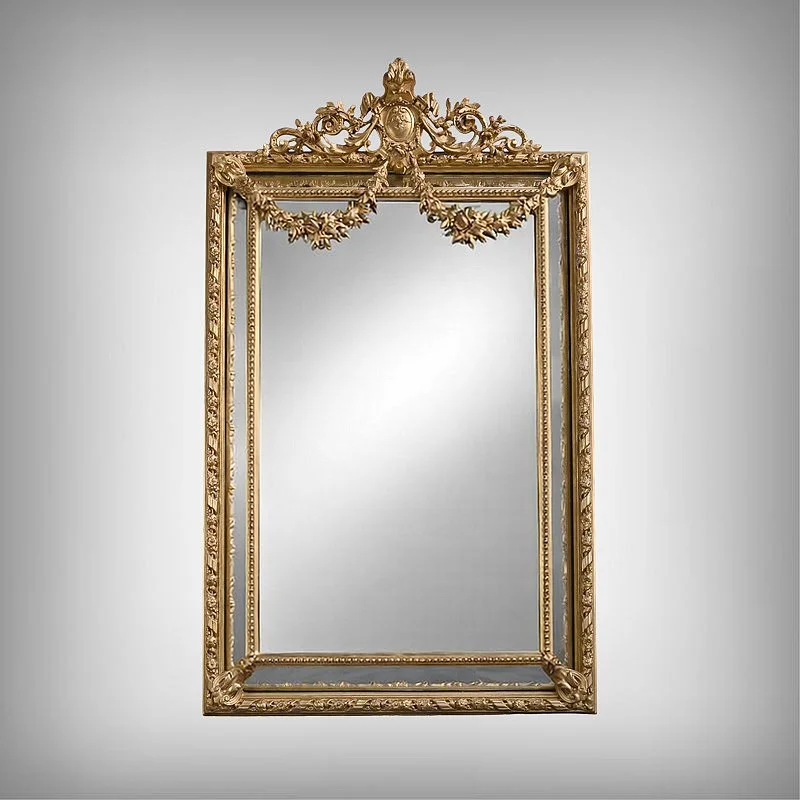
Antiquités Lecomte — Héric
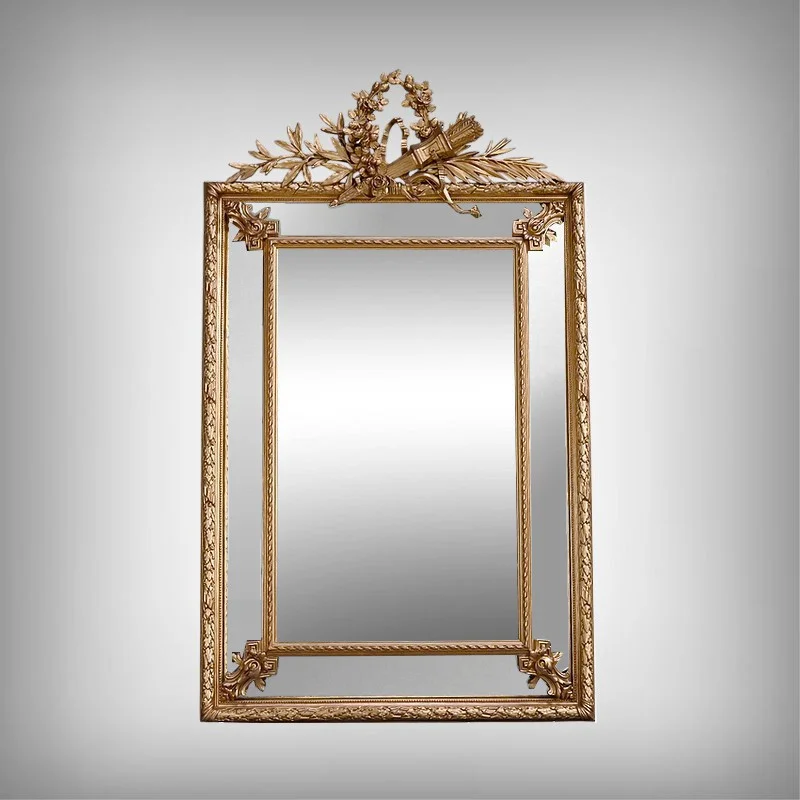
Antiquités Lecomte — Héric
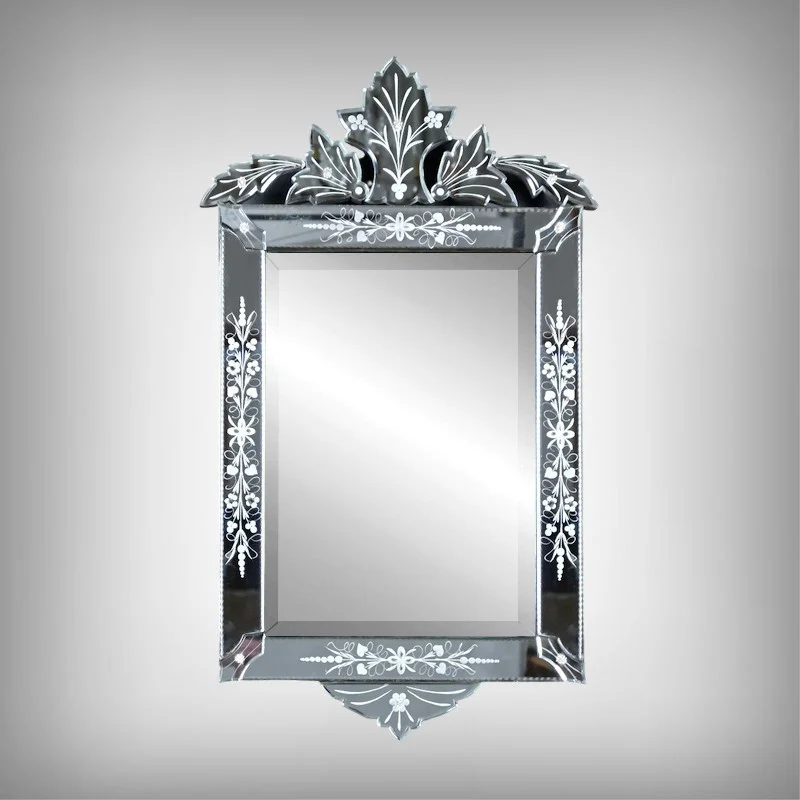
Antiquités Lecomte — Héric
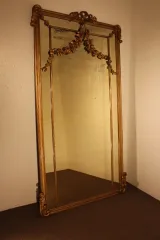
Au Réveil Du Temps — Saint-Nabord
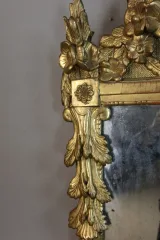
Philippe Cote Antiquites — Chauffailles

Antiquités Christophe Rochet — Villeurbanne

Au Réveil Du Temps — Saint-Nabord
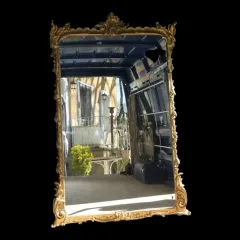
L'atelier De La Dorure — Calmont
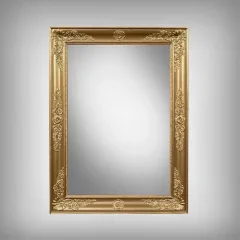
Antiquités Lecomte — Héric
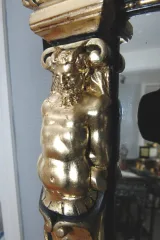
Antiquités GUY Jacques — Buchères
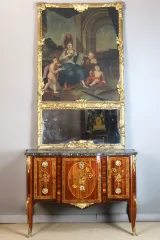
Philippe Cote Antiquites — Chauffailles
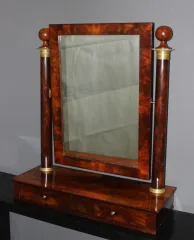
Antiquités Christophe Rochet — Villeurbanne
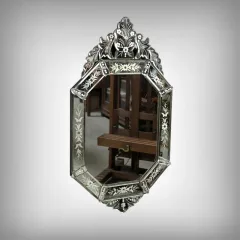
Antiquités Lecomte — Héric
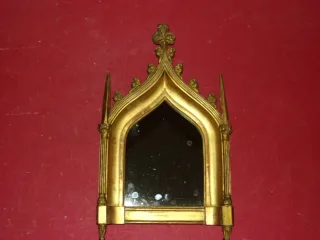
Sarl Cave — Limoges
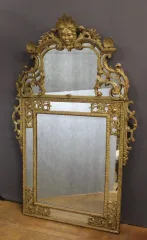
Antiquités Christophe Rochet — Villeurbanne
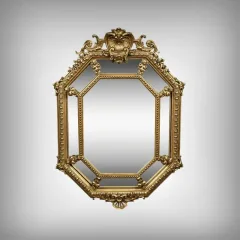
Antiquités Lecomte — Héric
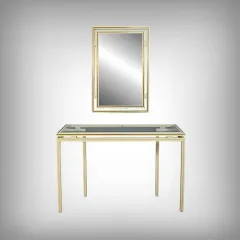
Antiquités Lecomte — Héric

Sarl Cave — Limoges
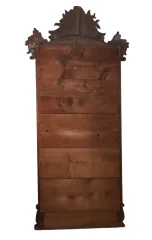
Galerie Lauretta — Mandelieu-la-Napoule
Authenticating an antique mirror begins with the frame. A carved wood core — typically lime or poplar — coated in gesso and then gilded in gold leaf is the hallmark of traditional manufacture predating the twentieth century. Look closely at the gilding: genuine age produces natural wear along the ridges and an uneven, warm patina that no reproduction can convincingly replicate. Gilding that is uniformly bright and flawless almost always signals a recent restoration or an outright copy.
The glass itself is equally revealing. A period mercury glass mirror displays characteristic oxidation spots, a faint grey cast and a softer reflection than modern silvered glass — the tin-mercury amalgam process was abandoned around 1900 in favour of silver-nitrate backing. Antique Venetian mirrors are distinguished by their wheel-engraved decoration, hand-blown bevels and applied Murano glass ornaments. Be wary of perfectly clear plates set in supposedly old frames: the glass has very likely been replaced.
In terms of budget, a sound Napoléon III or Louis-Philippe mirror typically sells for £250–£1,200. A well-proportioned Louis XV carved gilt trumeau of good quality can reach several thousand pounds, while 18th-century engraved Venetian pieces and large château trumeau mirrors command the highest prices. Always check the corner joints for stability, inspect the carved ornaments for losses, and ask whether any provenance documentation — a dealer label, an auction sticker, an estate inventory — accompanies the piece.
On Antiquités en France, every antique mirror is offered by a verified professional dealer who can supply detailed photographs, exact dimensions and provenance information before you commit. Explore carved gilt trumeau mirrors and Murano glass mirrors to broaden your search, then contact the dealer of your choice directly for advice and pricing.