
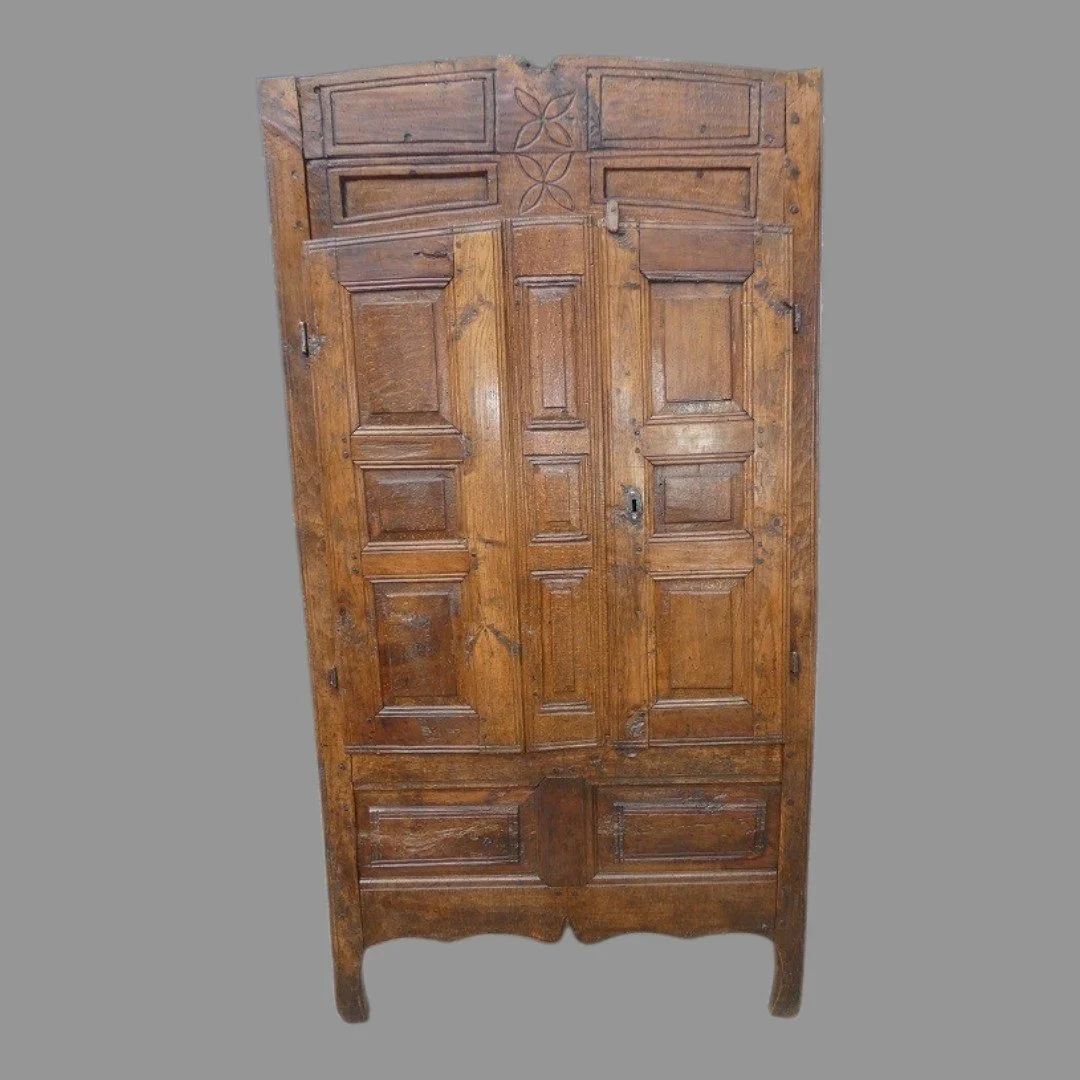
Folk art coffer armoire from Cantal – France – 18th century
L'atelier De La Dorure — Calmont
1 800,00 €
Very good condition
27 objects found
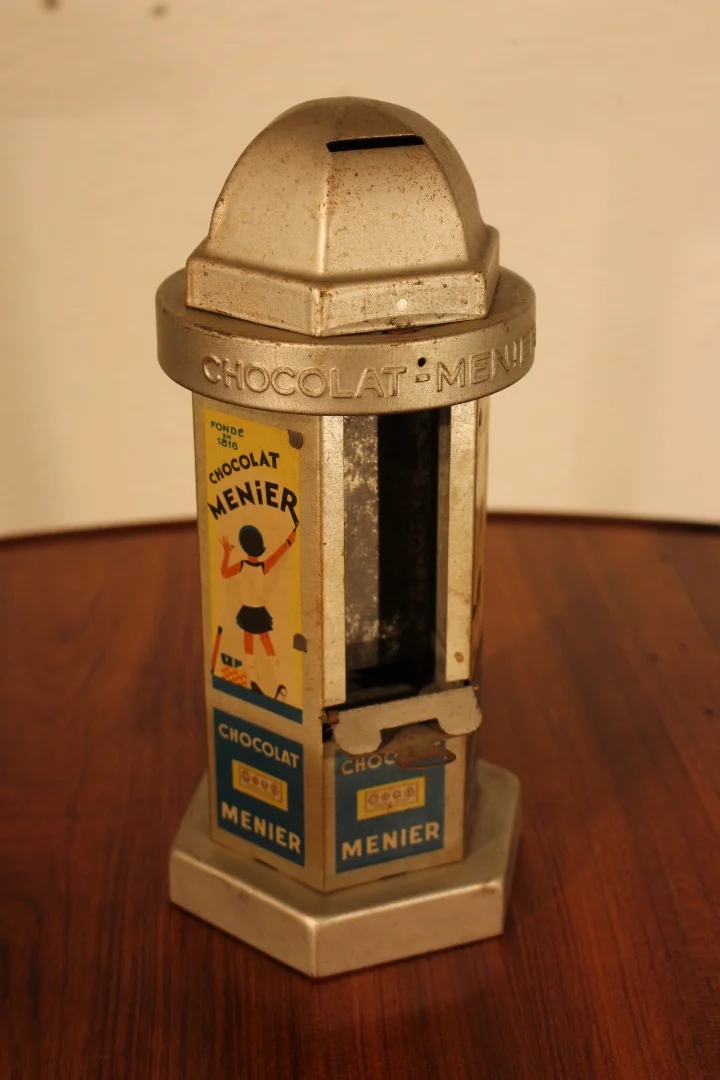
Antique advertising collectables — enamel signs, lithographed tin boxes, branded thermometers, promotional figurines — represent one of the most dynamic collecting fields in the antiques market. Emerging in force during the late 19th century alongside the rise of mass consumer culture, these objects embody a vibrant popular graphic art that is highly sought after today. Enamel advertising signs from iconic French and European brands such as Michelin, Peugeot, Suze and Banania rank among the most prized pieces for serious collectors.
Every piece on Antiquités en France is offered by a verified professional dealer, ensuring authenticity and full traceability. Explore our antique posters to build a coherent advertising collection alongside your signs and tins.
27 objects found
L'atelier De La Dorure — Calmont
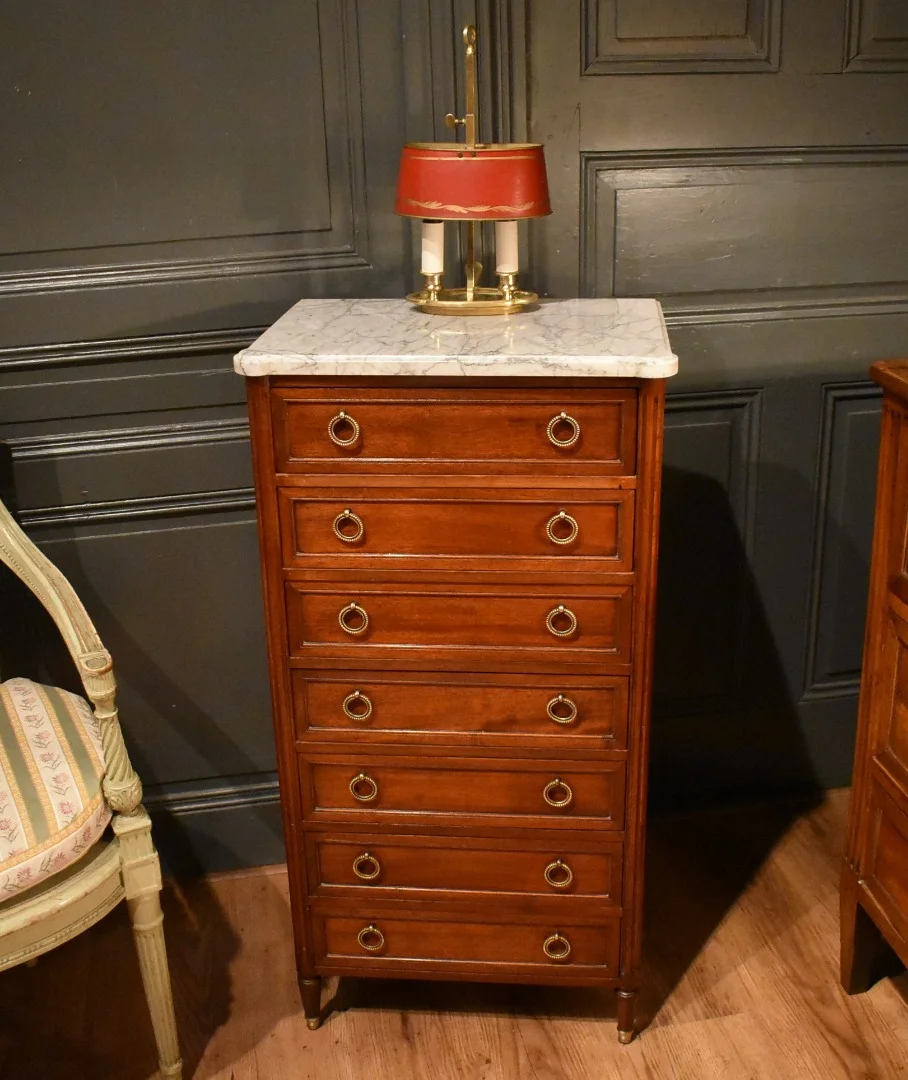
Antiquités Anne Marie Perrier — La Boisse
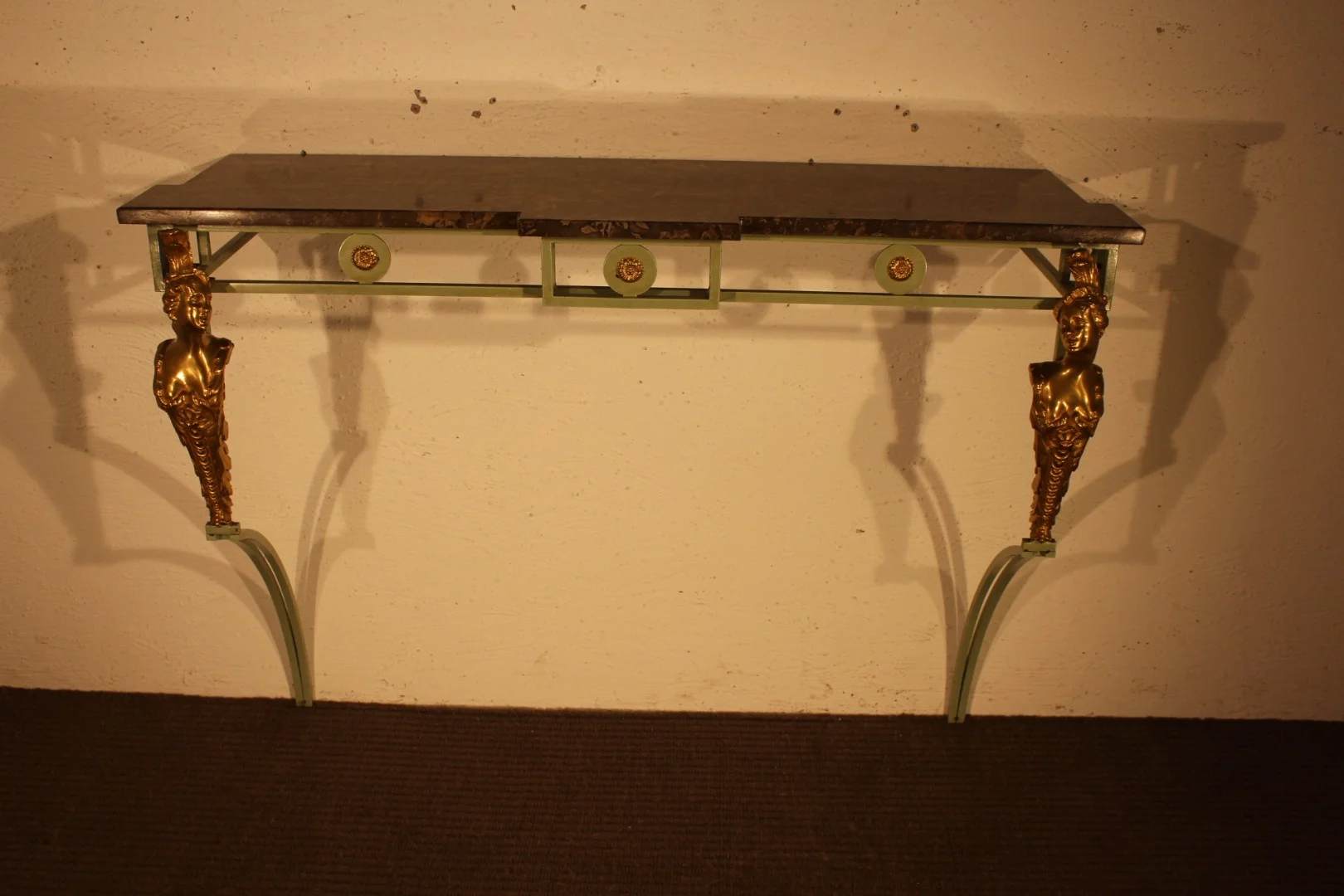
Au Réveil Du Temps — Saint-Nabord
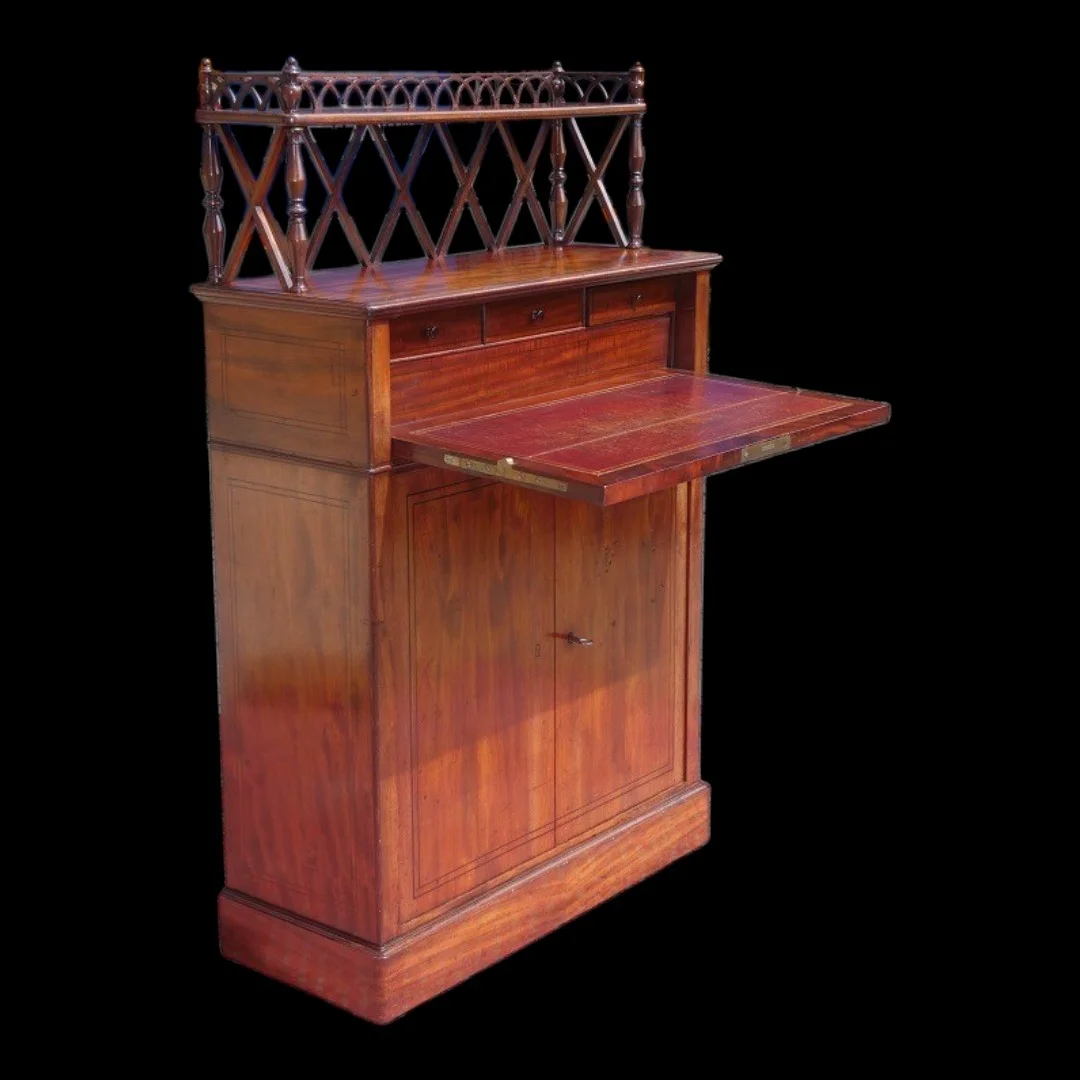
L'atelier De La Dorure — Calmont
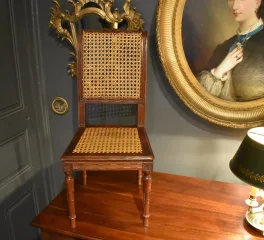
Antiquités Anne Marie Perrier — La Boisse
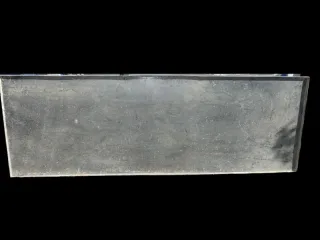
L'atelier De La Dorure — Calmont
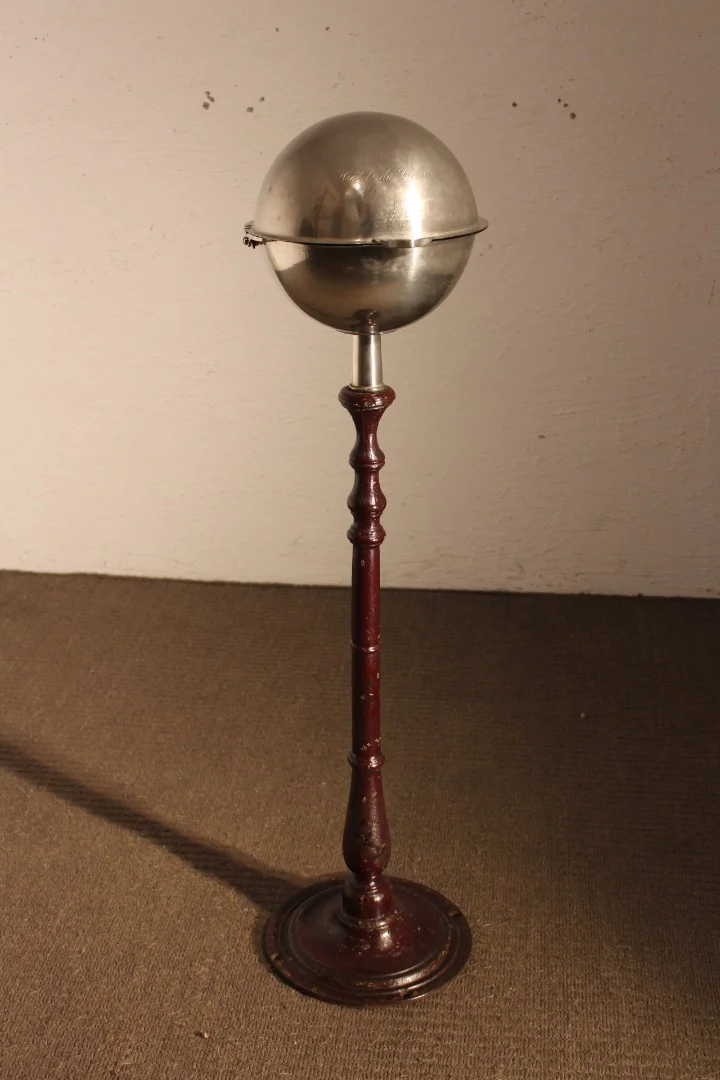
Au Réveil Du Temps — Saint-Nabord
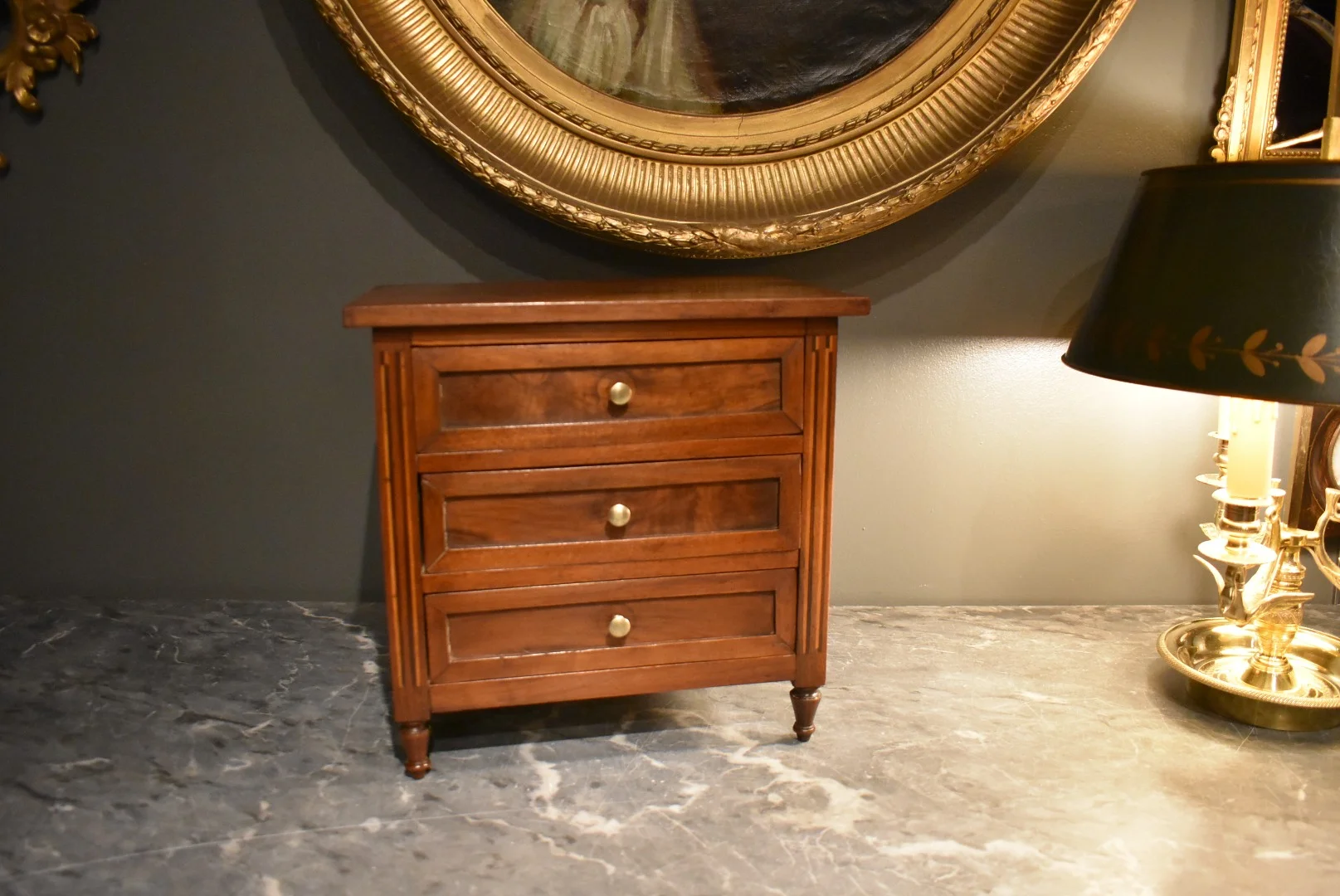
Antiquités Anne Marie Perrier — La Boisse
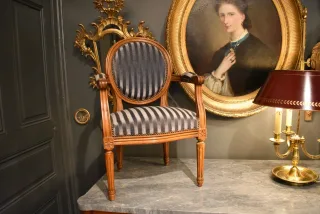
Antiquités Anne Marie Perrier — La Boisse
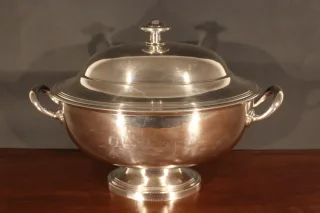
Au Réveil Du Temps — Saint-Nabord
Antiquités Anne Marie Perrier — La Boisse
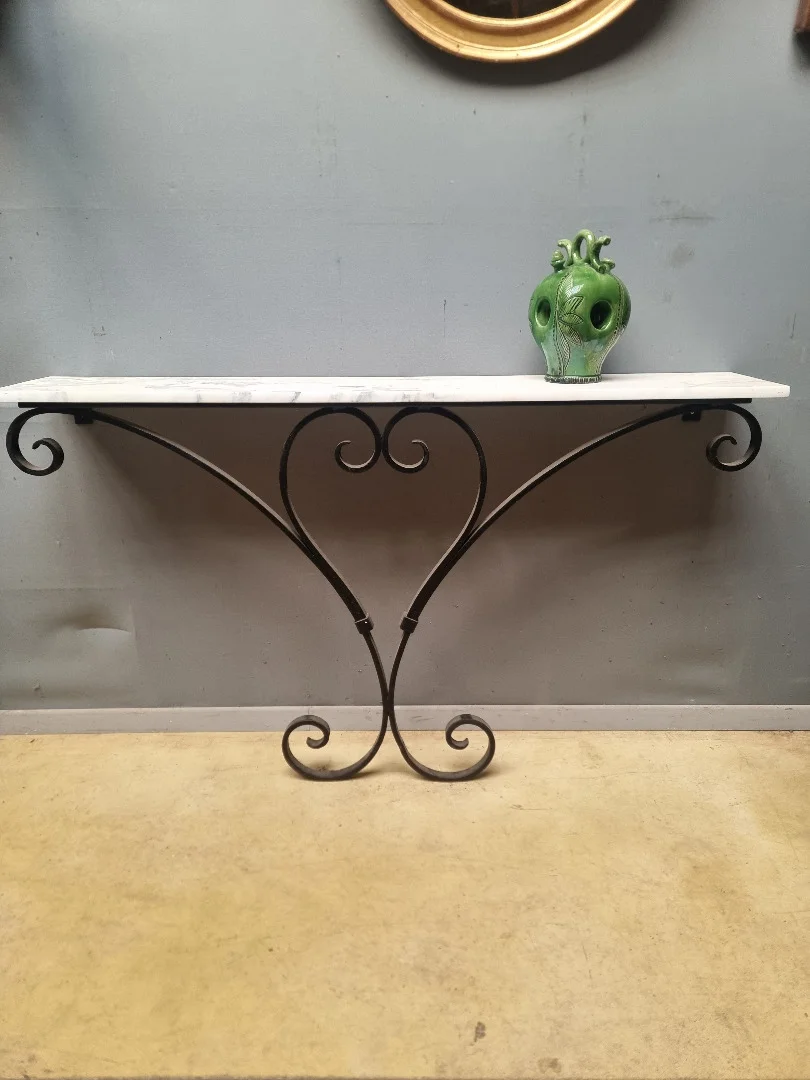
French-antiques.fr — Rouen
Au Réveil Du Temps — Saint-Nabord
Au Réveil Du Temps — Saint-Nabord
Au Réveil Du Temps — Saint-Nabord
Au Réveil Du Temps — Saint-Nabord
Au Réveil Du Temps — Saint-Nabord
Antiquités "Le Vieux Matos" L.V.M — La Chapelle-Saint-Martin-en-Plaine
Au Réveil Du Temps — Saint-Nabord
Antiquités Anne Marie Perrier — La Boisse
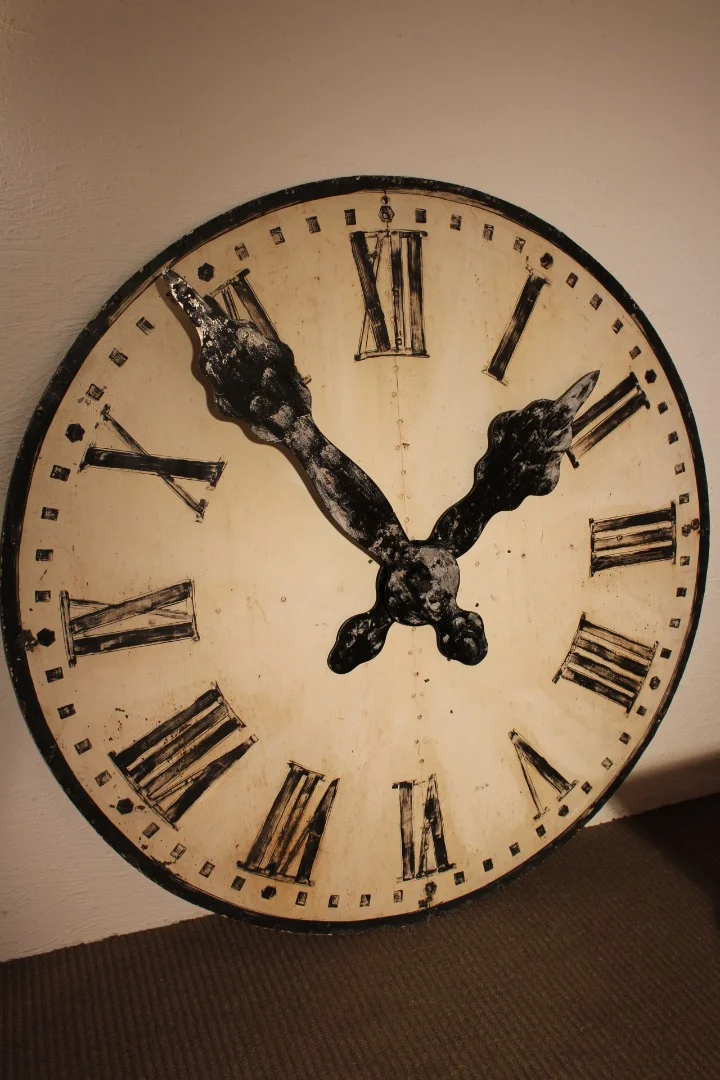
Au Réveil Du Temps — Saint-Nabord
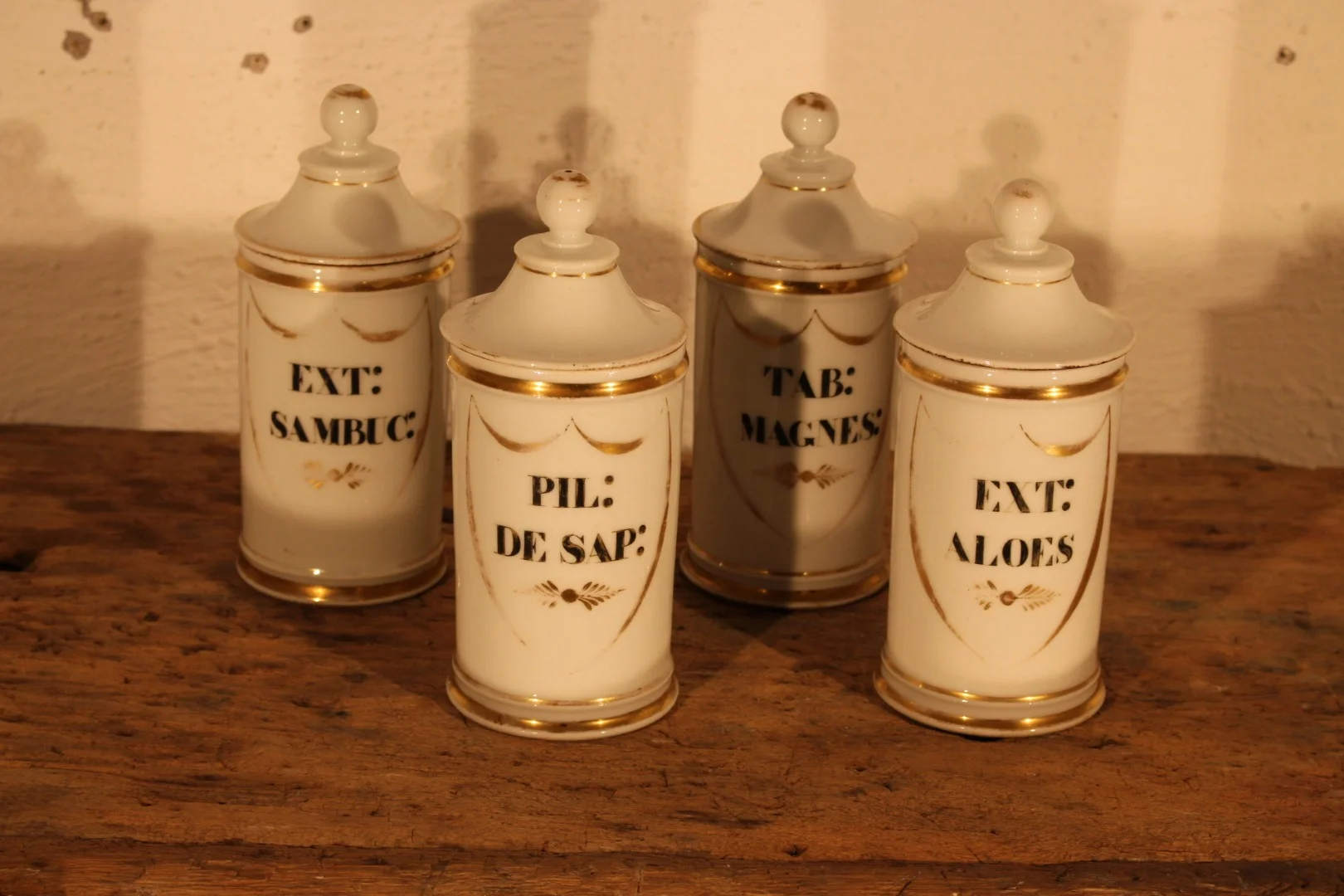
Au Réveil Du Temps — Saint-Nabord
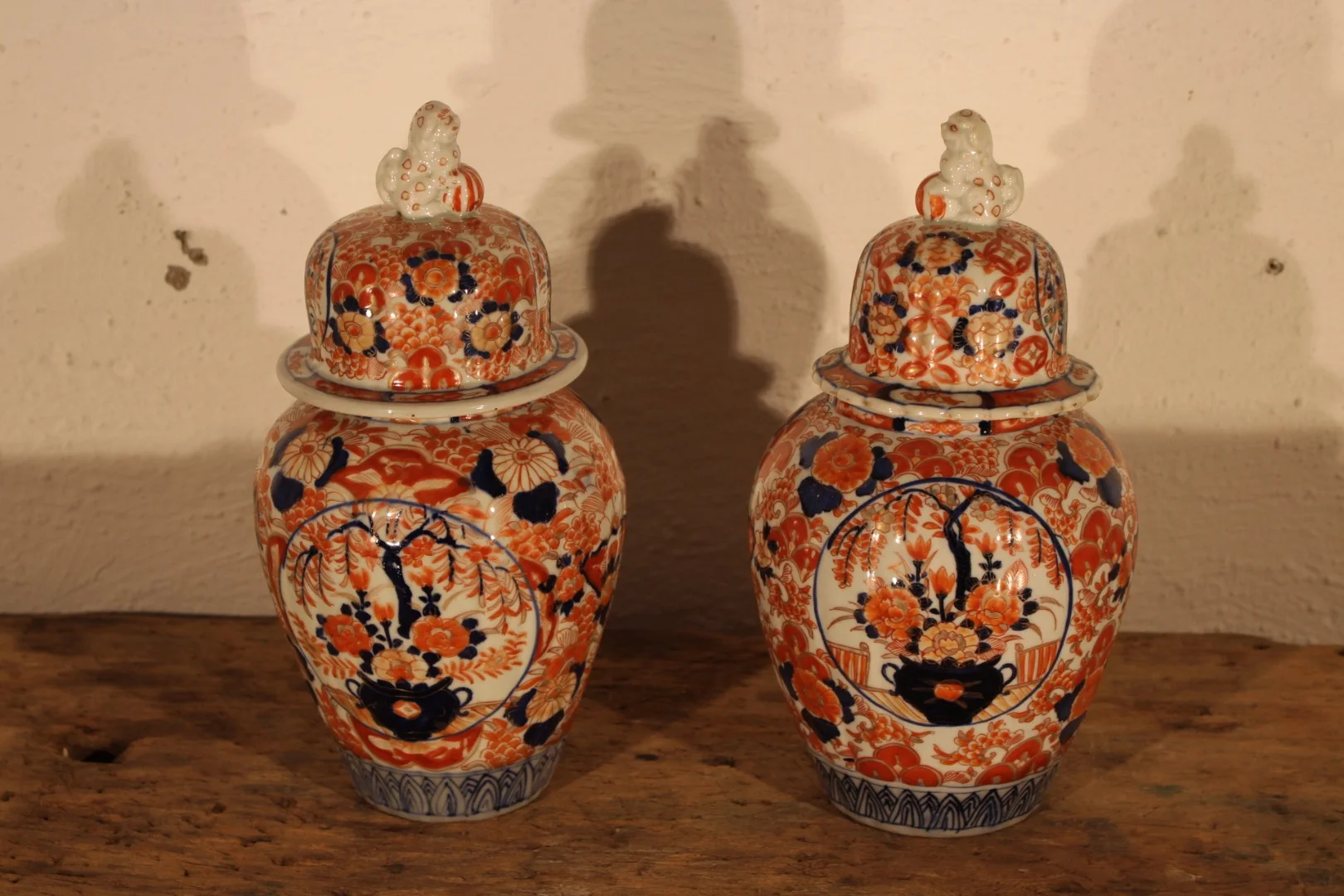
Au Réveil Du Temps — Saint-Nabord
Au Réveil Du Temps — Saint-Nabord
Identifying a genuine antique advertising piece requires a few key checks. For enamel signs, examine the reverse: an authentic period example typically shows enamel on both faces, slightly irregular edges and a naturally faded tone acquired over decades. Be wary of modern reproductions with oversaturated colours, perfectly uniform edges and an uncoated or reproduction-marked back. Lithographed tin advertising boxes from the early 20th century usually carry a manufacturer's number on the base and show natural oxidation at the seams — signs that are very difficult to fake convincingly.
In terms of budget, the market is remarkably accessible. Expect to pay £25–120 for a branded thermometer or small tin in good condition, £150–700 for a mid-sized enamel sign in fine original state, and several thousand pounds for a large illuminated shop sign or a piece linked to a celebrated graphic artist such as Cassandre or Cappiello. Value depends heavily on brand recognition, graphic quality, format and condition — a sign free of chips or visible restoration can be worth two to three times more than a damaged equivalent.
For promotional figurines and counter display pieces — Michelin's Bibendum, Cusenier, Banania characters — check carefully for crude re-gluings and verify that the original paint colours are consistent throughout. A documented provenance (original invoice, auction catalogue) always strengthens value. Industrial antiques and objects from the world of trade and commerce make a natural and complementary collecting context for advertising memorabilia.
On Antiquités en France, our verified professional dealers provide detailed photographs, precise dimensions and authentication guidance before any purchase. Browse our vintage illuminated shop signs and do not hesitate to contact the dealer directly with any questions about provenance, condition or shipping for a piece that catches your eye.