

ART NOUVEAU VASE
ANTIQUITES VANGEON — Chartres
380,00 €
7 objects found
Antique pewter holds a distinctive place in the decorative arts: a metal both noble and accessible, it graced the tables of townspeople and country households alike from the Middle Ages through the 19th century. Tankards, antique pewter measures, platters, plates, candlesticks and liturgical cruets — each piece carries the mark of its era through its form and its maker's hallmarks. Learning to read those stamps and appreciate the quality of the alloy is the first step to recognising a truly fine piece of pewterware.
7 objects found
ANTIQUITES VANGEON — Chartres
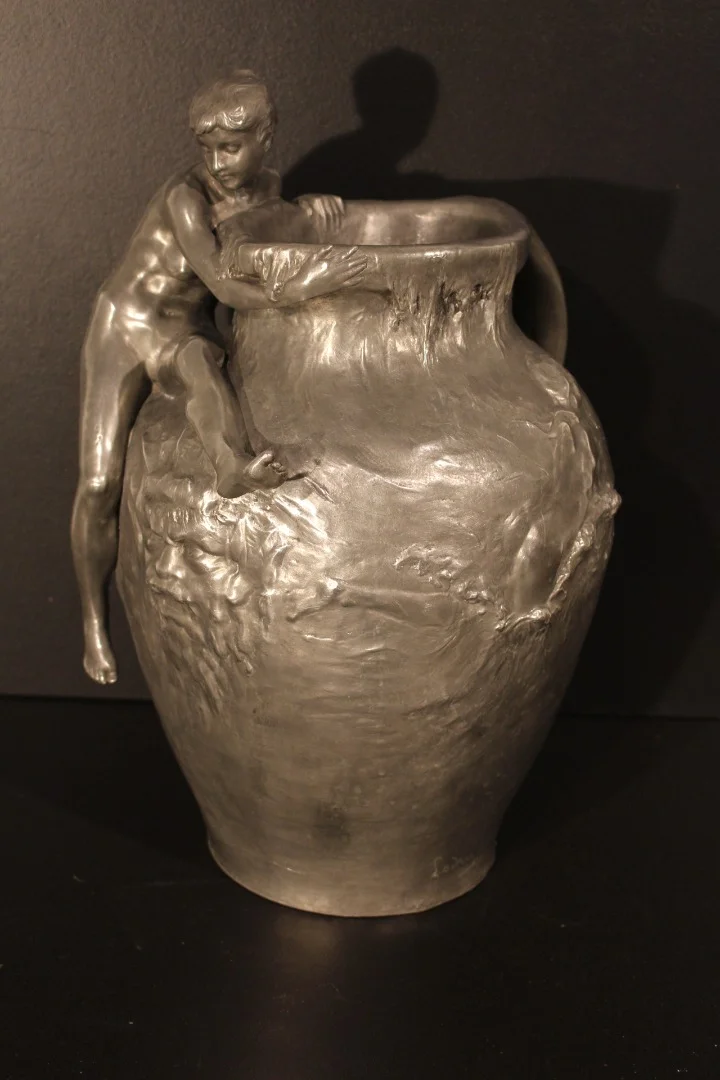
Au Réveil Du Temps — Saint-Nabord
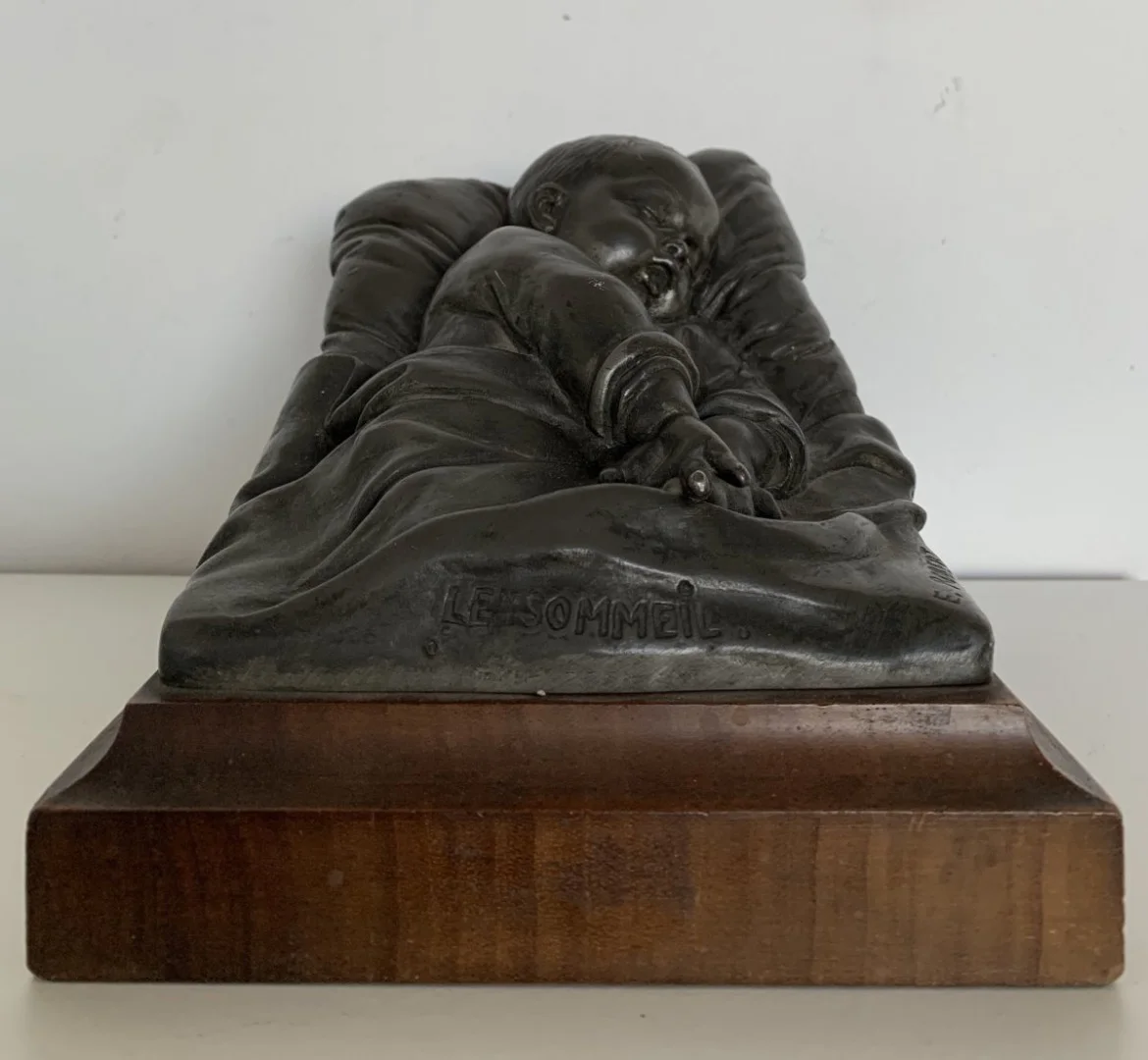
2R Antiquites — Caluire-et-Cuire
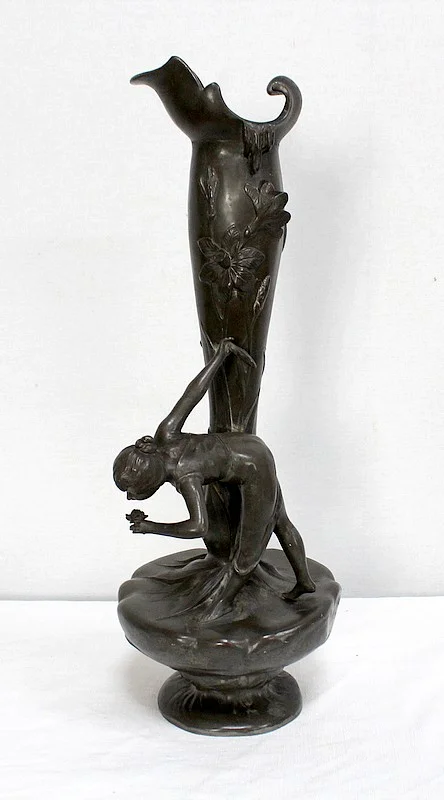
Antiquités Lecomte — Héric
Anne Besnard — Saint-Ouen
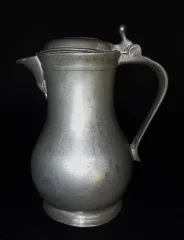
Anne Besnard — Saint-Ouen
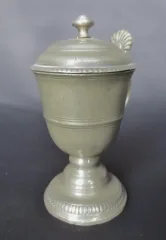
Anne Besnard — Saint-Ouen
To authenticate antique pewter, start by examining the hallmarks struck on the base or rim. In France and across much of Europe, quality pewter typically bears a maker's touch (the pewterer's initials within a cartouche), sometimes accompanied by a town mark or assay mark. These stamps are catalogued in specialist reference works and allow a piece to be dated precisely and traced to its centre of production — Paris, Lyon, Bordeaux, Strasbourg and London among the most prolific. A well-hallmarked antique pewter platter will always command a premium over an anonymous example.
In terms of budget, antique pewterware remains among the most accessible of all antique categories. Expect to pay £30–£150 for a common 19th-century measure or plate, and £200 to several thousand for an exceptional 17th- or 18th-century piece bearing a recognised maker's mark or displaying an unusual form. Always check for cracks, clumsy repairs and significant distortion; a smooth grey patina with a gentle sheen is a reliable sign of age and careful keeping. Be wary of surfaces that are overly bright — aggressive polishing strips the original patina and reduces both authenticity and value.
Caring for antique pewter is straightforward: a soft, slightly damp cloth is sufficient for routine cleaning. Avoid dishwashers and abrasive cleaners, which permanently dull the surface. For heavily oxidised pieces, a purpose-made pewter polish applied gently will restore a pleasing lustre without harming the metal. Antique kitchen objects in pewter — measures, milk pots, porringers — combine beautifully with other period utensils to create an authentic interior. Note that early pewter with a high lead content (generally pre-19th century) should not be used with acidic foods or drinks; treat such pieces as decorative objects.
On Antiquités en France, every piece of hallmarked antique pewter is offered by a verified professional dealer who can supply detailed photographs of the marks, exact dimensions and full provenance information. Broaden your search with our selection of antique silver tableware to build a complete collection of period table pieces, and contact the dealer directly with any questions before you buy.