
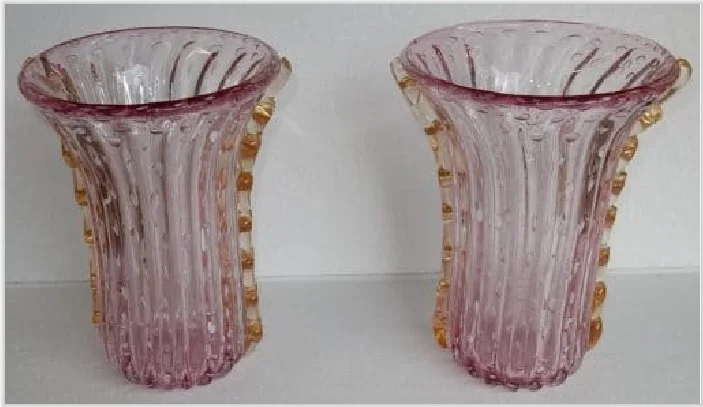
1970′ Murano Violine and Gold Crystal Cup Signed Toso
A.ABC PASCAL — Saint-Ouen
3 800,00 €
16 objects found
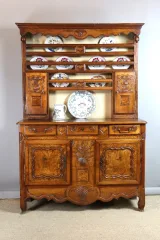
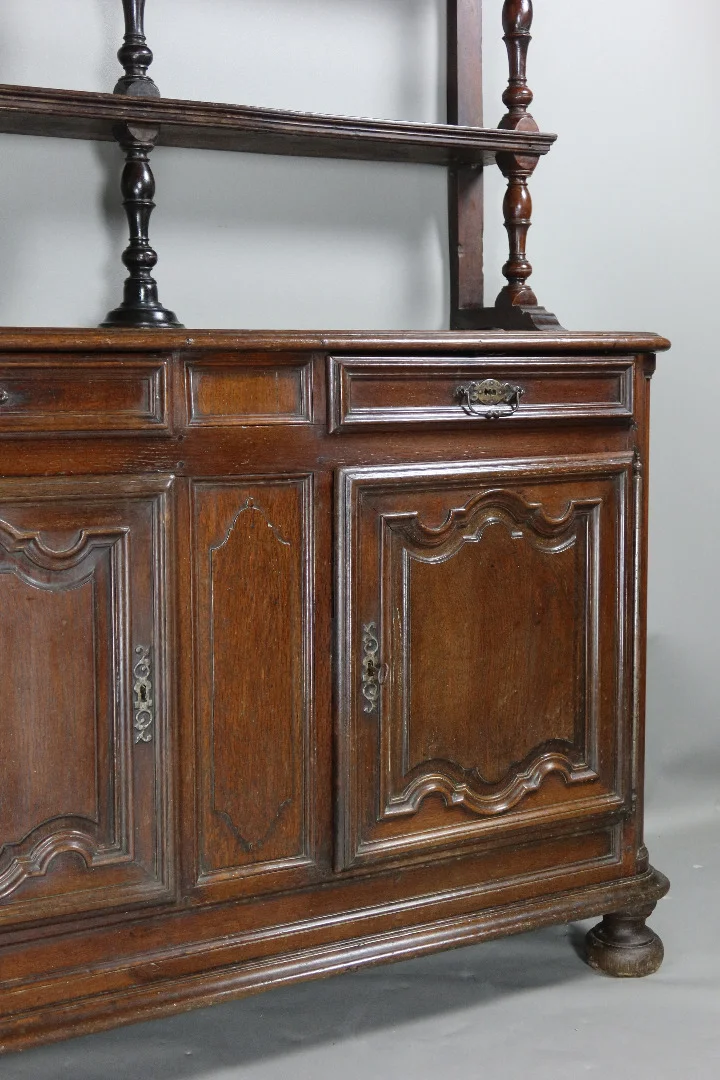
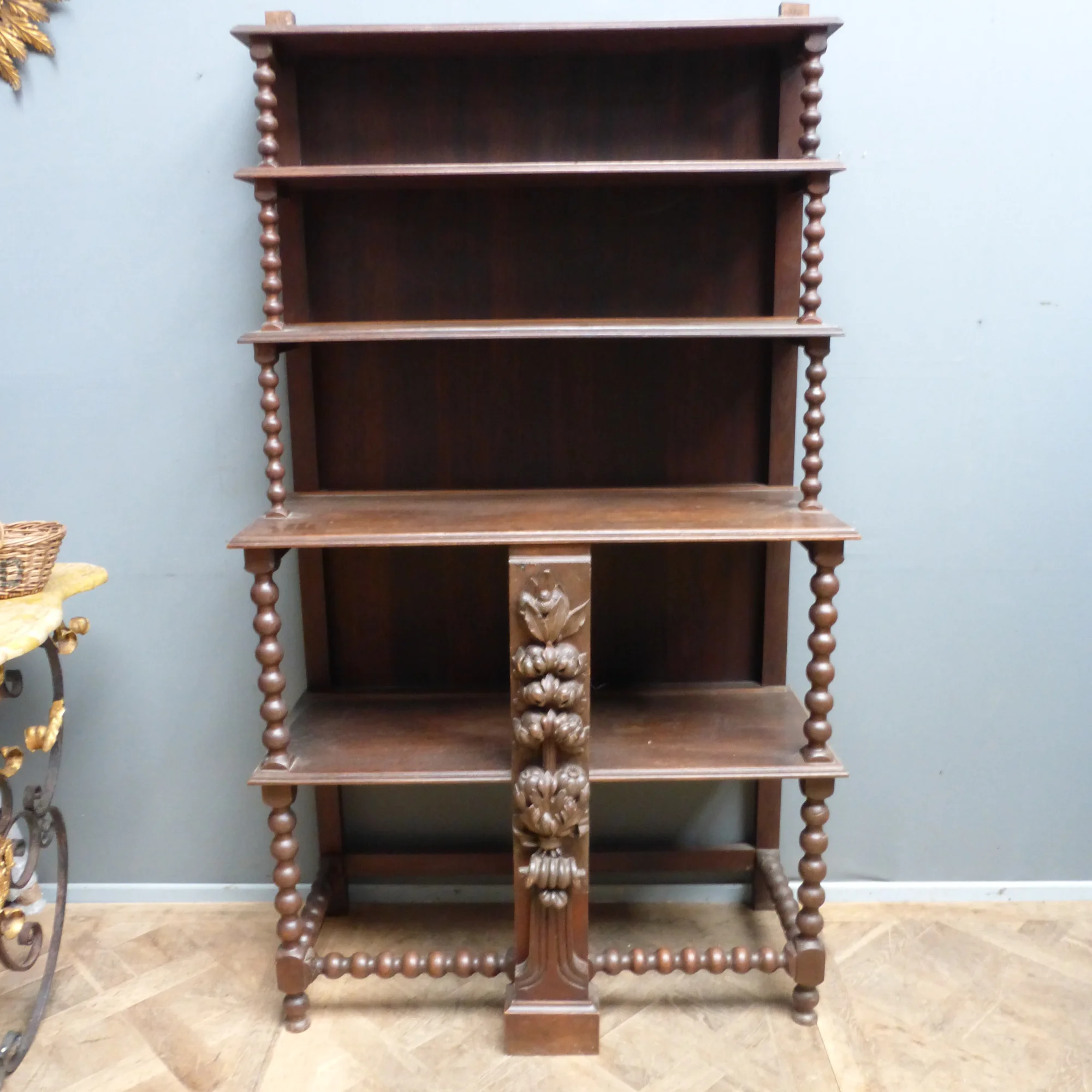
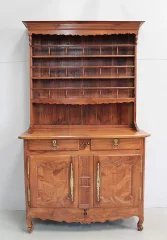
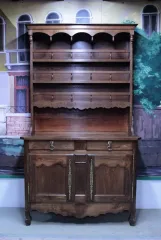
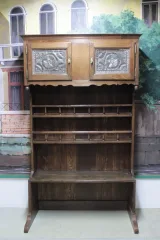
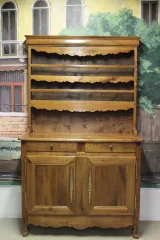
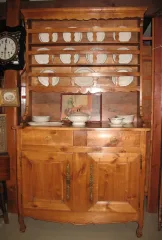
A centrepiece of French rural interiors since the 17th century, the antique French dresser combines everyday practicality with genuine decorative character. Regional traditions produced strikingly different pieces: the Breton carved dresser, richly ornamented with hearts, wheat sheaves and rosettes, contrasts with the more geometric Norman style featuring diamond-point panels. Most examples are built in solid oak, though walnut and wild cherry were favoured in central and southern France. The classic two-body form pairs a closed lower cupboard with an open upper rack designed to display fine tableware — a format that has lost none of its appeal.
16 objects found
A.ABC PASCAL — Saint-Ouen
A.ABC PASCAL — Saint-Ouen
Philippe Cote Antiquites — Chauffailles
Antiquités Lecomte — Héric
Antiquites d'Augers en Brie — Augers-en-Brie
2R Antiquites — Caluire-et-Cuire
Philippe Cote Antiquites — Chauffailles

L’ESTAMPILLE — Navilly
French-antiques.fr — Rouen
Antiquités Lecomte — Héric
Antiquités Lecomte — Héric

Antiquités Lecomte — Héric
Antiquités Lecomte — Héric
Antiquités Lecomte — Héric
Antiquités Lecomte — Héric
Antiquités Lecomte — Héric
Authenticating an antique dresser begins with the construction. Look for mortise-and-tenon joints, wooden pegs and thick solid-plank backs — all hallmarks of pre-industrial craftsmanship. Hand-tool marks from planes and chisels on hidden surfaces confirm genuine period work. Be cautious of modern screws or concealed plywood, which may indicate a heavy restoration or a later reproduction dressed up to look old.
French provincial dressers are identified by their regional ornament: Breton pieces carry exuberant carved motifs — hearts, braided borders, stylised foliage — while Norman examples favour restrained geometric mouldings and pointed-diamond panels. A Louis-Philippe dresser in solid walnut, with its cleaner lines, suits a classic interior beautifully, whereas a robust oak farmhouse piece brings warmth and authenticity to a country kitchen. Pair yours with pieces from our antique kitchen collection for a coherent period look.
In terms of budget, expect to pay between £350 and £1,100 for a sound 19th-century regional dresser, rising to £2,500 or more for a well-documented 18th-century example with rich carving or a notable provenance. When inspecting a piece, check that the shelves are flat and stable, the doors hang true, the original hinges are intact, and that no recent woodworm treatment is masking structural damage. Solid oak antique furniture that has been properly cared for will last for generations and only improves with age.
Every dresser listed on Antiquités en France is offered by a verified professional antique dealer who can supply additional photographs, precise measurements and honest condition reports before you commit. We also recommend browsing our selection of antique buffets and sideboards to find complementary storage pieces. Contact the dealer directly — they are the best guide to provenance, restoration history and safe delivery to your door.