
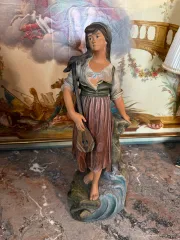
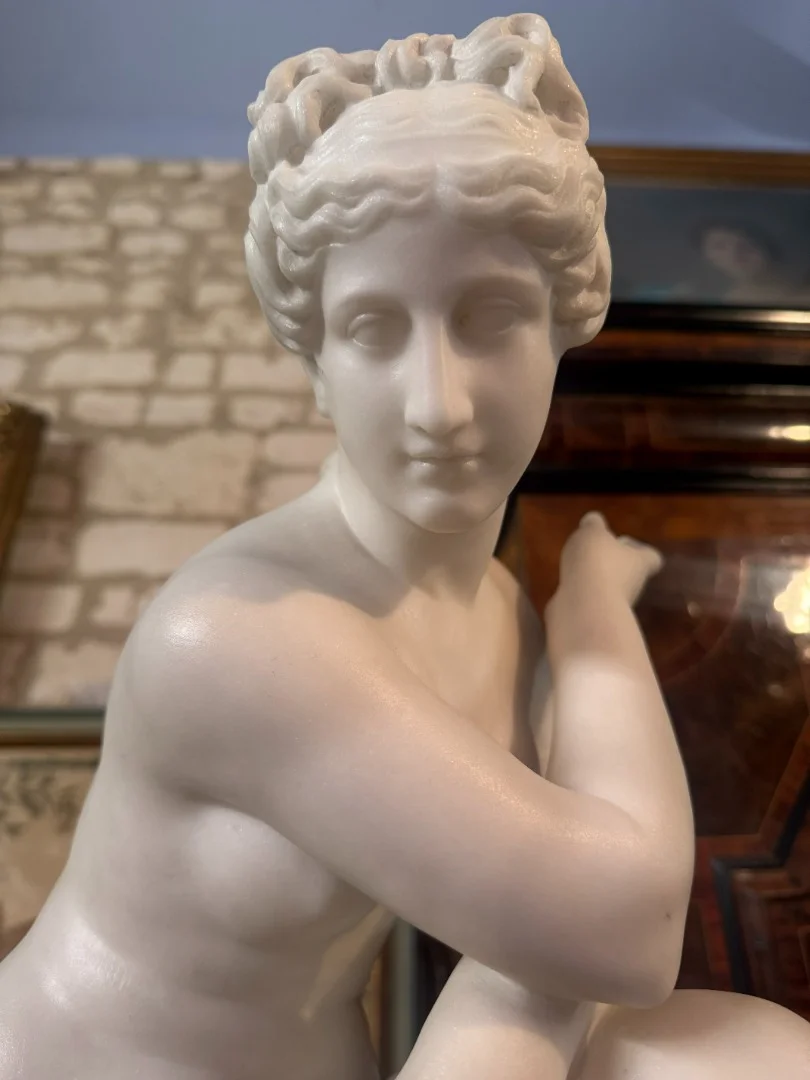
SCULPTURE OF A YOUNG NEAPOLITAN WOMAN WITH MANDOLIN, MIGNON, SIGNED JOSEPH LE GULUCHE
Romain Lichtensztein — Maignelay-Montigny
320,00 €
522 objects found
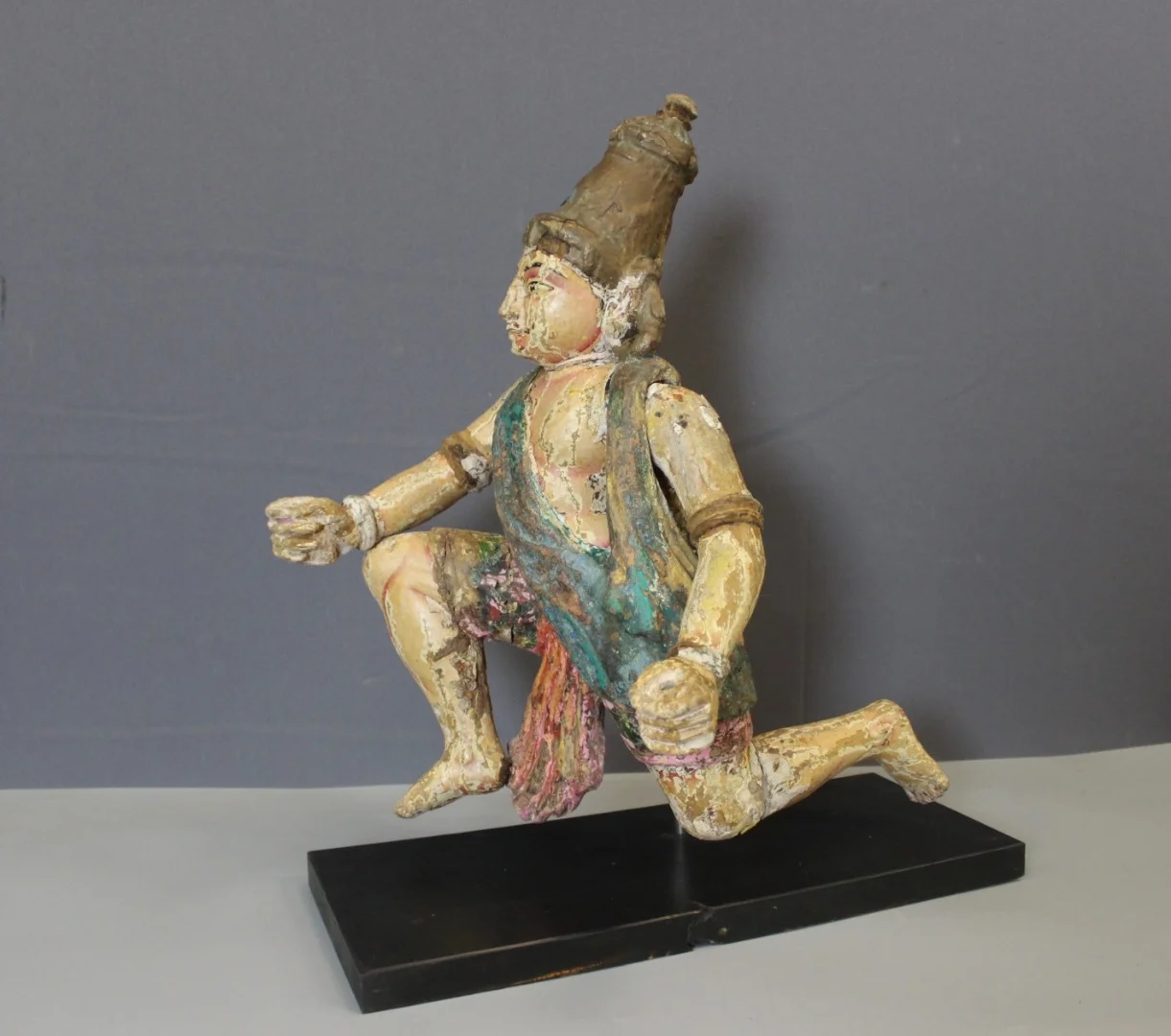
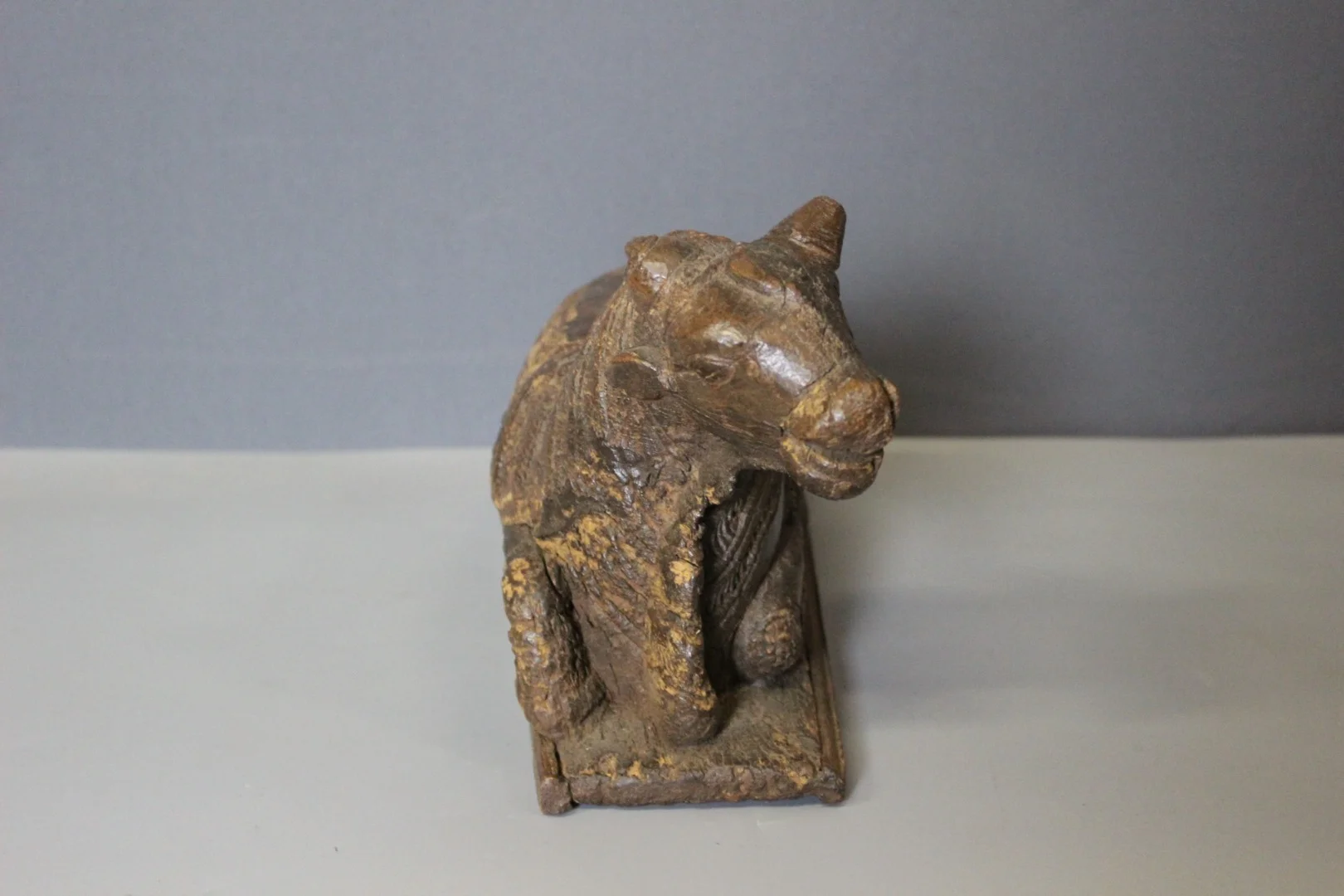
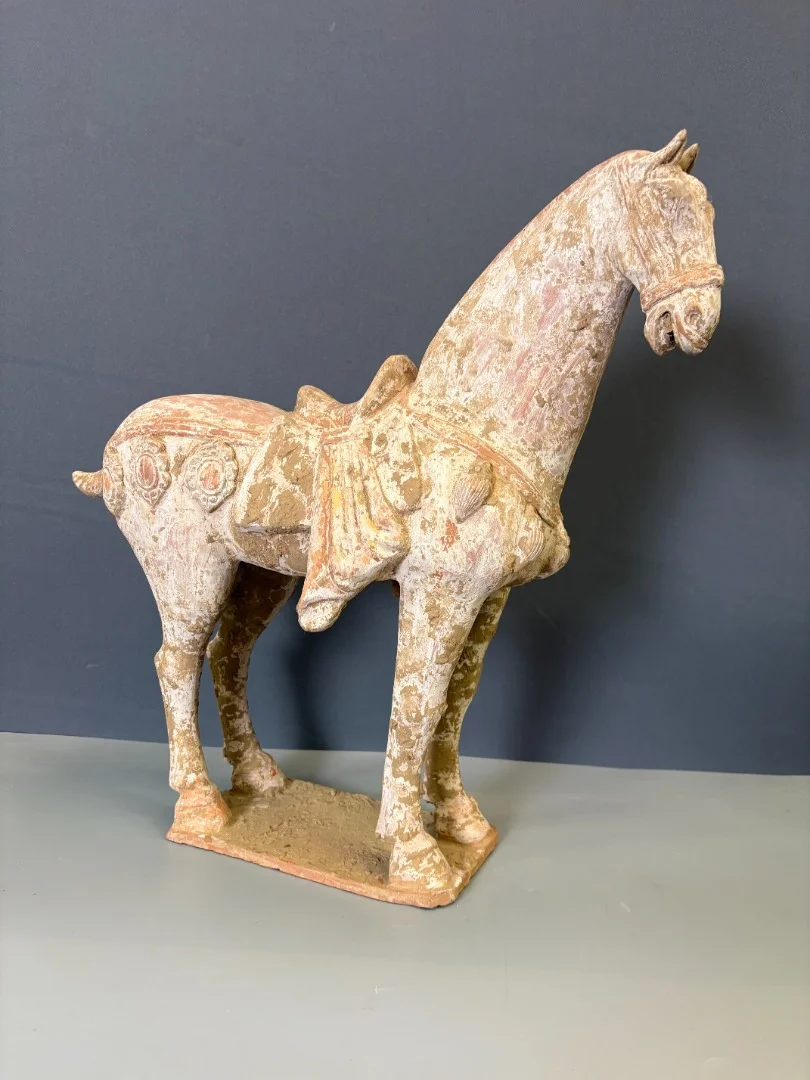
From Renaissance workshops to the great 19th-century foundries, antique sculptures span an extraordinary range: signed bronze sculptures, carved marble, terracotta, polychrome carved wood and finely worked ivory. Each piece bears witness to irreplaceable craftsmanship — whether a Neoclassical bust, an animal statuette in the tradition of Barye, or an Art Deco chryselephantine group.
Quality reads in the precision of the modelling, the integrity of the original patina and the consistency of the signature or foundry mark. Works in precious metal — such as those found among solid silver antiques — often carry a hallmark that aids precise dating.
522 objects found
Romain Lichtensztein — Maignelay-Montigny
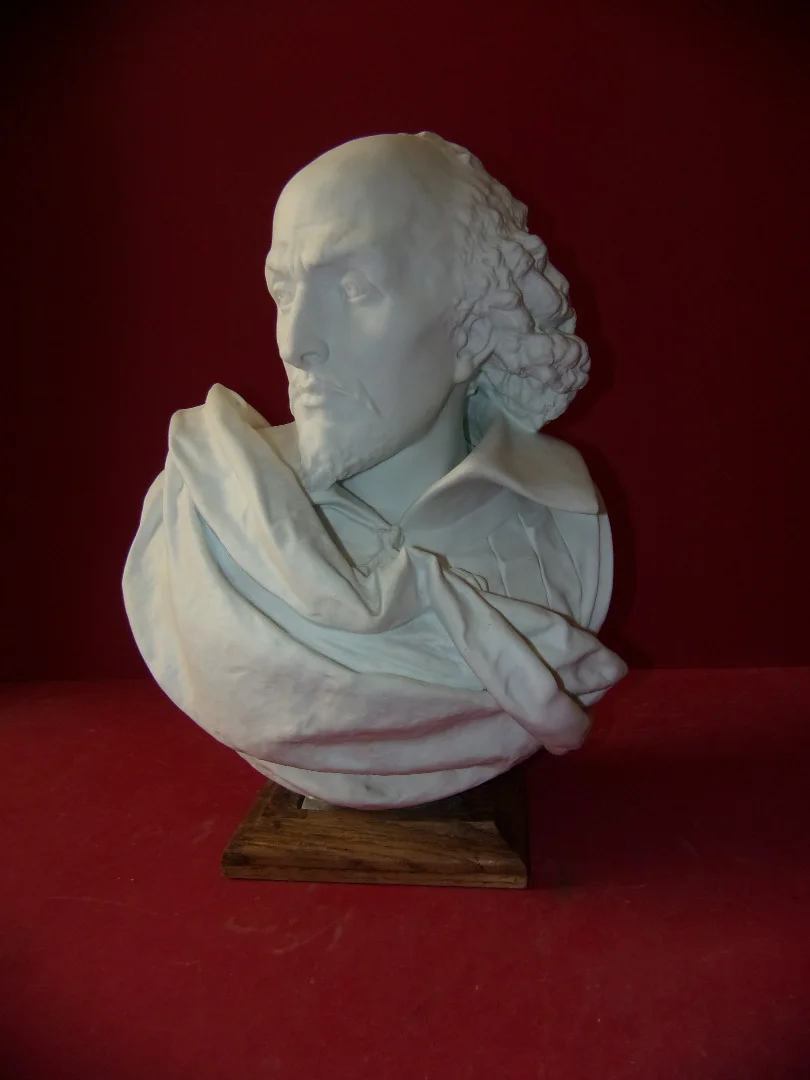
Sarl Cave — Limoges
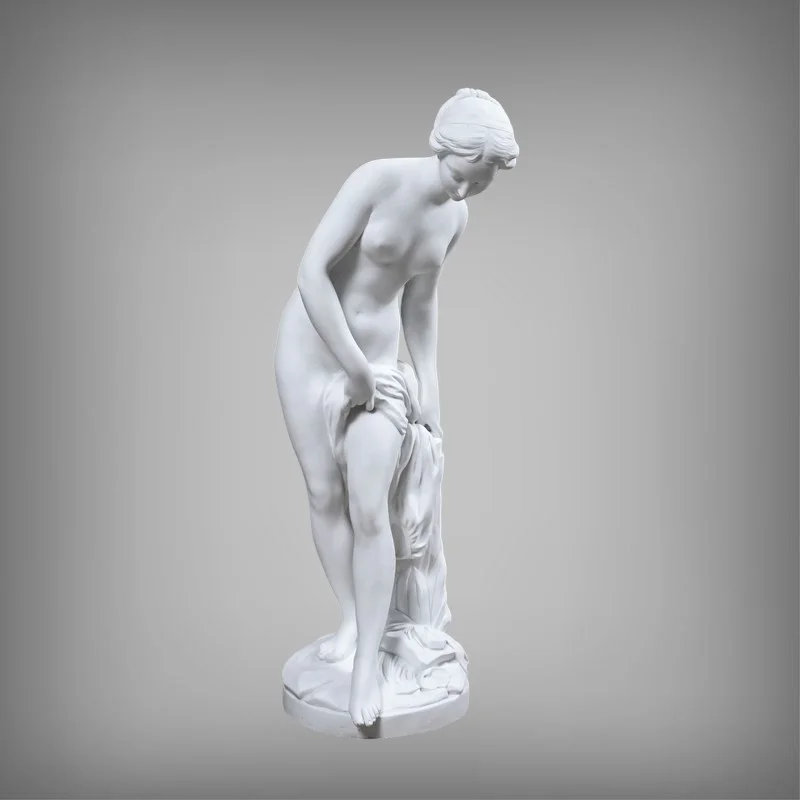
Antiquités Lecomte — Héric
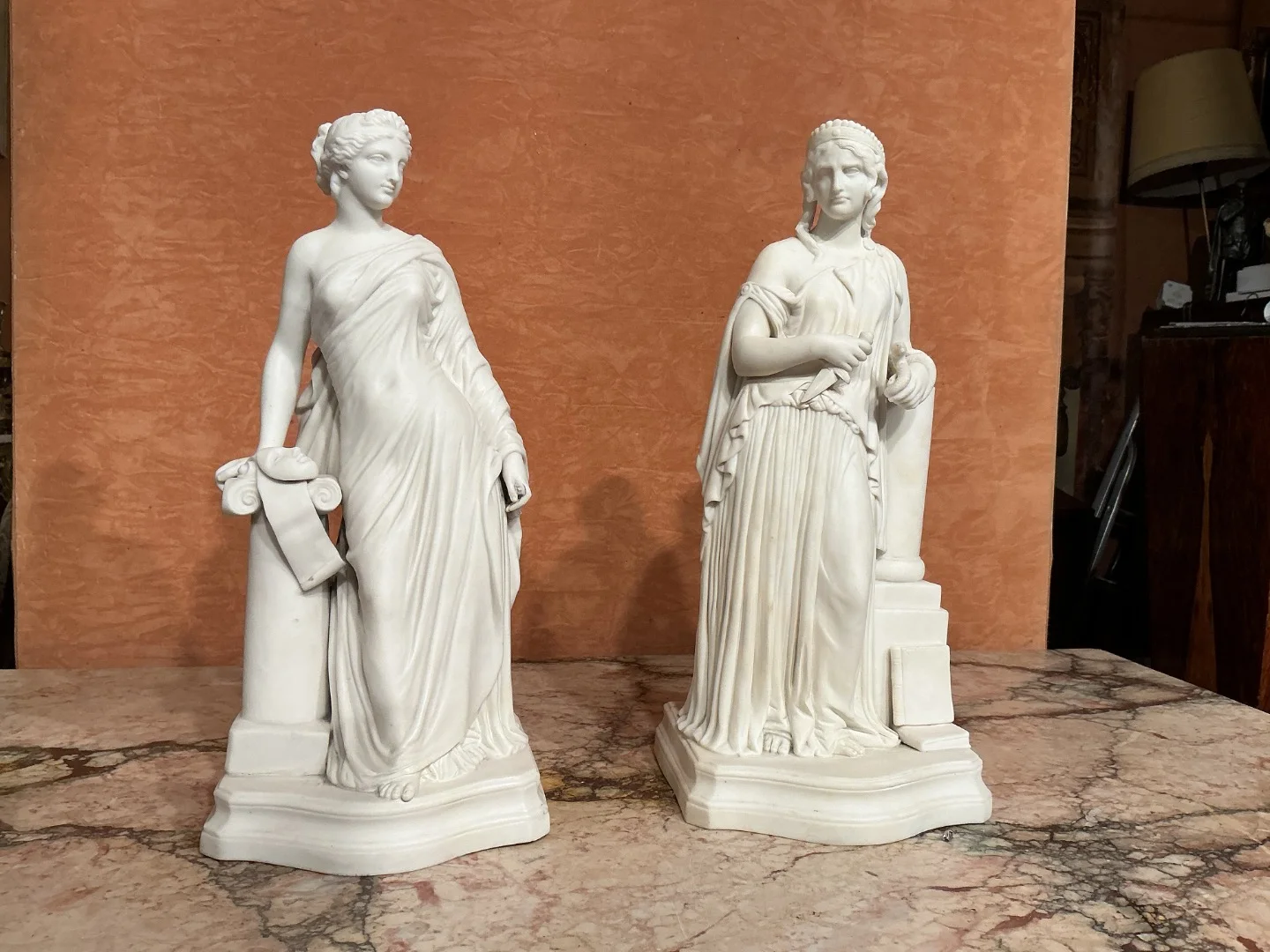
Eric Saget — Paris
Antiquités Christophe Rochet — Villeurbanne
Antiquités Christophe Rochet — Villeurbanne
Romain Lichtensztein — Maignelay-Montigny

Antiquités Christophe Rochet — Villeurbanne
Antiquités Christophe Rochet — Villeurbanne
Antiquités Christophe Rochet — Villeurbanne
2R Antiquites — Caluire-et-Cuire
Romain Lichtensztein — Maignelay-Montigny

Antiquités Christophe Rochet — Villeurbanne
Romain Lichtensztein — Maignelay-Montigny
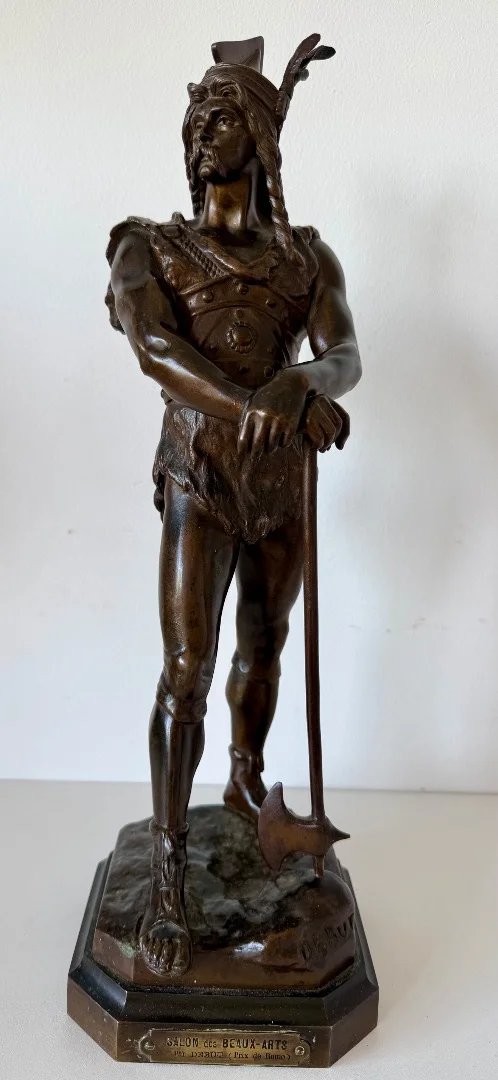
2R Antiquites — Caluire-et-Cuire
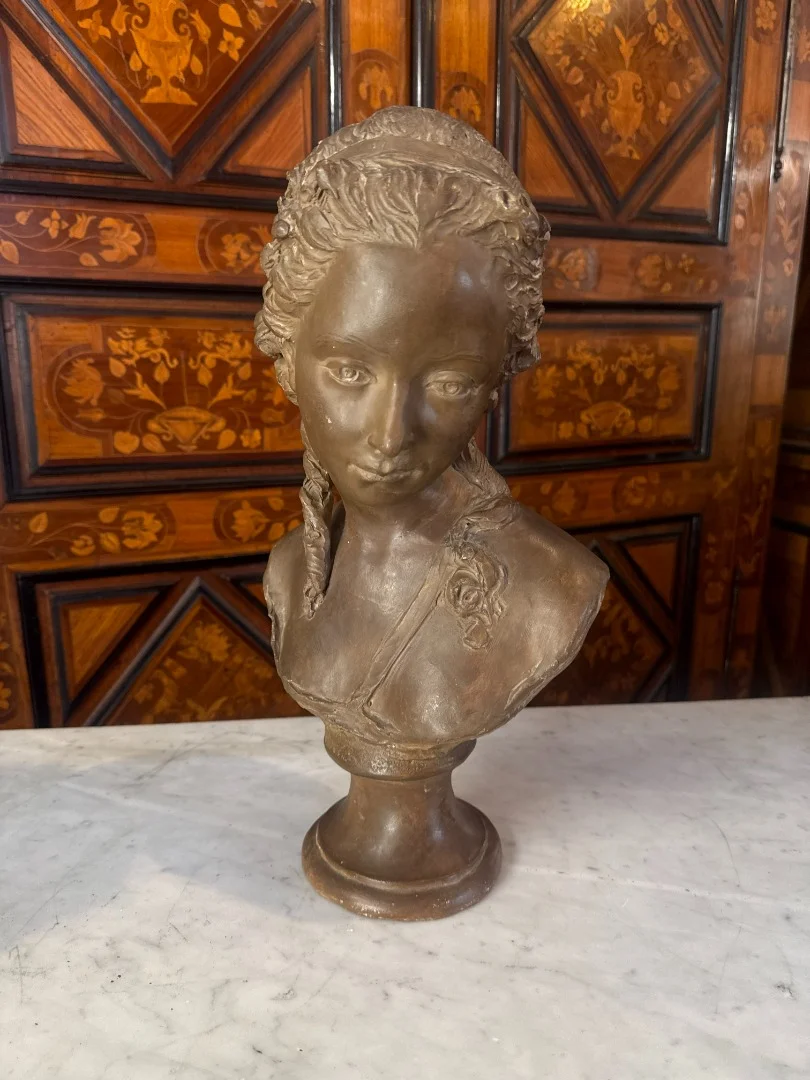
Romain Lichtensztein — Maignelay-Montigny
Antiquités Christophe Rochet — Villeurbanne
Antiquités Christophe Rochet — Villeurbanne
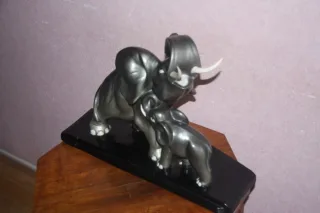
jean-pierre PERNOD — Bourg-en-Bresse
ANTIQUITES VANGEON — Chartres
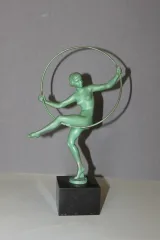
Antiquités Christophe Rochet — Villeurbanne
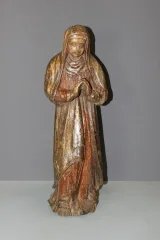
Antiquités Christophe Rochet — Villeurbanne
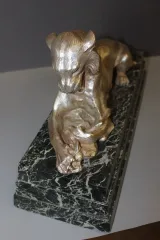
Antiquités Christophe Rochet — Villeurbanne
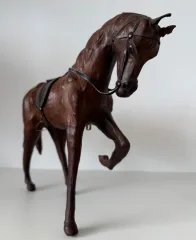
2R Antiquites — Caluire-et-Cuire
To authenticate an antique bronze, start with the patina: on a period casting it is deep, uneven and embedded in the metal itself — never the flat, uniform coating seen on modern reproductions. Look for a chiselled signature or a foundry stamp — Barbedienne, Susse Frères, Thiébaut — and, on limited editions, a cast number. On marble, inspect the vulnerable points (fingers, drapery folds): plaster fills tinted to match the stone are a tell-tale sign of undisclosed restoration.
In terms of budget, a small unsigned antique animal bronze statuette from the 19th century can start at a few hundred pounds or euros, while a signed subject by Barye or Mène in fine original patina may reach tens of thousands. Marble sculptures of museum quality, or signed Art Deco chryselephantine groups by Chiparus or Preiss, command considerably higher prices. Always factor in the cost of a period base or display plinth, which contributes meaningfully to the overall value.
Documented provenance — an old invoice, a collection label, a mention in a sale catalogue — significantly strengthens both the value and the security of a purchase. Always ask the dealer for photographs from multiple angles, including raking-light shots that reveal the modelling, and a precise description of any restorations. Antique marble busts and terracotta figures are particularly vulnerable to impact damage: check the nose, ears and shoulders carefully before committing to a purchase.
On Antiquités en France, every antique sculpture is offered by a verified professional dealer who can answer your questions and provide full condition reports. Broaden your search to antique watercolours and gouaches to build a coherent collection, and contact your chosen dealer directly to discuss shipping arrangements or collection in person.