

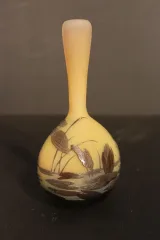
ART NOUVEAU PERIOD VASE by LEGRAS
L'atelier De La Dorure — Calmont
141 objects found
Antique glassware spans one of the richest fields in decorative arts: from antique blown glass vases and deeply cut 19th-century crystal to Art Nouveau pâte de verre and complete Baccarat or Saint-Louis table services. Every piece reflects an exacting craft tradition in which mastery of heat, breath and engraving produces objects that are at once functional and genuinely artistic.
Collectors seek out iridescent glass vases signed by Gallé or Daum alongside Napoléon III cut-crystal decanters and Bohemian glass coupes. The sheer variety of techniques — enamelling, acid etching, inlay, gilding — makes this one of the most rewarding categories to collect at every budget level.
141 objects found
L'atelier De La Dorure — Calmont
Au Réveil Du Temps — Saint-Nabord
Philippe Cote Antiquites — Chauffailles

Philippe Cote Antiquites — Chauffailles

2R Antiquites — Caluire-et-Cuire
Philippe Cote Antiquites — Chauffailles
L'atelier De La Dorure — Calmont
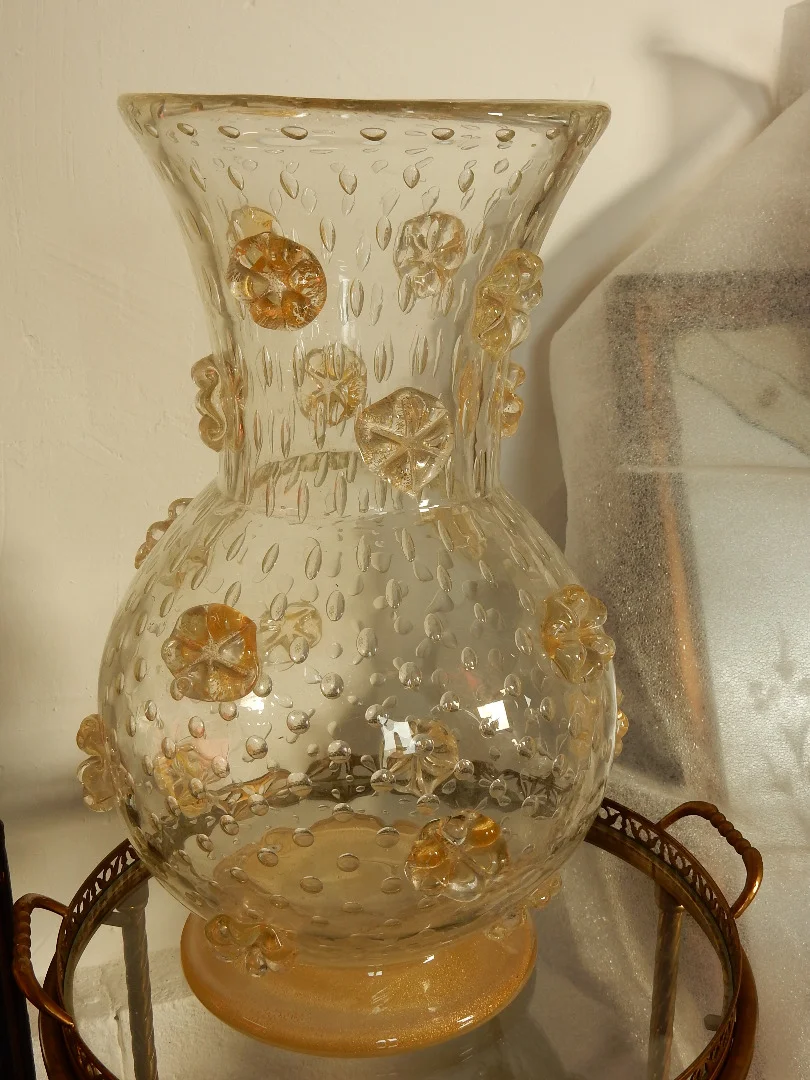
A.ABC PASCAL — Saint-Ouen
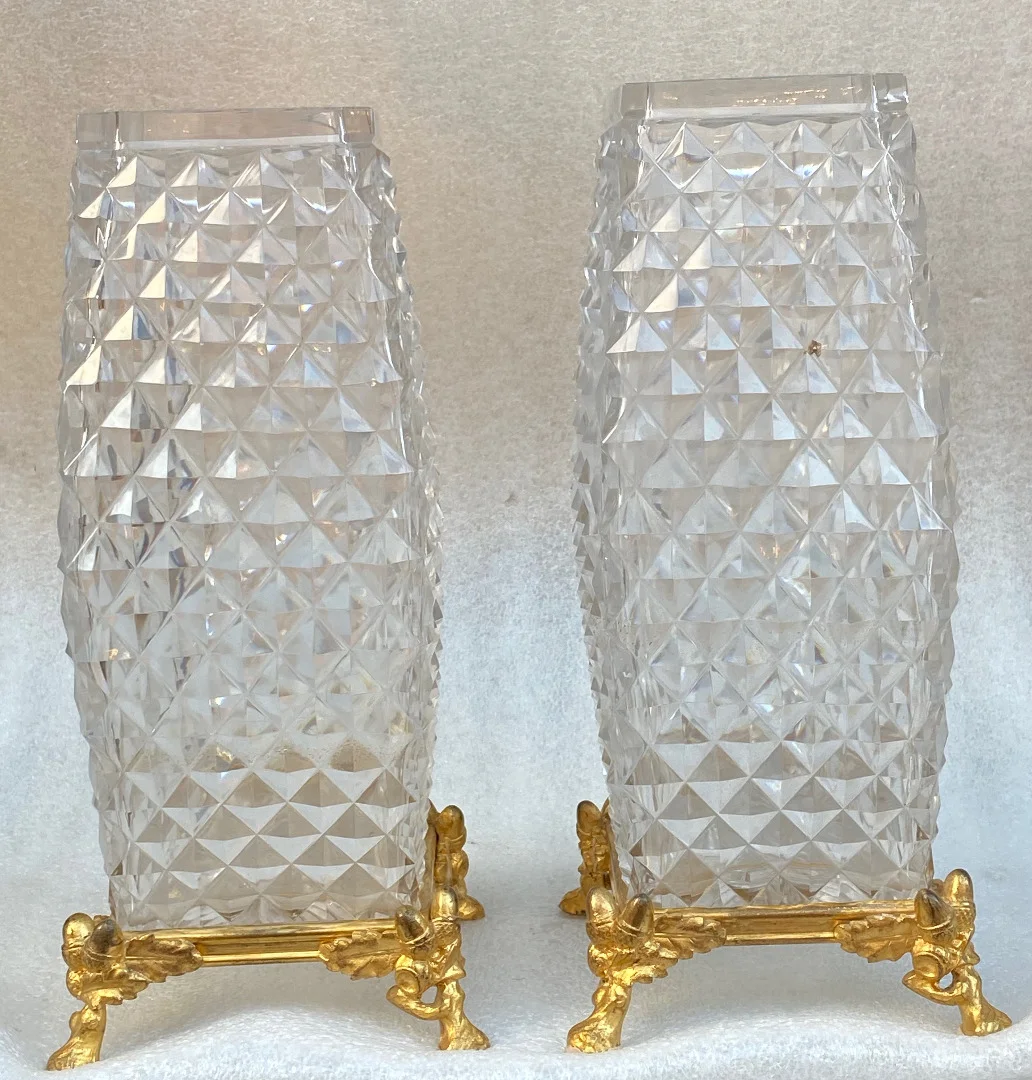
A.ABC PASCAL — Saint-Ouen
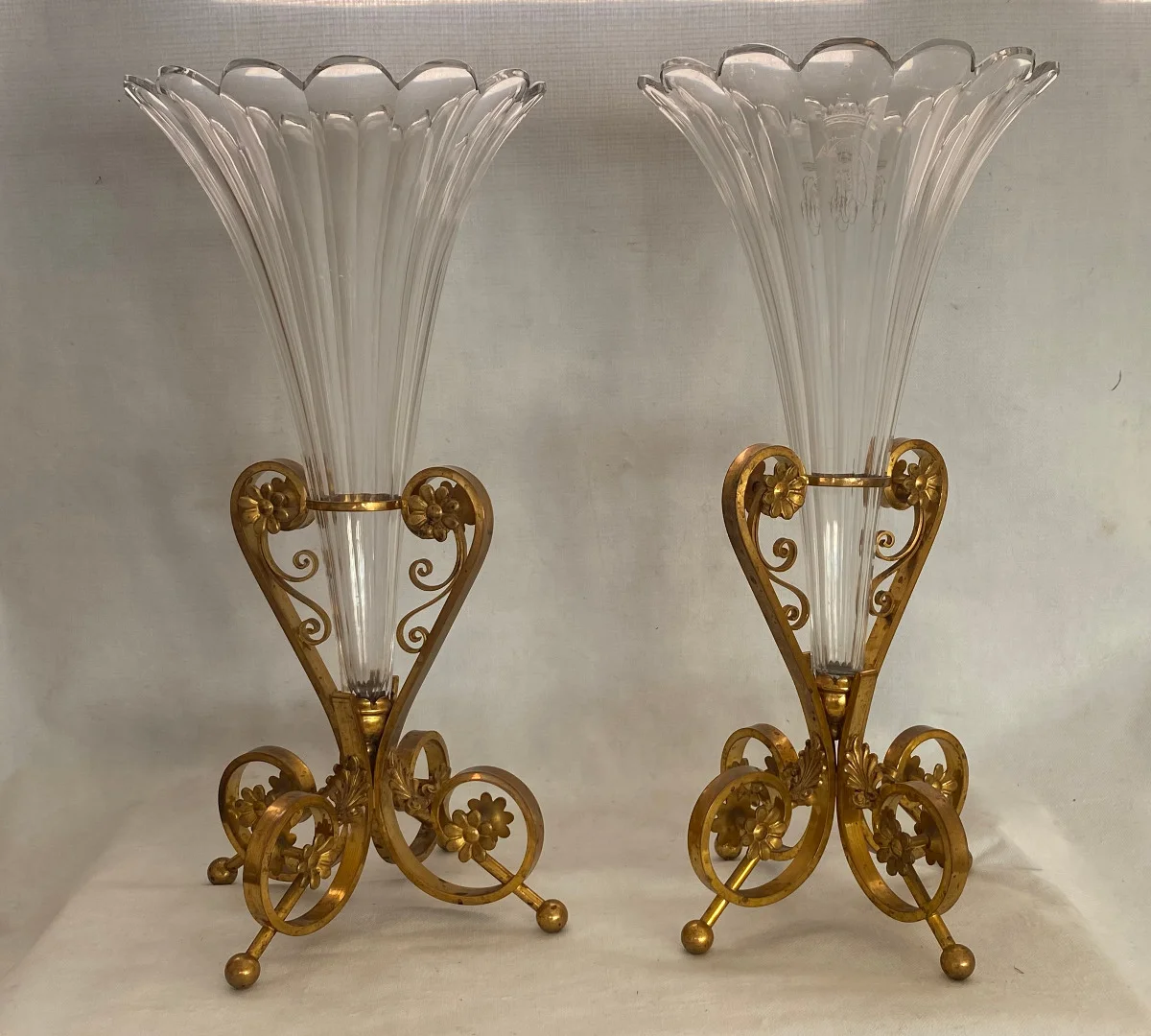
A.ABC PASCAL — Saint-Ouen
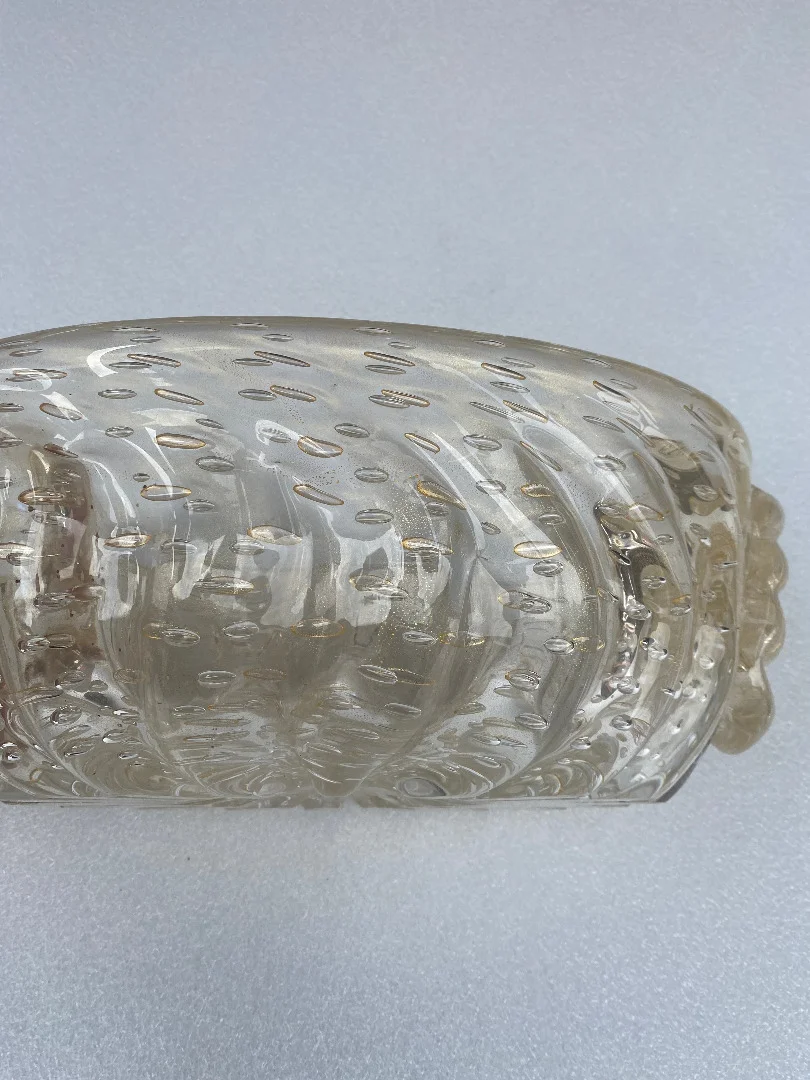
A.ABC PASCAL — Saint-Ouen
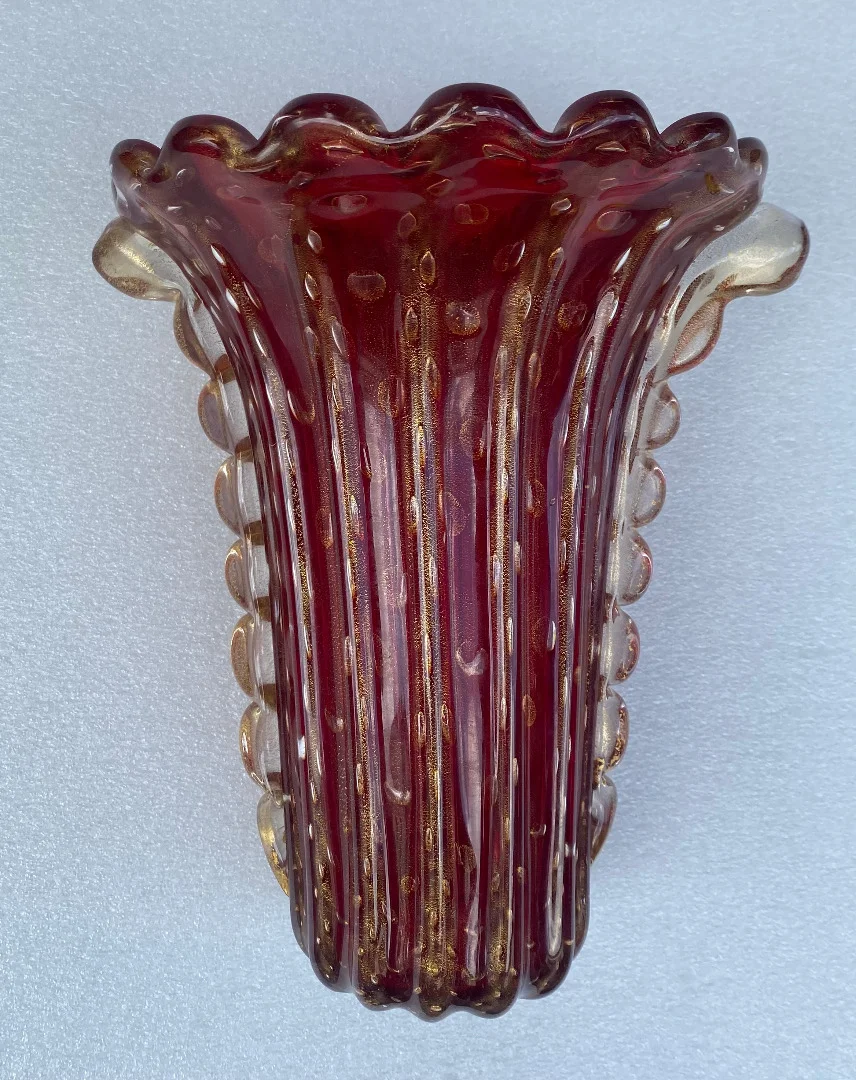
A.ABC PASCAL — Saint-Ouen

A.ABC PASCAL — Saint-Ouen

A.ABC PASCAL — Saint-Ouen
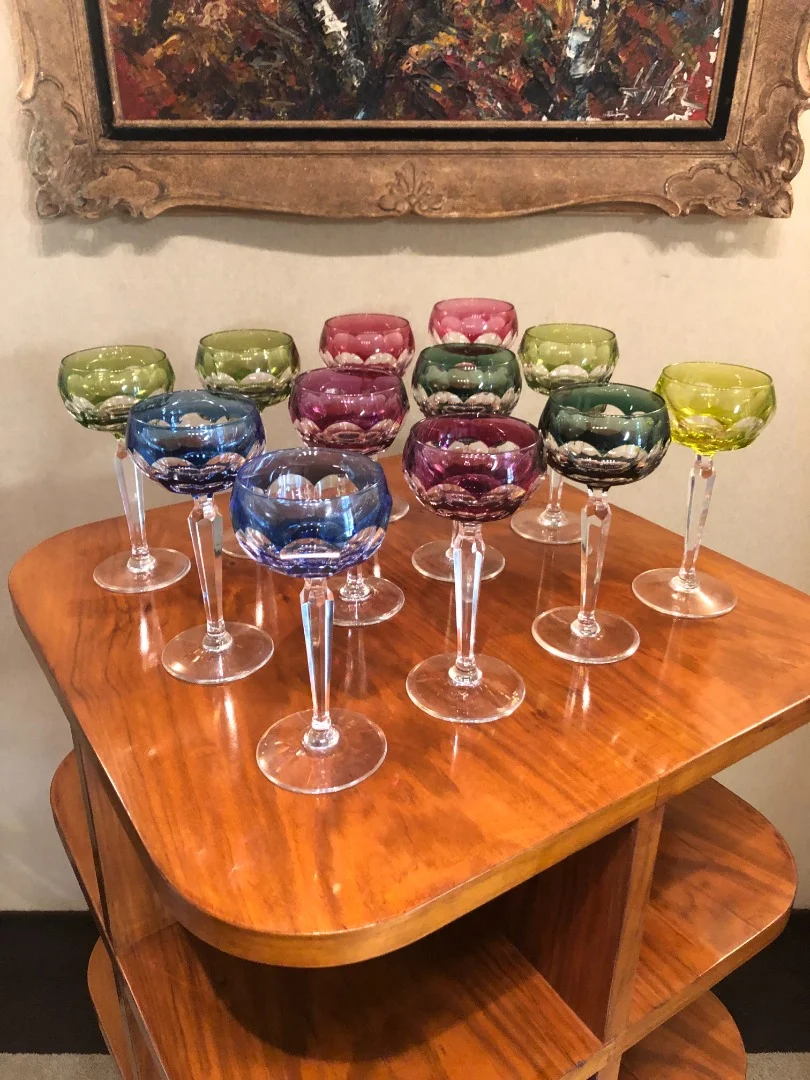
TRADITION Dupasquier Bouley Josiane — Le Plantay

L’ESTAMPILLE — Navilly
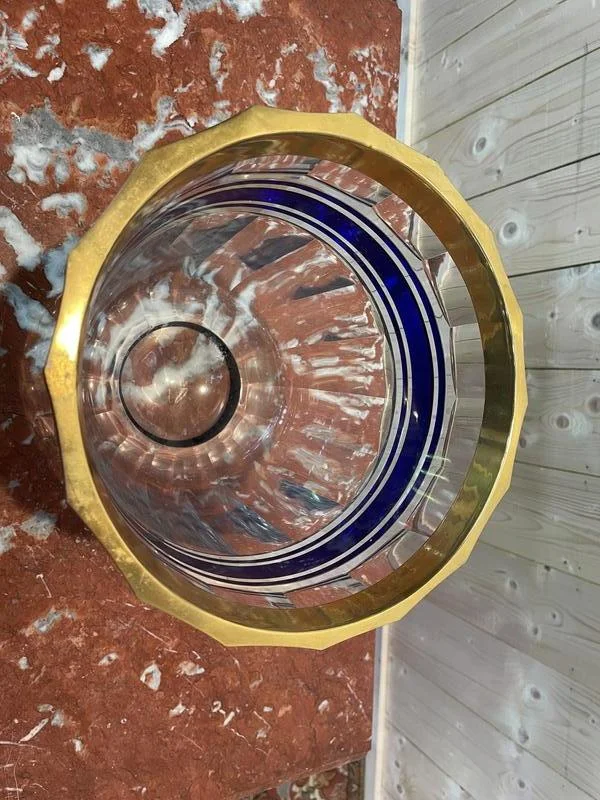
L’ESTAMPILLE — Navilly
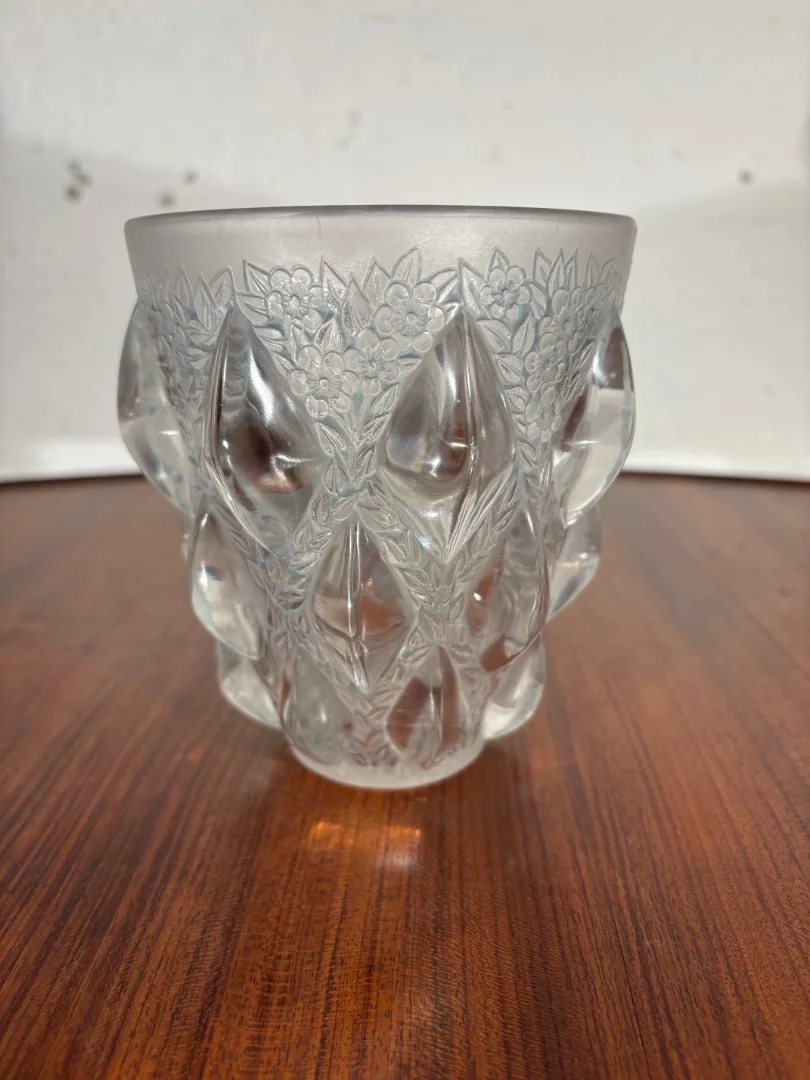
Au Réveil Du Temps — Saint-Nabord
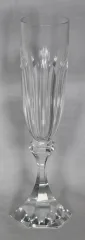
Galerie Lauretta — Mandelieu-la-Napoule
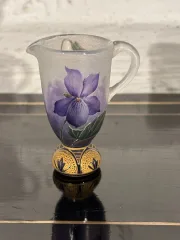
Au Réveil Du Temps — Saint-Nabord
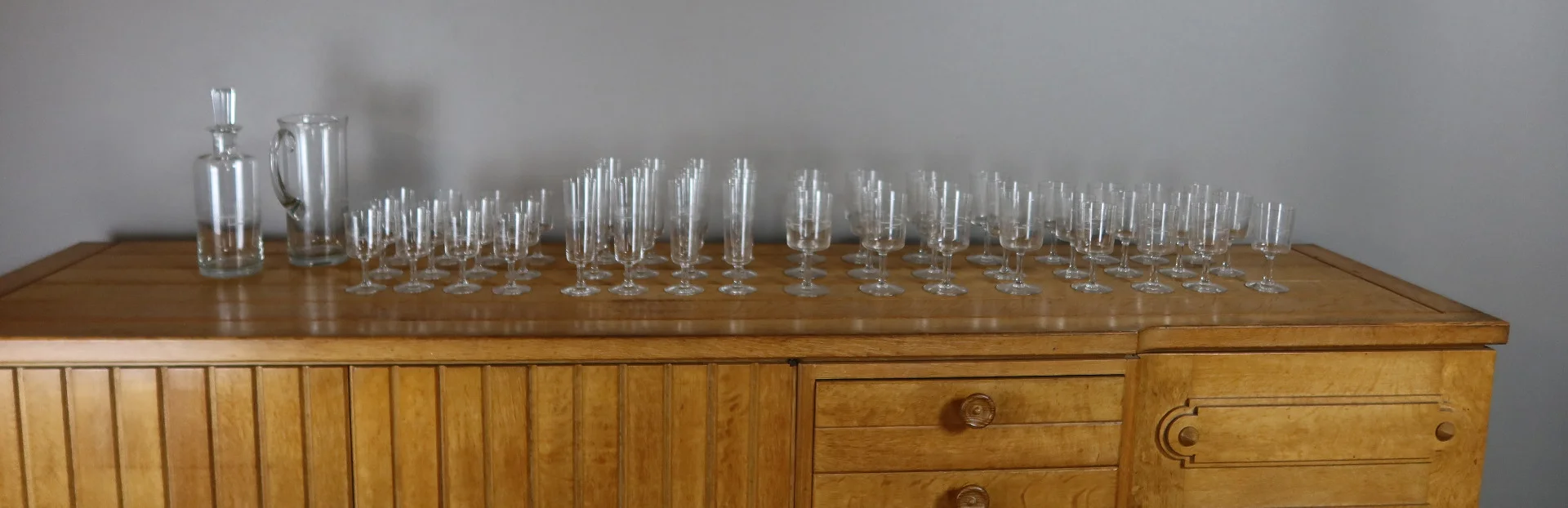
Philippe Cote Antiquites — Chauffailles
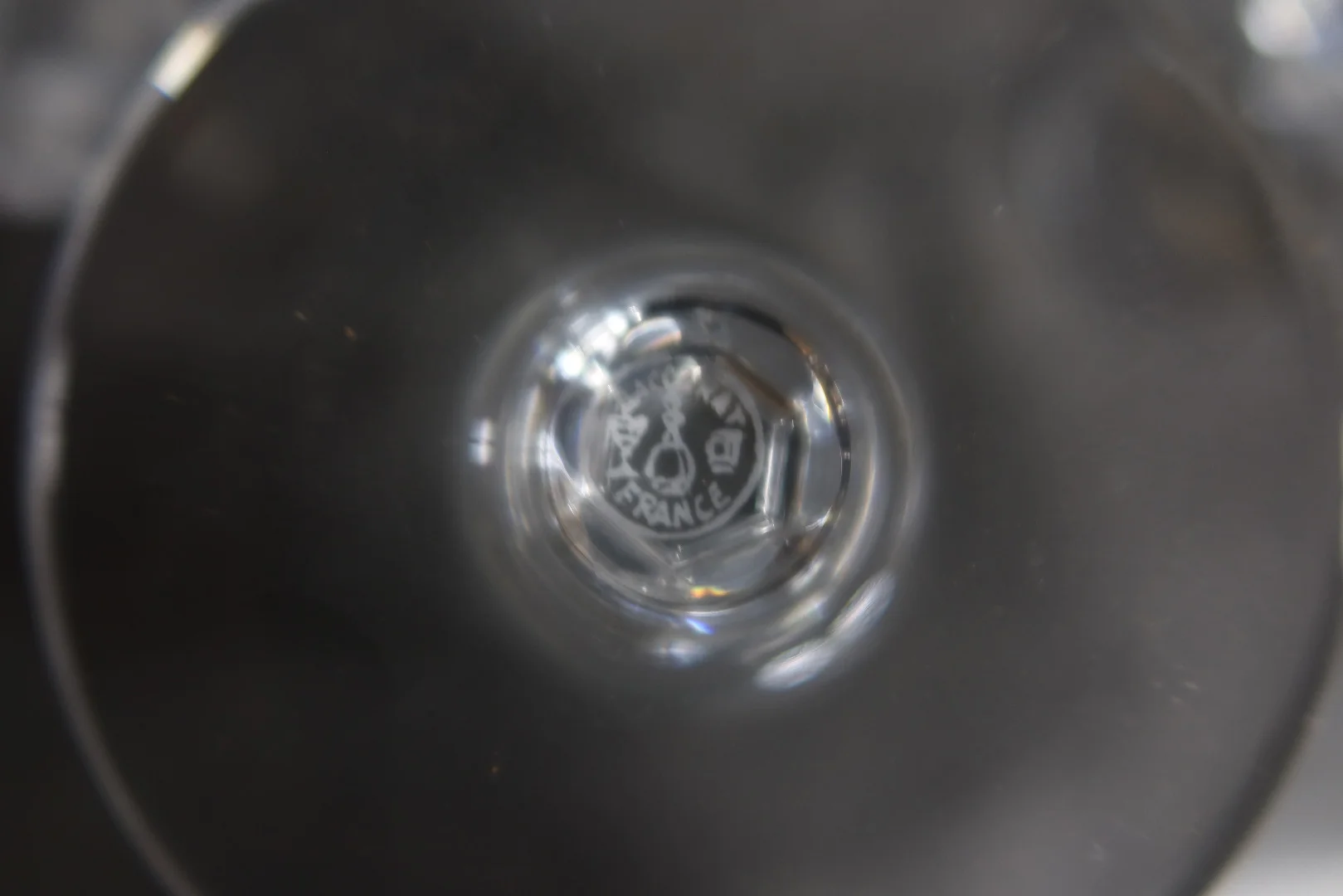
Philippe Cote Antiquites — Chauffailles

Philippe Cote Antiquites — Chauffailles
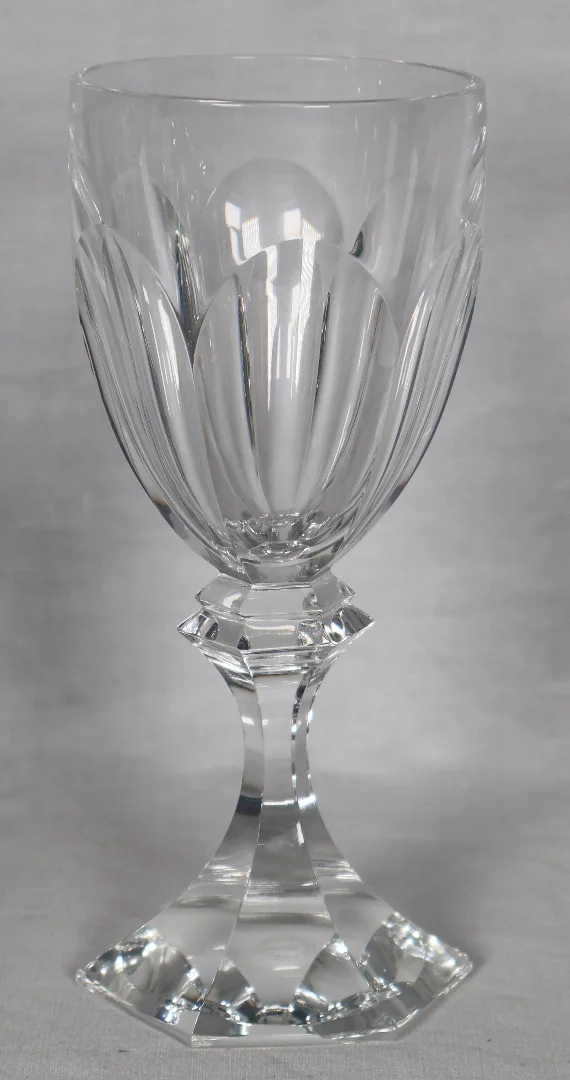
Galerie Lauretta — Mandelieu-la-Napoule
To authenticate a piece of antique glassware, start with the signature or maker's mark. Gallé, Daum, Lalique, Baccarat and Saint-Louis all signed their work — engraved, moulded or printed. A wheel-engraved signature, slightly irregular in depth and spacing, is generally earlier than a moulded factory mark applied in series. Examine the glass itself: trapped air bubbles, subtle variations in wall thickness and the natural tint of the material are all positive indicators for hand-blown pieces.
Dating is easier once you know the visual codes. Art Nouveau glass (roughly 1890–1910) favours naturalistic decoration — flowers, dragonflies, woodland landscapes — in amber, violet or smoky tones. Second Empire and Belle Époque cut crystal relies on deep geometric faceting, often heightened with gilding. Art Déco pieces shift to cleaner silhouettes with frosted or satin-finish surfaces that catch the light in a wholly different way.
Budget expectations vary widely. An unsigned 19th-century crystal decanter can be found for a few dozen pounds, while a signed Gallé or Daum vase regularly reaches several hundred to several thousand pounds depending on the rarity of the decoration and condition. Always inspect rims, feet and necks carefully: chips, hairline cracks or invisible restorations show up clearly under raking light or a UV lamp. For period glassware with a practical dimension, our antique kitchen and tableware section is well worth exploring alongside this category.
On Antiquités en France, every piece of antique glassware is offered by a verified professional dealer who can provide detailed photographs, provenance documentation and care advice before you commit. Broaden your search with cut crystal decanters and services or discover the solid silver flatware and serving pieces that so often accompanied fine antique table glass. Contact your chosen dealer directly for condition reports, additional images or a valuation estimate.