
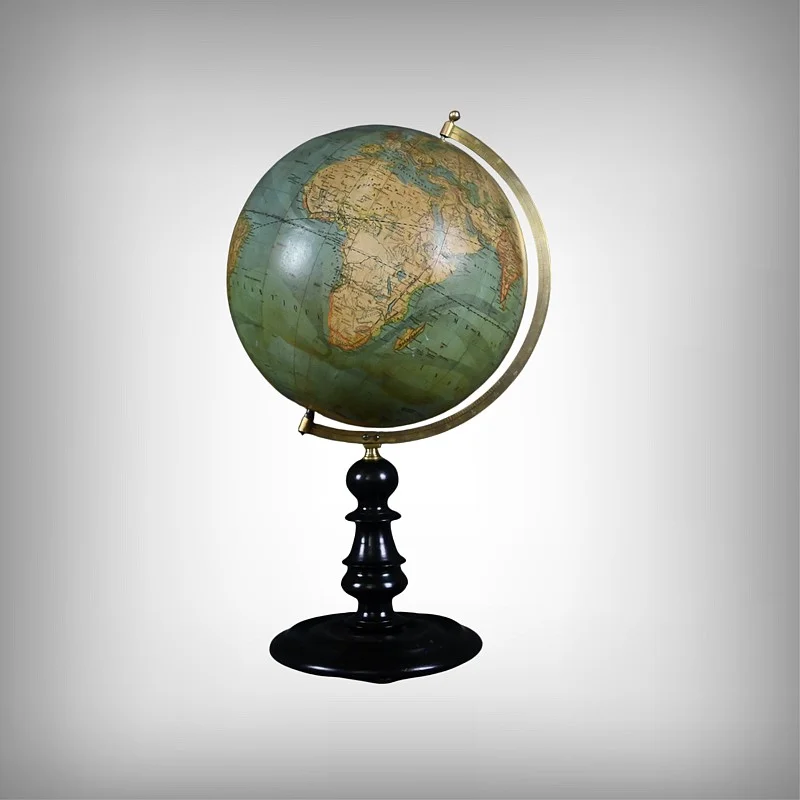
GLOBE signed M.. VIVIEN DE SAINT MARTIN
Antiquités Lecomte — Héric
1 300,00 €
13 objects found
Antique scientific instruments stand as enduring testaments to the ingenuity of craftsmen and natural philosophers who, from the 17th century through the early 20th, set out to measure and understand the world. Telescopes, microscopes, sextants and proportional compasses unite mechanical precision with genuine aesthetic beauty: polished brass, rosewood, hand-blown optical glass and finely engraved scales. Each piece is simultaneously a landmark in the history of science and a highly decorative object.
On Antiquités en France, antique measuring instruments are offered by specialist dealers who can document the maker, period and working condition of every piece.
13 objects found
Antiquités Lecomte — Héric
ANTIQUITES VANGEON — Chartres
Au Réveil Du Temps — Saint-Nabord
L’ESTAMPILLE — Navilly
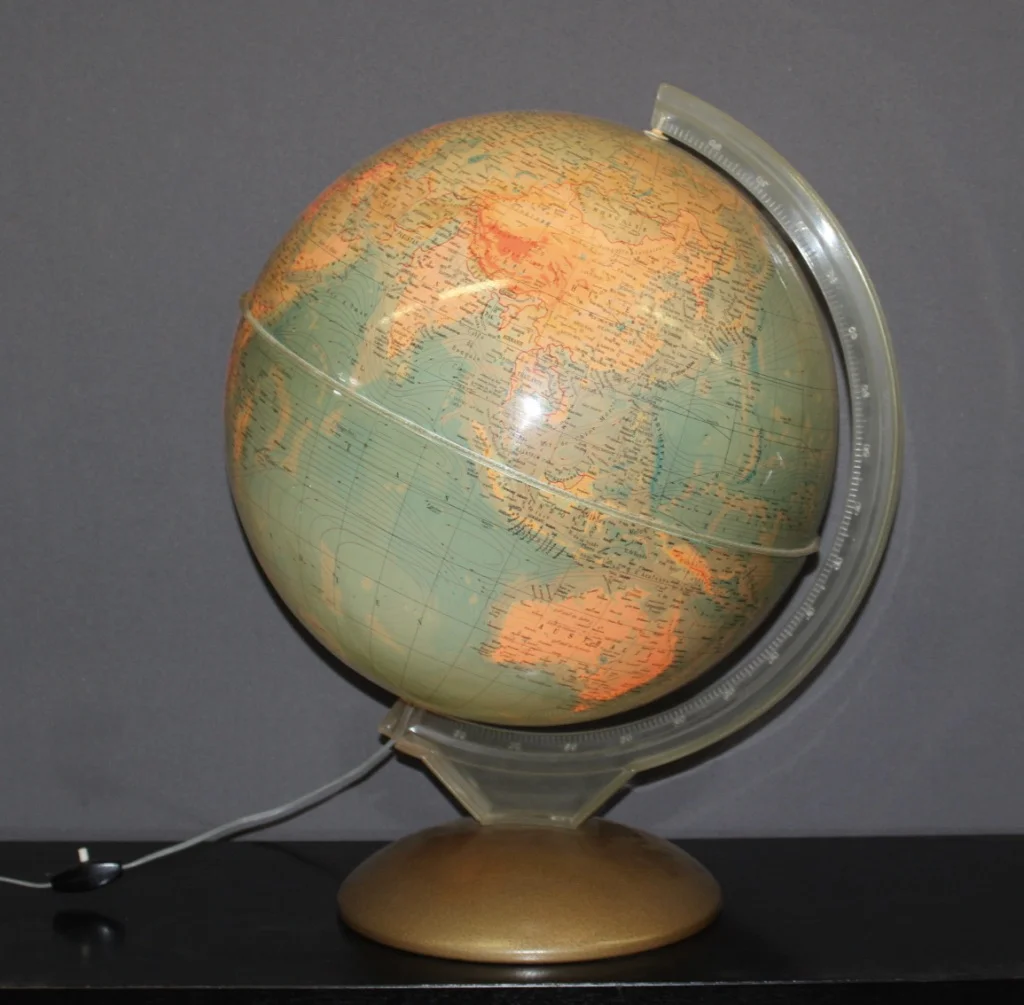
Antiquités Christophe Rochet — Villeurbanne
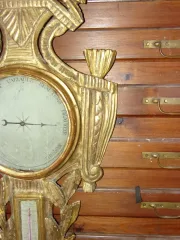
Sarl Cave — Limoges
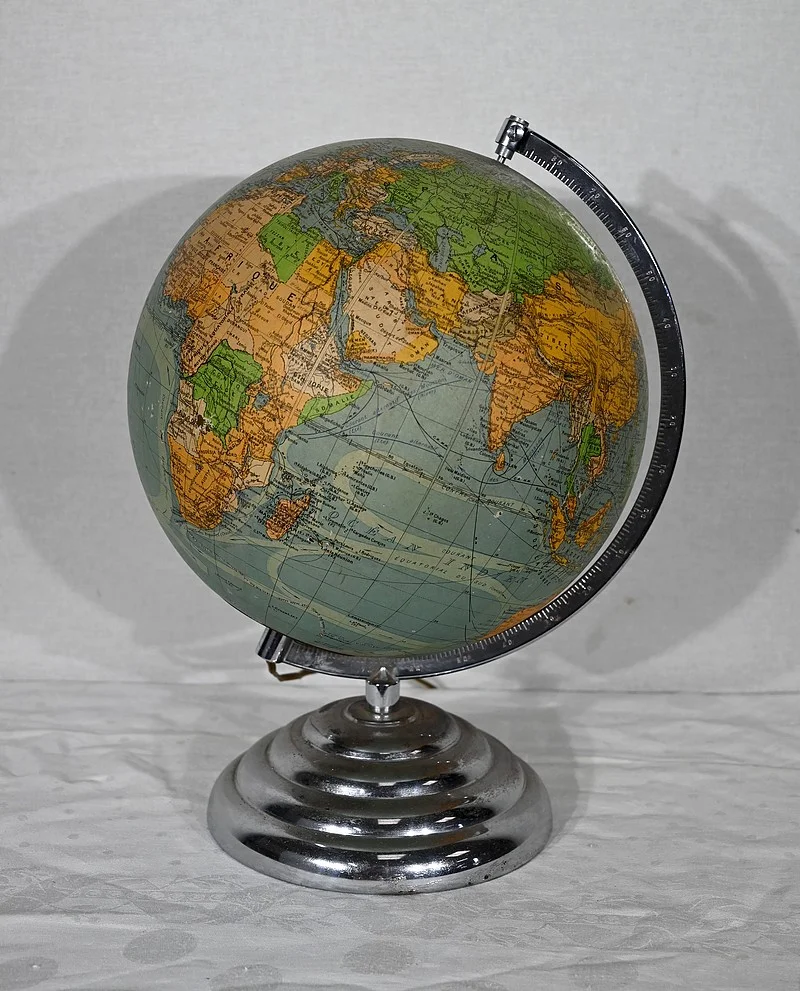
Antiquités Lecomte — Héric

Philippe Cote Antiquites — Chauffailles
Antiquités Lecomte — Héric
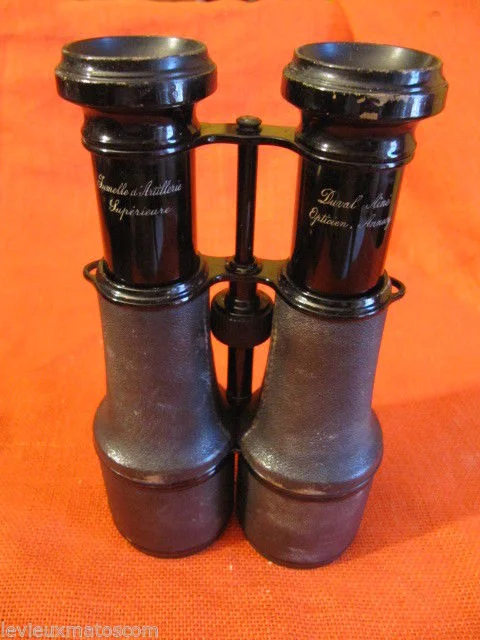
Antiquités "Le Vieux Matos" L.V.M — La Chapelle-Saint-Martin-en-Plaine

Antiquités "Le Vieux Matos" L.V.M — La Chapelle-Saint-Martin-en-Plaine
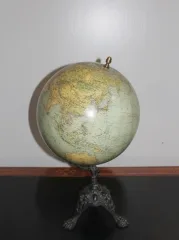
Antiquités Lecomte — Héric
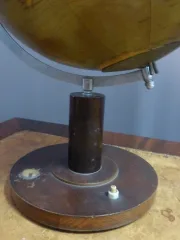
Philippe Cote Antiquites — Chauffailles
Authenticating a genuine antique scientific instrument requires examining several key indicators. The maker's signature or cartouche is the first mark of quality — look for names such as Jesse Ramsden, Troughton & Simms, Secretan, Chevalier or Gambey, all of whom produced instruments of the highest order for the British and French scientific establishments. Scales should be engraved directly into the metal, never printed or applied, and adjustment screws should be solid brass rather than cast alloy. An original fitted case in morocco leather or mahogany, complete with spare eyepieces and adjustment keys, substantially increases both value and coherence.
Dating an instrument is largely a matter of reading its mounts and finish: turned brass tripod feet are characteristic of the early 19th century, while nickel-plated or chromium finishes point to the Belle Époque or the interwar period. Antique barometers and enamel-dial thermometers follow a similar evolution. Be wary of modern reproductions: the weight, the natural patina of aged brass and the consistent wear on moving parts are genuinely difficult to fake convincingly.
In terms of budget, an antique microscope by a standard maker typically sells for between £250 and £1,200, while a signed instrument from a leading Parisian or London optician can exceed £4,000. Antique terrestrial globes and naval navigation instruments regularly command strong prices at auction owing to their scarcity. Plan for careful shipping: a bespoke crate with rigid internal padding is essential for any piece with fragile optics.
Every seller on Antiquités en France is a verified professional dealer able to supply detailed photographs, provenance documentation and conservation advice. Contact the dealer directly before purchase to ask about working condition, restoration history and any available supporting paperwork — a reputable antiquaire will always welcome the question.