
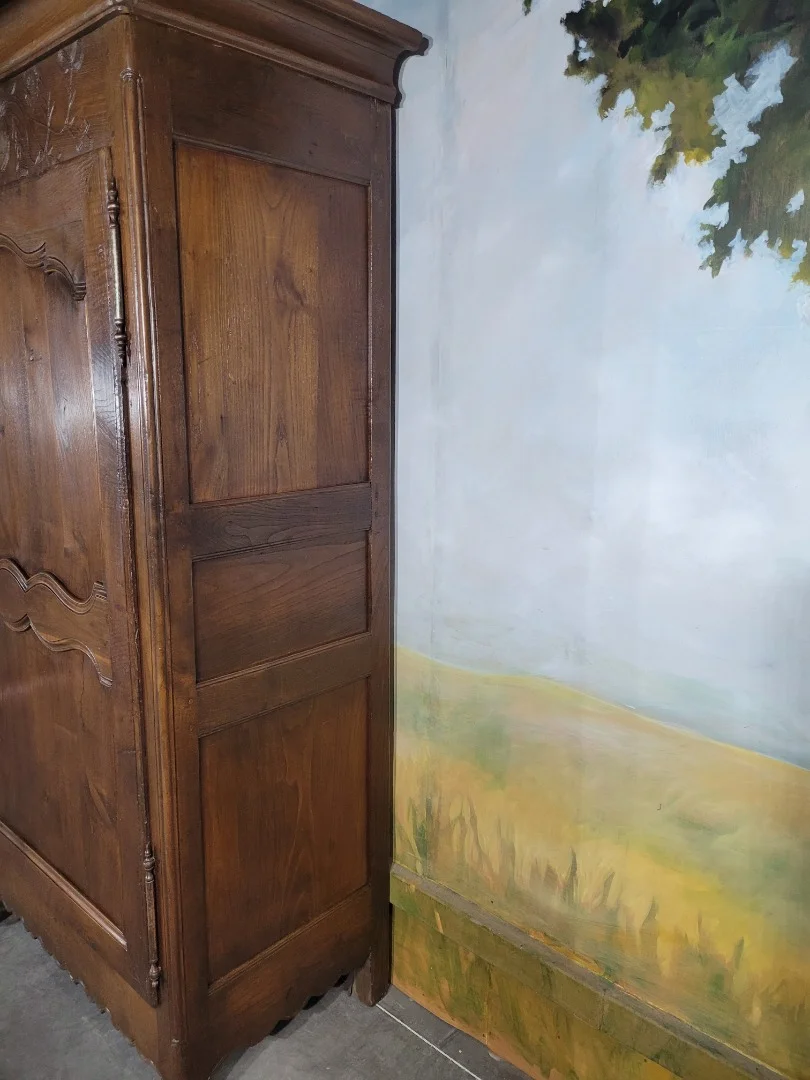
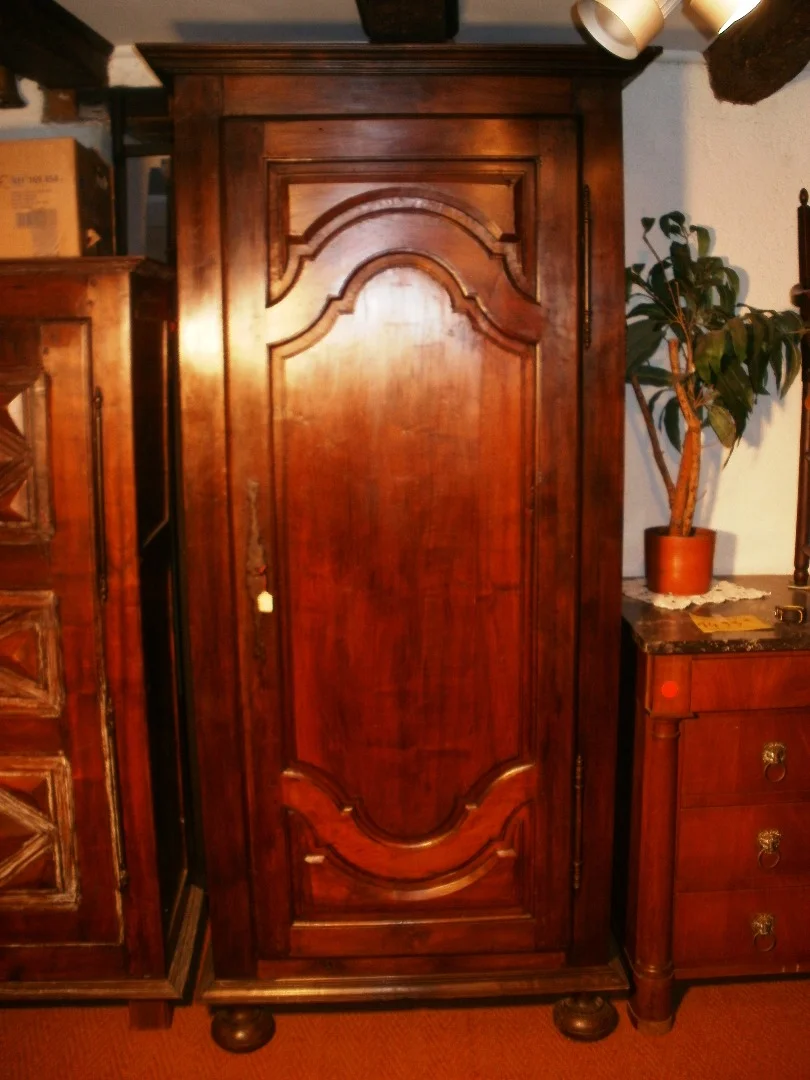
LOUIS XV PERIOD CUPBOARD
Antiquites d'Augers en Brie — Augers-en-Brie
990,00 €
24 objects found
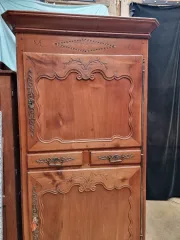
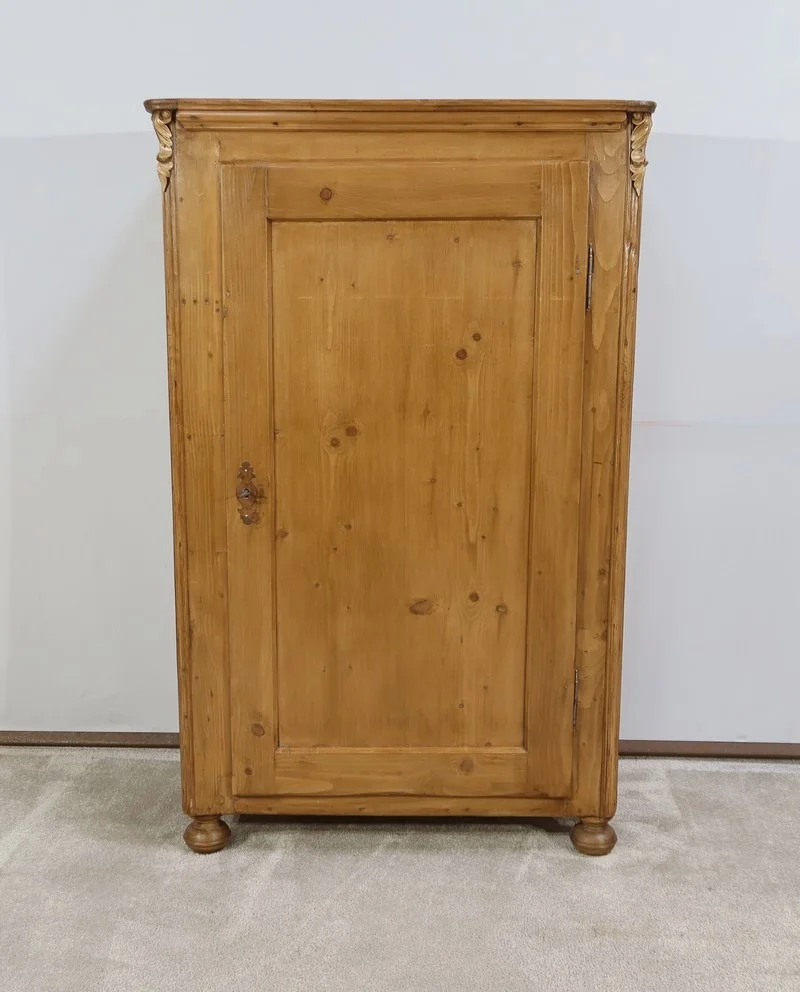
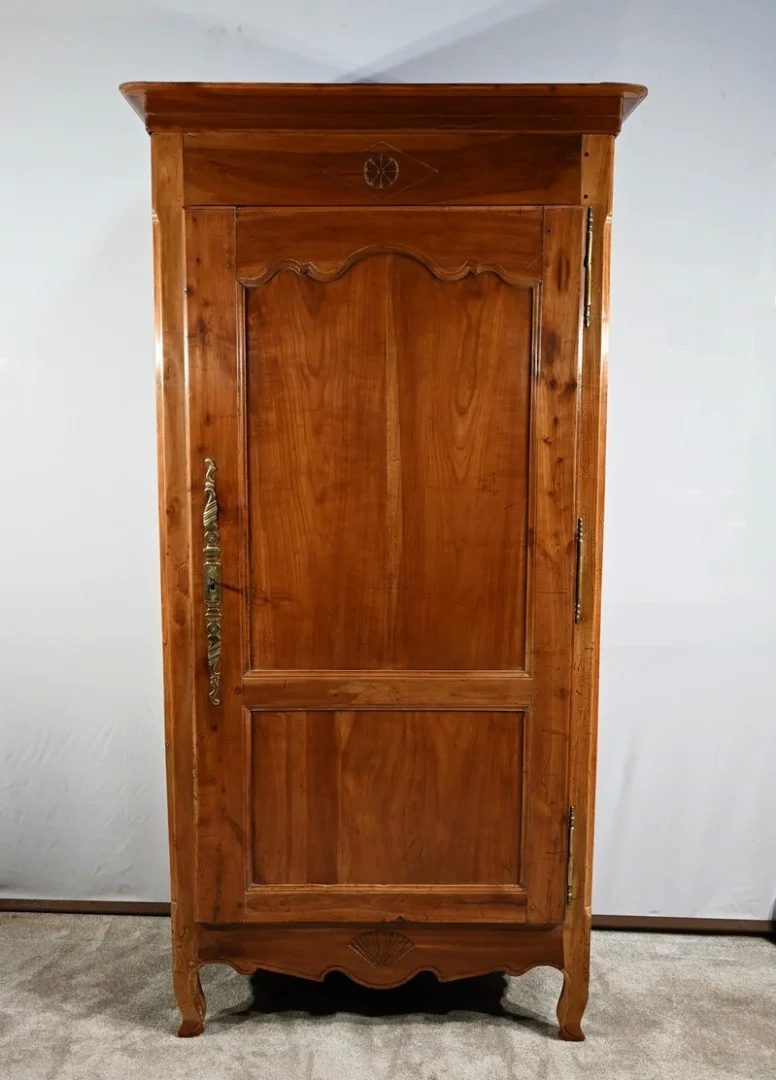
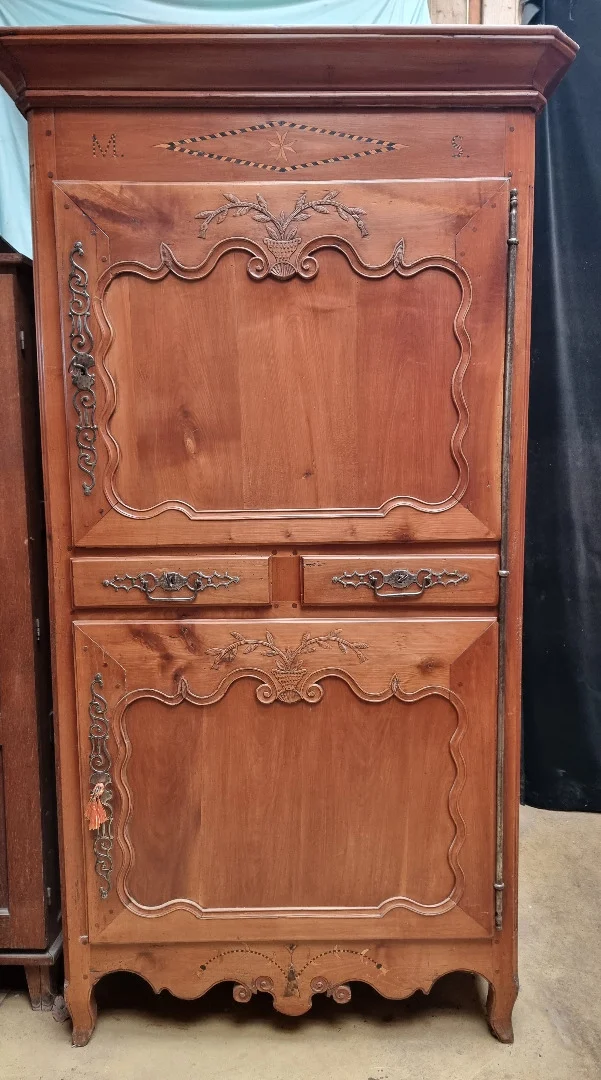
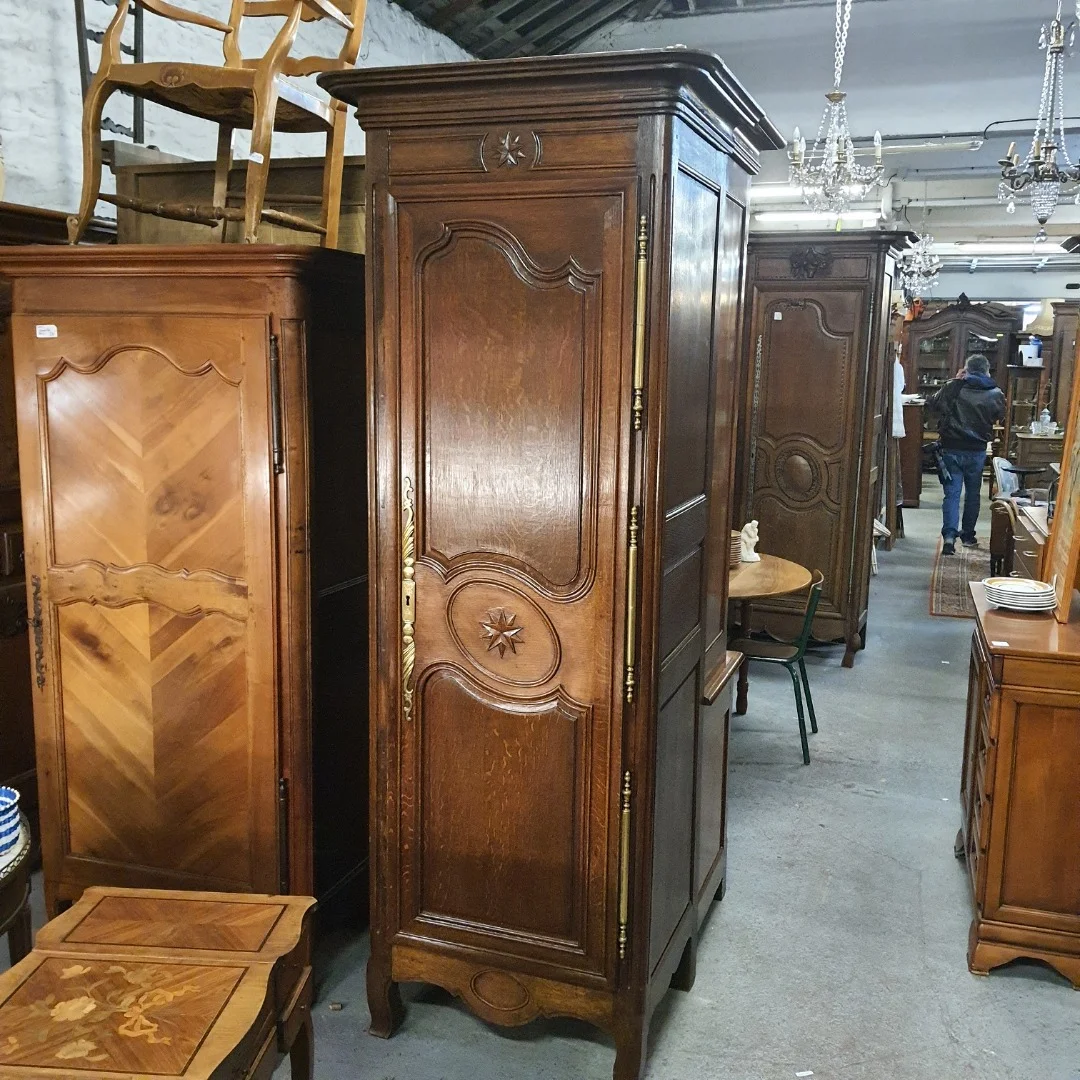
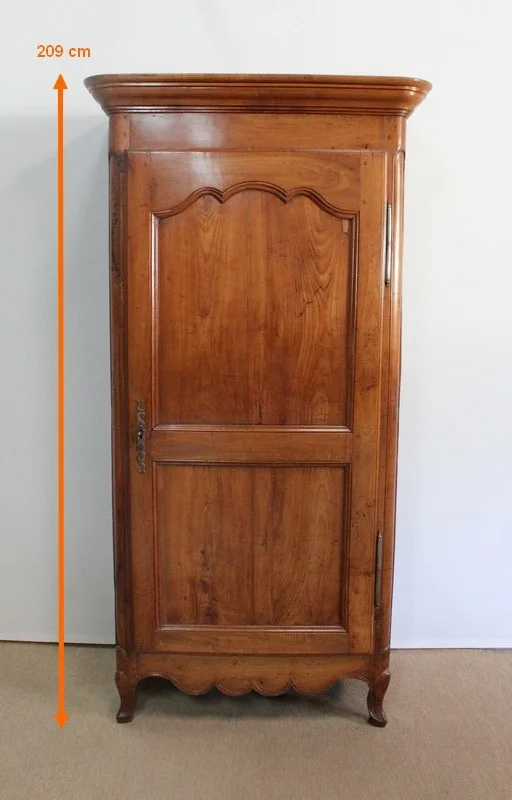
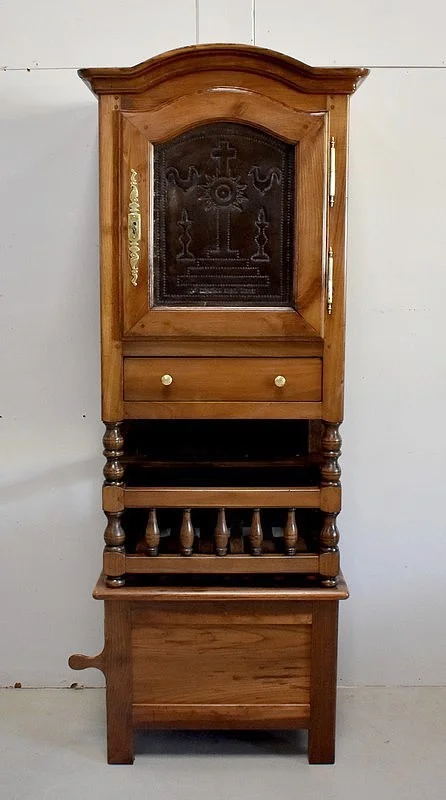
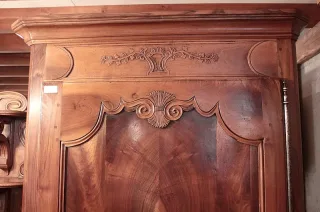
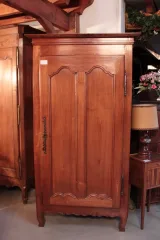
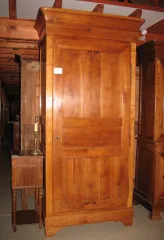
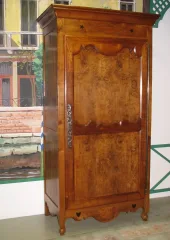
The antique bonnetière is a tall, narrow single-door cabinet originally designed to store bonnets, caps and hats — an essential piece of French provincial furniture from the 18th and 19th centuries. Crafted in solid oak, walnut or wild cherry depending on the region — Normandy, Brittany, Burgundy — each example reflects the skill of a local craftsman and the tastes of its era. The single door is typically adorned with carved panel decoration, from simple geometric lozenges to elaborate floral motifs.
Styles range from the robustly rustic to the refined Louis XV bonnetière with its curved waist, cabriole feet and moulded cornice. Compact enough for a hallway yet full of character, these pieces integrate beautifully into both period and contemporary interiors.
24 objects found
Antiquites d'Augers en Brie — Augers-en-Brie
2R Antiquites — Caluire-et-Cuire
Antiquites d'Augers en Brie — Augers-en-Brie
Antiquités Christophe Rochet — Villeurbanne
French-antiques.fr — Rouen

L’ESTAMPILLE — Navilly
Antiquités Lecomte — Héric
Antiquités Lecomte — Héric
la caleche caennaise — Mondeville
French-antiques.fr — Rouen

Antiquités Lecomte — Héric
la caleche caennaise — Mondeville
Antiquités Lecomte — Héric
Antiquités Lecomte — Héric

la caleche caennaise — Mondeville
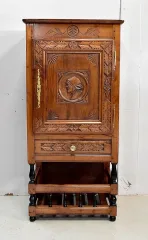
Antiquités Lecomte — Héric
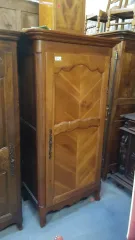
la caleche caennaise — Mondeville
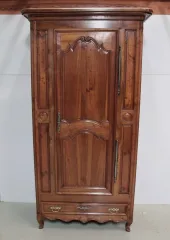
Antiquités Lecomte — Héric
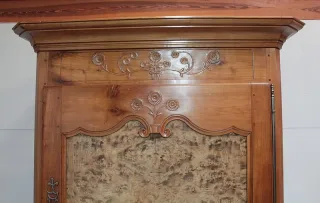
Antiquités Lecomte — Héric
Antiquités Lecomte — Héric
Antiquités Lecomte — Héric
Antiquités Lecomte — Héric
Antiquités Lecomte — Héric
La légende des siècles — Chaillé-les-Marais
Authenticating an antique bonnetière begins with the wood. Period oak or walnut displays an irregular grain, natural knots and a warm golden patina built up over decades — quite different from the uniform tone of modern timber. Open the door and inspect the joinery: hand-cut mortise-and-tenon joints secured with wooden pegs are a reliable sign of pre-industrial craftsmanship. Be cautious of modern screws, plywood panels hidden behind old veneer, or a door that has been replaced entirely.
Regional character is a key guide to dating and valuing a piece. The Norman bonnetière is recognised by its diamond-point or lozenge-carved panels, boldly projecting cornice and original wrought-iron hinges and lock plate. The Louis XV variant is more refined: a bowed door, swept feet and delicate bead mouldings signal a maker working in the fashionable Rococo idiom of the mid-18th century. As a rule, the more pronounced and elaborate the cornice, the earlier the piece. An 18th-century example will also show wide, unglued floorboards at the back — a detail that is very hard to fake convincingly.
In terms of budget, a sound rustic bonnetière in honest condition typically sells for £250–£700. A documented Louis XV example with original hardware, a well-preserved carved door and a known regional provenance can reach £1,000–£2,500 or more. Condition of the door panel, originality of the hinges and the presence of the period lock are the primary value drivers; a replaced door or repainted surface will significantly reduce the price. A sympathetic, period-consistent restoration is perfectly acceptable. Browse our wider selection of antique French country furniture to find complementary pieces, or explore antique kitchen antiques to furnish a characterful interior from top to bottom.
Every antique bonnetière listed on Antiquités en France is offered by a verified professional dealer who can supply additional photographs, precise measurements and provenance documentation on request. Contact the seller directly for a personalised shipping quote — most dealers are experienced in packing and transporting antique furniture safely across Europe and beyond.