

Anglo-Indian rosewood campaign chest of drawers, 19th century
L'atelier De La Dorure — Calmont
2 500,00 €
Excellent condition
31 objects found
Antique maritime collectibles encompass the finest objects produced by centuries of seafaring: antique navigation instruments — sextants, octants, ship's compasses, marine chronometers — alongside binnacle lamps, telescopes, ship's bells, half-hull models and marine paintings. These pieces reflect extraordinary craftsmanship, often signed by celebrated makers from London, Paris or Hamburg working through the 18th and 19th centuries.
Whether you are drawn to a finely rigged ship model in wood and ivory or a brass sextant in its original mahogany case, each object carries the living history of maritime exploration and trade.
31 objects found
L'atelier De La Dorure — Calmont
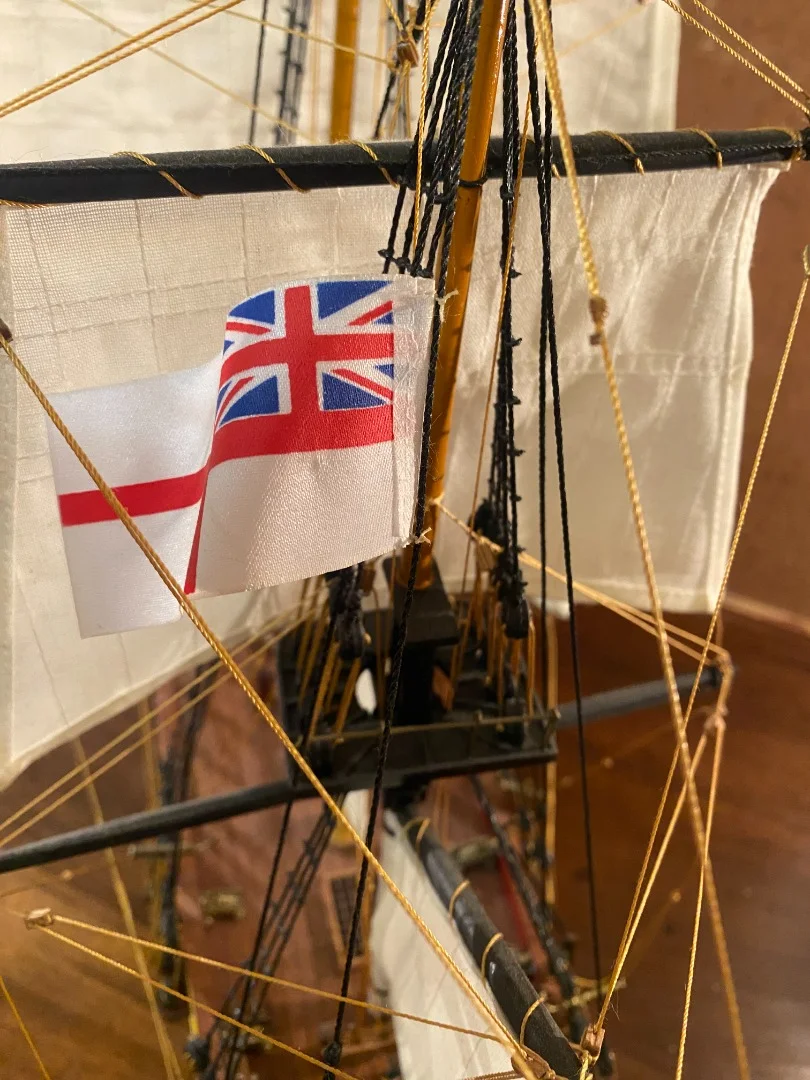
jean-pierre PERNOD — Bourg-en-Bresse
L’ESTAMPILLE — Navilly
Anne Besnard — Saint-Ouen

Sarl Cave — Limoges

Sarl Cave — Limoges
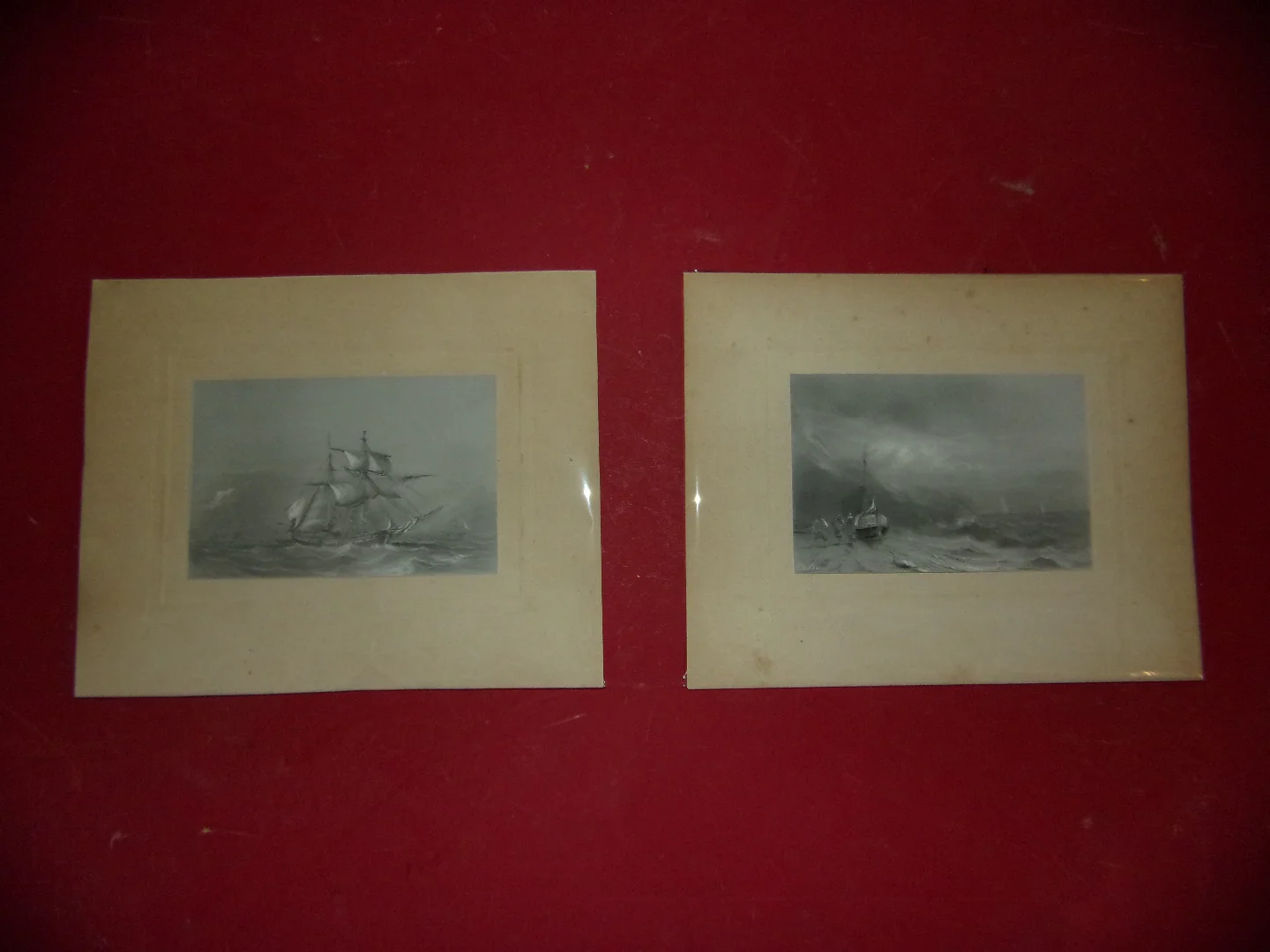
Sarl Cave — Limoges
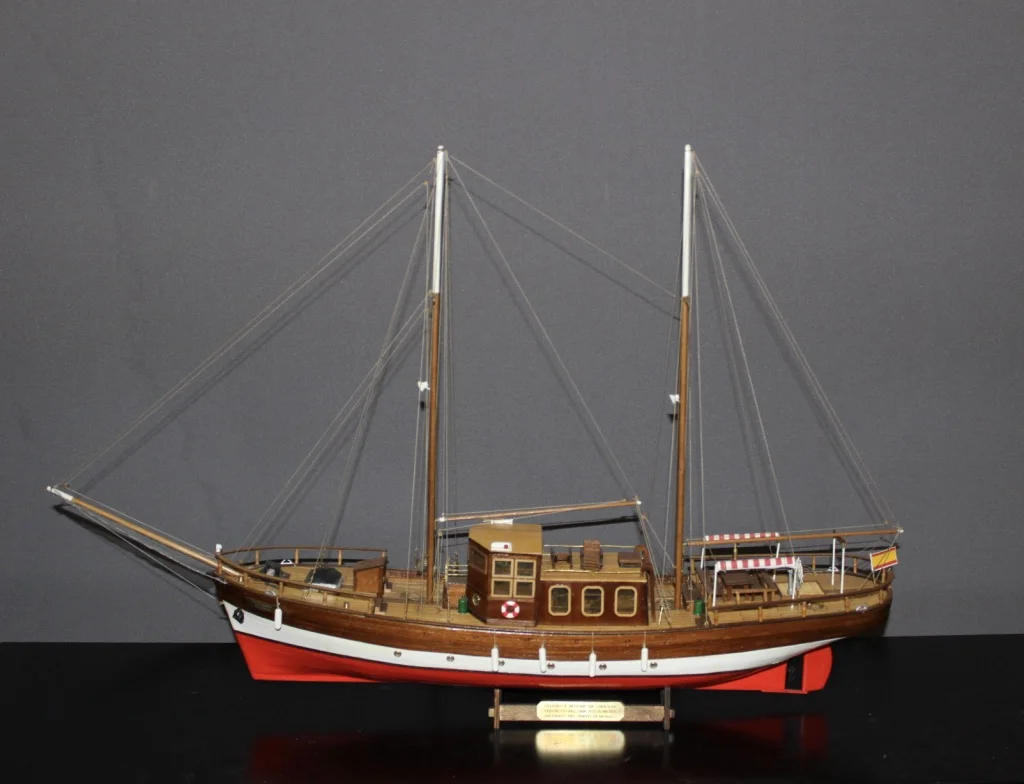
Antiquités Christophe Rochet — Villeurbanne
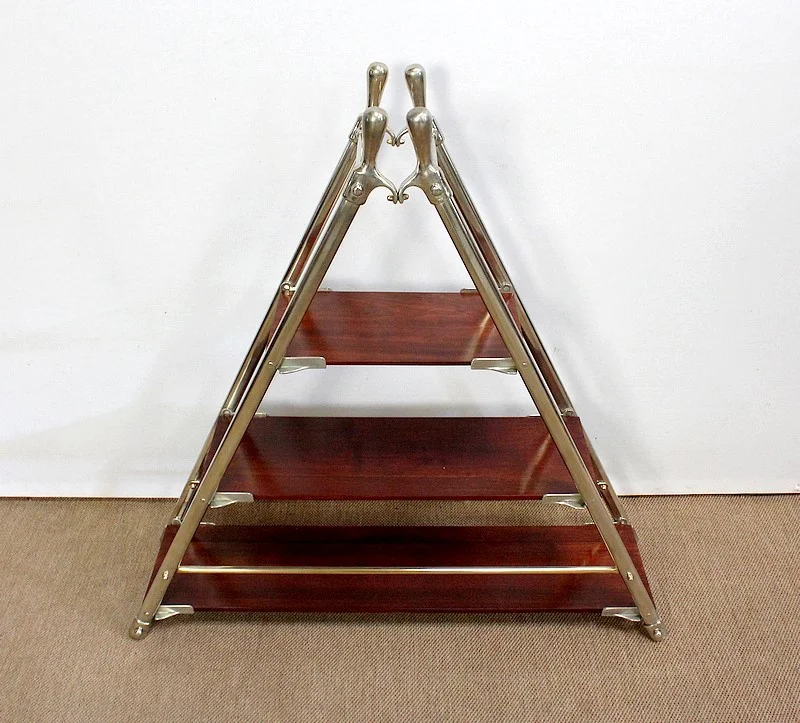
Antiquités Lecomte — Héric
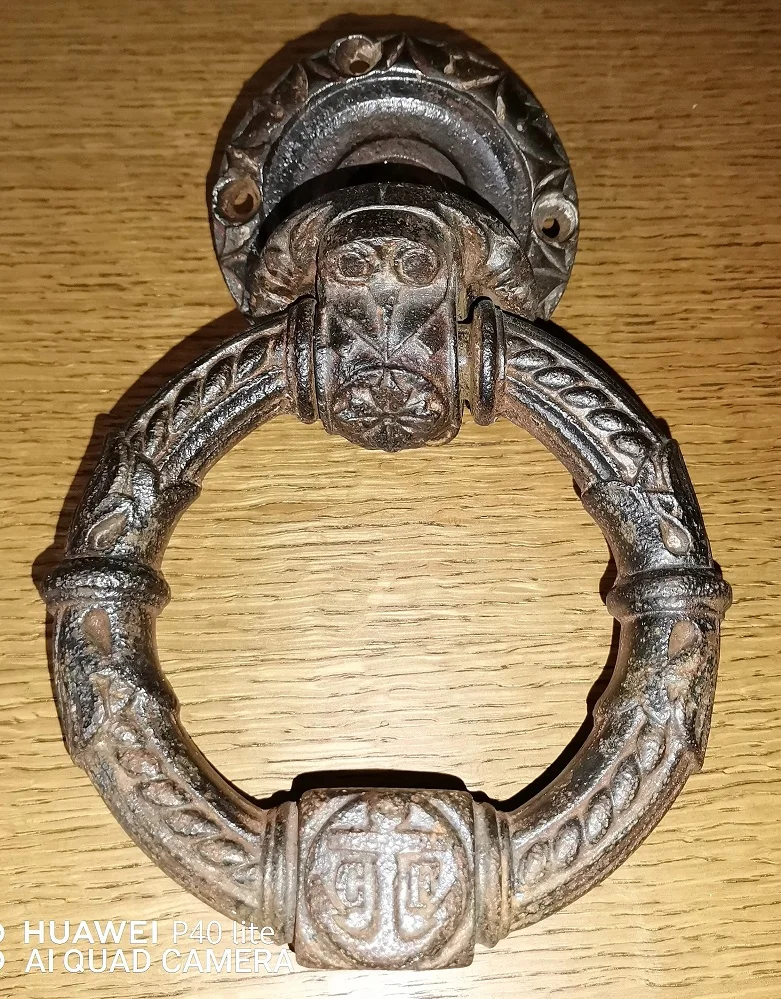
Antiquités "Le Vieux Matos" L.V.M — La Chapelle-Saint-Martin-en-Plaine
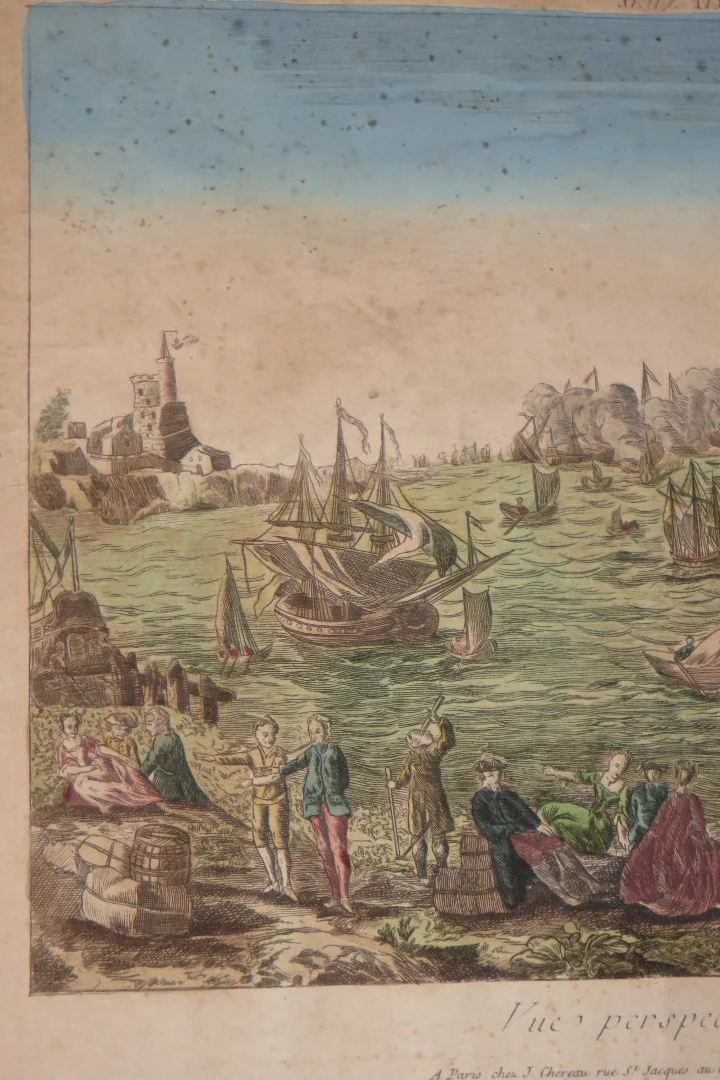
Sarl Cave — Limoges
L'atelier De La Dorure — Calmont
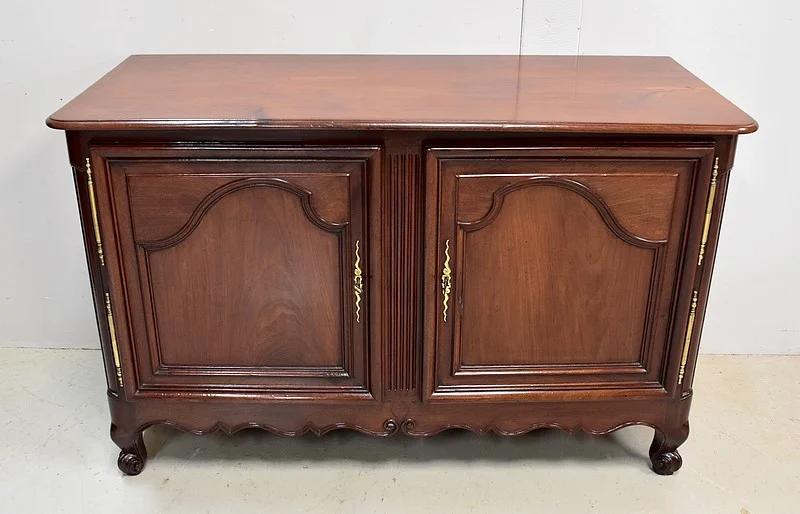
Antiquités Lecomte — Héric

Antiquités Lecomte — Héric
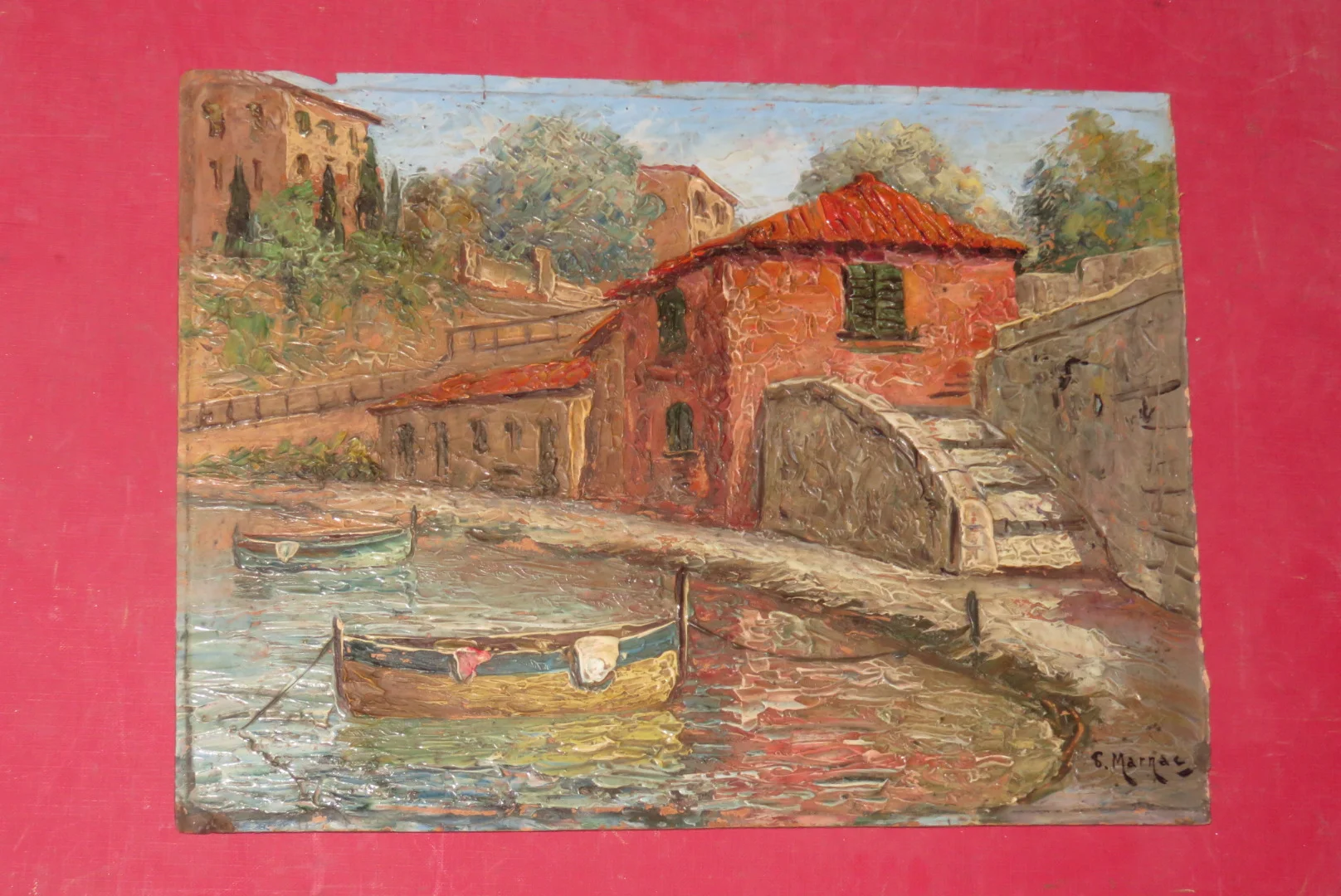
Sarl Cave — Limoges
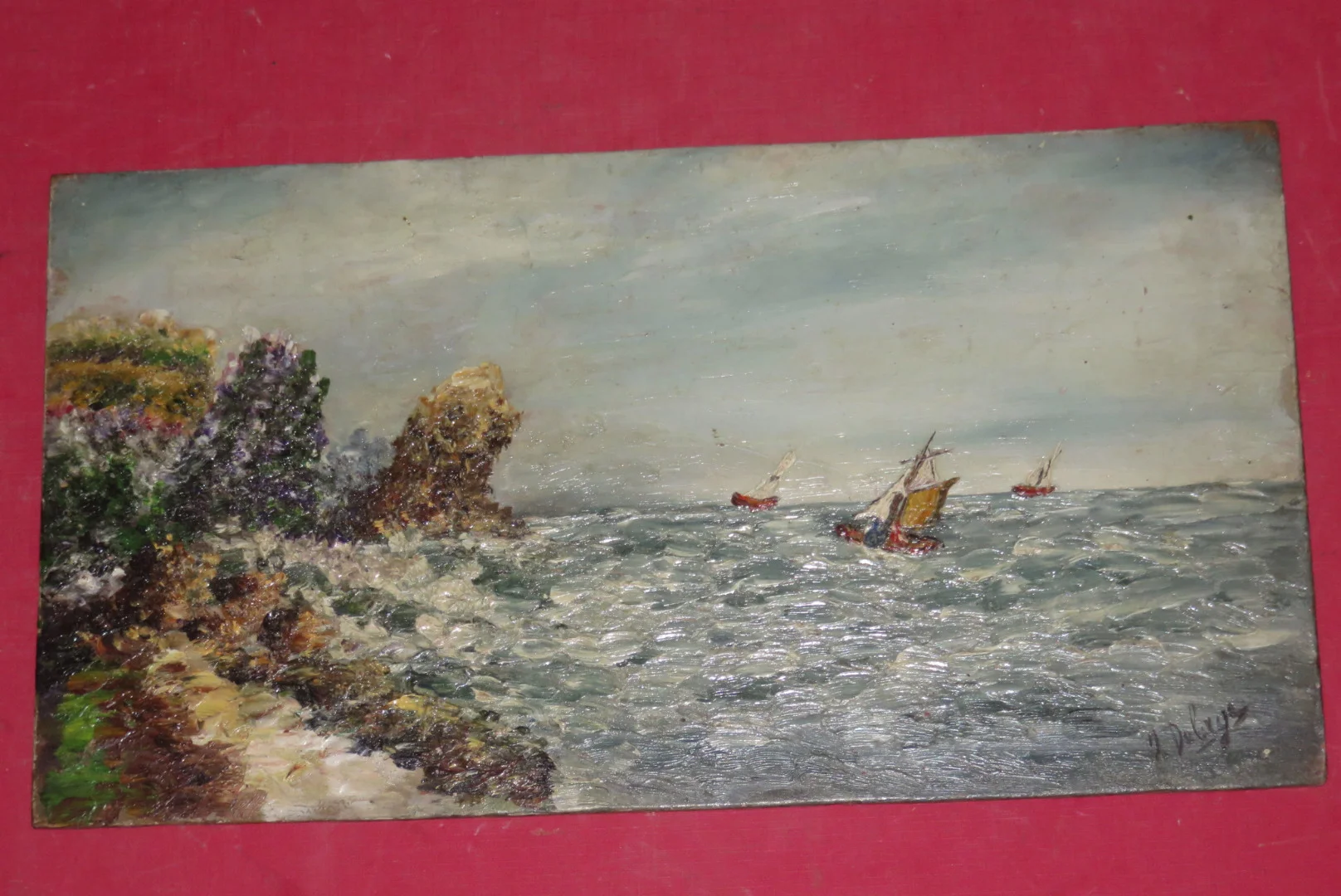
Sarl Cave — Limoges

Antiquités "Le Vieux Matos" L.V.M — La Chapelle-Saint-Martin-en-Plaine

Sarl Cave — Limoges
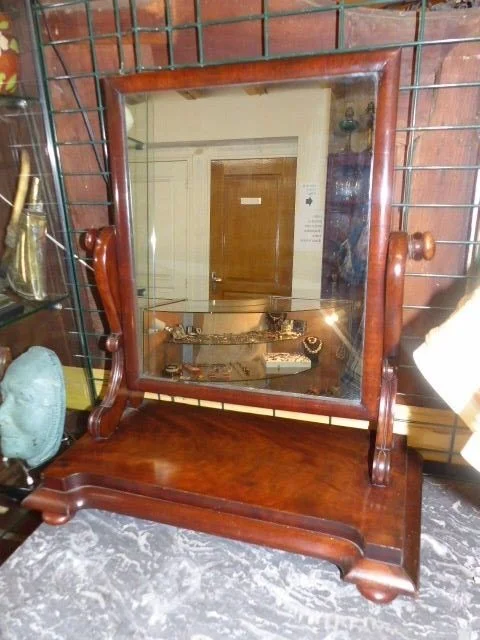
Antiquités "Le Vieux Matos" L.V.M — La Chapelle-Saint-Martin-en-Plaine
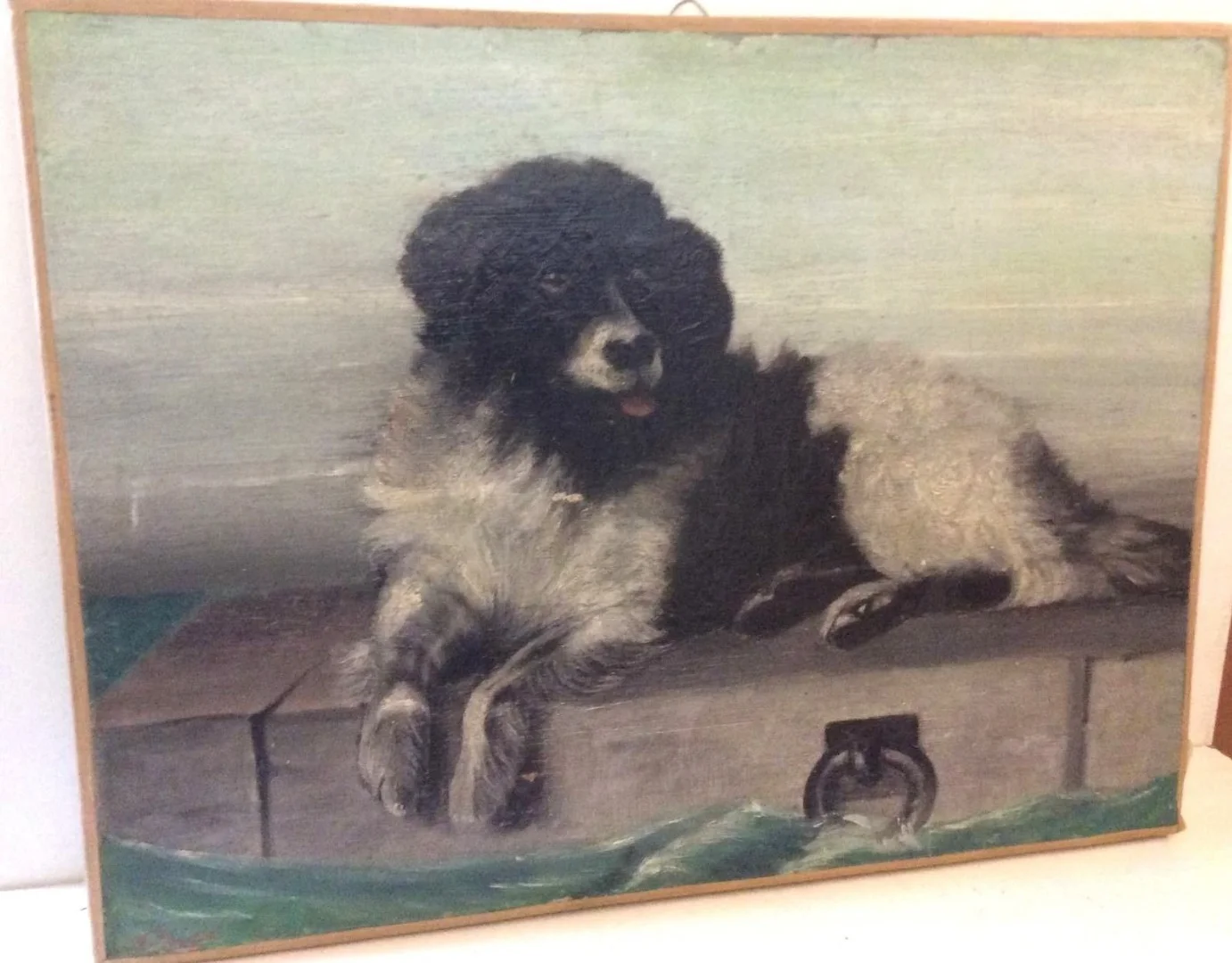
Antiquités "Le Vieux Matos" L.V.M — La Chapelle-Saint-Martin-en-Plaine

Antiquités "Le Vieux Matos" L.V.M — La Chapelle-Saint-Martin-en-Plaine
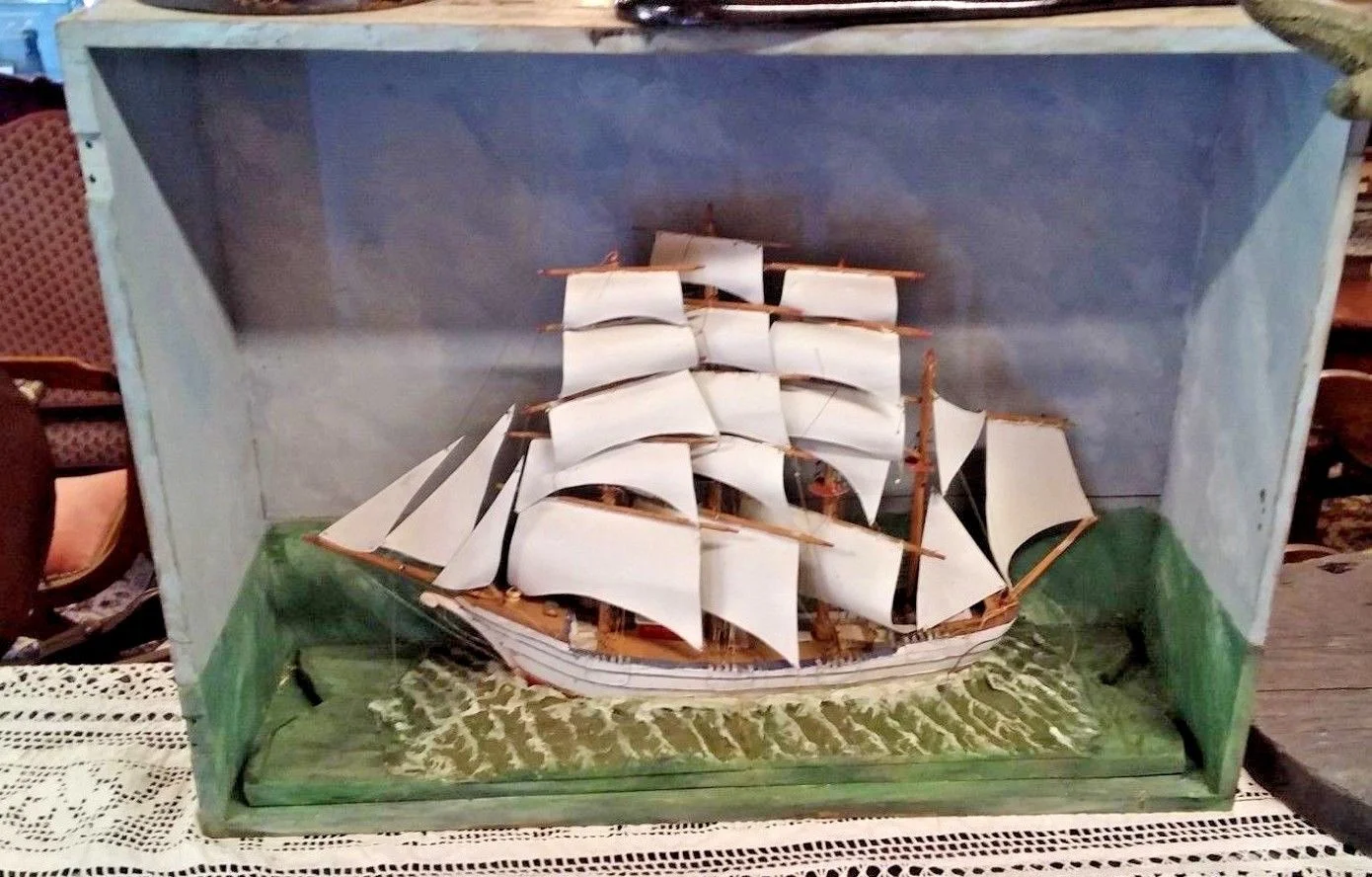
Antiquités "Le Vieux Matos" L.V.M — La Chapelle-Saint-Martin-en-Plaine
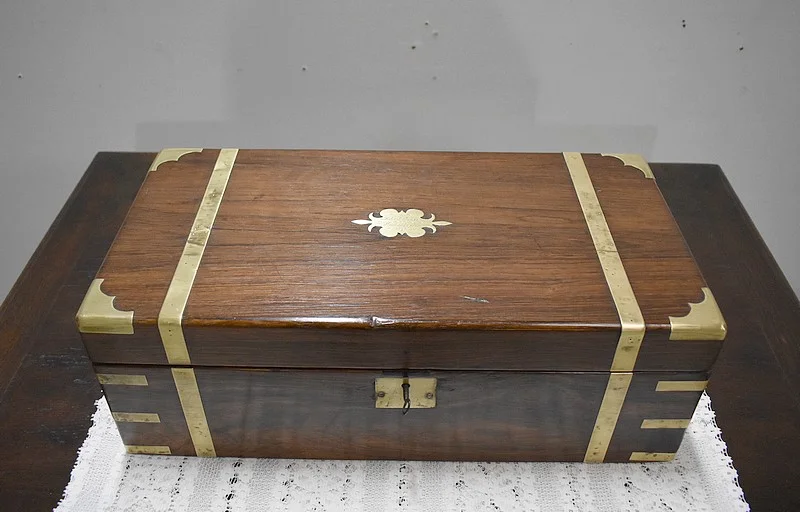
Antiquités Lecomte — Héric
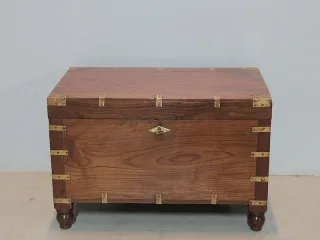
Antiquités Lecomte — Héric
To authenticate a nautical antique, start with the materials: brass, blued steel and mahogany are the hallmarks of precision instruments made during the 19th century. Look for the maker's signature or cartouche — houses such as Troughton & Simms or Heath & Co. in London, or Hurlimann in Paris, are guarantors of recognised quality. A sextant complete in its original fitted case with tinted shades and adjusting tools commands a significantly higher price than an isolated instrument.
Antique wooden ship models deserve careful scrutiny: check that the rigging is consistent with the supposed period, assess the quality of the timbers — walnut, mahogany and ebony for prestige hulls — and examine the condition of any period silk or linen sails. A documented provenance, such as a collection inventory, a shipyard label or a museum deaccession certificate, adds considerable market value.
In terms of budget, antique maritime objects range from a few hundred pounds or euros for a pocket compass or a deck lantern in good condition, to several thousand for a signed marine chronometer in its triple-tier case or a large ship-of-the-line model. 19th-century marine paintings and watercolours form a particularly active collecting area: browse our selection of watercolours and gouaches to complete a nautical cabinet of curiosities.
On Antiquités en France, every piece is offered by a verified professional dealer able to provide detailed photographs, exact dimensions and conservation advice. To broaden your search, explore our industrial antiques, which share the same tradition of precision engineering. Contact your chosen dealer directly for any request regarding certificates of authenticity or independent appraisal.