
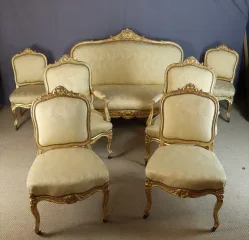
GILT WOOD SALON SUITE
Philippe Cote Antiquites — Chauffailles
4 600,00 €
Good condition
91 objects found
The bergère armchair emerged in the early 18th century as the ultimate seat of comfort: solid upholstered sides enclosing the sitter, a deep seat with a loose cushion, and a generously curved back. It appears in three great guises — the Louis XV bergère with cabriole legs and carved shell-and-acanthus ornament, the Louis XVI version with straight fluted legs and geometric mouldings, and the cabriolet with its medallion back. Among all antique French armchairs and seats, the bergère remains one of the most sought-after forms by collectors worldwide.
Quality is defined by the timber — walnut, gilded beech or lacquered fruitwood — and by the upholstery: period silk, velvet or needlework. A maker's stamp from a master such as Tilliard, Brizard or Sené adds significant value.
91 objects found
Philippe Cote Antiquites — Chauffailles
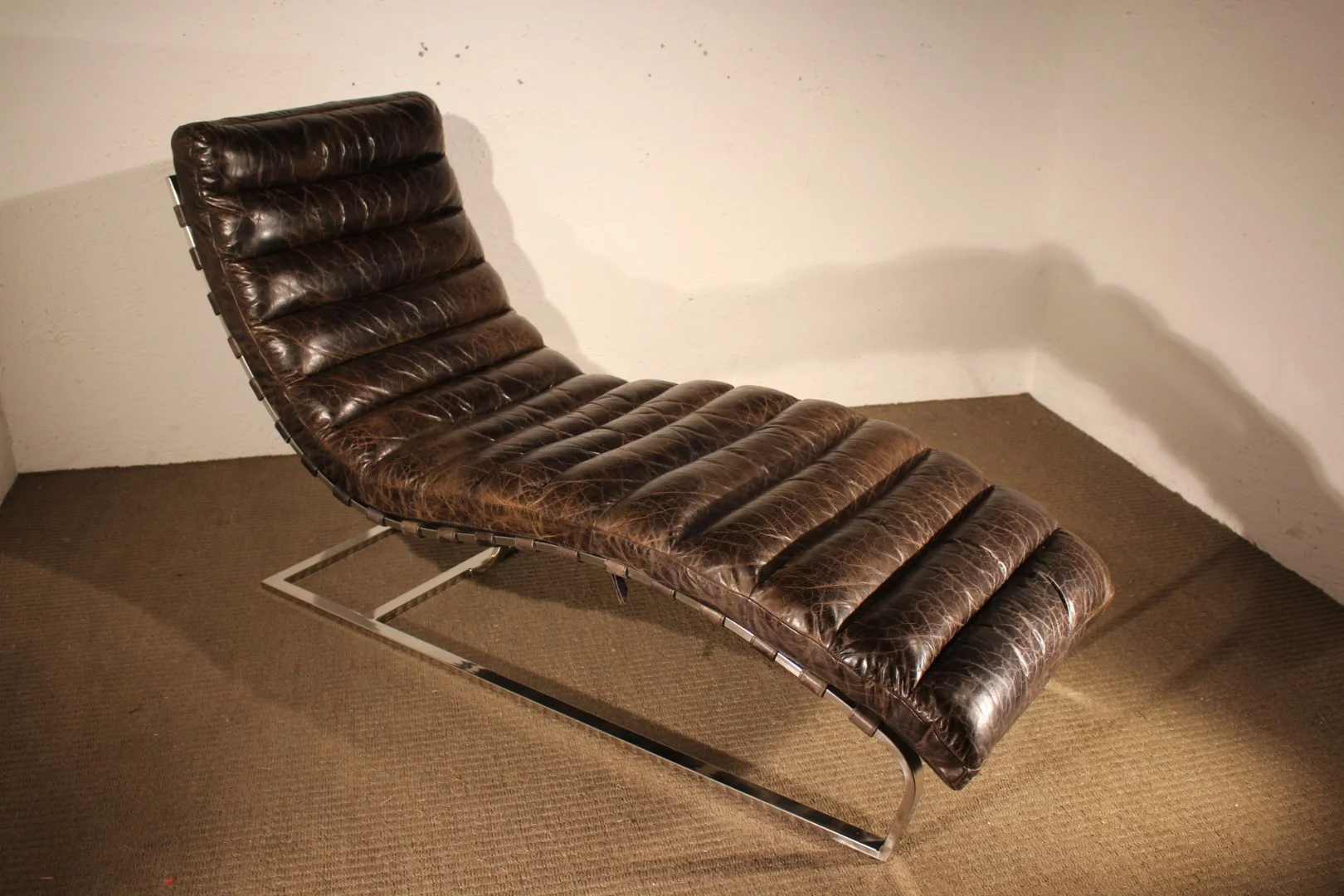
Au Réveil Du Temps — Saint-Nabord

French-antiques.fr — Rouen
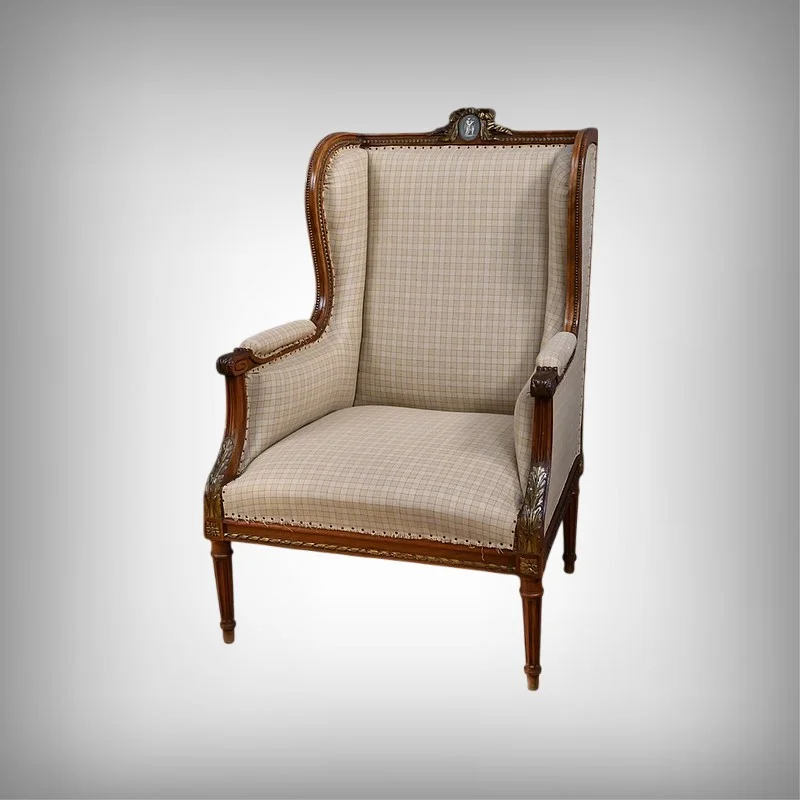
Antiquités Lecomte — Héric
Antiquités Anne Marie Perrier — La Boisse
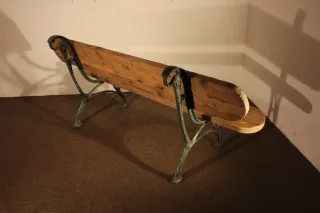
Au Réveil Du Temps — Saint-Nabord

Antiquités Christophe Rochet — Villeurbanne
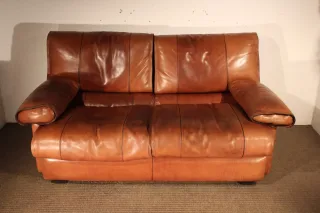
Au Réveil Du Temps — Saint-Nabord
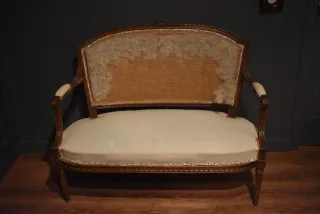
Antiquités Anne Marie Perrier — La Boisse
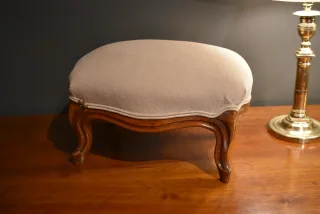
Antiquités Anne Marie Perrier — La Boisse
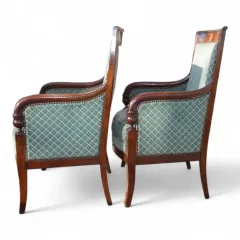
L'atelier De La Dorure — Calmont
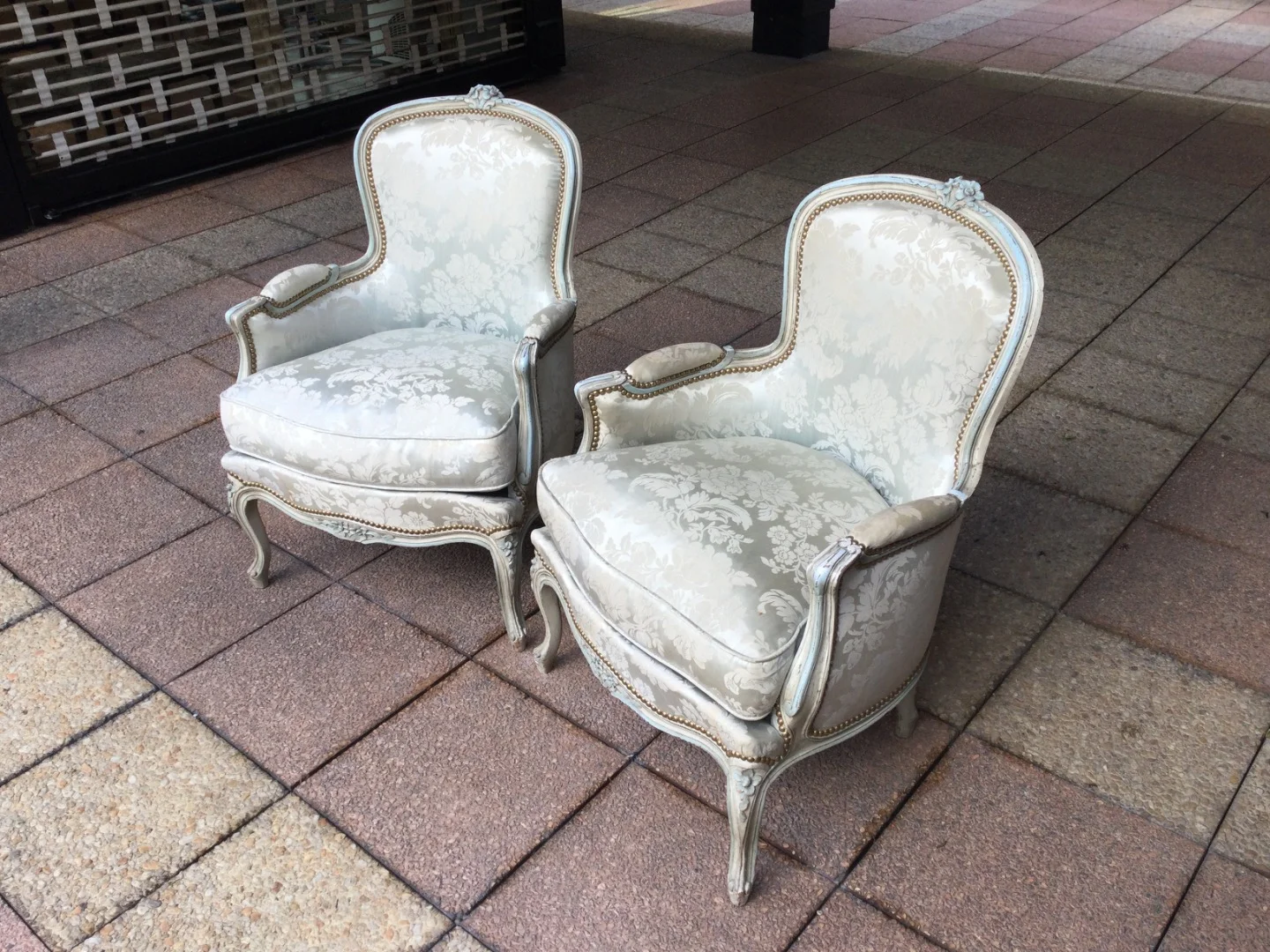
Eric Saget — Paris
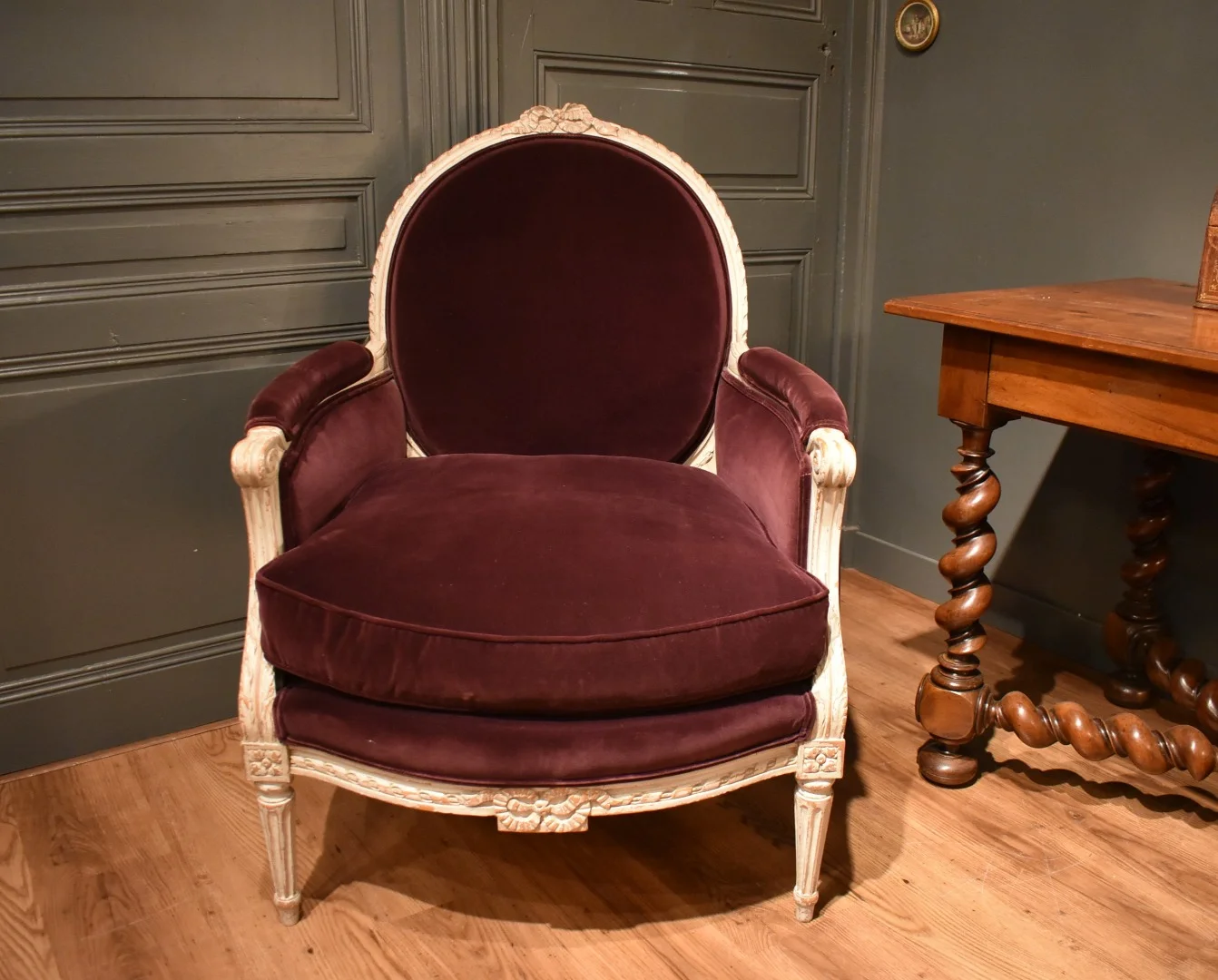
Antiquités Anne Marie Perrier — La Boisse
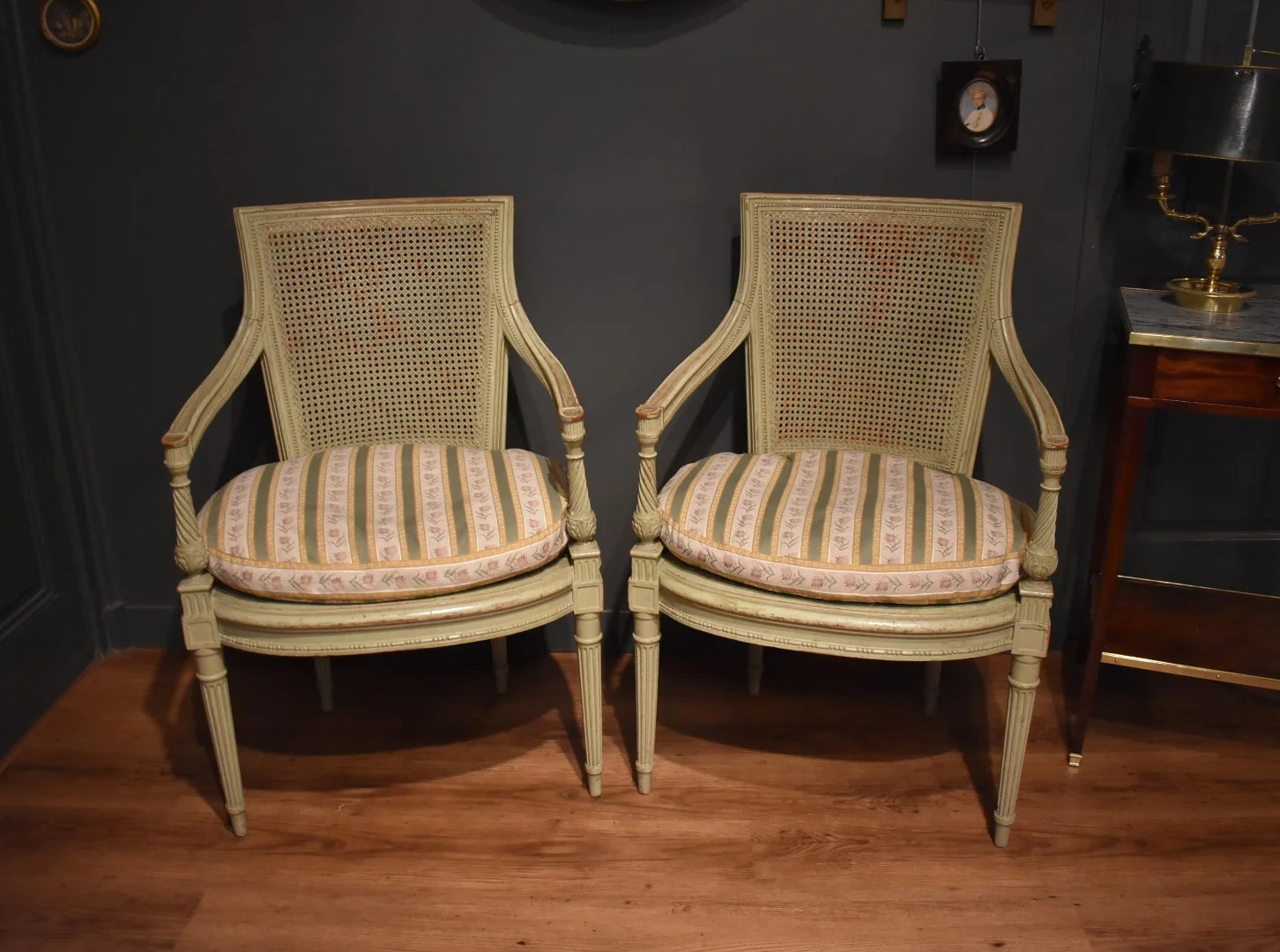
Antiquités Anne Marie Perrier — La Boisse
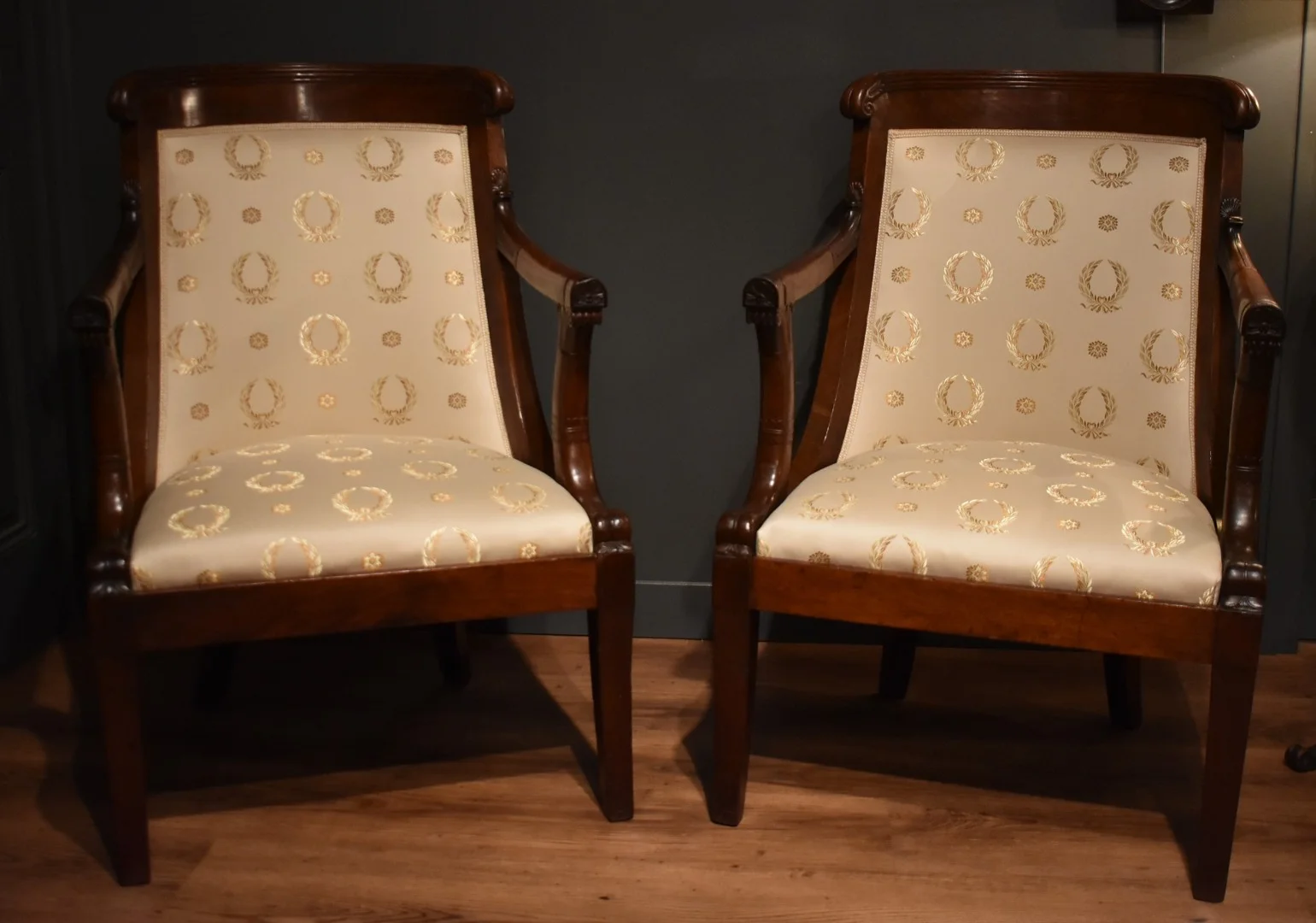
Antiquités Anne Marie Perrier — La Boisse

Antiquités Christophe Rochet — Villeurbanne
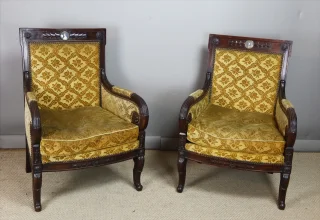
Philippe Cote Antiquites — Chauffailles

Galerie Lauretta — Mandelieu-la-Napoule

Au Réveil Du Temps — Saint-Nabord
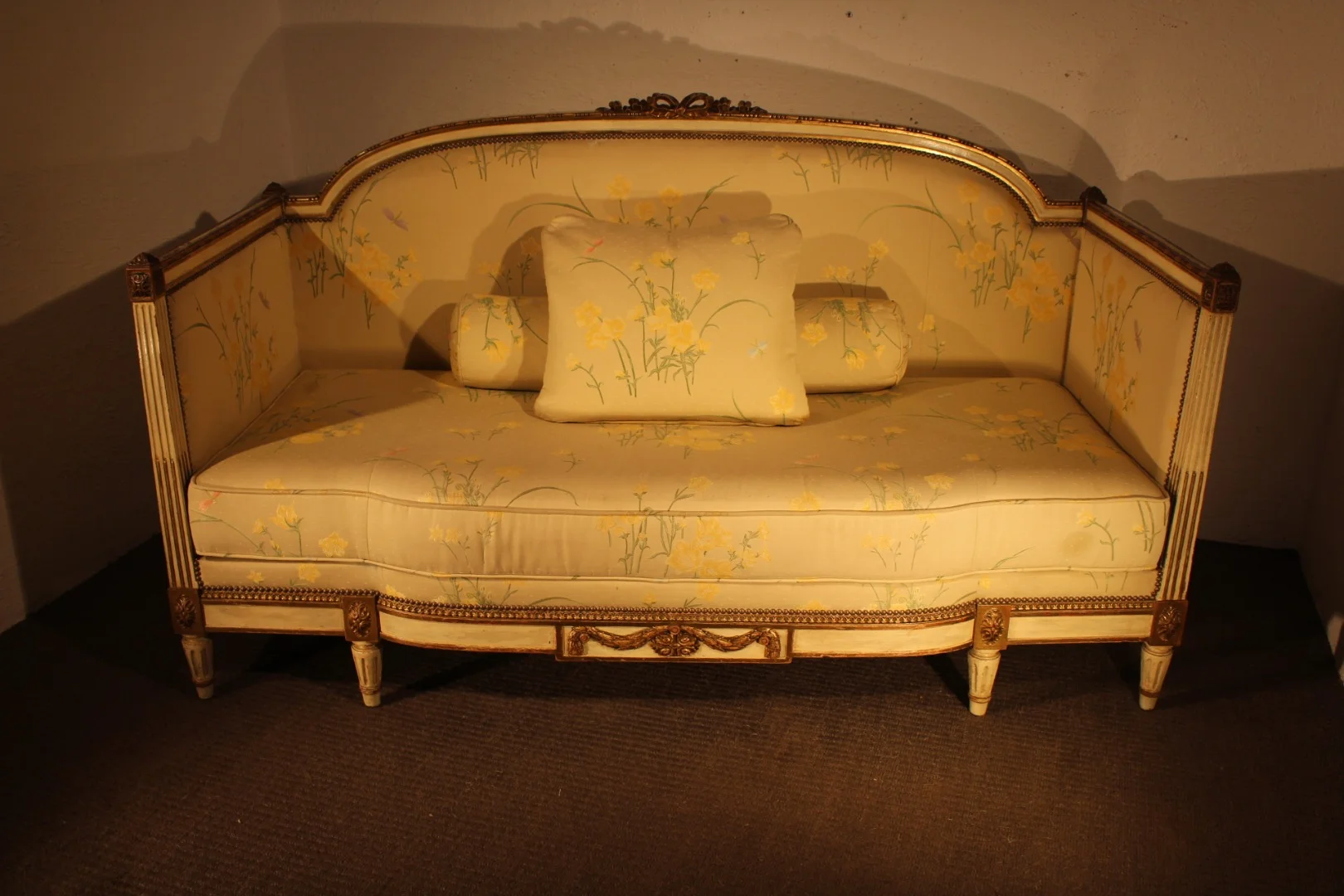
Au Réveil Du Temps — Saint-Nabord
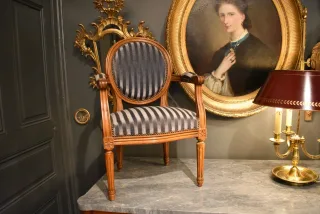
Antiquités Anne Marie Perrier — La Boisse
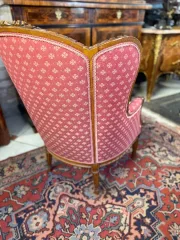
Romain Lichtensztein — Maignelay-Montigny
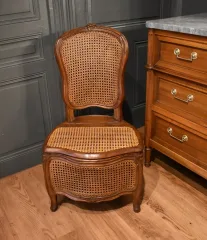
Antiquités Anne Marie Perrier — La Boisse
L’ESTAMPILLE — Navilly
Authenticating a genuine period bergère armchair begins with the structure. Look for mortise-and-tenon joints secured with wooden pegs, hand-tool marks on the inner surfaces of the frame, and a natural, uneven patina on the wood. On an authentic Louis XV bergère, the cabriole legs and carved decoration — shells, acanthus leaves, interlacing — are cut directly from the solid wood, never applied as separate mouldings. A Louis XVI example should show evenly spaced fluting, rosettes at the corners and tapering turned legs with a clean geometric profile.
The hot-iron stamp, struck beneath the seat rail or on the inner face of a leg, identifies the maître menuisier en sièges who made the chair. Names such as Georges Jacob, Jean-Baptiste-Claude Sené and Nicolas-Quinibert Foliot command a significant premium. Where no stamp is present, documented provenance — an estate inventory, a dealer's label, a sale catalogue — remains a strong supporting argument. Be cautious of beech bergère chairs with heavy repainting, as thick layers of paint can conceal replaced timbers or structural repairs.
Original upholstery in brocaded silk, Beauvais needlework or period velvet adds considerable value; a sympathetic modern re-cover in a period-appropriate fabric is perfectly acceptable provided it is disclosed. Check that the webbing and horsehair padding are consistent with the stated date. Budget roughly £400–£1,500 for a good unlabelled production chair, and £3,000–£15,000 or more for a stamped example by a recognised master with period upholstery intact.
On Antiquités en France, every antique bergère armchair is offered by a verified professional dealer who can supply detailed photographs, exact dimensions and the full history of the piece. Consider exploring matching pairs of antique armchairs to furnish a drawing room with coherence, or browse the full range of antique French seats and armchairs to widen your search.