
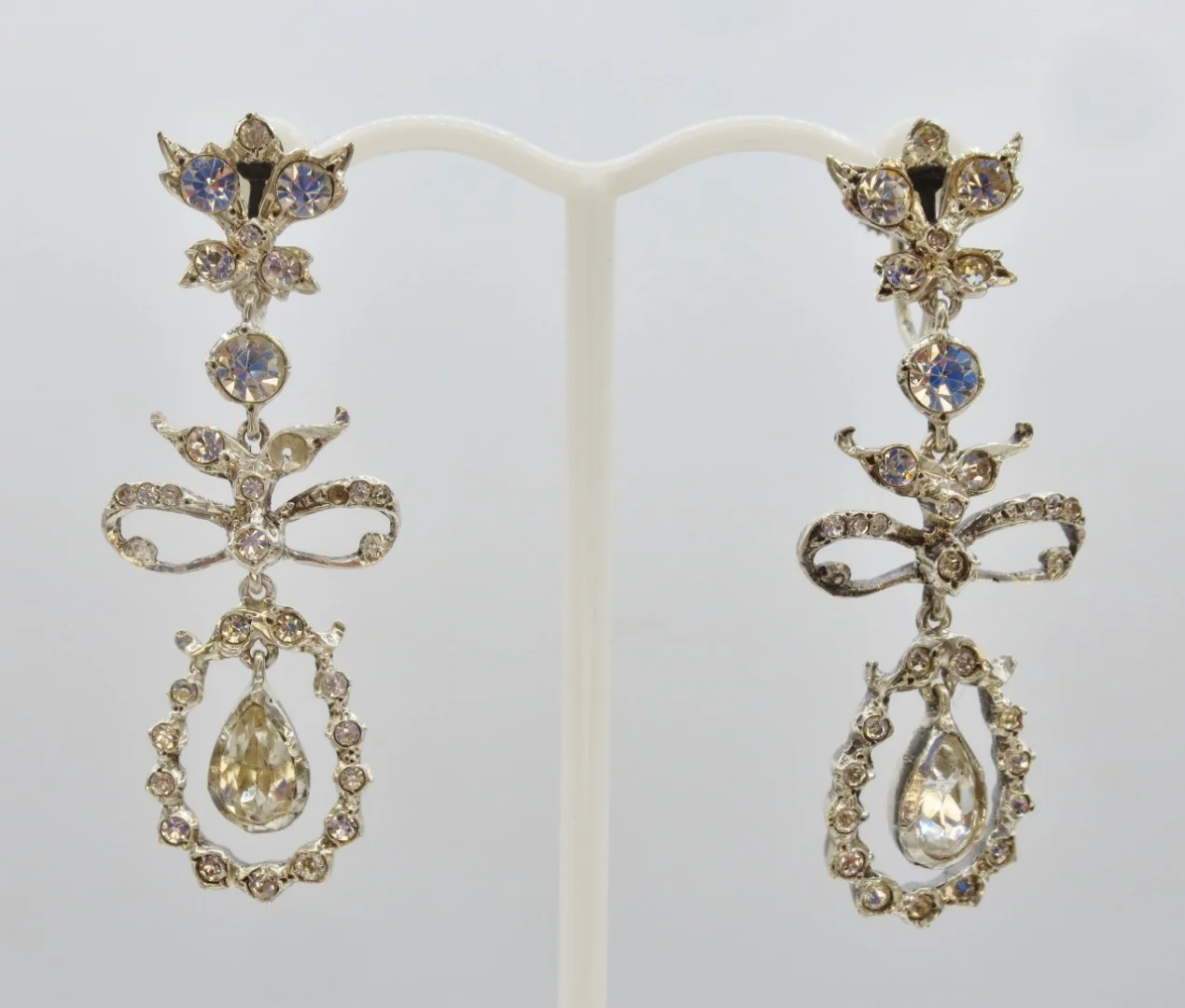
PAIR OF EARRINGS
Anne Besnard — Saint-Ouen
520,00 €
77 objects found
Antique jewellery endures across centuries without losing its brilliance: gold, platinum and solid silver settings mounted with diamonds, rubies, emeralds and fine pearls bear witness to the mastery of great jewellers and goldsmiths of the past. From Rococo to Art Deco, through the Belle Époque and the Victorian era, each period produced instantly recognisable pieces defined by their motifs, setting techniques and characteristic alloys.
On Antiquités en France, every signed or hallmarked antique jewellery piece is offered by a verified professional dealer, guaranteeing authenticity and provenance.
77 objects found
Anne Besnard — Saint-Ouen
Anne Besnard — Saint-Ouen
Anne Besnard — Saint-Ouen
Anne Besnard — Saint-Ouen
Anne Besnard — Saint-Ouen
Anne Besnard — Saint-Ouen
Anne Besnard — Saint-Ouen
Anne Besnard — Saint-Ouen
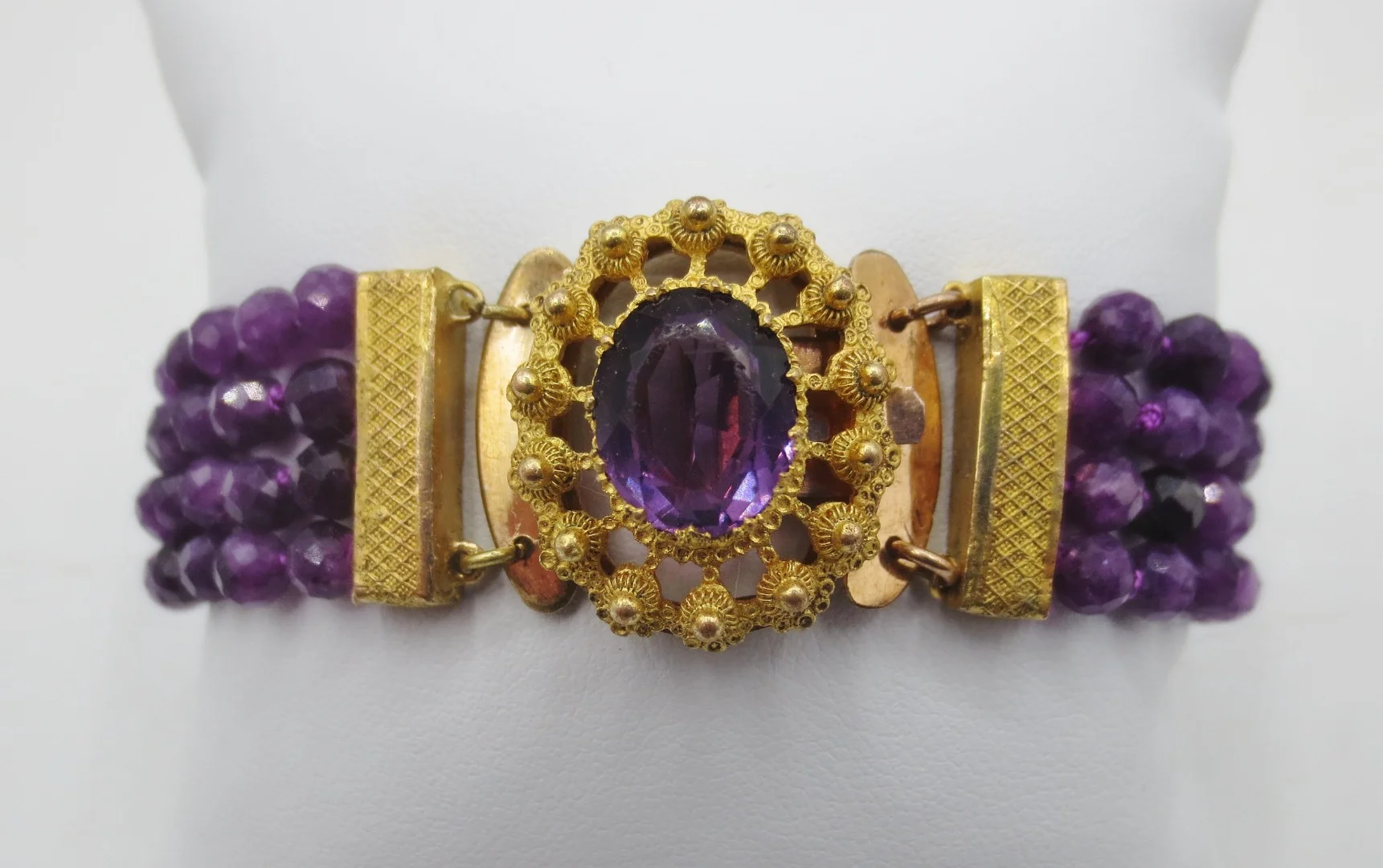
Anne Besnard — Saint-Ouen
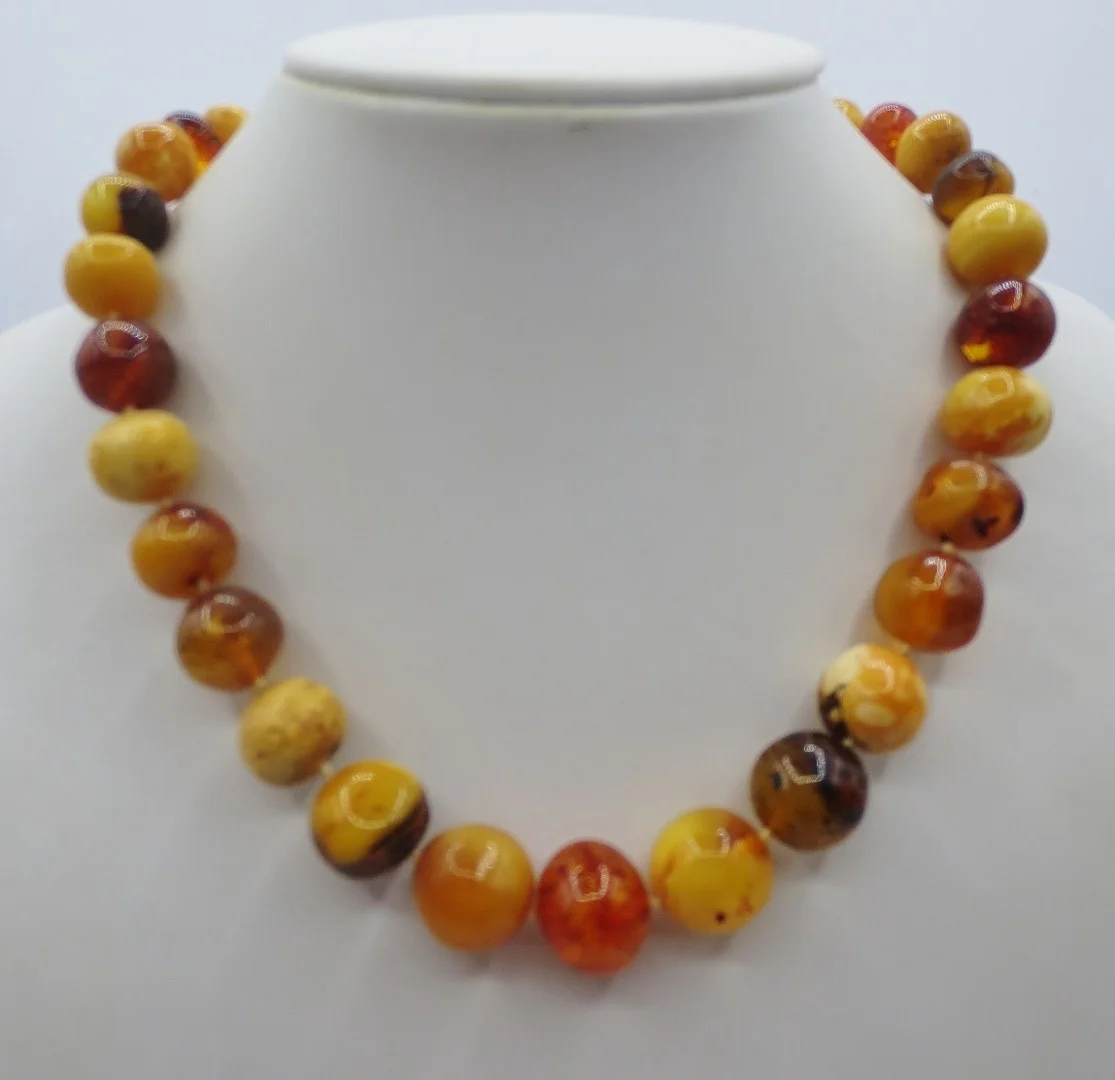
Anne Besnard — Saint-Ouen
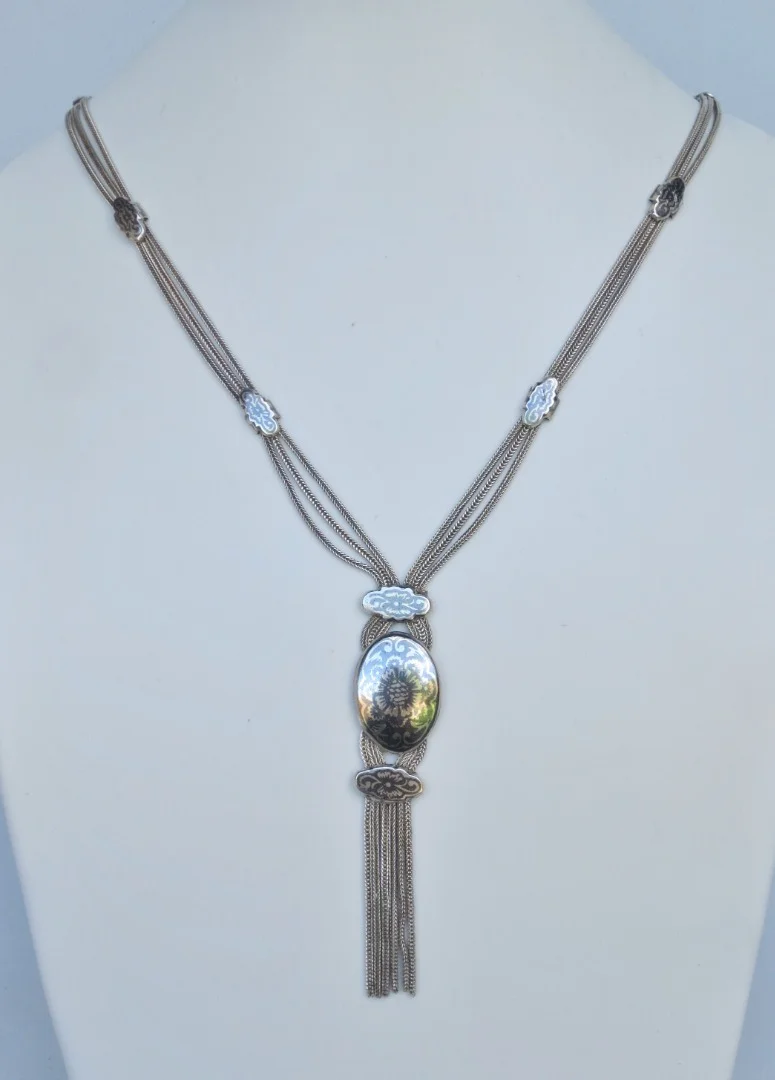
Anne Besnard — Saint-Ouen
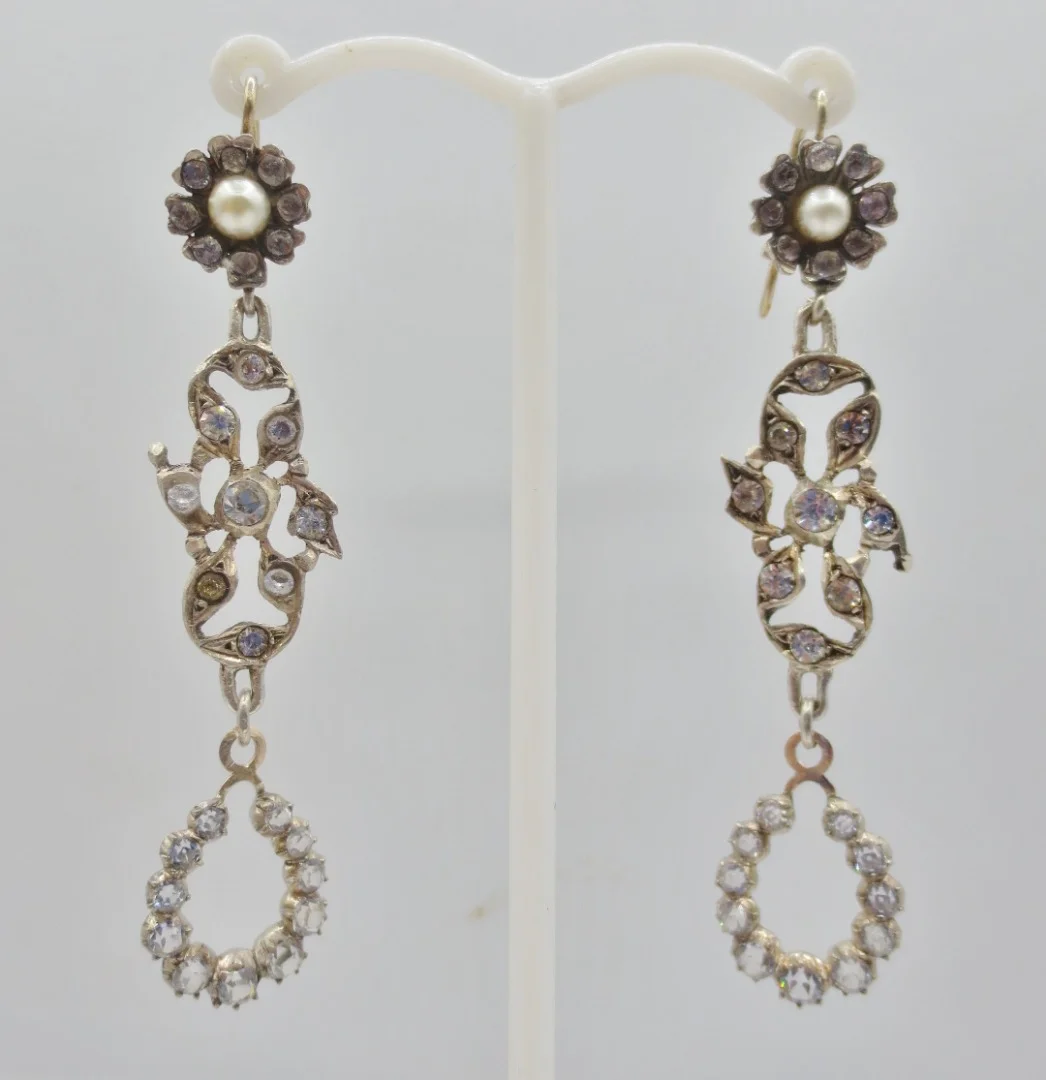
Anne Besnard — Saint-Ouen
Anne Besnard — Saint-Ouen
Anne Besnard — Saint-Ouen
Antiquités Christophe Rochet — Villeurbanne

Anne Besnard — Saint-Ouen
Anne Besnard — Saint-Ouen
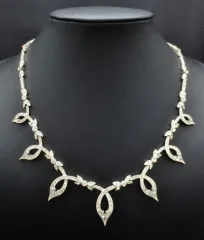
Anne Besnard — Saint-Ouen
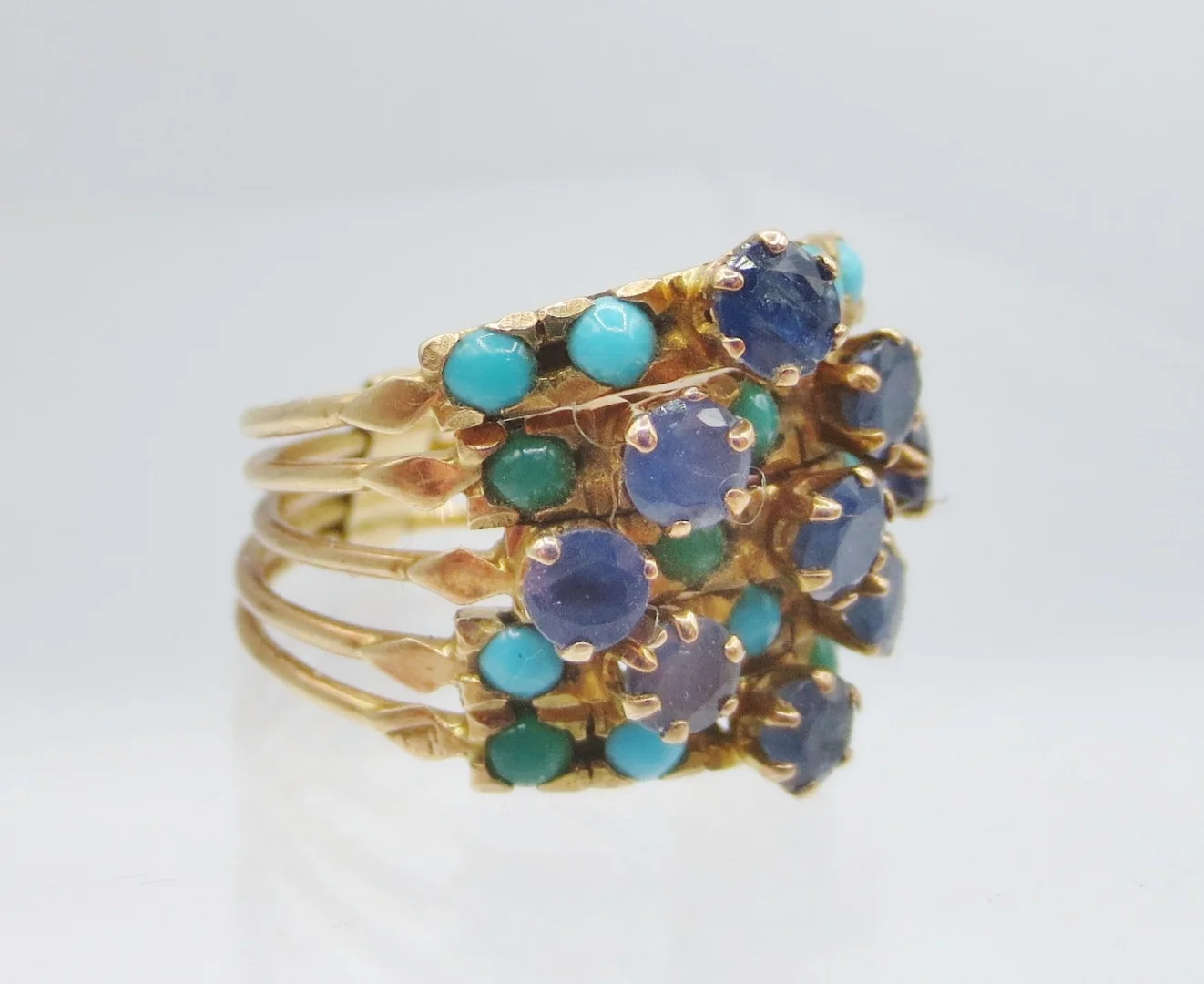
Anne Besnard — Saint-Ouen
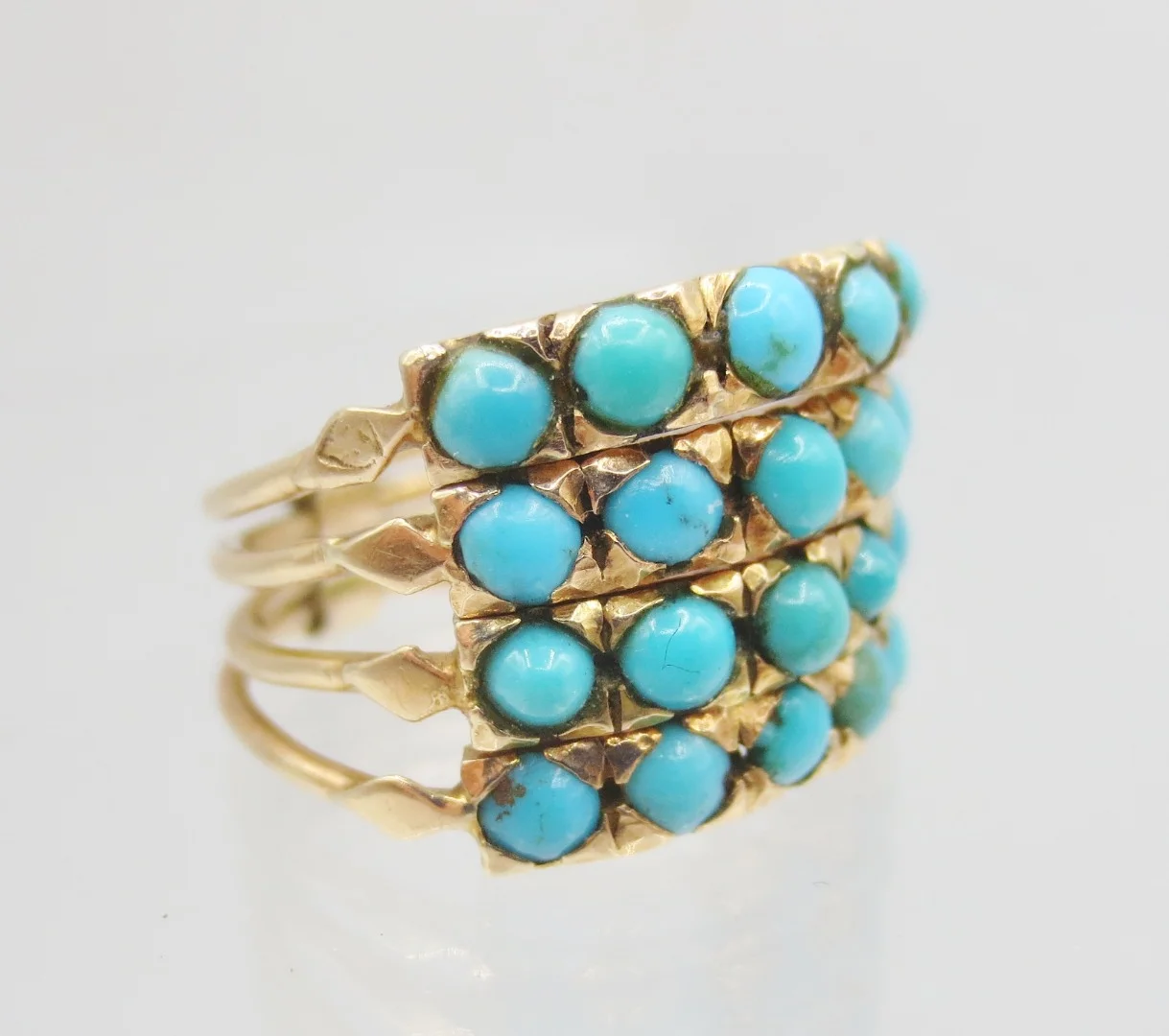
Anne Besnard — Saint-Ouen

Anne Besnard — Saint-Ouen
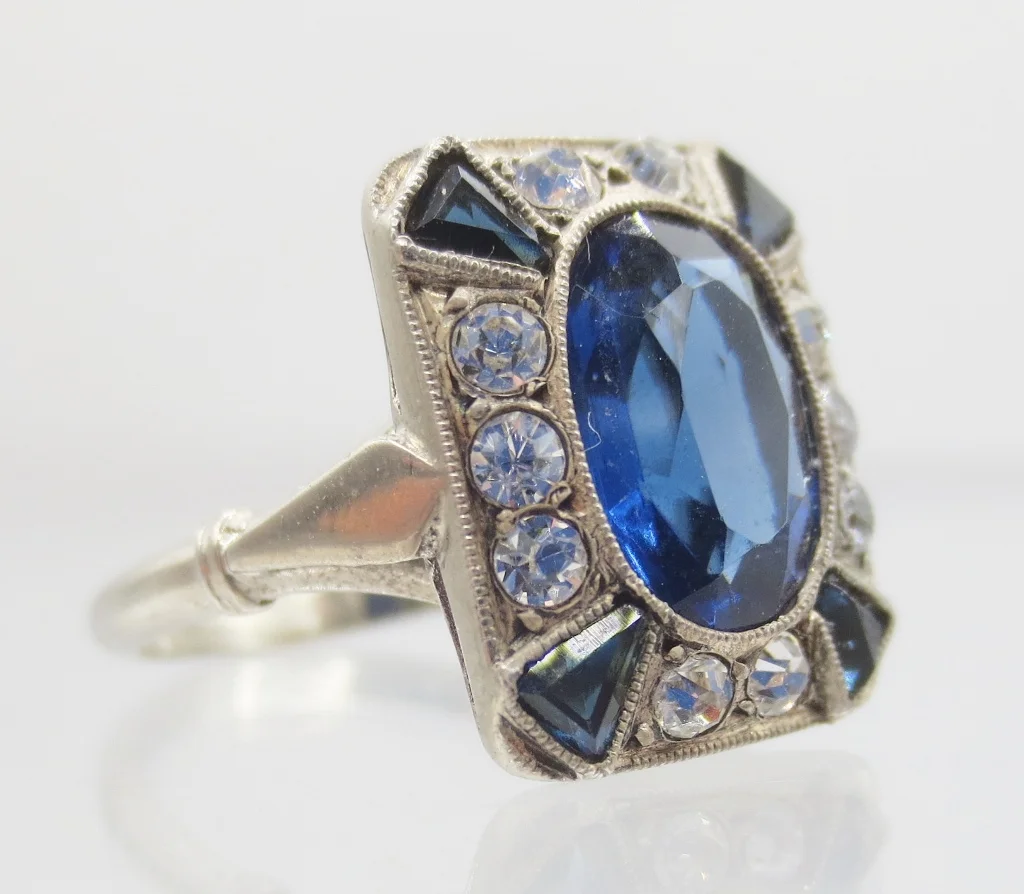
Anne Besnard — Saint-Ouen
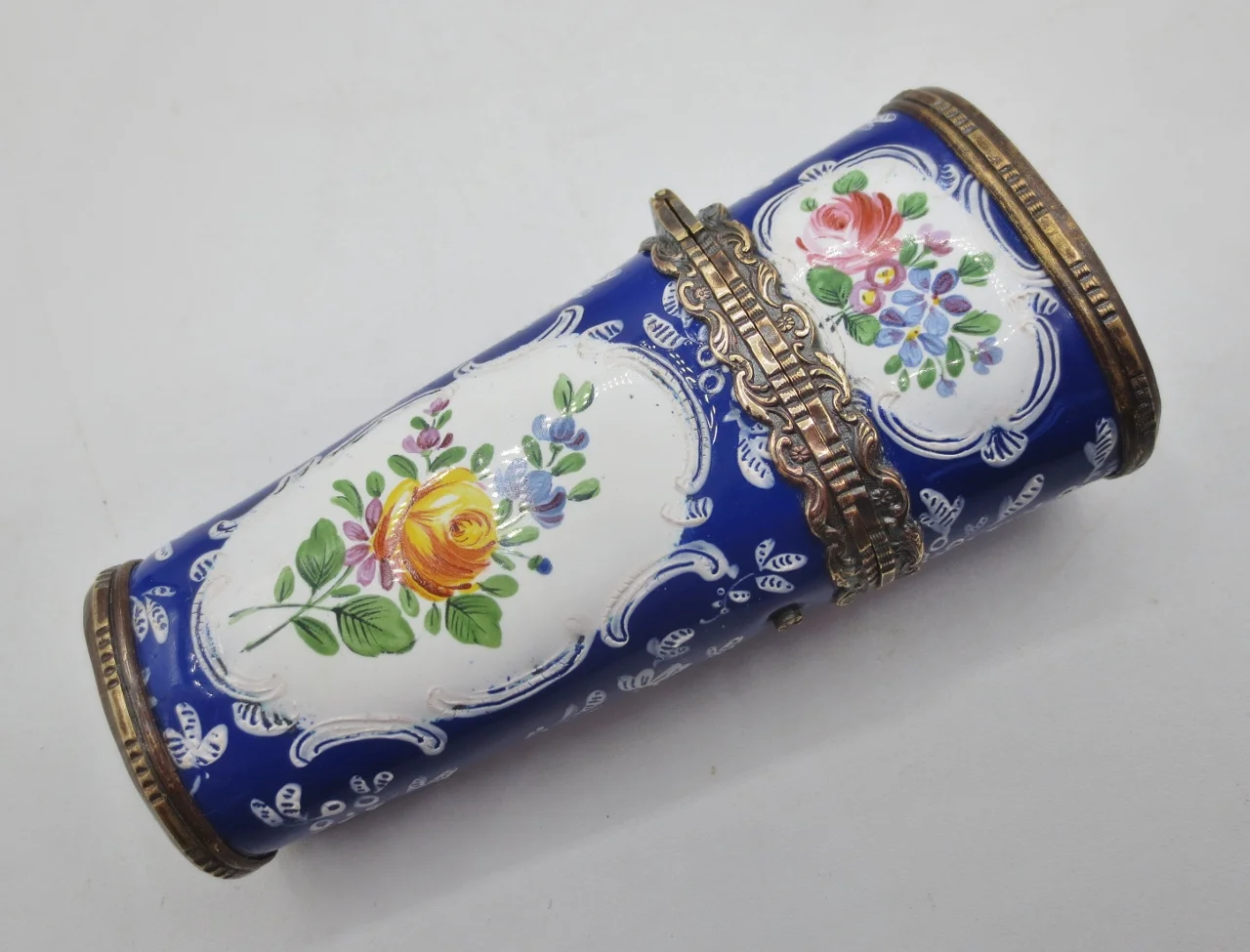
Anne Besnard — Saint-Ouen
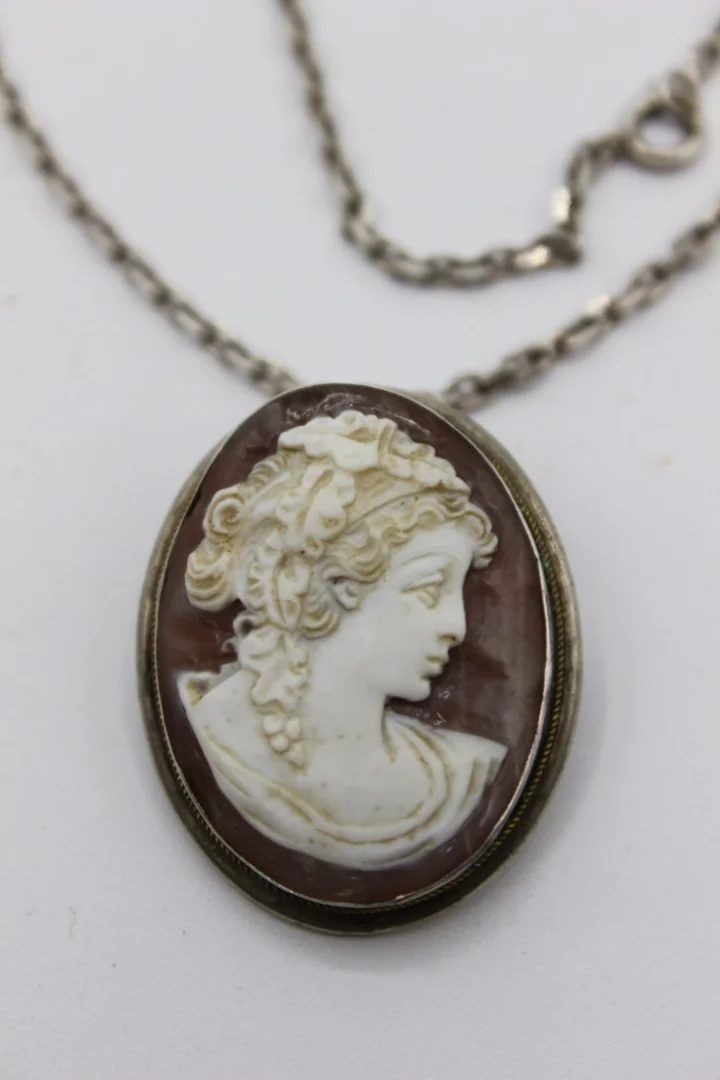
Antiquités Christophe Rochet — Villeurbanne
Identifying a genuine piece of antique jewellery comes down to a few key criteria. Start with the hallmarks: British pieces carry a dated assay office mark (anchor for Birmingham, leopard's head for London), while French gold bears the Eagle's head for 18-carat and the Owl mark for imports. Art Deco platinum pieces frequently display a maker's mark from a named house — Cartier, Van Cleef & Arpels, Mauboussin or Boucheron. A 10× loupe is all you need to read these discreet marks engraved inside a ring shank or on a necklace clasp.
In terms of style, antique enamel and gold brooches from the Belle Époque are distinguished by their delicate floral motifs and millegrain-set stones, while Art Deco jewellery favours geometric lines, onyx-and-diamond contrasts and platinum mounts. Victorian pieces, often in 15-carat yellow gold, draw on cameos, mourning hair-work and jet as a stone of sentiment.
When assessing condition, check the integrity of the prongs, the absence of clumsy re-soldering and the soundness of clasps. A well-executed period restoration does not diminish an antique piece, provided it is disclosed and documented. Always ask the seller for a gemmological certificate for significant stones — diamonds, rubies or unheated sapphires — issued by a recognised laboratory such as GIA or HRD. Explore our curated selection of antique diamond rings for some of the finest examples available.
Prices range from a few dozen pounds for a silver antique ring to tens of thousands for a signed parure by a grand maison. On Antiquités en France, our professional dealers support you at every step — macro photography, certificates, dimensions and personalised advice before purchase. Browse our wider selection of antique silver and goldsmithing to complement your collection, and contact any dealer directly to discuss a piece in detail.