Antique Armchairs & Seats

1106 objects found

Loading
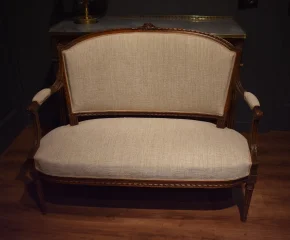
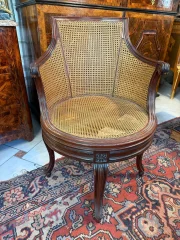
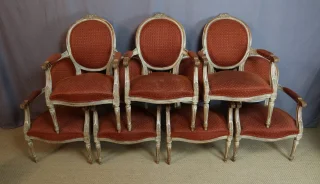
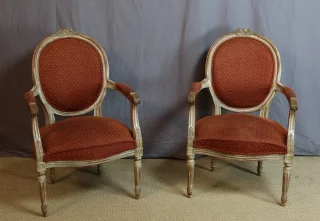
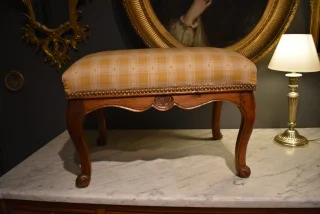
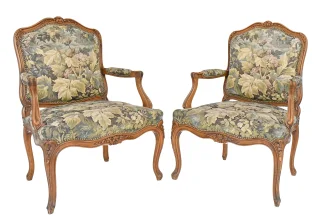
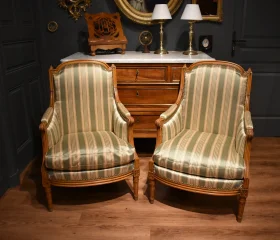
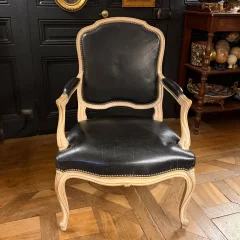
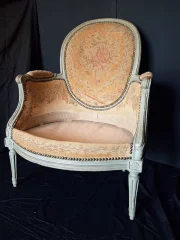
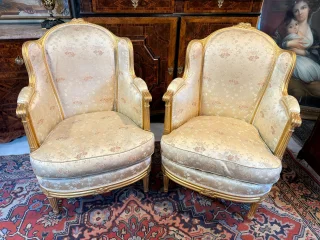
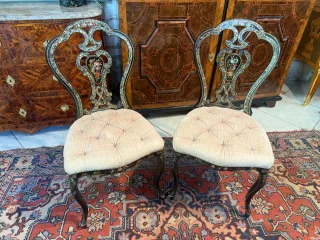
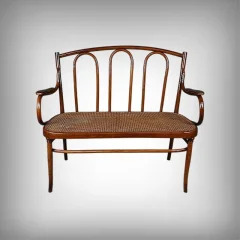
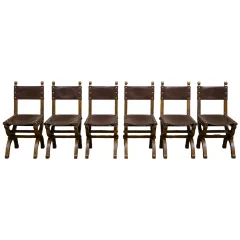
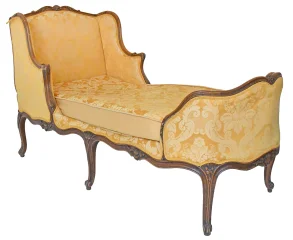
Antique armchairs and seats represent one of the richest areas of French decorative furniture: from the enveloping antique bergère of the 18th century to the patinated leather club armchair of the 1920s, every period produced instantly recognisable forms. Carved walnut, lacquered beech, velvet upholstery or Aubusson tapestry weave — the quality of a period seat reveals itself as much in the joinery as in the finish. Master craftsmen such as Jacob, Lelarge and Jansen frequently left their stamps on the finest examples.

Antique armchairs, bergères and period seats from professional dealers

1106 objects found

How to choose and authenticate an antique armchair or seat

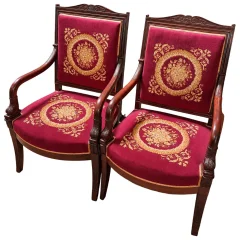
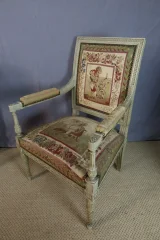
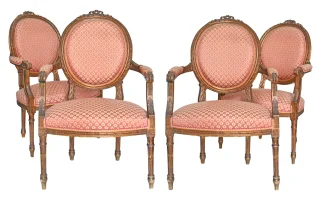
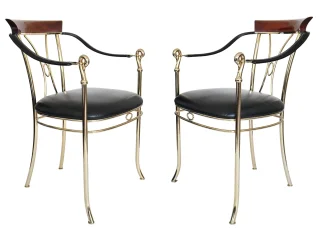
Authenticating an antique armchair begins with a close look at the structure. Solid beech or walnut, mortise-and-tenon joints, hand-carved legs and original — or period-consistent — upholstery are all positive signs. Look for a maker's stamp on the back of the seat rail or beneath the apron: Parisian master menuisiers were required to mark their work under the Ancien Régime. A documented provenance, an old receipt or a probate inventory adds considerable value. In terms of style, Louis XV carved walnut armchairs are distinguished by their cabriole legs and flowing, curved lines, while Empire pieces impose rectilinear forms, swan-neck armrests and gilded bronze mounts. The 19th century produced a wealth of low-slung, generously padded crapaud armchairs, now highly sought after for their comfort as much as their charm. For budget guidance, expect to pay from a few hundred pounds for a standard 19th-century side chair to several thousand for a stamped armchair by a recognised master or one retaining its original Aubusson tapestry. Always check the condition of the legs — no splits or crude repairs — the soundness of the joints, and the coherence of any upholstery. A careful restoration by a specialist upholsterer, carried out with traditional materials (webbing, horsehair, hessian), is a genuine asset provided it respects the original techniques. On Antiquités en France, every piece is offered by a verified professional dealer who can supply detailed photographs, exact dimensions and certificates where available. Explore our antique sofas and canapés and antique chairs sections to build a coherent interior, then contact your chosen dealer directly.

Frequently asked questions about Antique Armchairs & Seats

How can I tell whether an antique armchair is genuine?
Examine the construction: solid wood (beech or walnut), mortise-and-tenon joints and hand-tool marks beneath the seat rail are reliable indicators. A master craftsman's stamp and period-consistent upholstery add further confidence. Be wary of modern screws, plywood or machine-cut components.
What does an antique armchair cost from a dealer?
Prices vary widely: from £200–£600 for a standard 19th-century style chair to £5,000–£20,000 or more for a stamped piece by a noted ébéniste or one retaining original Aubusson tapestry. Condition, provenance and rarity are the key price drivers.
Can an antique armchair be reupholstered without losing value?
Yes, provided the work is entrusted to a specialist in period seating who uses traditional techniques — webbing, horsehair padding, hessian — and selects a fabric appropriate to the period. A well-documented, sympathetic restoration can actually enhance the piece's desirability and value.
Which styles of antique armchair are most sought after?
Stamped Louis XV and Louis XVI armchairs, 18th-century bergères, 1920s–1940s leather club chairs and signed Art Deco seats are among the most prized. Carved walnut examples retaining their original upholstery consistently attract strong collector interest.
How should I care for an antique wooden armchair with fabric upholstery?
Feed the woodwork with a natural wax (beeswax) twice a year and keep the piece away from direct sunlight and humidity fluctuations. For fabric upholstery, regular gentle vacuuming is sufficient; entrust stubborn stains to a specialist textile conservator rather than attempting home treatment.