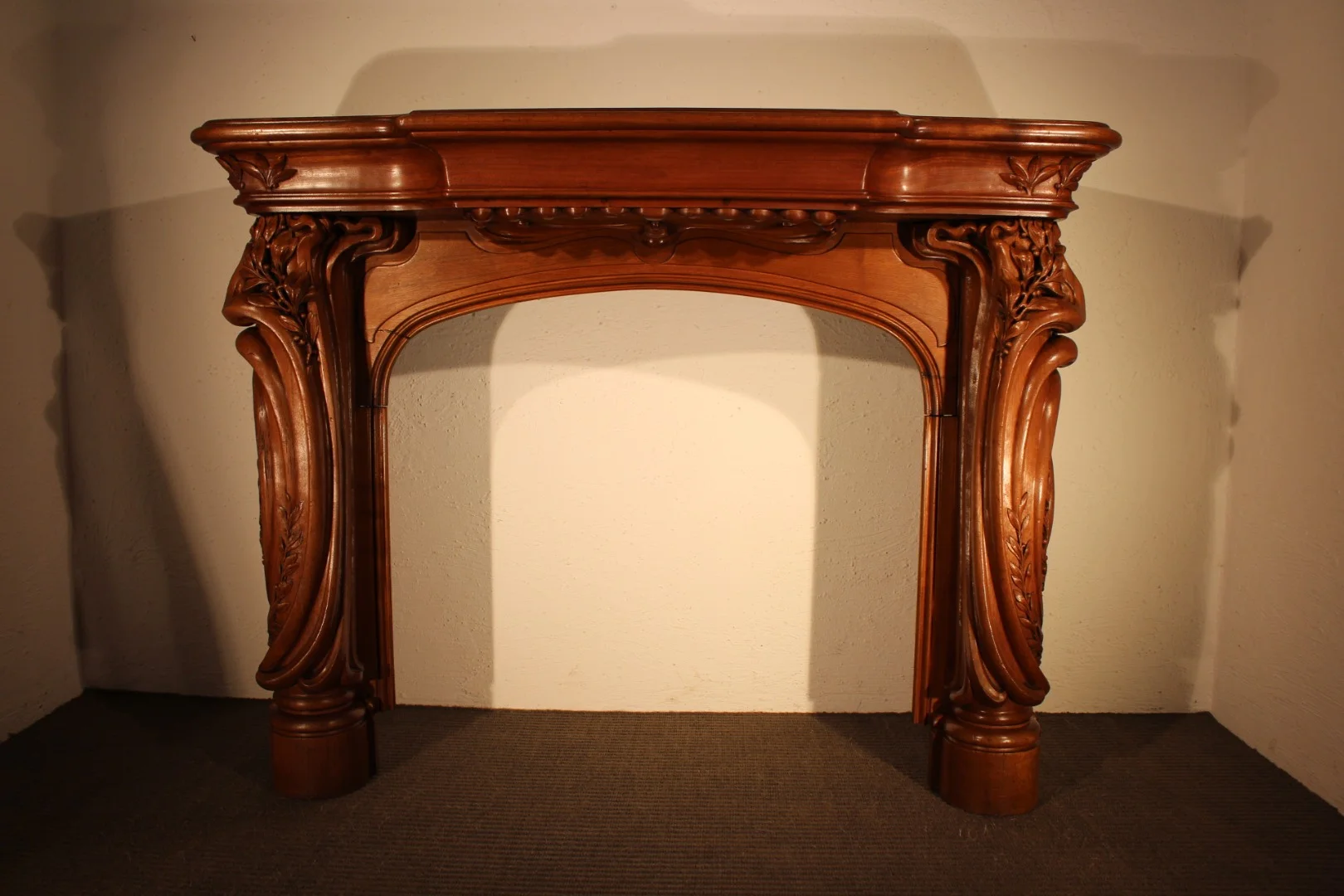
ART NOUVEAU PERIOD FIREPLACE
Au Réveil Du Temps — Saint-Nabord
8 900,00 €
4 objects found
Antique bathroom fittings combine genuine character with enduring craftsmanship: enamelled cast iron bathtubs on claw feet, antique pedestal basins in white earthenware, polished or nickel-plated brass taps. Emerging in bourgeois interiors from the late 19th century onwards, these pieces reflect a level of artisanal skill rarely found today. Their natural patina and generous proportions make them equally at home in an authentic period renovation or a contemporary interior seeking warmth and distinction.
4 objects found
When selecting a piece of antique sanitary ware, begin by examining the condition of the enamel or earthenware glaze. Deep chips are difficult to restore convincingly, whereas fine surface crazing is entirely acceptable and confirms the age of the piece. On an enamelled cast iron bathtub, check the thickness of the shell, the solidity of the feet and the absence of hairline cracks running through the body. Quality cast iron rings clearly when tapped with the palm; a dull, hollow sound may indicate a hidden fracture.
Vintage brass taps deserve particular attention: original mechanisms can often be overhauled by a specialist plumber, but replacement parts are scarce. Favour examples where the tap bodies are complete and the original heads are intact. French manufacturers such as Jacob Delafon and Porcher produced sanitary ware of exceptional quality between 1880 and 1950; a maker's mark stamped beneath the basin or cast into the tap body significantly reinforces authenticity and value. For a coherent period renovation, browse our selection of antique architectural elements to complement your bathroom scheme.
In terms of budget, expect to pay from a few hundred pounds or euros for a single accessory or tap fitting, rising to several thousand for a claw-foot bathtub in pristine enamel or a signed pedestal basin set. The condition of the enamel, the rarity of the model and the presence of an identifiable maker's mark are the principal factors driving value. Antique brass accessories — towel rails, soap dishes, bevelled mirrors — allow you to complete a period bathroom at a more accessible price point. Collectors drawn to institutional or industrial aesthetics will also find remarkable pieces among our industrial antiques, which occasionally include sanitary fittings salvaged from historic hotels or public buildings.
Every piece listed on Antiquités en France is offered by a verified professional dealer who can provide detailed photographs, precise dimensions and expert advice before purchase. Do not hesitate to contact the seller directly to request a full condition report or to arrange delivery of a large or fragile item.