
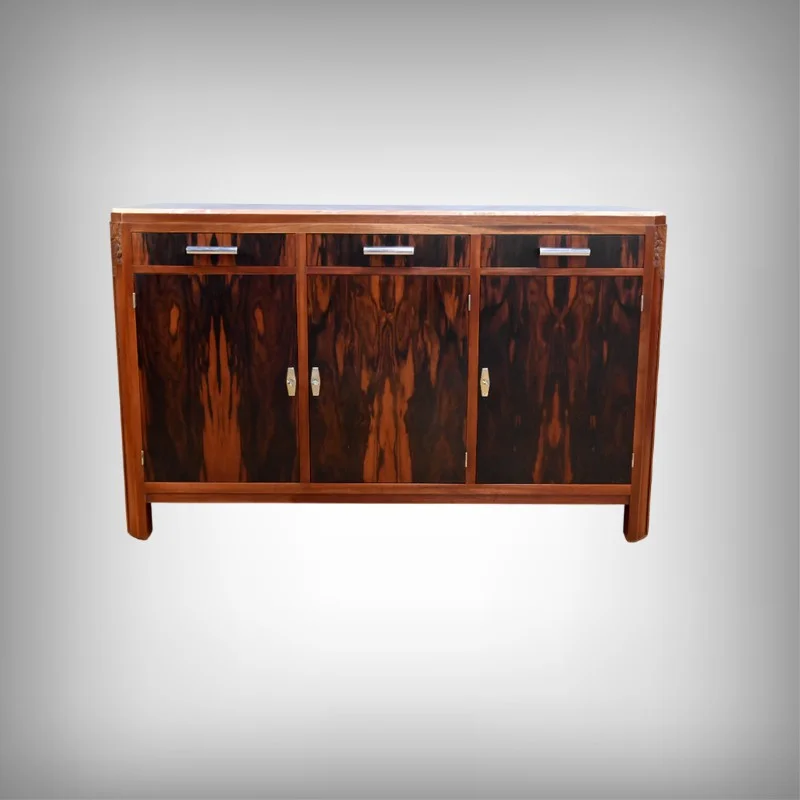
Enfilade in Mahogany and Rosewood, Art Deco – 1940
Antiquités Lecomte — Héric
3 300,00 €
56 objects found
The antique sideboard is one of the most sought-after storage pieces in contemporary interiors: low, horizontal and understated, it sits as naturally in a living room as in a dining room. From Art Deco rosewood sideboards to Scandinavian teak sideboards of the 1950s–1970s, each piece reflects a precise cabinetmaking tradition and an instantly recognisable era.
Every sideboard listed on Antiquités en France is offered by a verified professional dealer, complete with detailed photographs, exact dimensions and the history of the piece.
56 objects found
Antiquités Lecomte — Héric
Romain Lichtensztein — Maignelay-Montigny
Au Réveil Du Temps — Saint-Nabord

Antiquites d'Augers en Brie — Augers-en-Brie
Antiquités Christophe Rochet — Villeurbanne
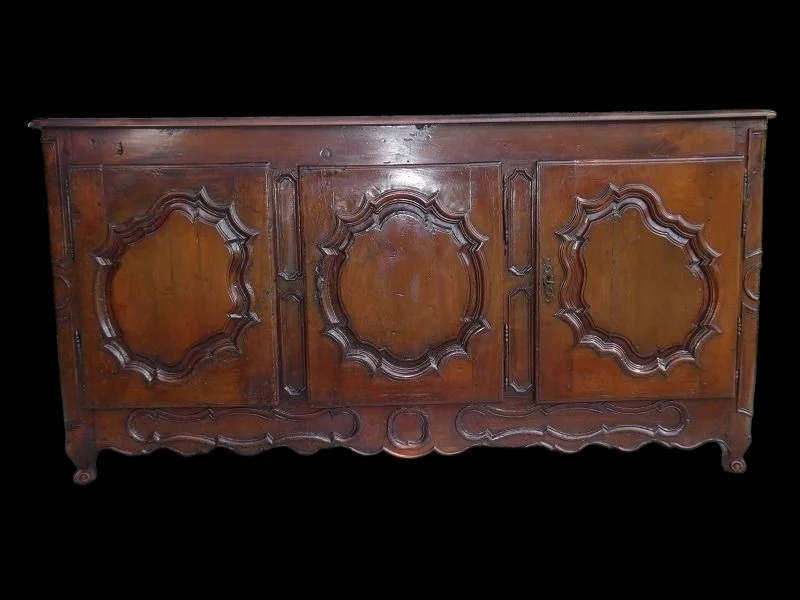
L'atelier De La Dorure — Calmont
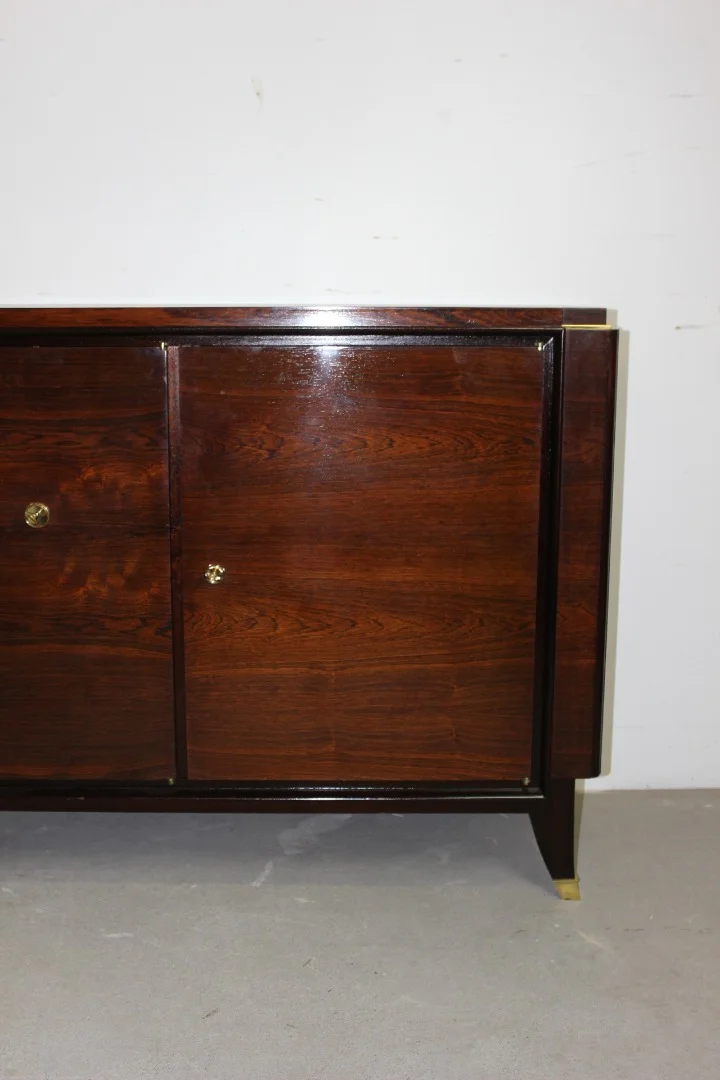
Antiquités Christophe Rochet — Villeurbanne
Antiquités Lecomte — Héric
L'atelier De La Dorure — Calmont
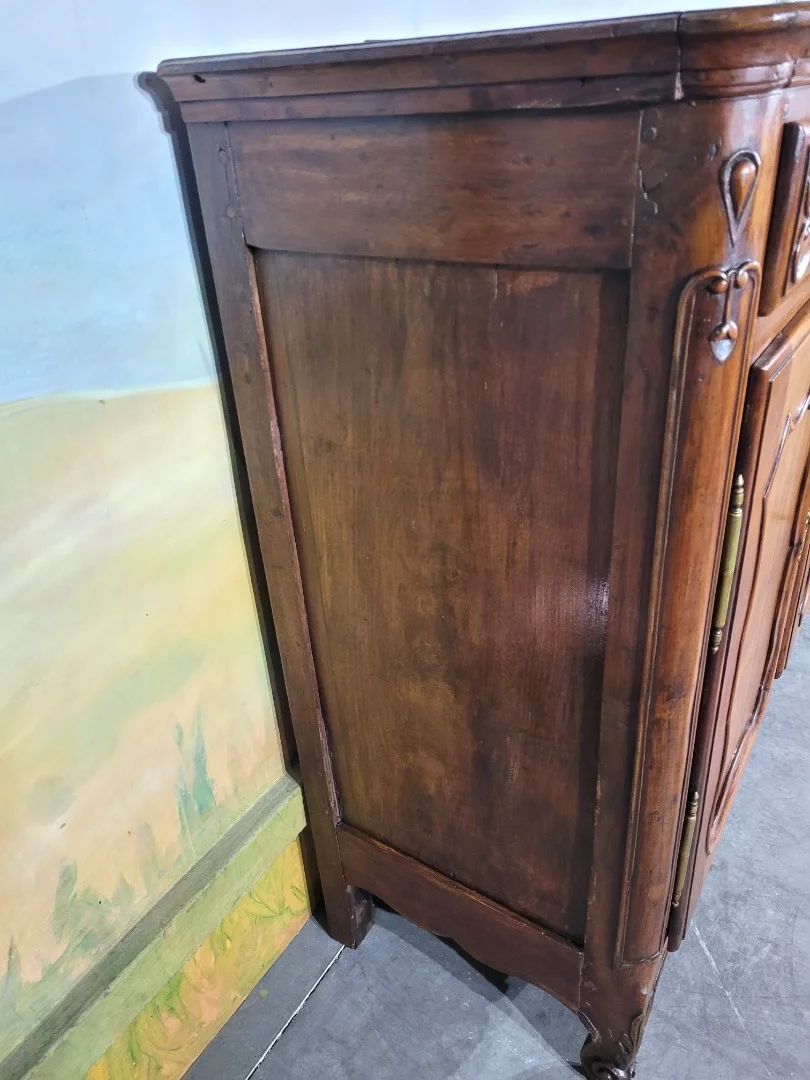
Antiquites d'Augers en Brie — Augers-en-Brie

L’ESTAMPILLE — Navilly
L’ESTAMPILLE — Navilly
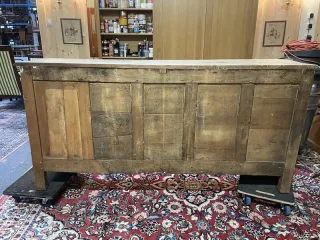
L’ESTAMPILLE — Navilly
L’ESTAMPILLE — Navilly
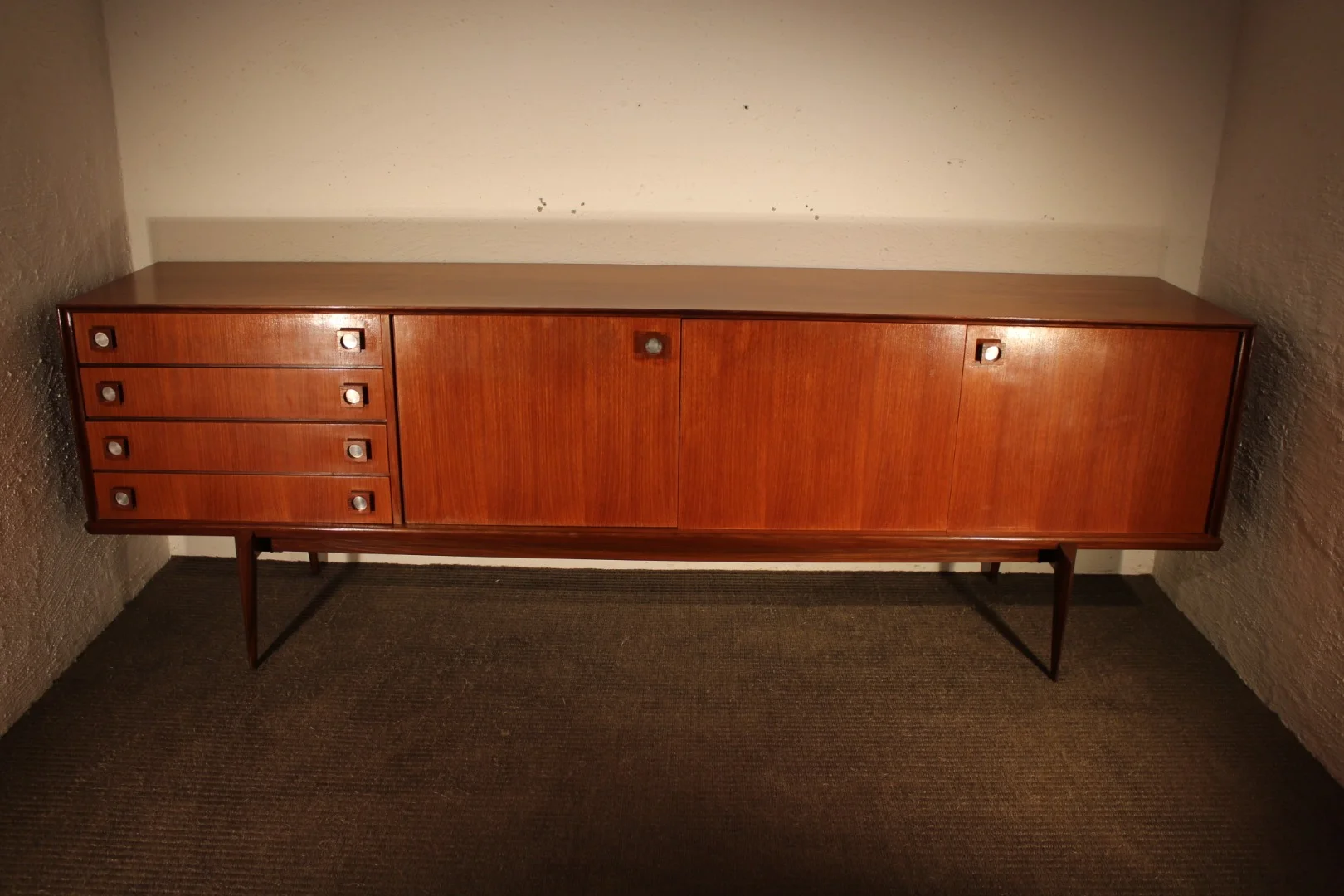
Au Réveil Du Temps — Saint-Nabord
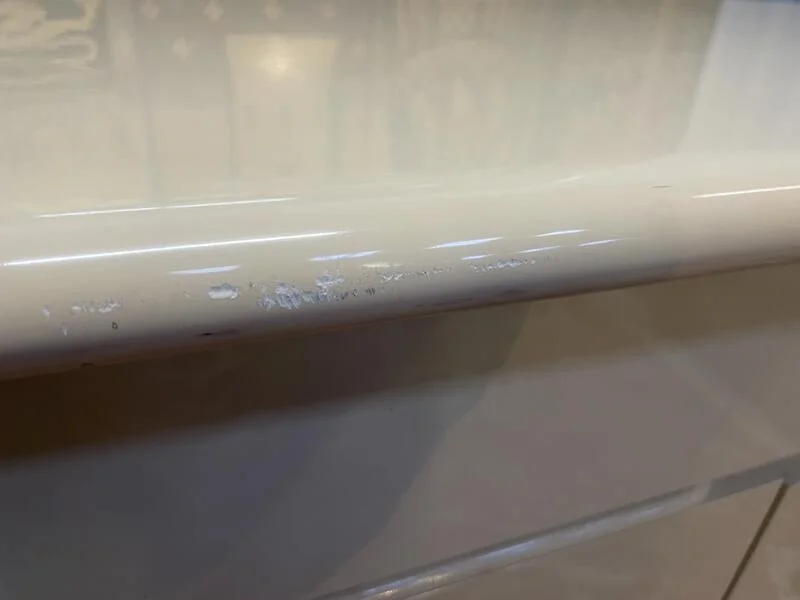
L’ESTAMPILLE — Navilly

Antiquités Lecomte — Héric
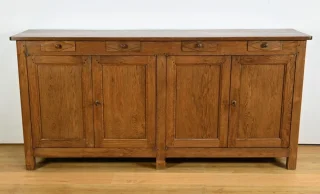
Antiquités Lecomte — Héric
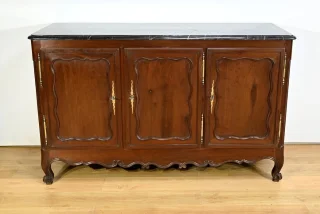
Antiquités Lecomte — Héric
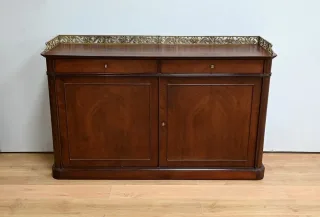
Antiquités Lecomte — Héric

Antiquités Lecomte — Héric
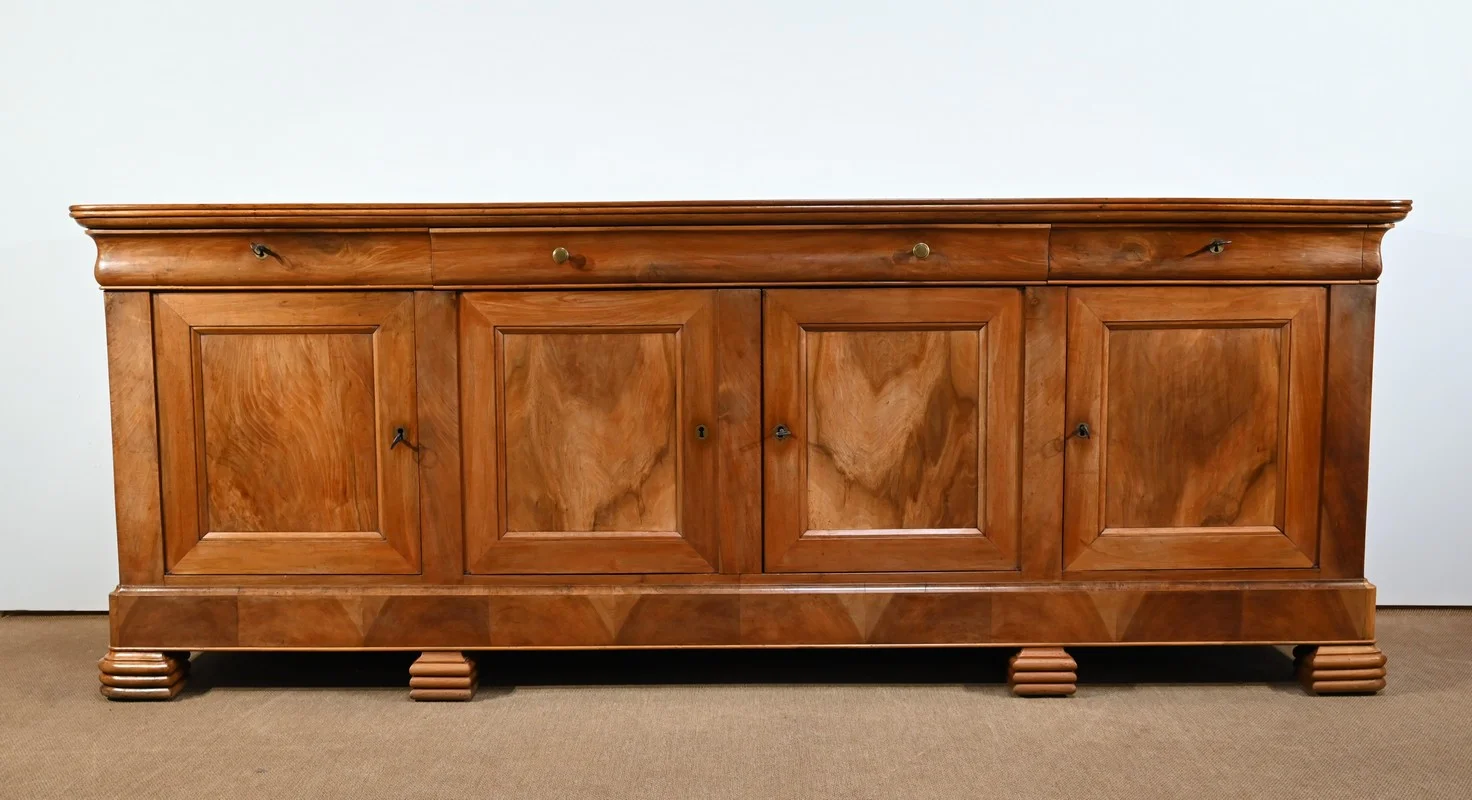
Antiquités Lecomte — Héric

Antiquités Lecomte — Héric
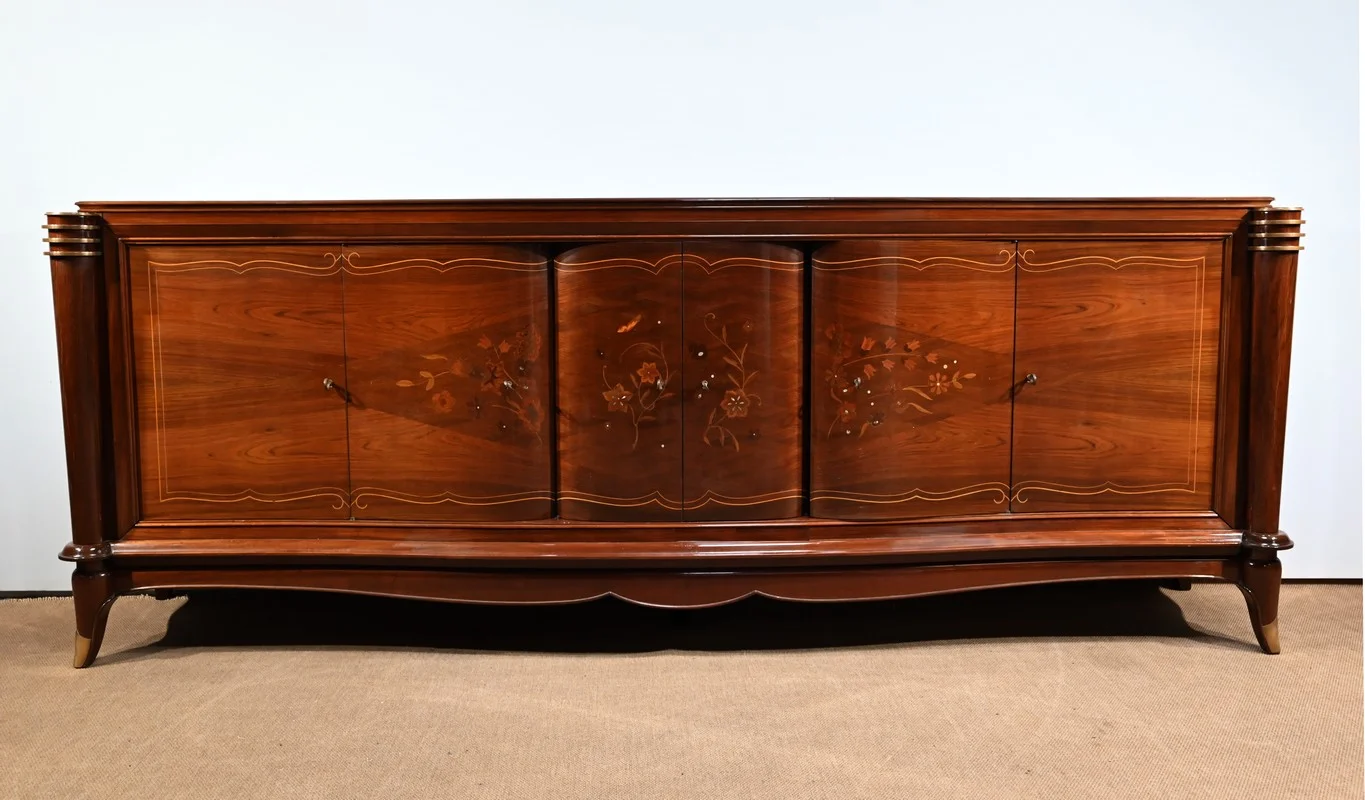
Antiquités Lecomte — Héric
To authenticate an antique sideboard, start with the materials. Teak, Rio rosewood and Macassar ebony are hallmarks of Nordic or pre-war French production, while solid oak or walnut typically points to an older French origin. Compass-leg or tapered-leg sideboards are characteristic of Scandinavian design from the 1950s and 1960s; look closely at the mortise-and-tenon joints — clean, tight construction is a reliable sign of quality craftsmanship.
When it comes to maker's marks, certain French publishers — Guillerme et Chambron, Grange — and Nordic designers such as Finn Juhl or Arne Vodder often stamped their name beneath the carcass or on the hardware. A documented provenance, an original receipt or an atelier stamp adds meaningful value. Be cautious of overly recent restorations that may conceal structural damage: open every door, check for warping and test the drawer runners before committing to a purchase.
In terms of budget, a vintage Scandinavian sideboard in good condition typically sells for between £350 and £1,800, depending on the timber, the designer and the state of preservation. A signed Art Deco piece or a documented master's work can exceed £4,500. For care, feed exotic timbers with a dedicated teak oil or a mild soap solution once or twice a year; avoid silicone-based polishes, which clog the wood's pores and dull the natural lustre over time.
On Antiquités en France, you can also explore our selection of low antique buffets to broaden your search, or discover related pieces in antique kitchen and dining room furniture. Contact your chosen dealer directly for additional details, condition reports and a tailored shipping quote.