
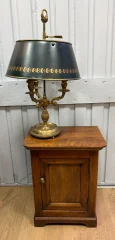
Small Side Table
2R Antiquites — Caluire-et-Cuire
320,00 €
Very good condition
20 objects found
The antique jam pot is one of the most charming accessories of 18th- and 19th-century bourgeois table service. Designed to present jams, jellies and honey at tea or breakfast, these pieces were made in faience or porcelain — often decorated with hand-painted floral motifs — as well as in cut crystal, blown glass or hallmarked solid silver. The most sought-after examples retain their original matching spoon and intact lid.
20 objects found
2R Antiquites — Caluire-et-Cuire

Antiquites d'Augers en Brie — Augers-en-Brie
Antiquites d'Augers en Brie — Augers-en-Brie
Antiquites d'Augers en Brie — Augers-en-Brie
Antiquites d'Augers en Brie — Augers-en-Brie
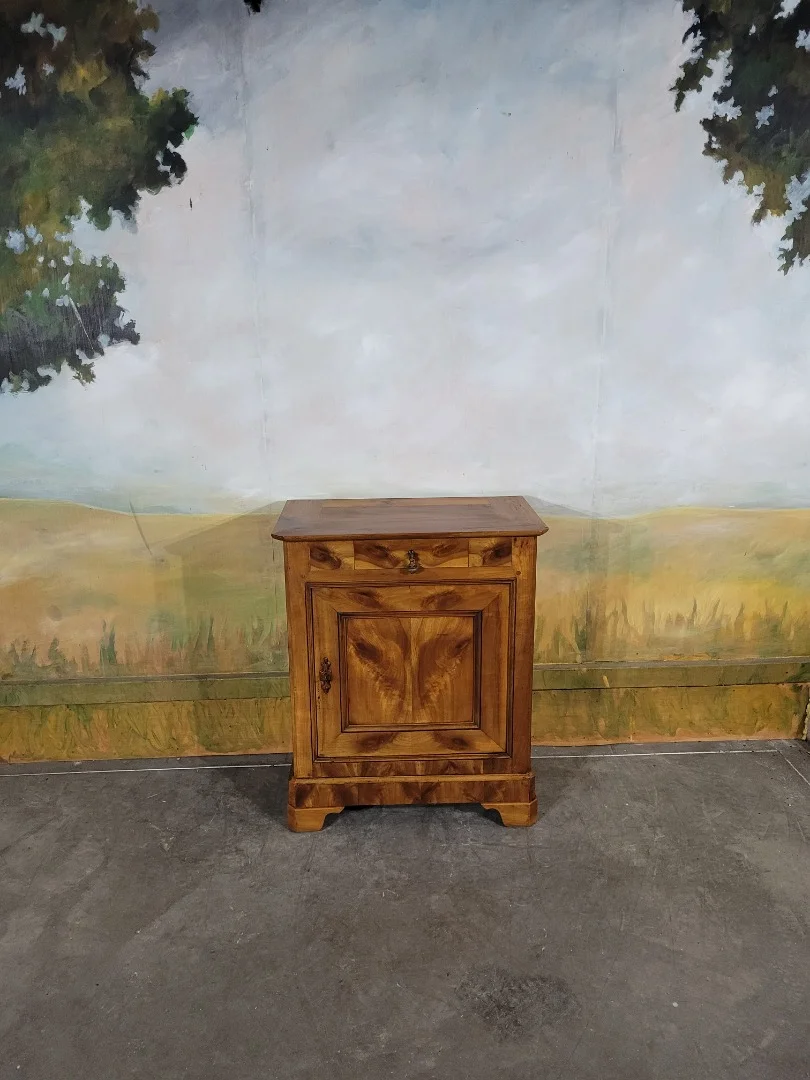
Antiquites d'Augers en Brie — Augers-en-Brie
2R Antiquites — Caluire-et-Cuire
Antiquites d'Augers en Brie — Augers-en-Brie
2R Antiquites — Caluire-et-Cuire
Antiquites d'Augers en Brie — Augers-en-Brie

Antiquités Anne Marie Perrier — La Boisse
la caleche caennaise — Mondeville
Antiquites d'Augers en Brie — Augers-en-Brie
Antiquités Lecomte — Héric
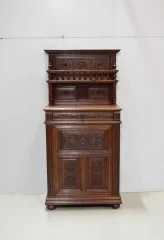
Antiquités Lecomte — Héric
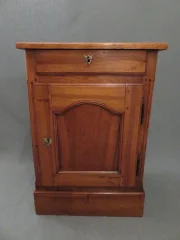
LE SOLEIL ROUGE — Lyon 7e Arrdt
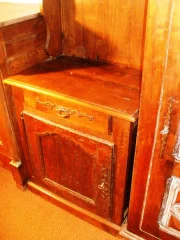
La légende des siècles — Chaillé-les-Marais
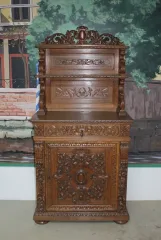
Antiquités Lecomte — Héric
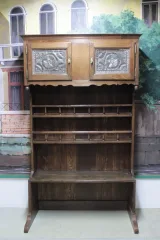
Antiquités Lecomte — Héric
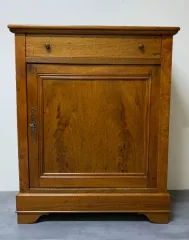
2R Antiquites — Caluire-et-Cuire
To identify a genuine antique jam pot, start with the material. Fine faience or hard-paste porcelain will show a characteristic translucency and an even, bubble-free glaze. On hallmarked solid silver pieces, look for the guarantee mark — in France, the Minerve punch for 19th-century work — alongside the silversmith's maker's mark. Together these stamps confirm the metal's composition and allow precise dating.
Decoration is a reliable guide to period. Polychrome floral motifs and honey-gilding point to the first half of the 19th century, while restrained blue camaïeu patterns or fine gold line borders are more typical of the late 18th century. A cut-crystal pot mounted on a silver-plated metal frame is characteristic of the Belle Époque and the Napoléon III style. Research the original manufacturer: Creil-Montereau, Gien, Limoges or Sèvres for ceramics; Baccarat or Saint-Louis for crystal.
Condition is critical to value. A chipped lid or missing spoon will significantly reduce the price, whereas a complete set — pot, lid and matching spoon — commands a clear premium among collectors. Expect to pay from around £30–£80 for a common faience example, £150–£500 for a decorated Limoges or Gien porcelain piece, and £300 upwards for a fine hallmarked silver or Baccarat crystal pot. You may also wish to explore antique kitchen and tableware to build a coherent period table service.
On Antiquités en France, every antique preserve dish is offered by a verified professional dealer who can provide detailed photographs, exact dimensions and the piece's history. Contact the seller directly with any questions about provenance or condition, and browse our wider selection of antique French tableware to complete your collection.