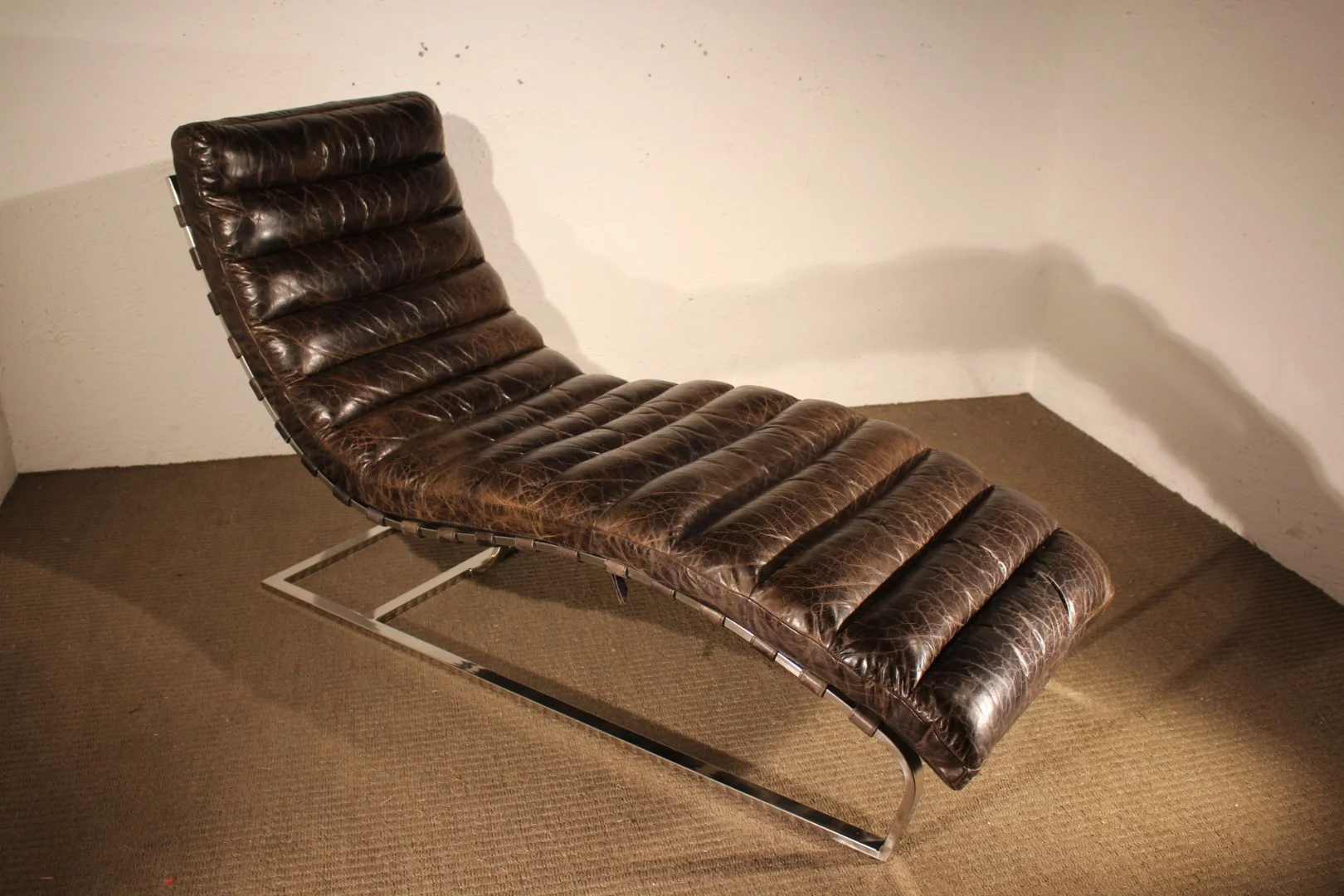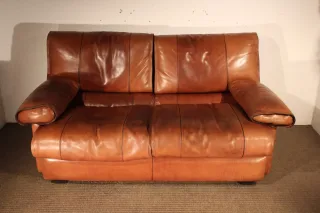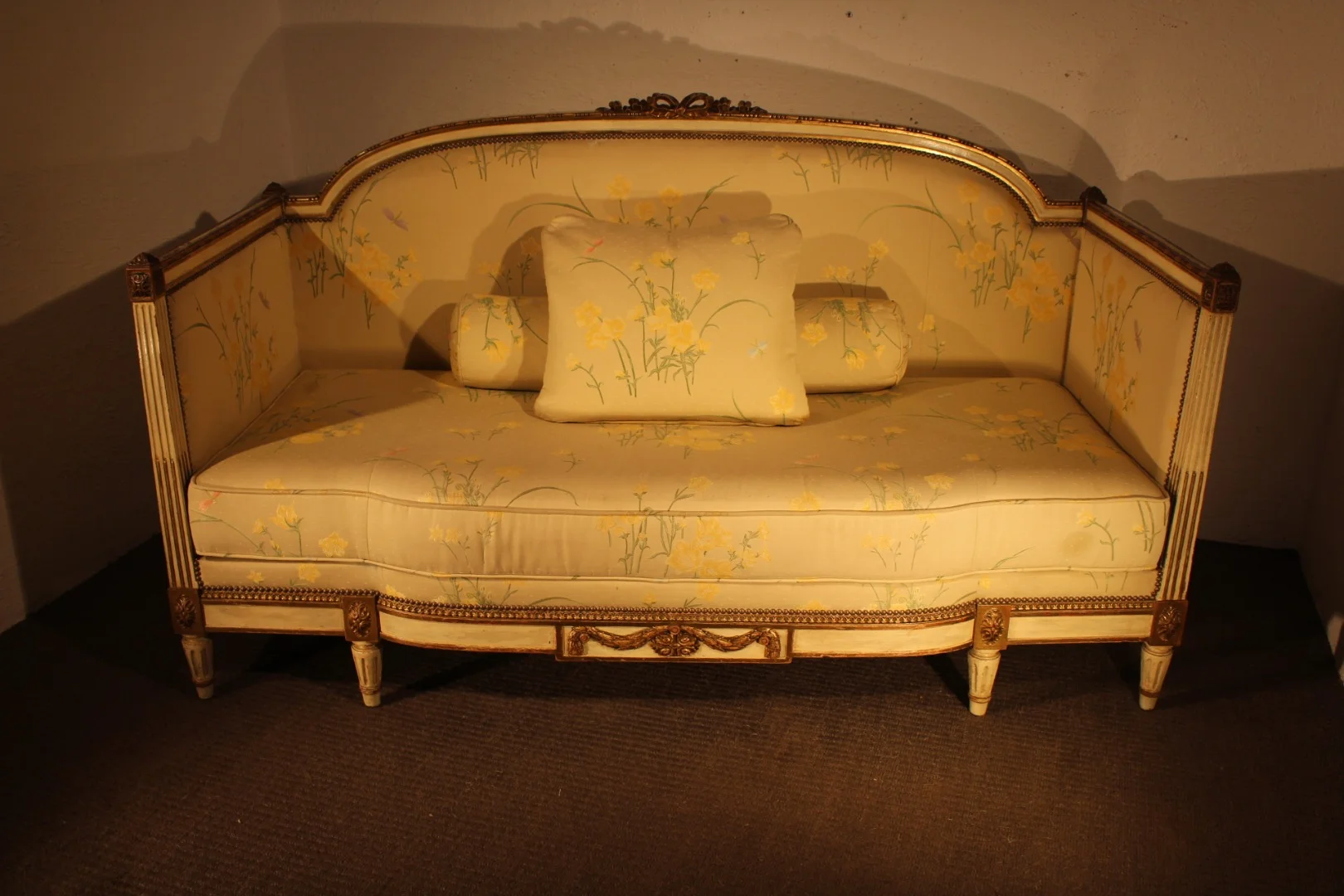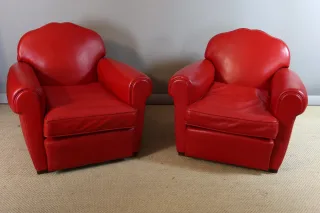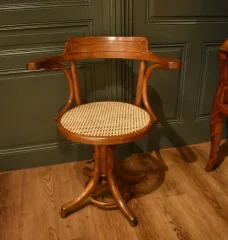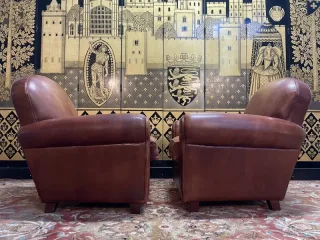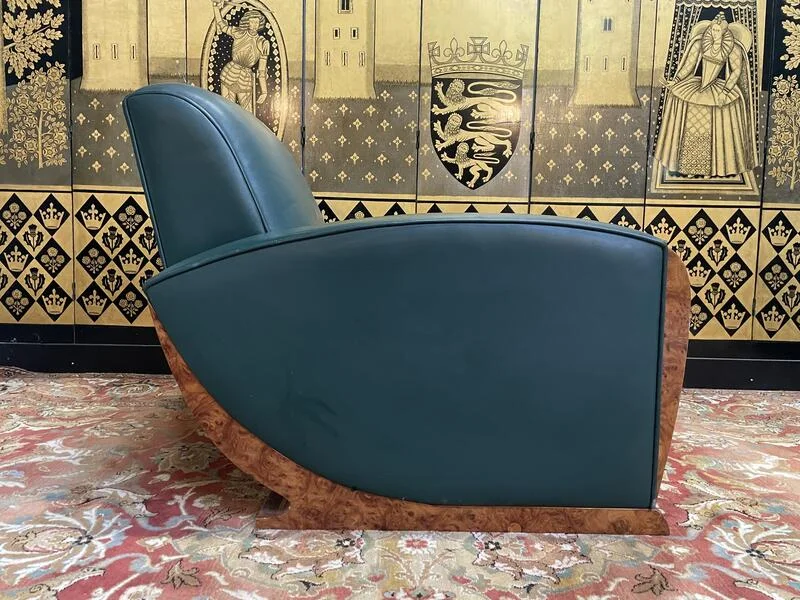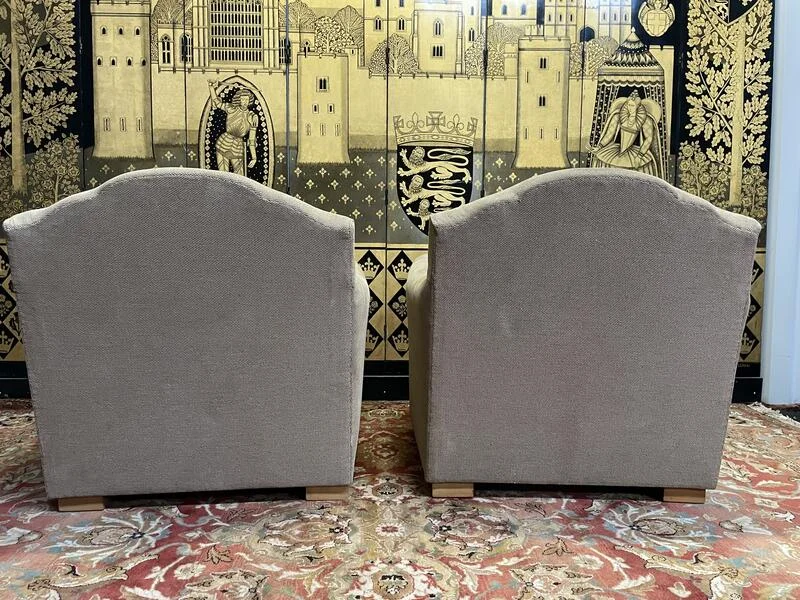
Antique Club Armchairs

38 objects found

Loading
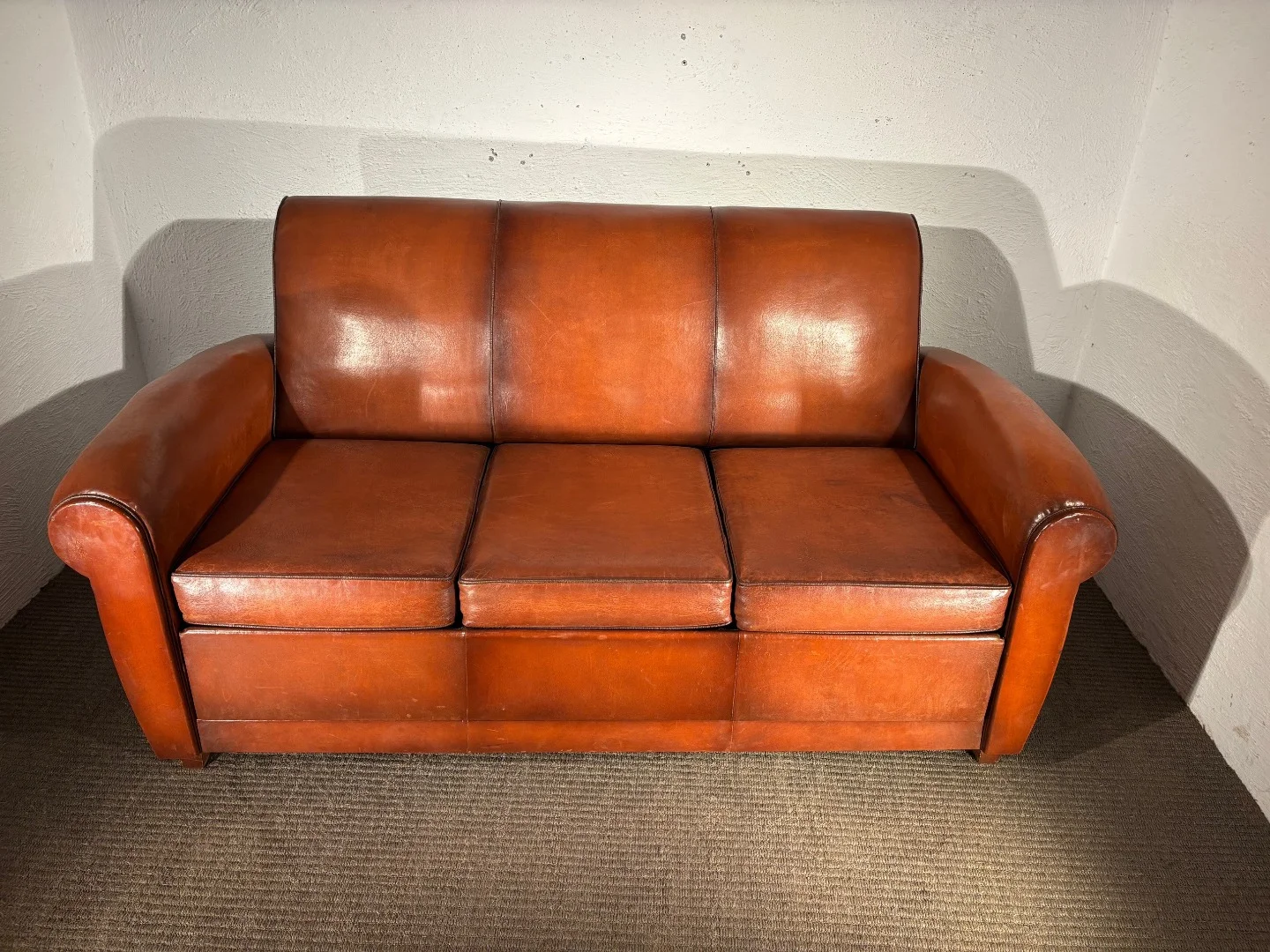
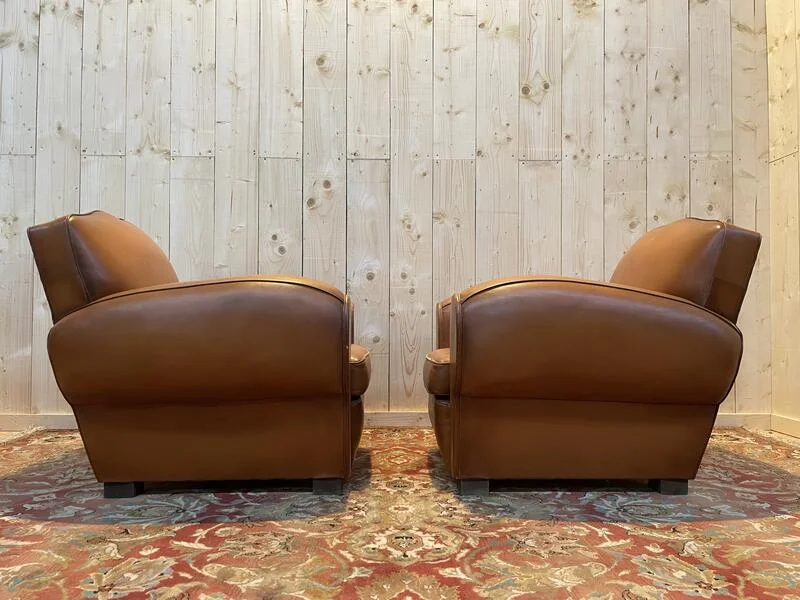
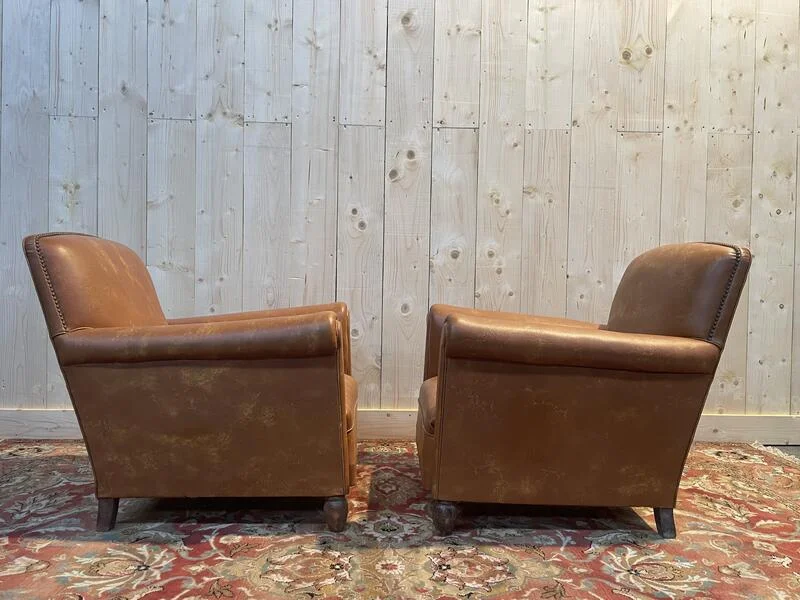
Club armchairs first appeared in the gentlemen's clubs of late-19th-century England before being enthusiastically adopted by French interior decorators of the 1920s and 1930s. The silhouette is instantly recognisable: a low wraparound back, deep seat and broad armrests, almost always upholstered in patinated genuine leather. Period Art Deco examples — typically mounted on oak or mahogany legs — stand out for the quality of their hand-tied springing and the suppleness of their vegetable-tanned hides, qualities that modern reproductions simply cannot replicate.

Vintage and period leather club armchairs from professional antique dealers

38 objects found

How to choose and authenticate an antique club armchair

Identifying a genuinely antique club armchair comes down to a few key checks. Start with the frame: a period piece rests on a solid-wood structure — oak, beech or mahogany — joined with mortise-and-tenon joinery, with no chipboard or visible industrial screws. Original leather develops a natural patina over decades: fine surface crazing, a characteristic softness and subtle colour variation that no recent re-upholstery can convincingly reproduce. Be wary of hides that look too uniform or too glossy, which often signal a low-quality recent replacement. For dating, Art Deco club armchairs of the 1930s are distinguished by their slightly splayed legs and geometric topstitching, while post-war models favour rounder forms, tapered legs and hides dyed in tobacco or burgundy tones. A maker's label beneath the seat cushion, a stamp from a Parisian decorating house or documented provenance all add meaningfully to a piece's value and authenticity. For care, feed the leather two or three times a year with a silicone-free conditioning cream and keep the chair away from direct sunlight, which degrades the tannins over time. A restored leather club armchair handled by a specialist upholsterer retains its full value provided the materials — vegetable-tanned hide, natural horsehair, steel coil springs — are consistent with the original period. On Antiquités en France, every piece is offered by a verified professional dealer specialising in antique seating and armchairs, able to supply detailed photographs, precise dimensions and the piece's history before you commit. Expect to pay £250–£700 for a good-condition vintage club chair, and £900–£2,500 or more for a signed or documented Art Deco example in original leather. Contact the dealer directly to discuss condition, provenance and shipping.

Frequently asked questions about Antique Club Armchairs

How can I tell whether a club armchair is genuinely antique?
Check for a solid-wood frame joined without chipboard, leather with natural crazing and suppleness built up over decades, and hand-tied steel coil springs beneath the seat. A maker's label, a decorator's stamp or documented provenance provides further confirmation of authenticity.
What is the price range for an antique leather club armchair?
A vintage club chair in good condition typically sells for £250–£700. A period Art Deco example with original leather on a solid frame can reach £900–£2,500, and signed or provenance-documented pieces may command considerably more at specialist dealers.
How should I care for the leather on an antique club armchair?
Apply a silicone-free, solvent-free leather conditioner two or three times a year. Avoid prolonged direct sunlight and excessive heat, both of which weaken the tannins. If the hide is severely dried out, consult a specialist upholsterer for a professional treatment that preserves the original patina.
Can an antique club armchair be restored without losing its value?
Yes, provided the work is entrusted to an experienced upholsterer using period-appropriate materials: vegetable-tanned leather, natural horsehair padding and steel coil springs. A well-documented, sympathetic restoration can actually increase a piece's appeal to knowledgeable buyers.
What are the main differences between an Art Deco club armchair and a 1950s model?
Art Deco models (1920–1940) feature slightly splayed legs, geometric topstitching and leather in deep brown or black. Post-war 1950s chairs have rounder profiles, tapered legs and softer tobacco or burgundy hides, with more generous padding and a lighter overall feel.