
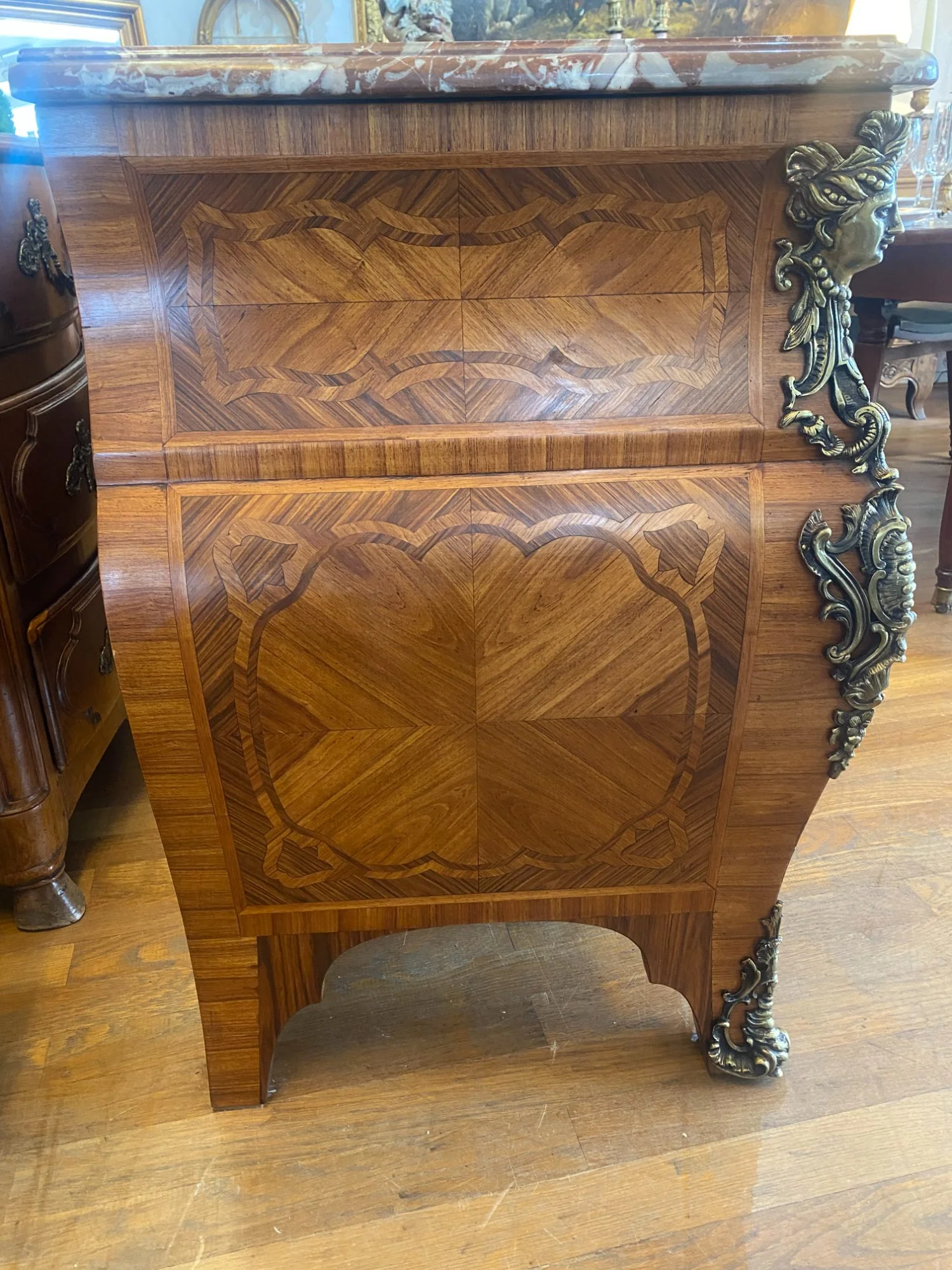
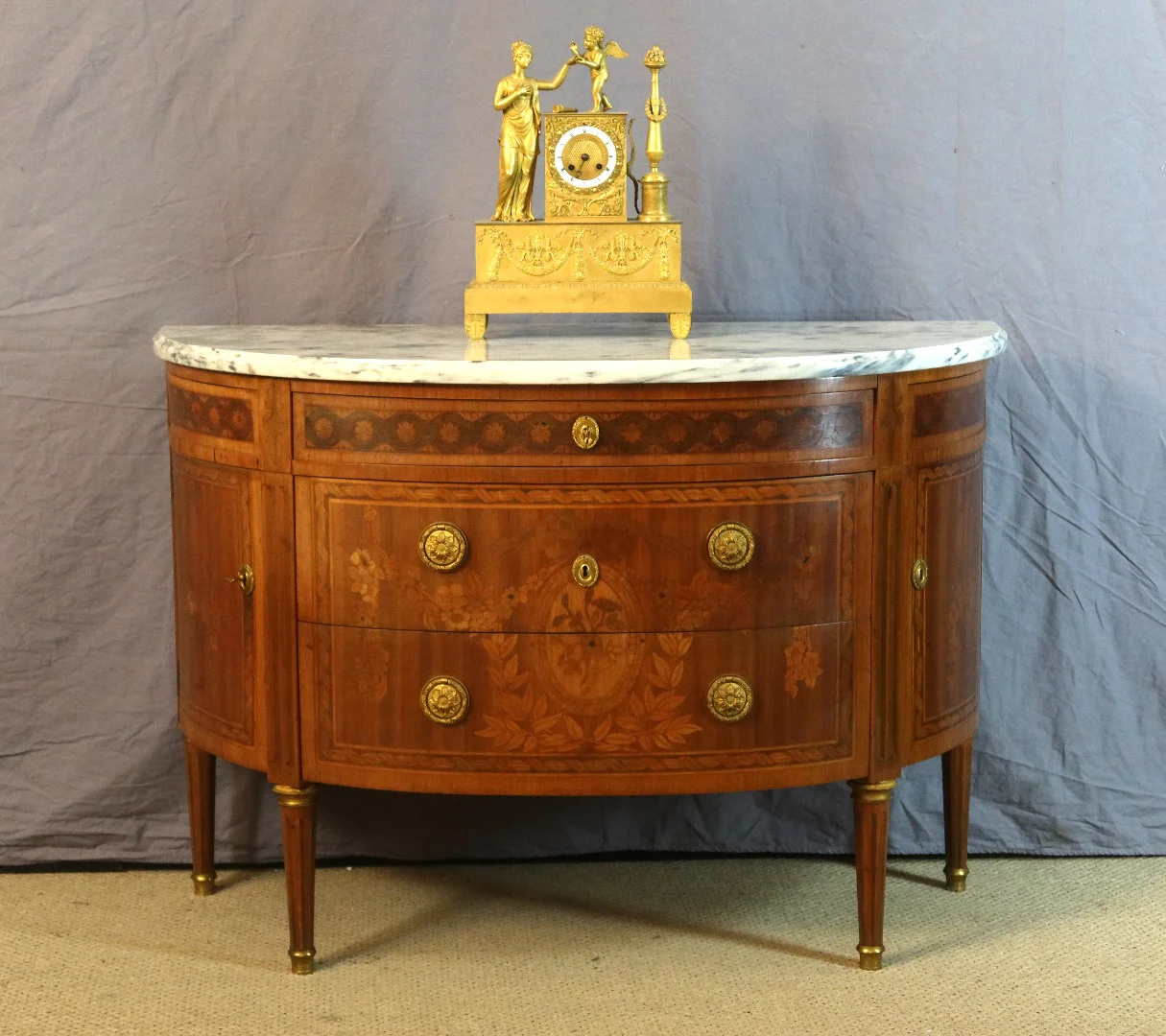
Louis XV-style tombeau chest of drawers in rosewood marquetry
jean-pierre PERNOD — Bourg-en-Bresse
1 900,00 €
Very good condition
471 objects found
The antique chest of drawers is one of the most iconic pieces of French cabinet-making. Emerging at the turn of the 18th century, it took on a remarkable variety of forms — serpentine, straight-fronted, crossbow-fronted or tombeau — shaped by successive styles and the hands of great ébénistes. Walnut, mahogany, rosewood, exotic marquetry: the materials and techniques are as varied as the makers who crafted them.
Whether stamped by a Parisian master or produced in a skilled provincial workshop, a period chest of drawers brings both character and practicality to any interior. Browse the listings from our professional antique dealers to find the piece that suits your search.
471 objects found
jean-pierre PERNOD — Bourg-en-Bresse
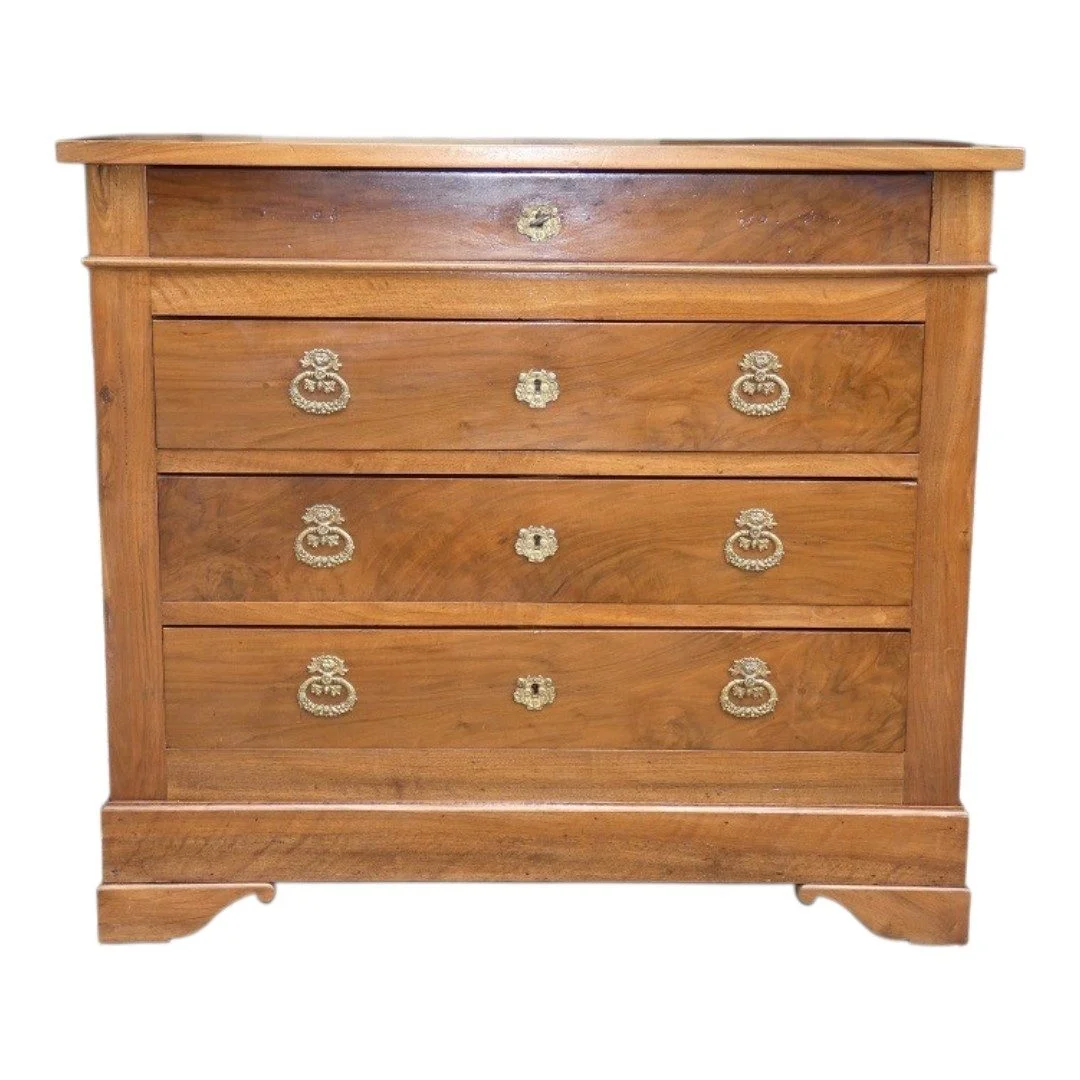
L'atelier De La Dorure — Calmont
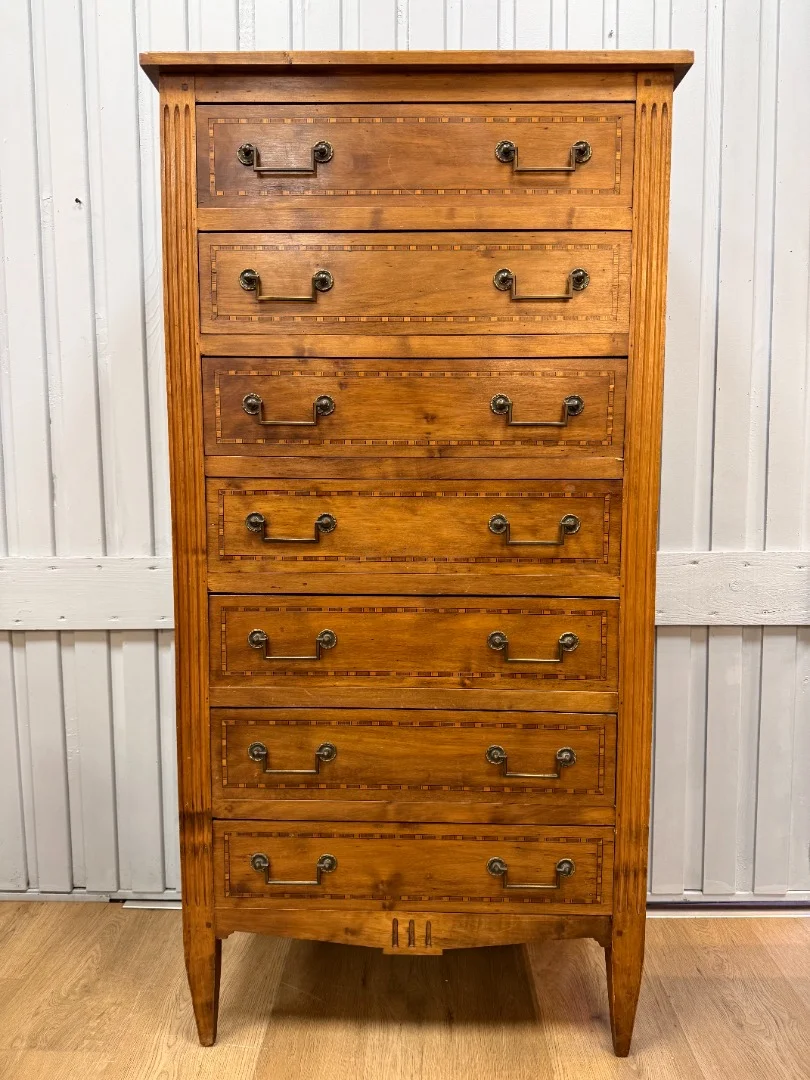
2R Antiquites — Caluire-et-Cuire
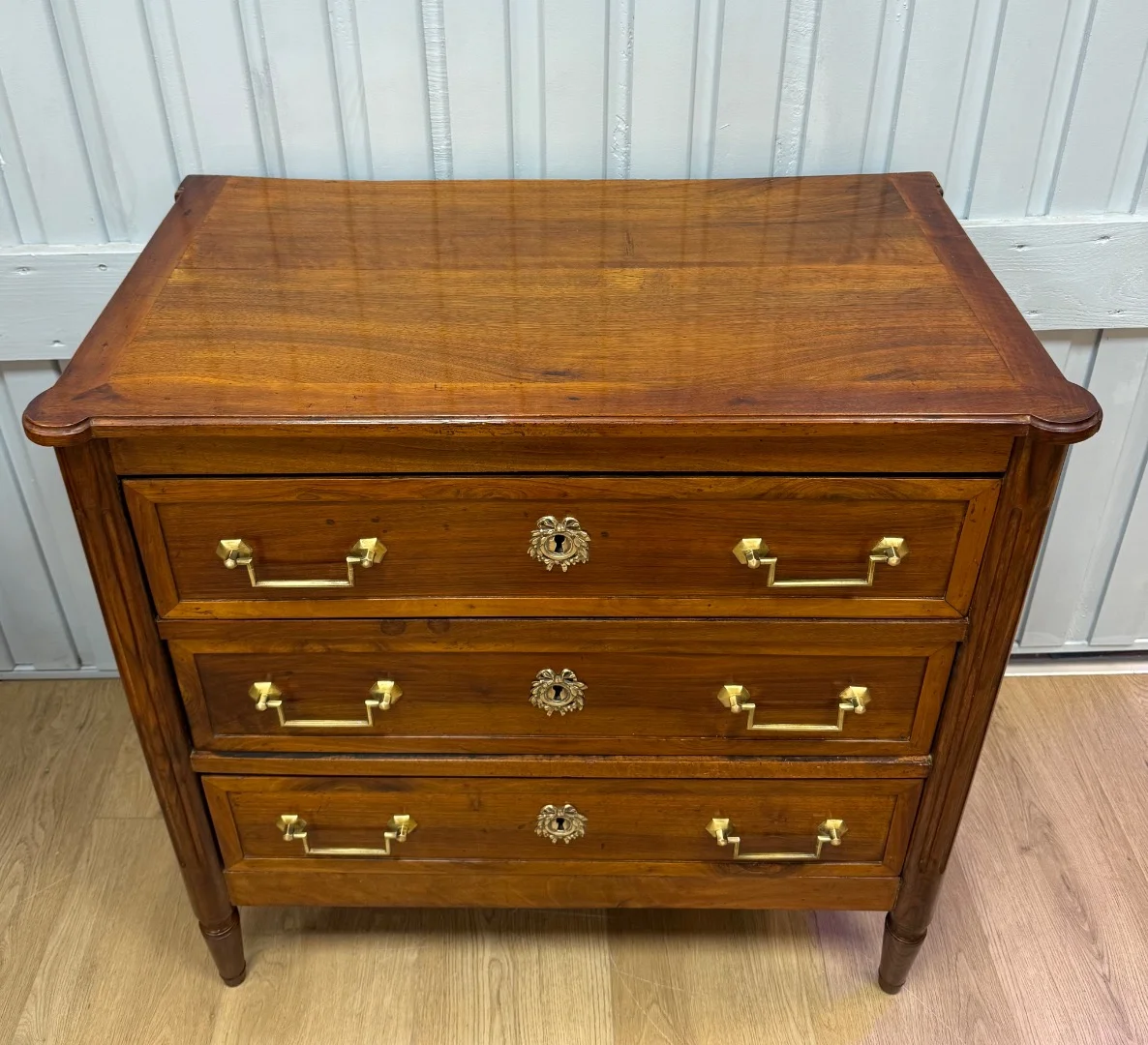
2R Antiquites — Caluire-et-Cuire
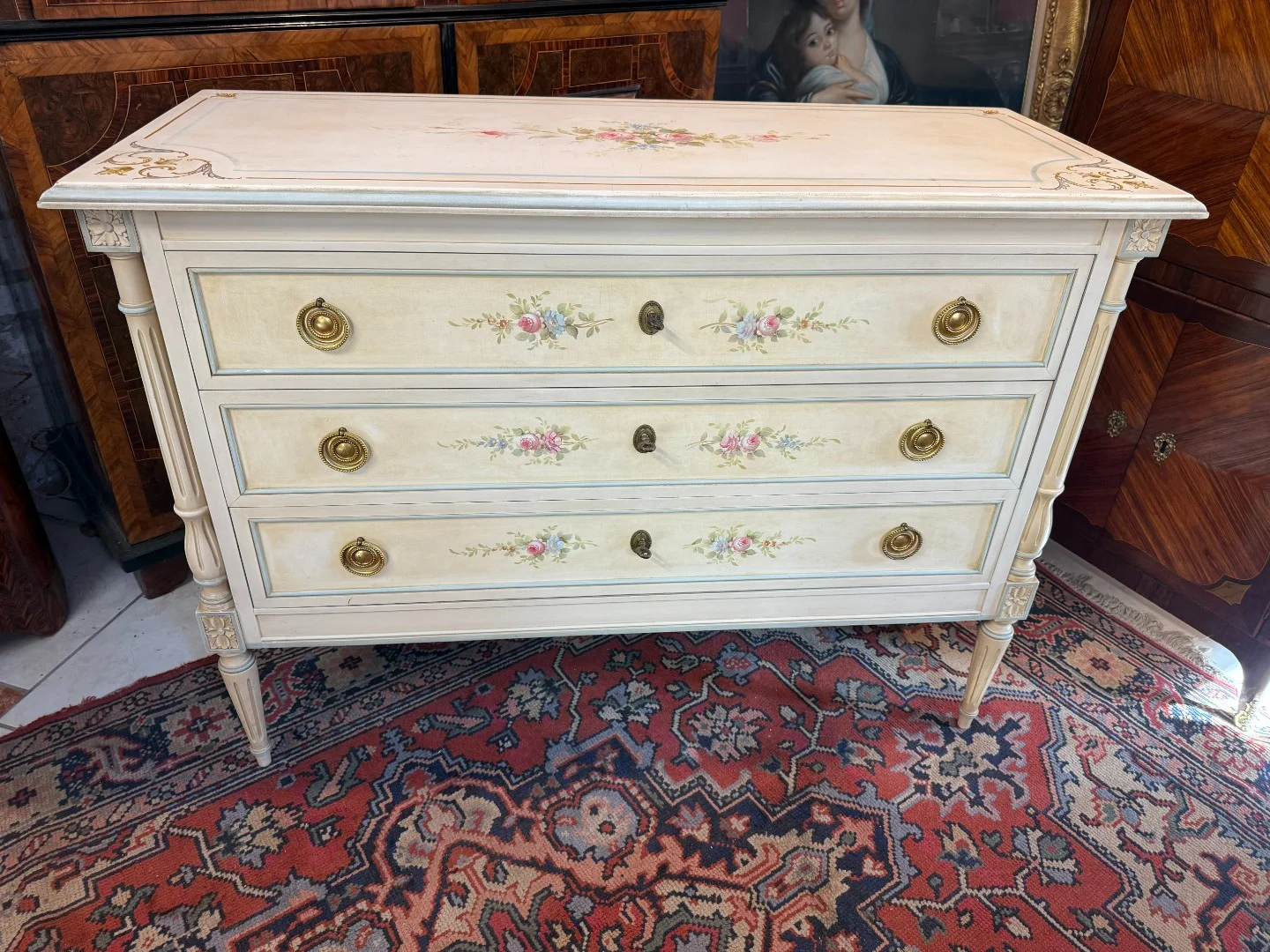
Romain Lichtensztein — Maignelay-Montigny
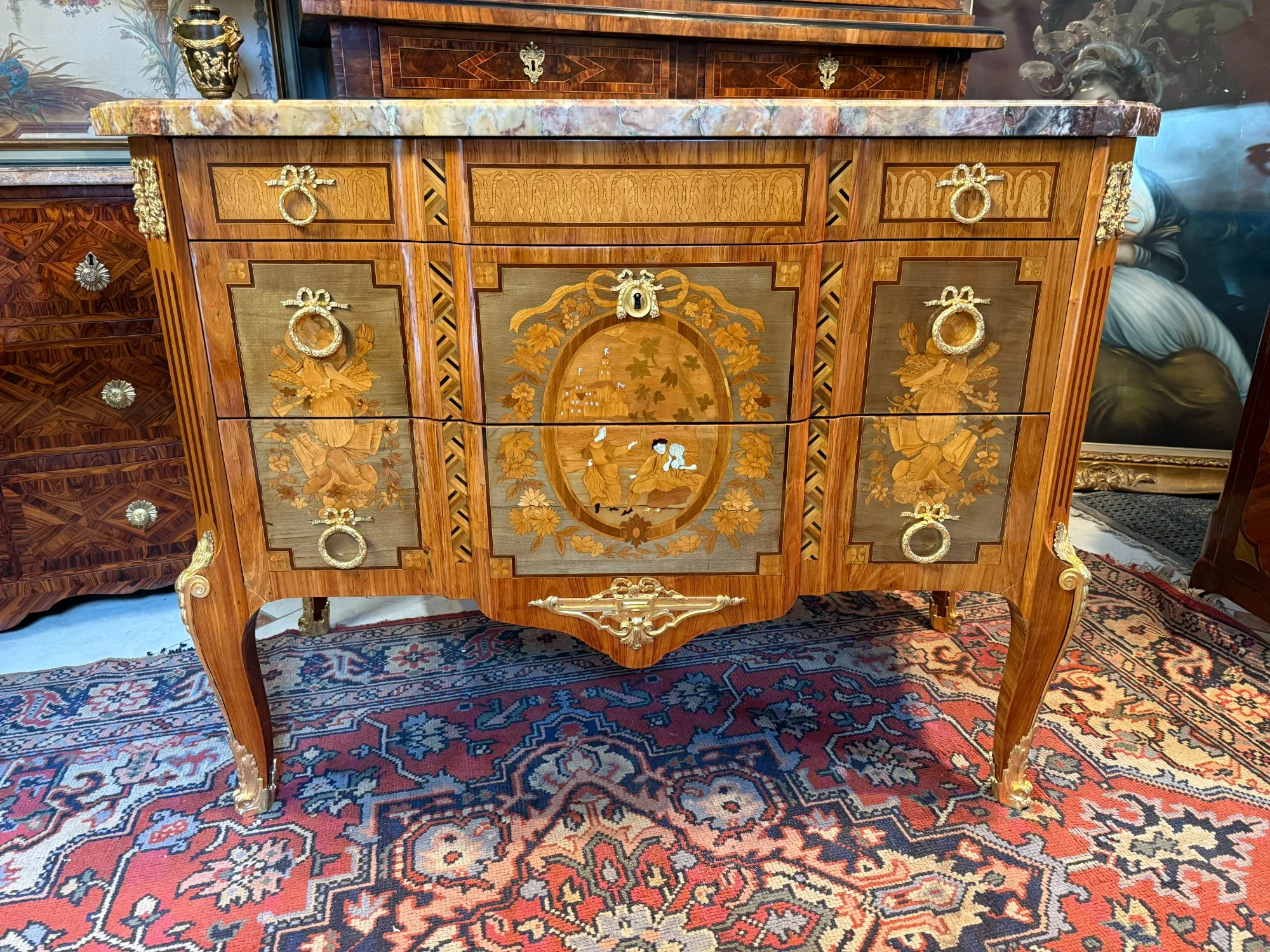
Romain Lichtensztein — Maignelay-Montigny
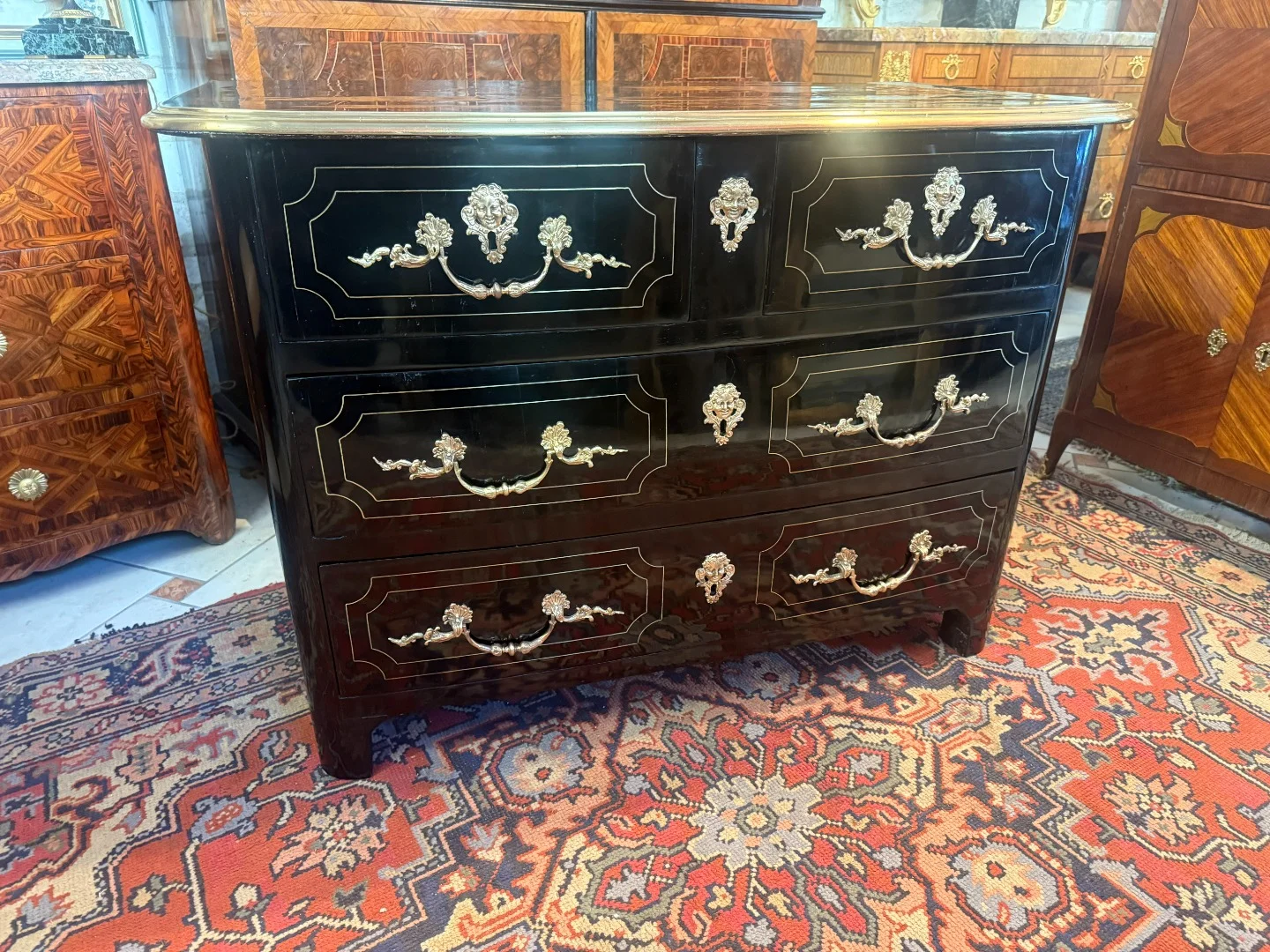
Romain Lichtensztein — Maignelay-Montigny
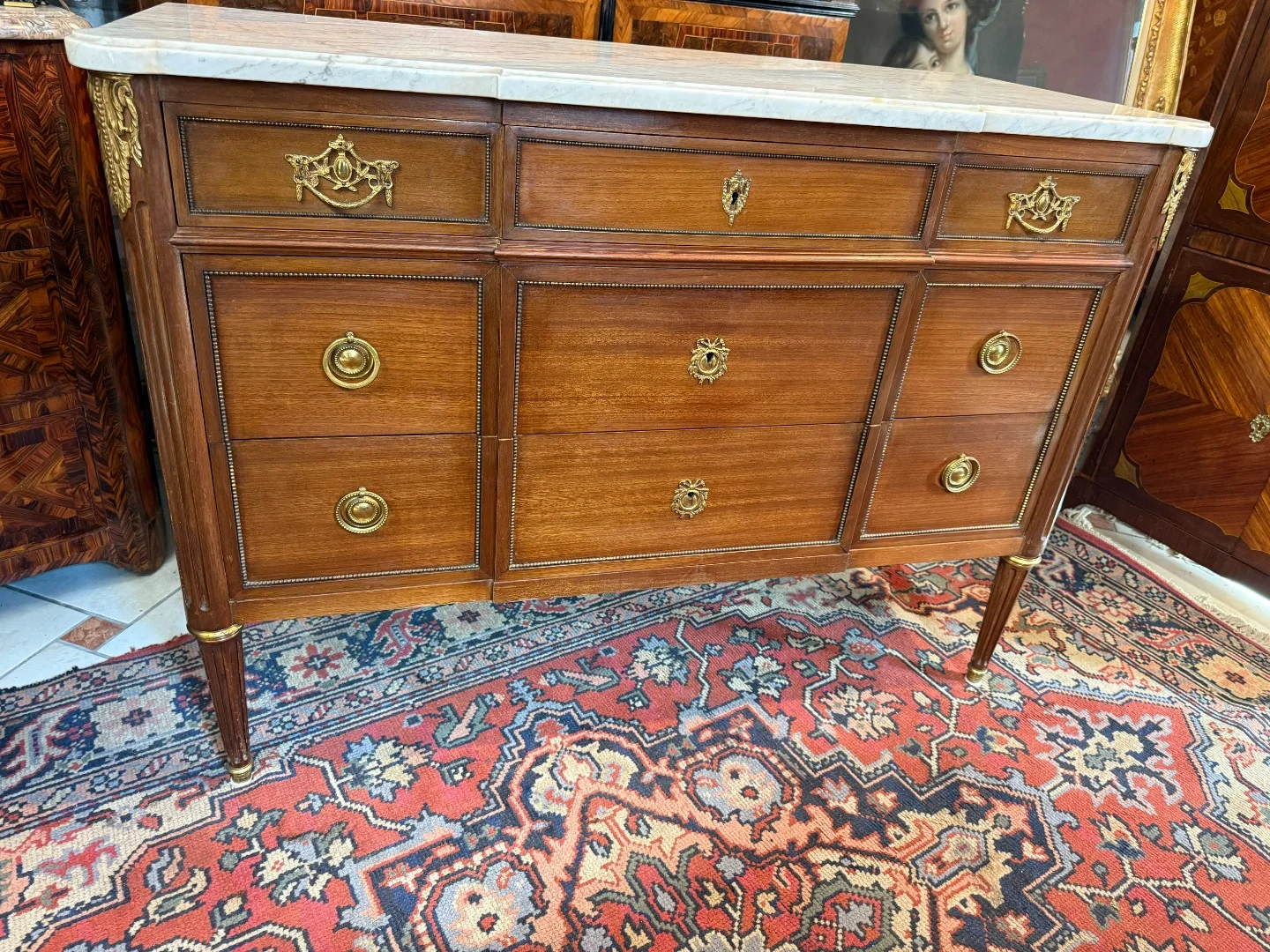
Romain Lichtensztein — Maignelay-Montigny
Philippe Cote Antiquites — Chauffailles
Antiquités Anne Marie Perrier — La Boisse
FRANZINI-HEINEN
FRANZINI-HEINEN
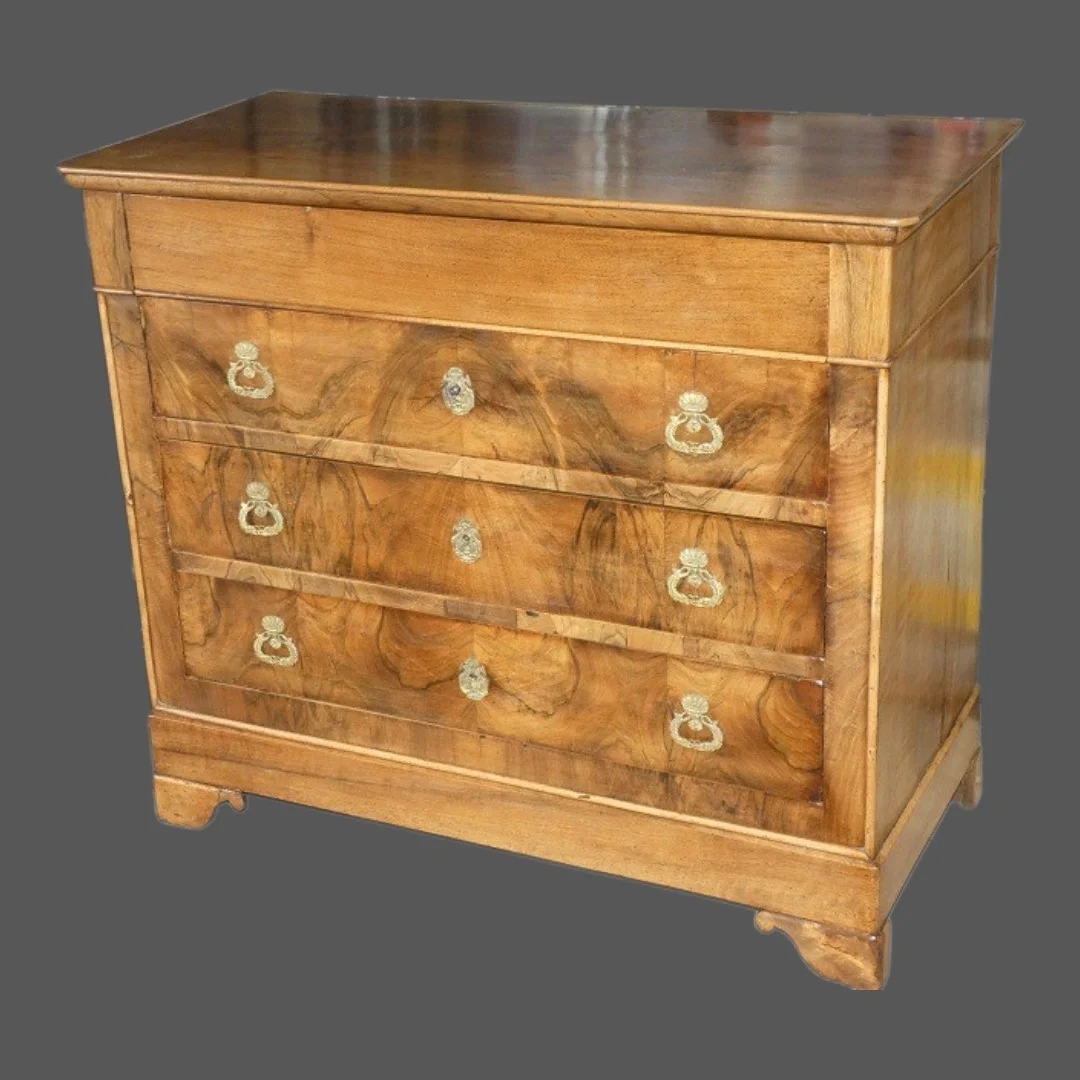
L'atelier De La Dorure — Calmont
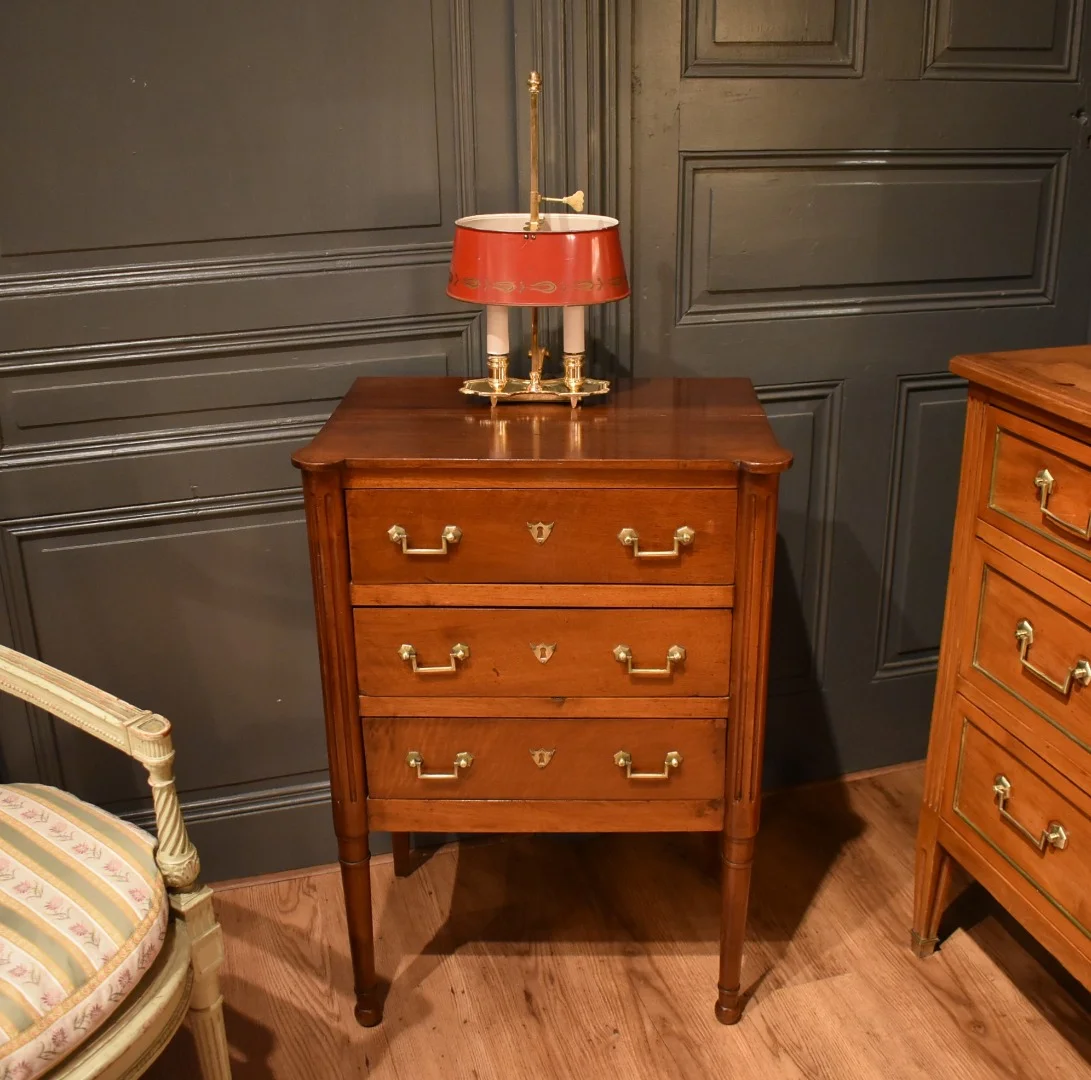
Antiquités Anne Marie Perrier — La Boisse
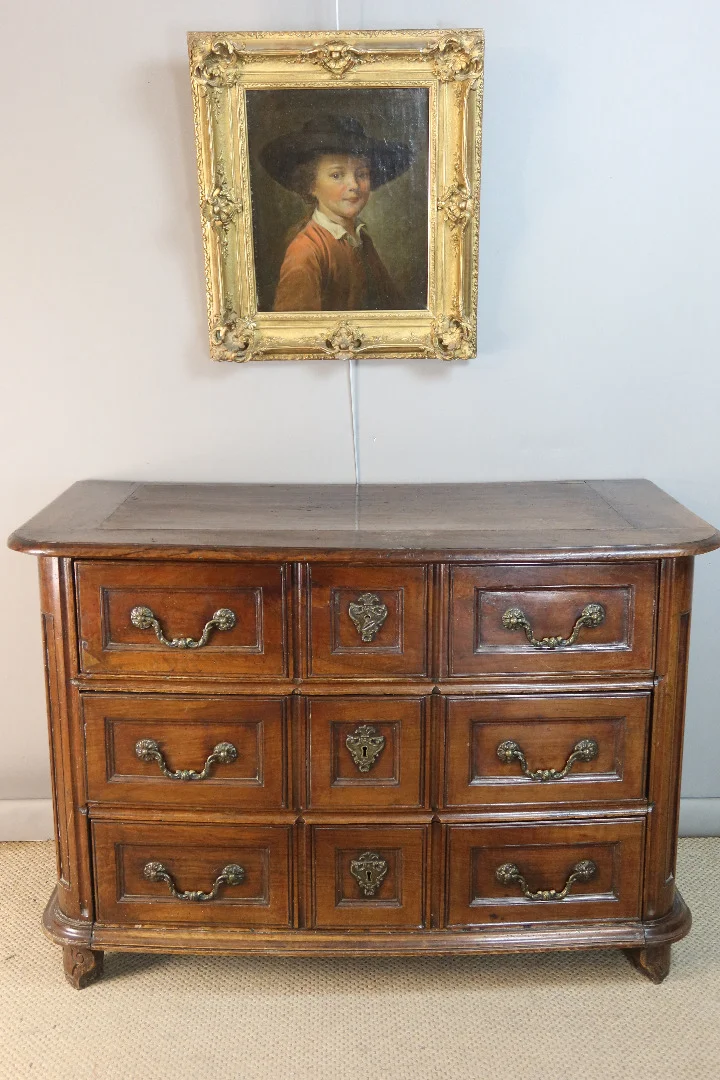
Philippe Cote Antiquites — Chauffailles
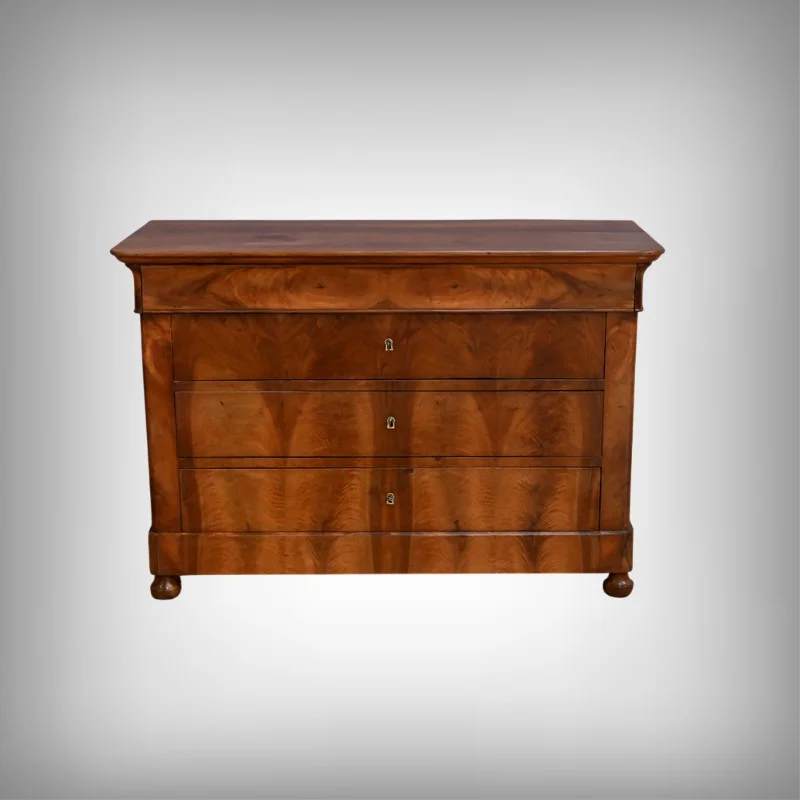
Antiquités Lecomte — Héric
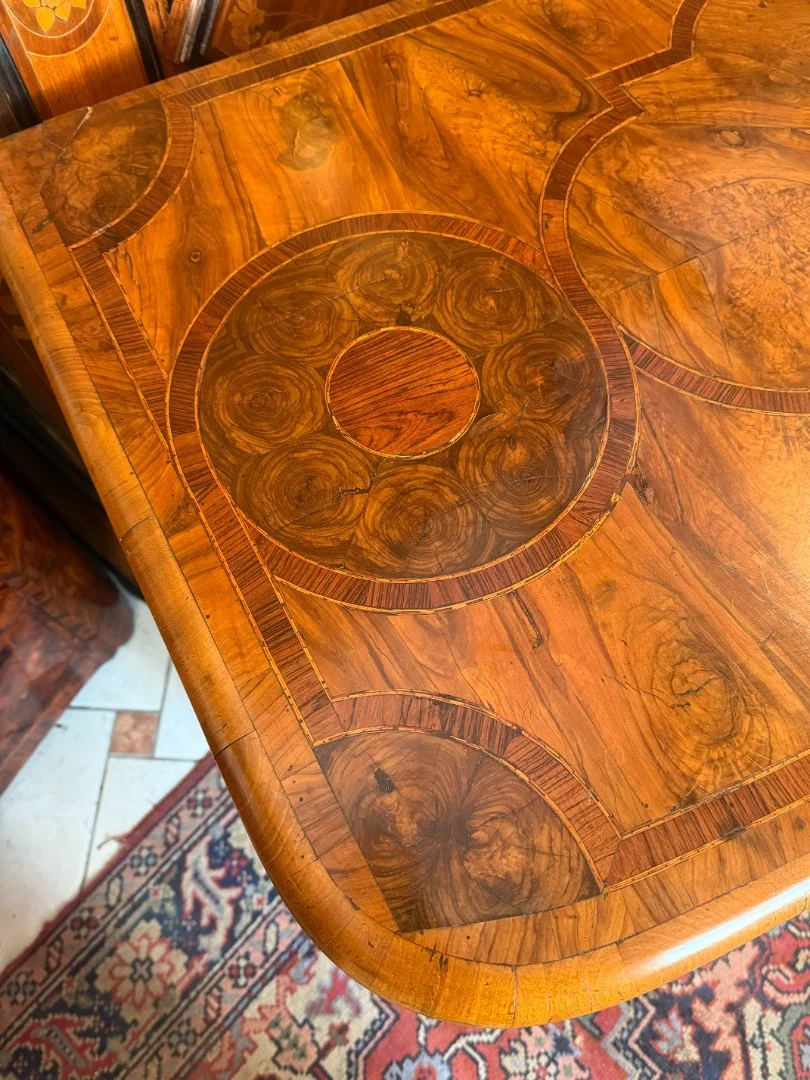
Romain Lichtensztein — Maignelay-Montigny

L'atelier De La Dorure — Calmont
Antiquités Lecomte — Héric
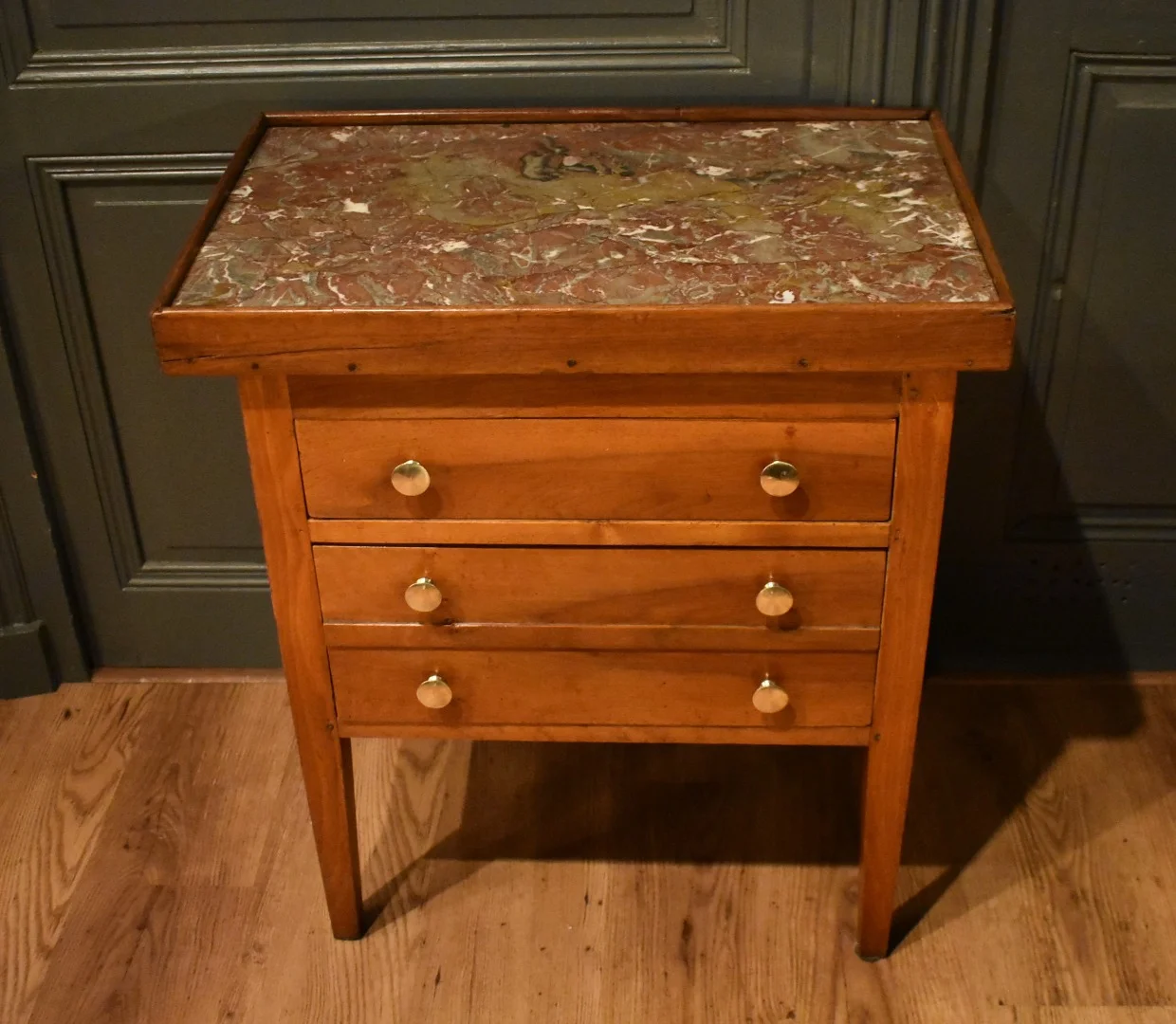
Antiquités Anne Marie Perrier — La Boisse
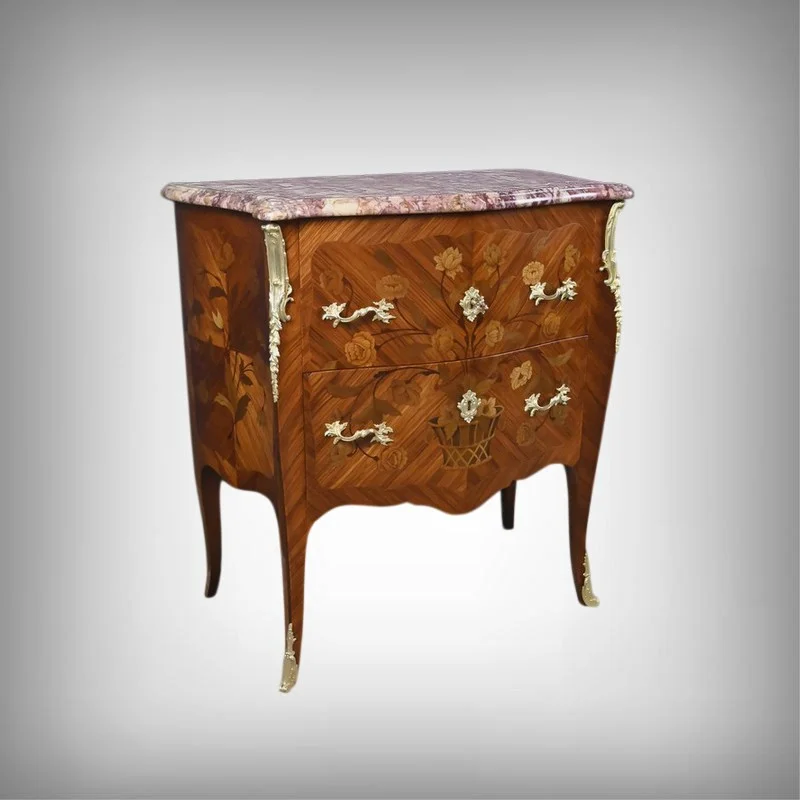
Antiquités Lecomte — Héric
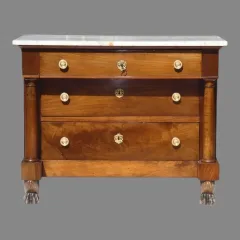
L'atelier De La Dorure — Calmont
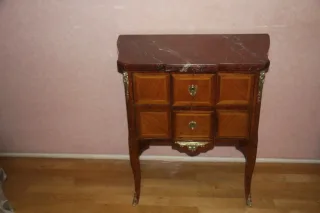
jean-pierre PERNOD — Bourg-en-Bresse
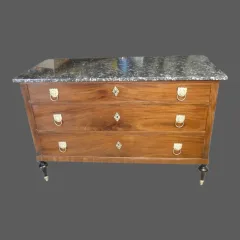
L'atelier De La Dorure — Calmont
To identify a genuinely antique chest of drawers, start with the construction: period drawers are hand-cut, with irregular dovetail joints and solid-wood bases — never plywood. The back, typically oak or poplar, will show hand-tool marks and an even, natural patina throughout. A chest of drawers stamped by a recognised ébéniste — Criaerd, Migeon or Boudin for the 18th century, Jacob-Desmalter or Bellangé for the Empire period — commands significantly higher value and offers the strongest guarantee of authenticity.
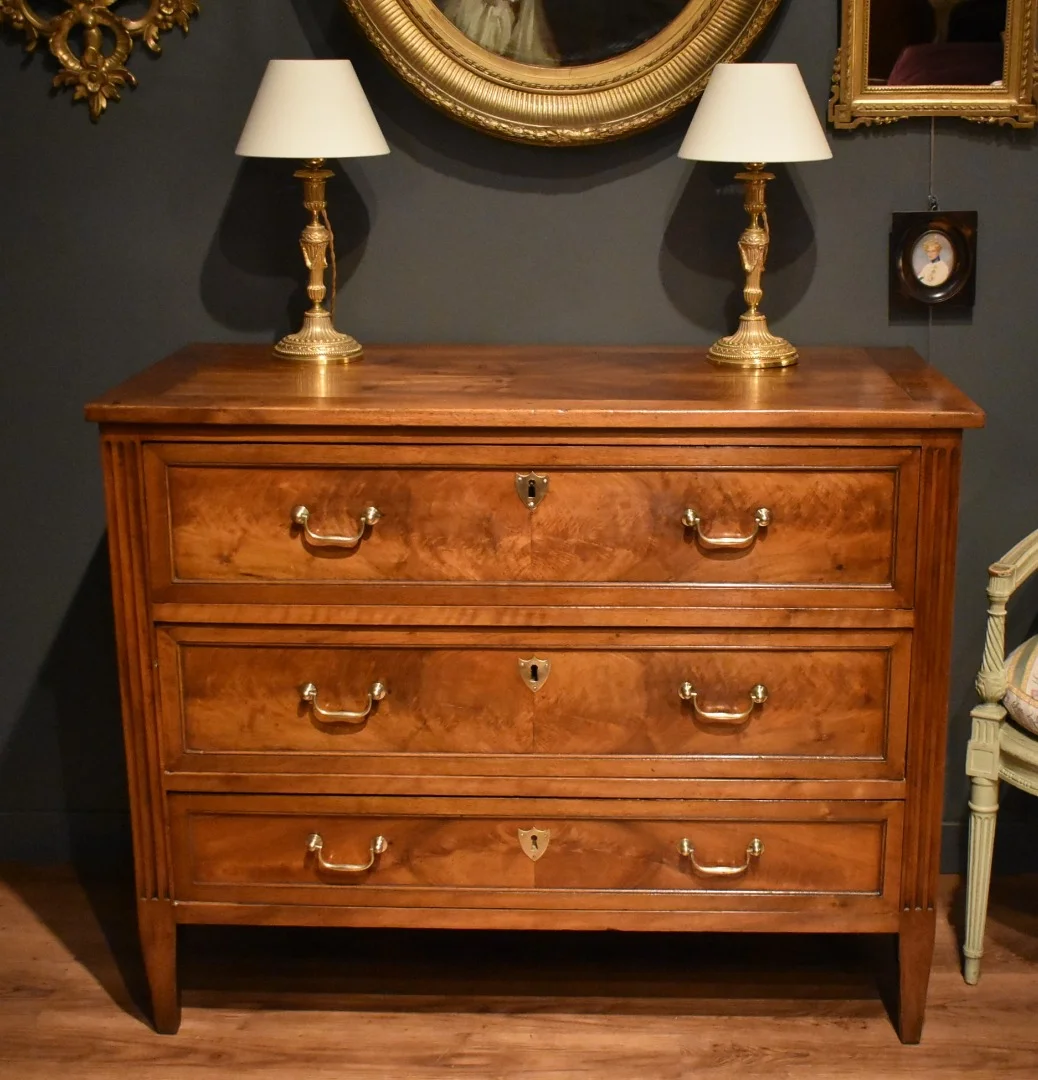
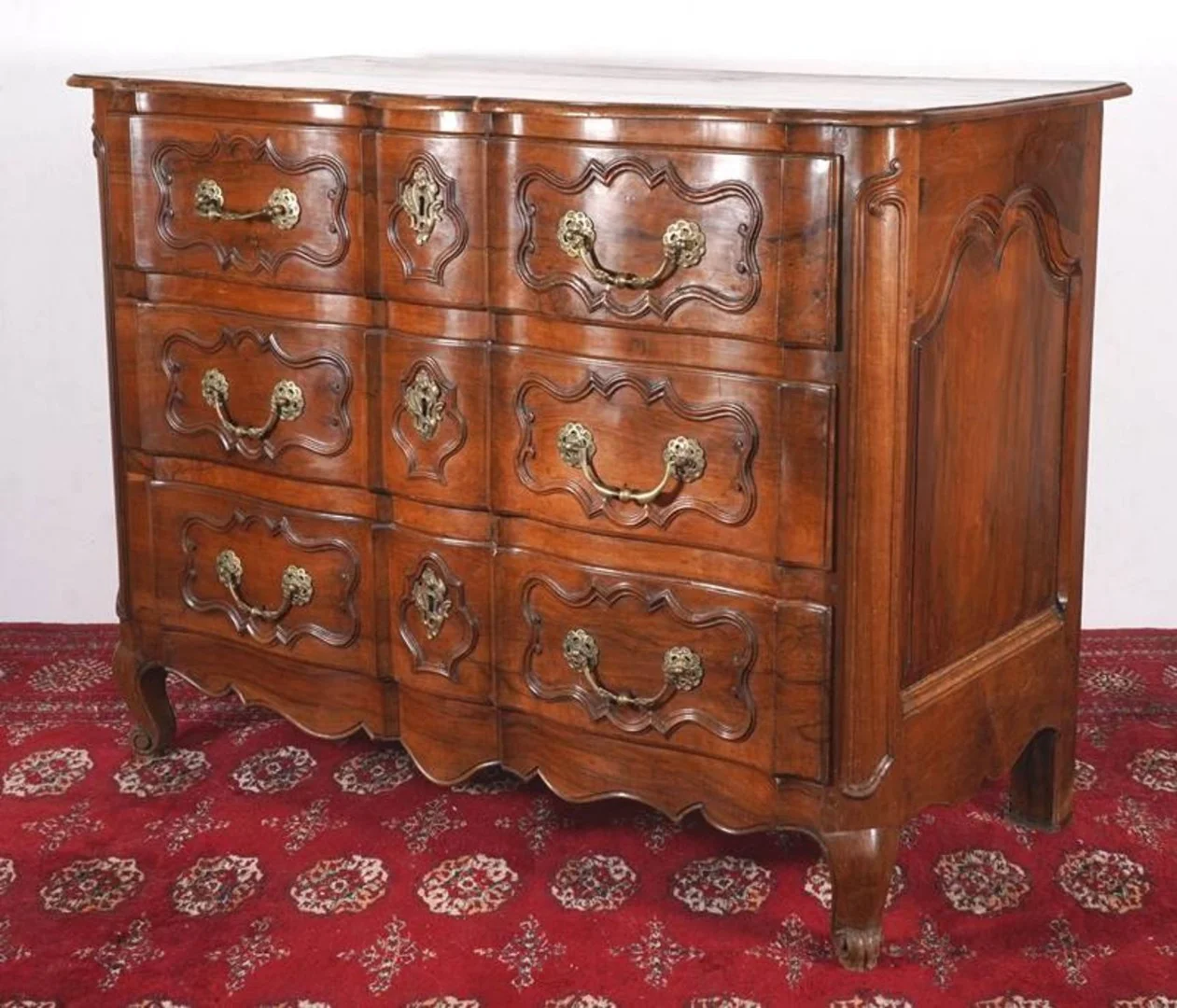
Each style has its own visual language. The Louis XV chest of drawers is defined by generous curves, finely chased rocaille bronze mounts and coloured marble tops. The Louis XVI model moves towards straighter lines, fluted uprights and neoclassical bronzes. The Empire chest, often in flame mahogany, favours strict symmetry and richly gilded bronze ornaments. Learning to read these codes allows you to date a piece with confidence. Marquetry chests of drawers — in tulipwood, kingwood or amaranth — are particularly sought after by collectors and tend to hold their value well.
In terms of budget, a 19th-century provincial walnut chest can be found from a few hundred pounds or euros, while a stamped 18th-century Parisian piece regularly reaches several thousand, or even tens of thousands. Always check the condition of the bronze mounts, the flatness of the top, the consistency of the patina across all surfaces — including hidden ones — and look for any concealed restorations. A documented provenance, such as an old receipt or notarial inventory, adds further reassurance. Some chests were also made for highly specific purposes: marine chests of drawers, for instance, are prized for their robust construction and distinctive ironwork.
On Antiquités en France, every antique chest of drawers is offered by a verified professional dealer who can provide detailed photographs, exact dimensions and full provenance information. Contact the seller directly with any questions about condition, authenticity or shipping, and find the period piece that will enrich your home for generations to come.