
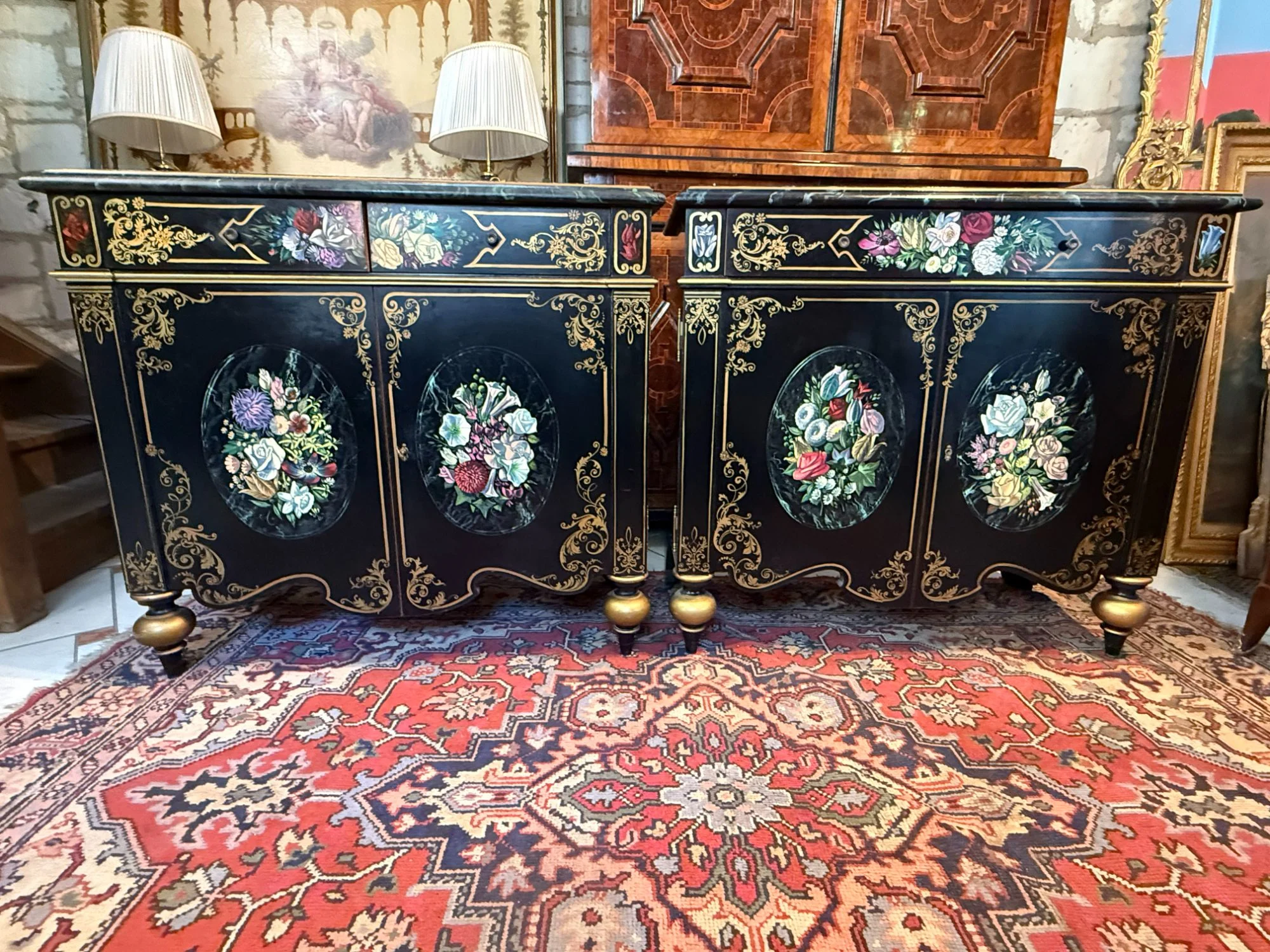
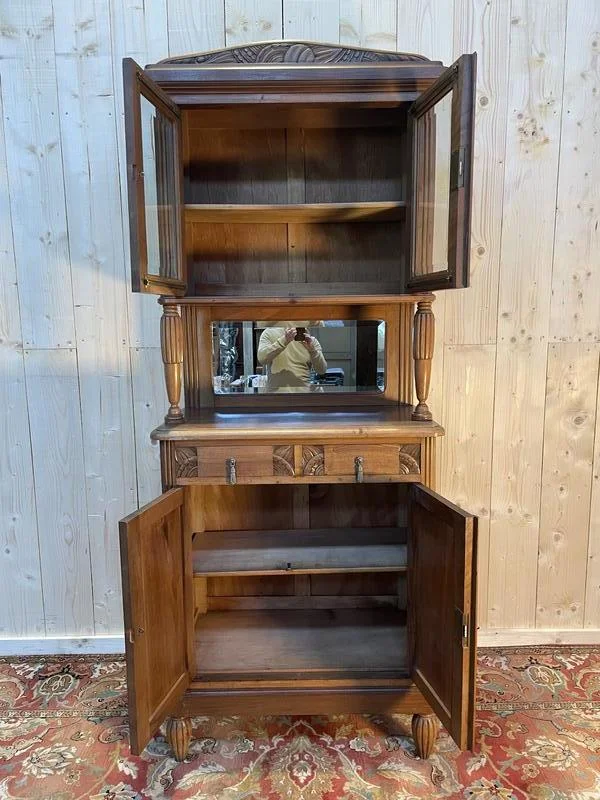
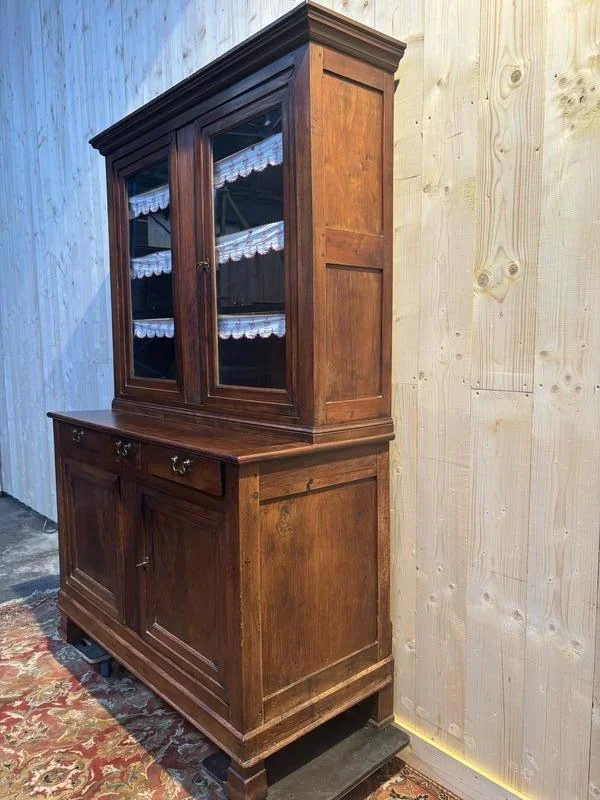
PAIR OF NAPOLEON III STYLE BUFFETS
Romain Lichtensztein — Maignelay-Montigny
1 500,00 €
Good condition
95 objects found
The antique two-part buffet — a lower section of doors or drawers surmounted by a narrower upper body with columns and a carved pediment — stands as one of the most iconic achievements of French furniture-making from the 16th to the 19th century. The most sought-after examples are crafted in solid carved oak, in the Renaissance, Henri II or Louis XIII style, adorned with caryatids, mascarons and lozenge-carved panels. Browse our broader selection of antique buffets and sideboards to widen your search.
95 objects found
Romain Lichtensztein — Maignelay-Montigny

Romain Lichtensztein — Maignelay-Montigny
Antiquites d'Augers en Brie — Augers-en-Brie
Au Réveil Du Temps — Saint-Nabord
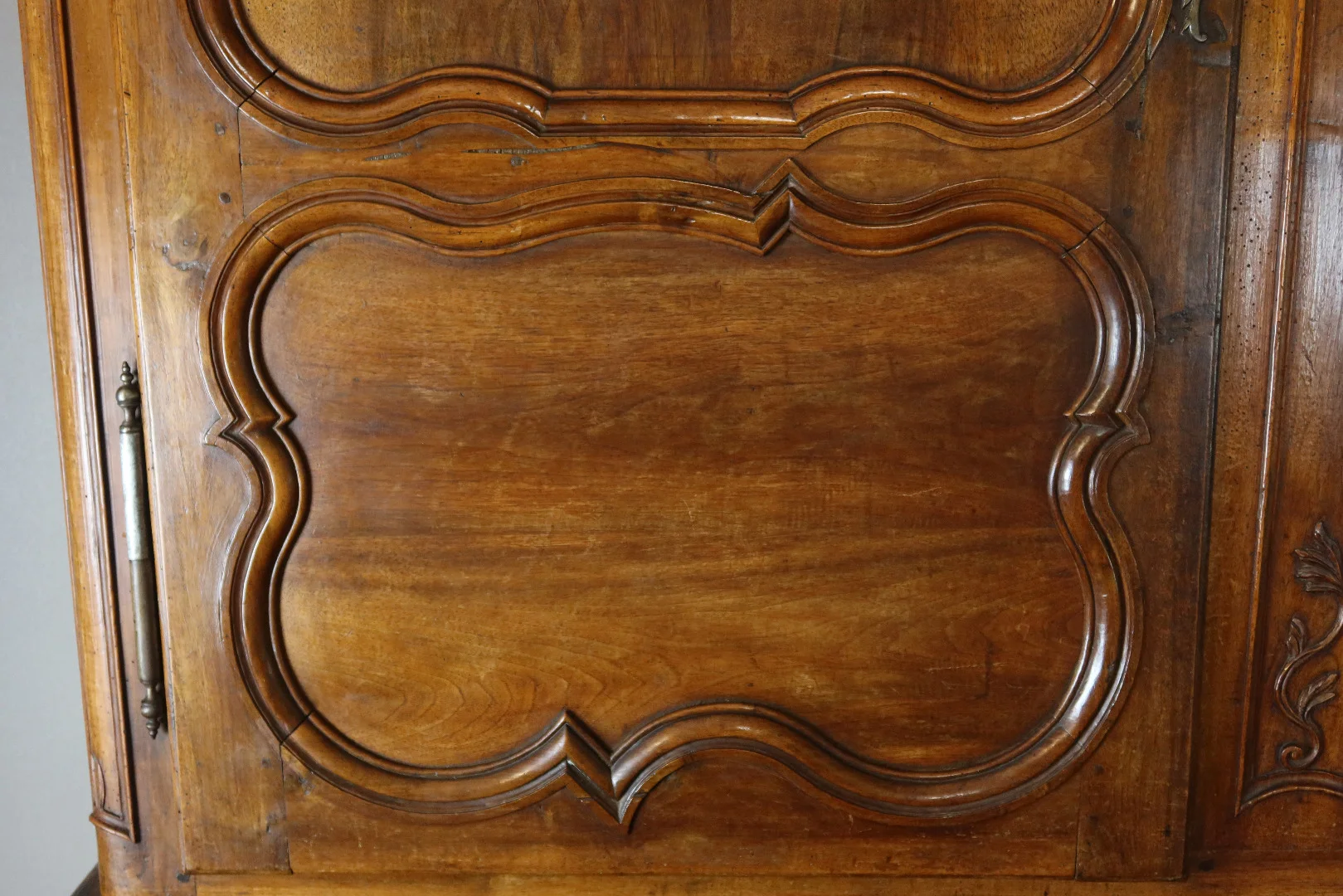
Philippe Cote Antiquites — Chauffailles

Philippe Cote Antiquites — Chauffailles
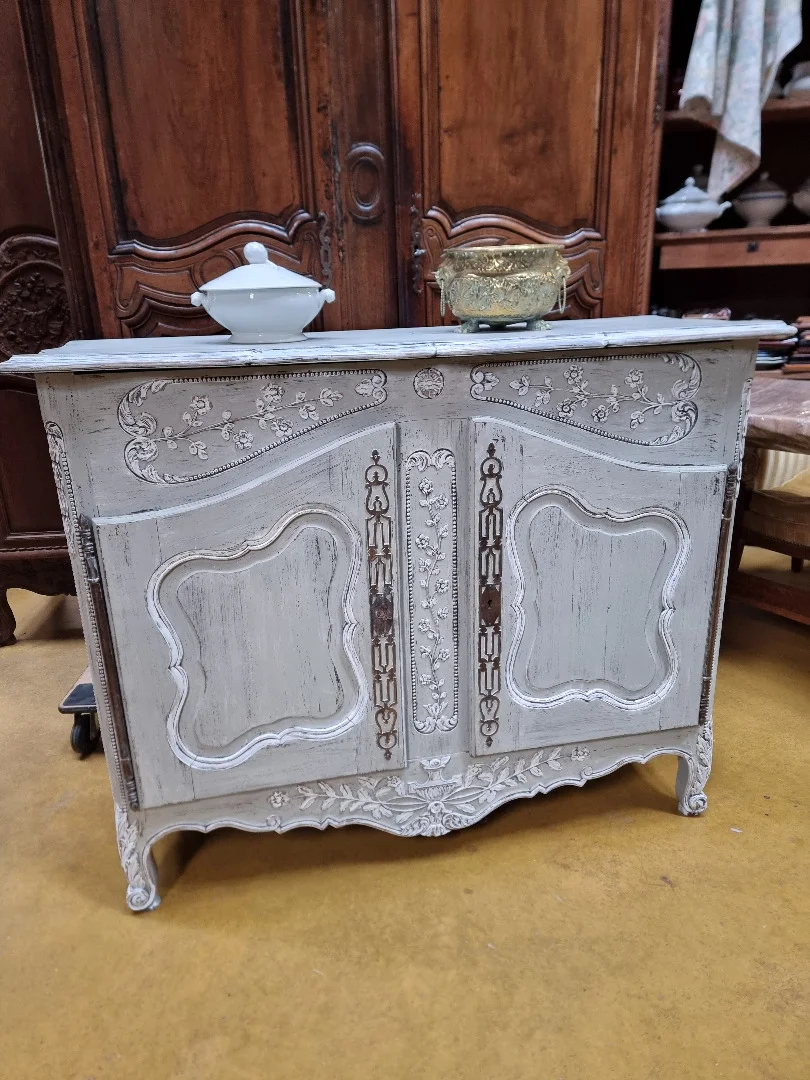
French-antiques.fr — Rouen
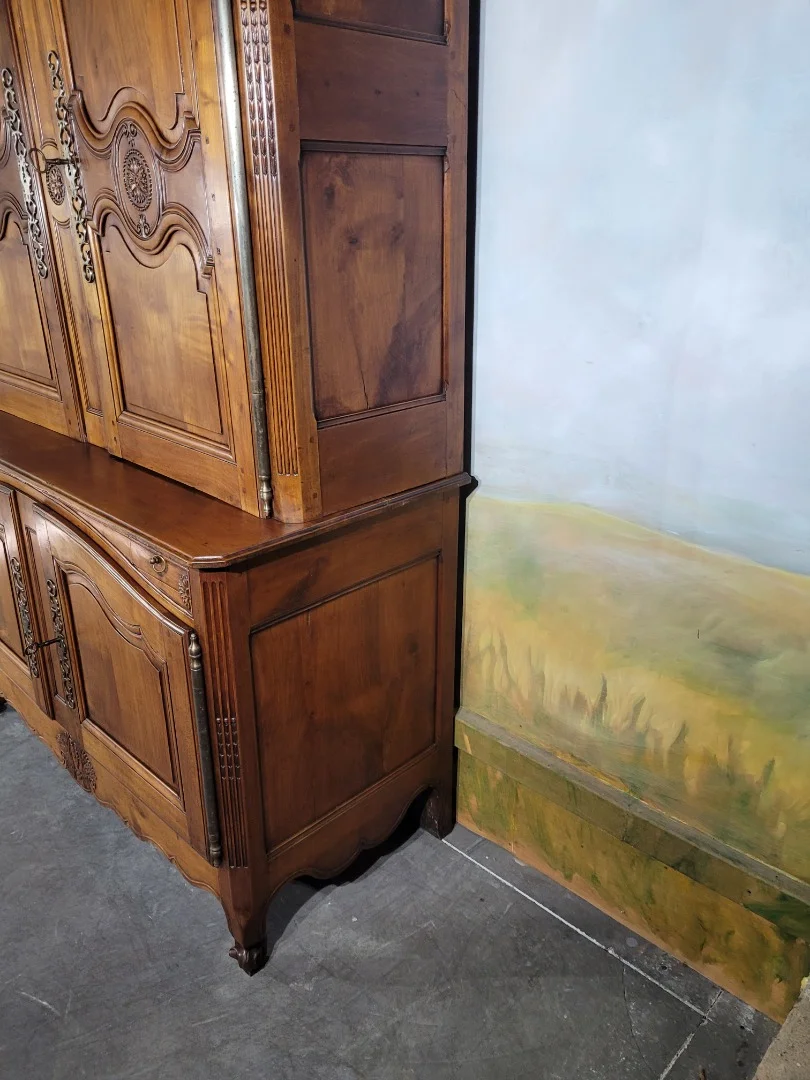
Antiquites d'Augers en Brie — Augers-en-Brie
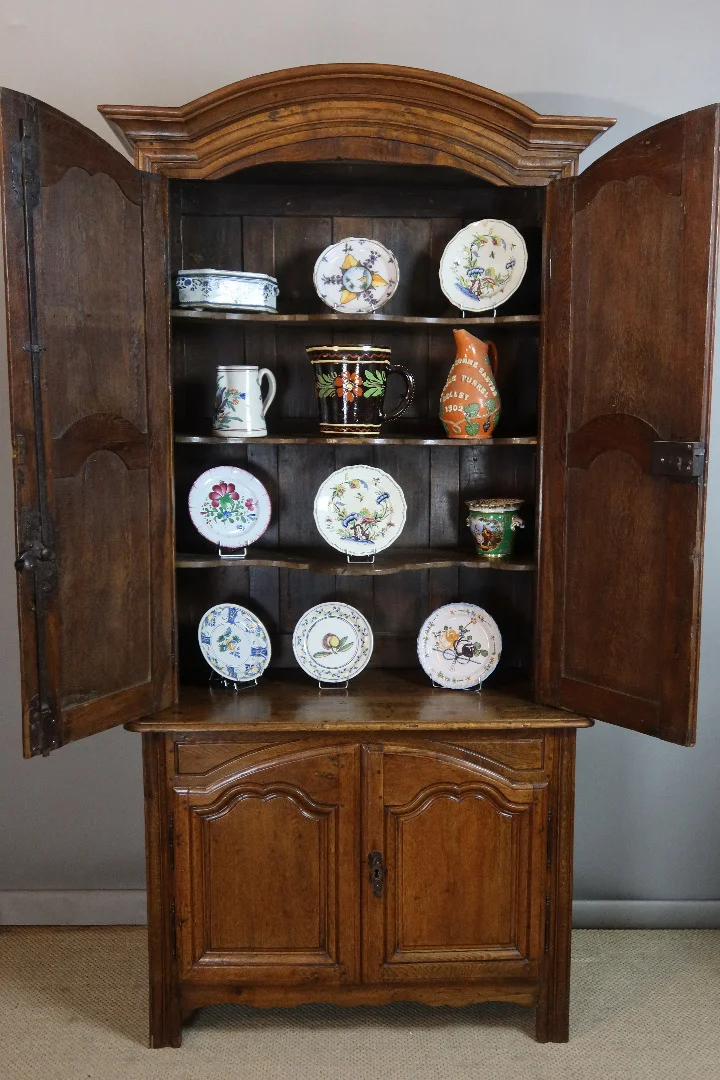
Philippe Cote Antiquites — Chauffailles
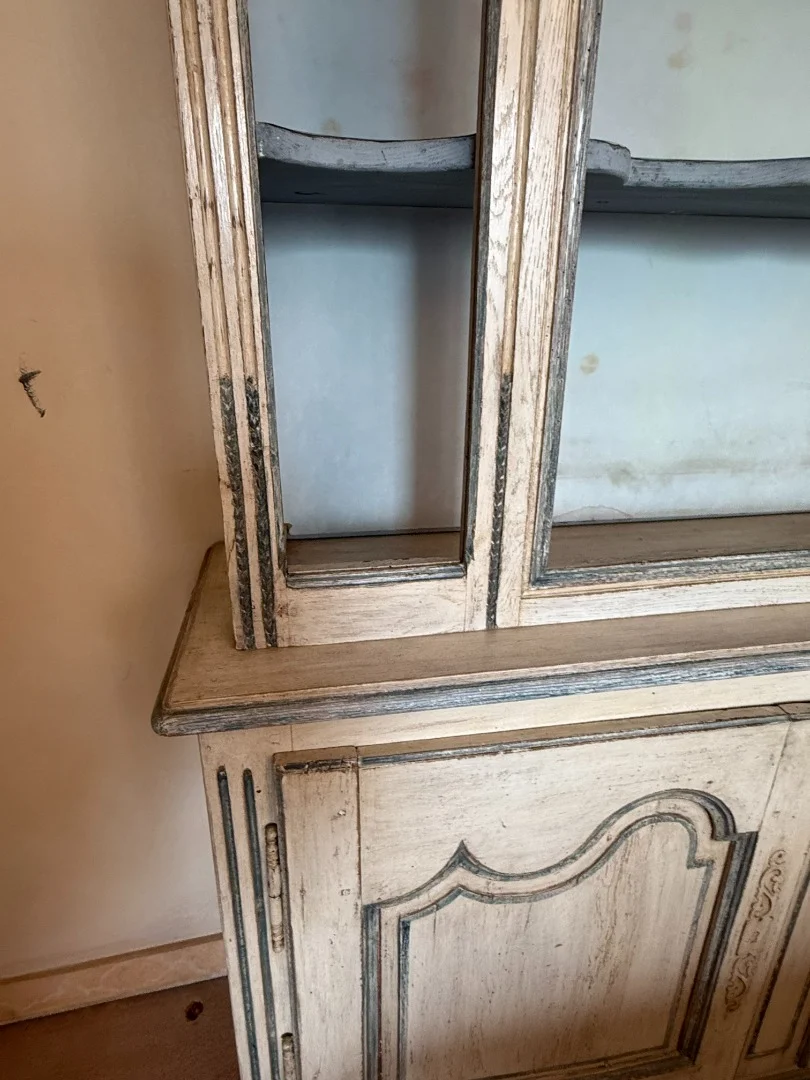
Romain Lichtensztein — Maignelay-Montigny
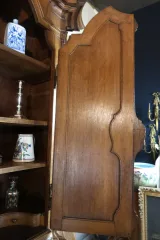
Philippe Cote Antiquites — Chauffailles
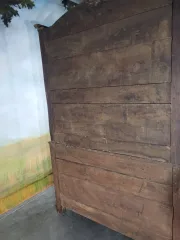
Antiquites d'Augers en Brie — Augers-en-Brie
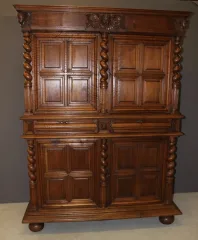
Antiquités Christophe Rochet — Villeurbanne
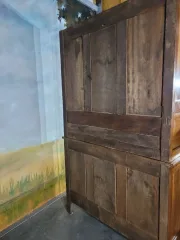
Antiquites d'Augers en Brie — Augers-en-Brie

Antiquités Christophe Rochet — Villeurbanne
L’ESTAMPILLE — Navilly
L’ESTAMPILLE — Navilly
L’ESTAMPILLE — Navilly
Antiquites d'Augers en Brie — Augers-en-Brie
Antiquites d'Augers en Brie — Augers-en-Brie
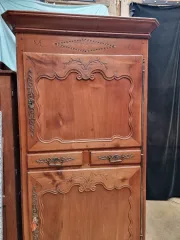
French-antiques.fr — Rouen
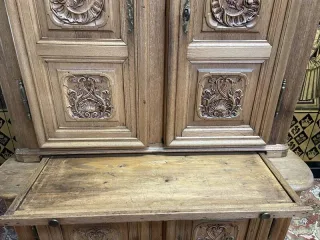
L’ESTAMPILLE — Navilly
L’ESTAMPILLE — Navilly
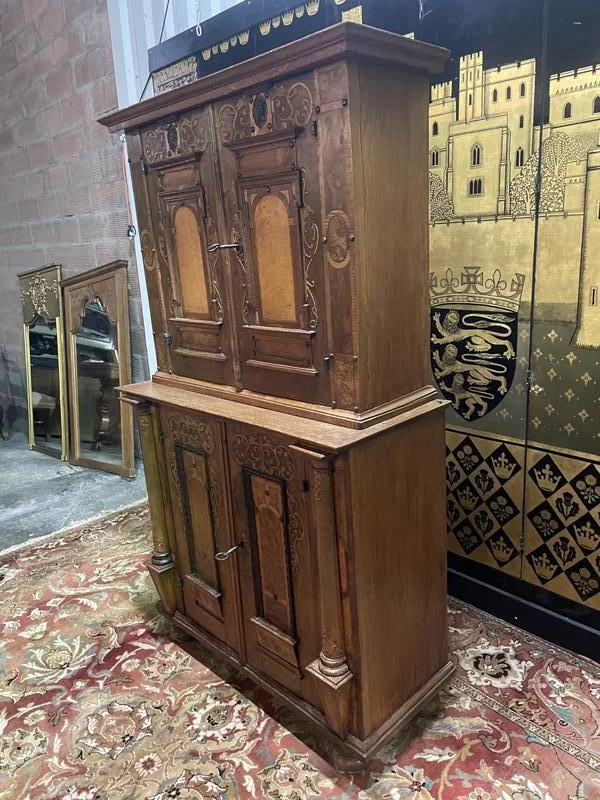
L’ESTAMPILLE — Navilly
Authenticating a genuine antique two-part buffet begins with the construction: mortise-and-tenon joints secured with wooden pegs, floating panels and naturally patinated timber are all hallmarks of period craftsmanship. A Renaissance or Henri II piece typically displays hand-carved low-relief decoration on the stiles and rails — caryatids, terms, mascarons or scrolling foliage — executed with the slight irregularity that only hand tools produce. Be cautious with 19th-century reproductions, which can be highly convincing but tend to betray themselves through the mechanical regularity of their ornament and the absence of natural patina on the back of the panels.
In terms of materials, the solid oak two-part buffet dominates French regional production, though walnut was favoured in Burgundy and Provence, and chestnut in the Périgord and South-West. Always check that the timber on the front and back of the piece is consistent, and examine the ironwork: original hand-forged hinges and latches are a valuable indicator of authenticity. Age-related restorations are perfectly normal on furniture several centuries old; what matters is that they are honestly disclosed and carried out with respect for the piece.
For budget, a good-quality regional antique two-part buffet typically sells for between £700 and £2,500, while an exceptional example with fine carving, documented provenance or a known workshop attribution can exceed £8,000–£12,000. Louis XIII carved two-part buffets of strong regional character remain particularly prized by collectors and interior designers alike.
On Antiquités en France, every piece is offered by a verified professional dealer who can supply detailed photographs, exact dimensions and the history of the piece. You may also find complementary serving furniture in our antique kitchen and household antiques category. Contact the dealer directly with any questions before purchasing — they are there to help.