
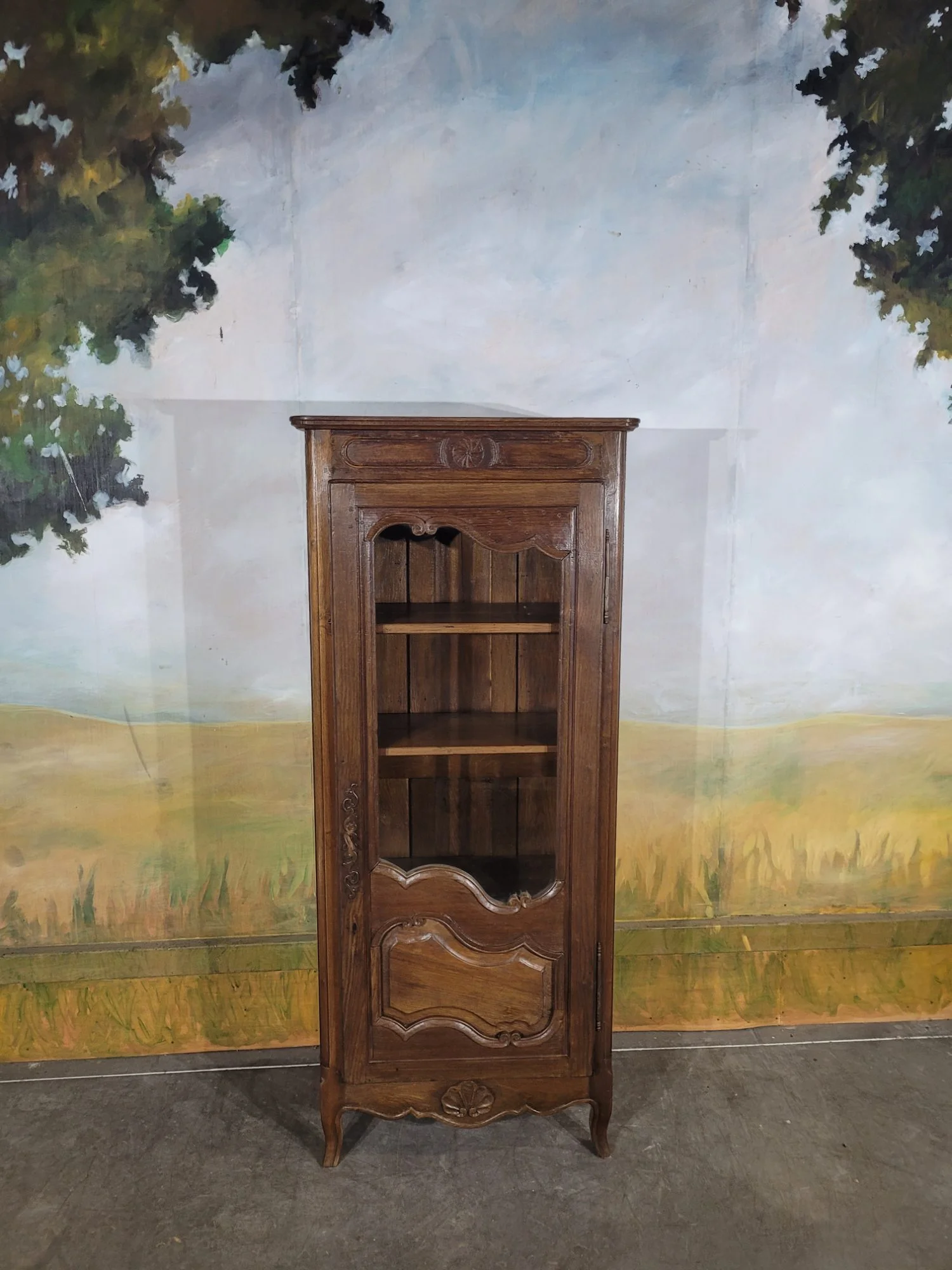
Oak single-door vitrine
Antiquites d'Augers en Brie — Augers-en-Brie
700,00 €
Very good condition
177 objects found
177 objects found
Antiquites d'Augers en Brie — Augers-en-Brie
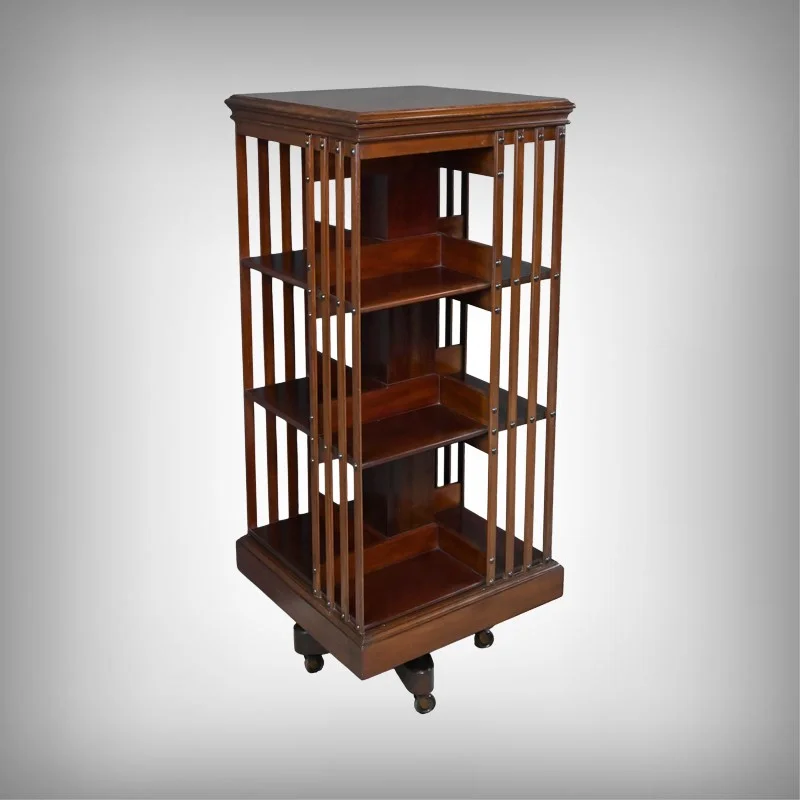
Antiquités Lecomte — Héric
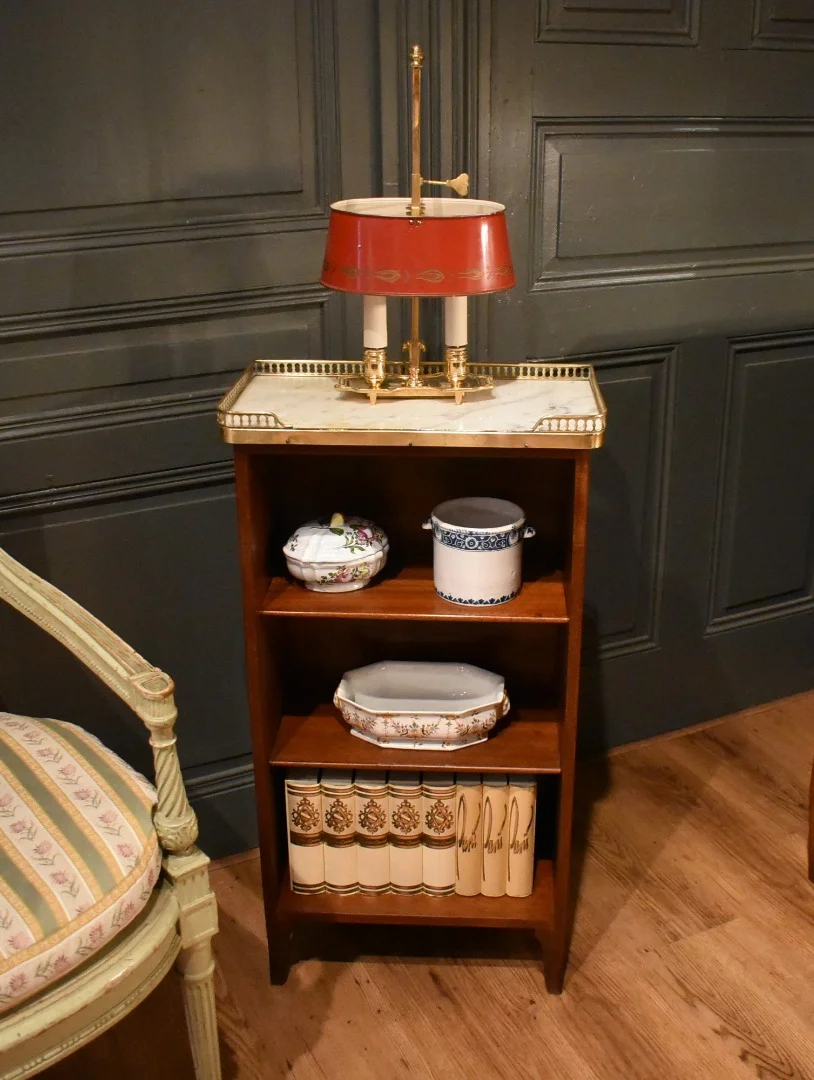
Antiquités Anne Marie Perrier — La Boisse
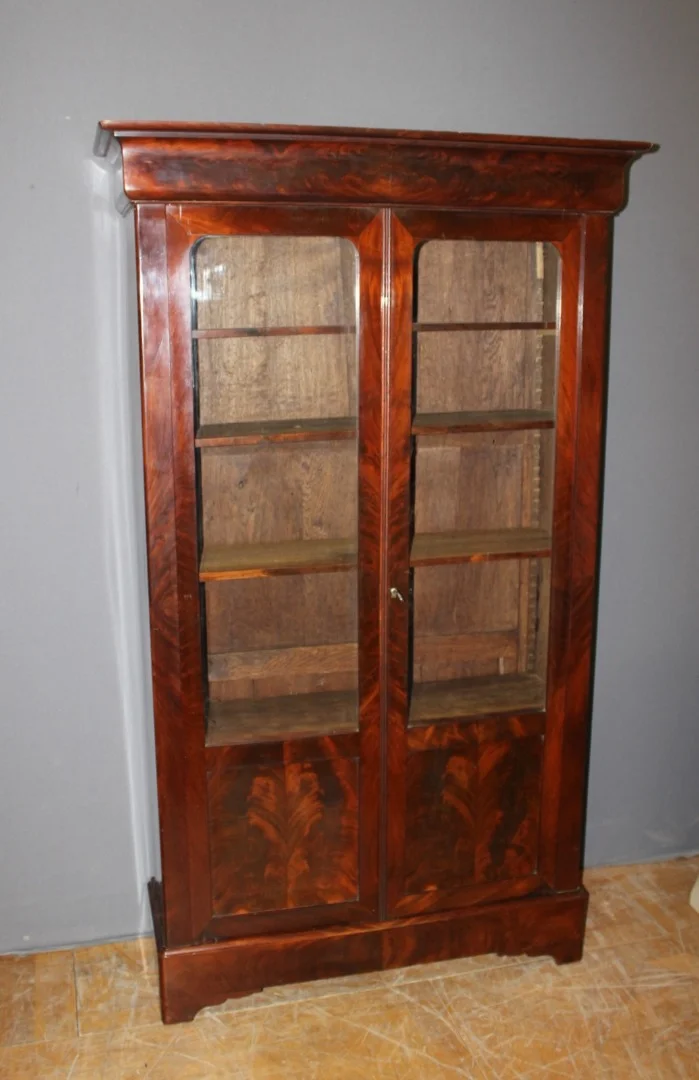
Antiquités Christophe Rochet — Villeurbanne
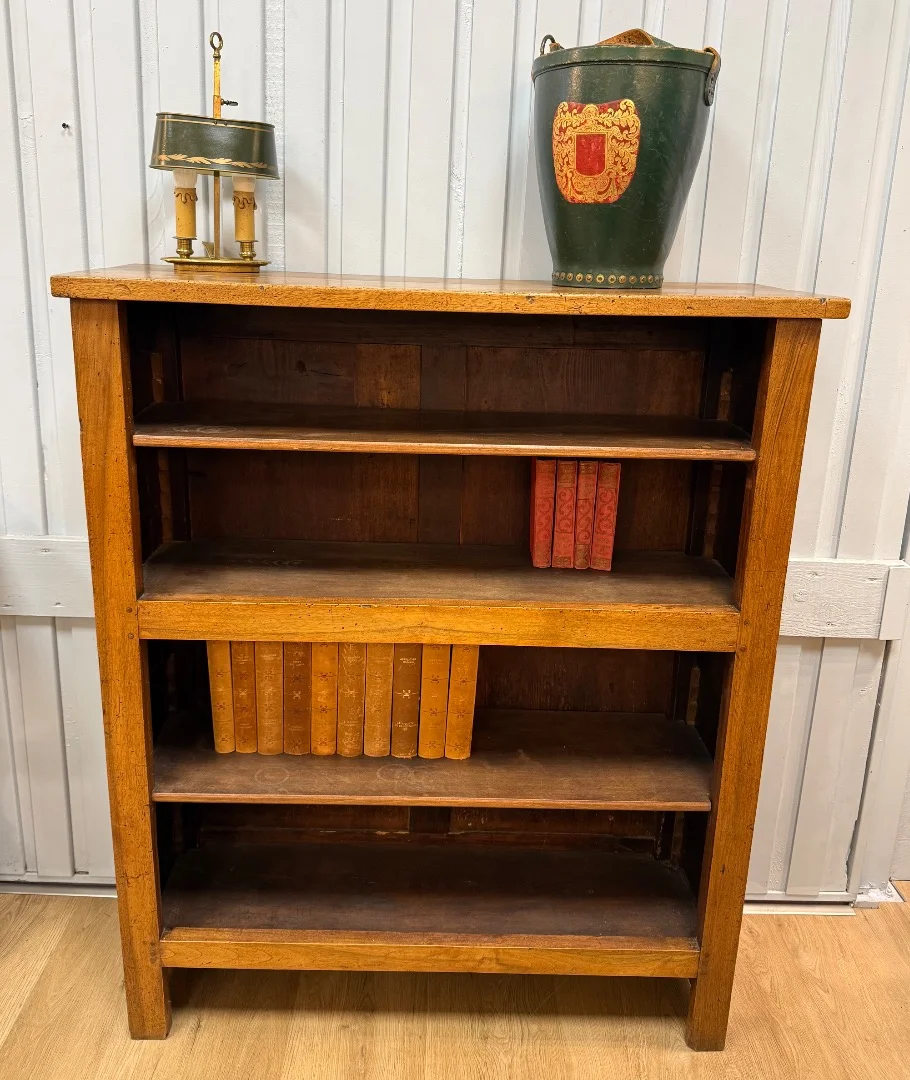
2R Antiquites — Caluire-et-Cuire
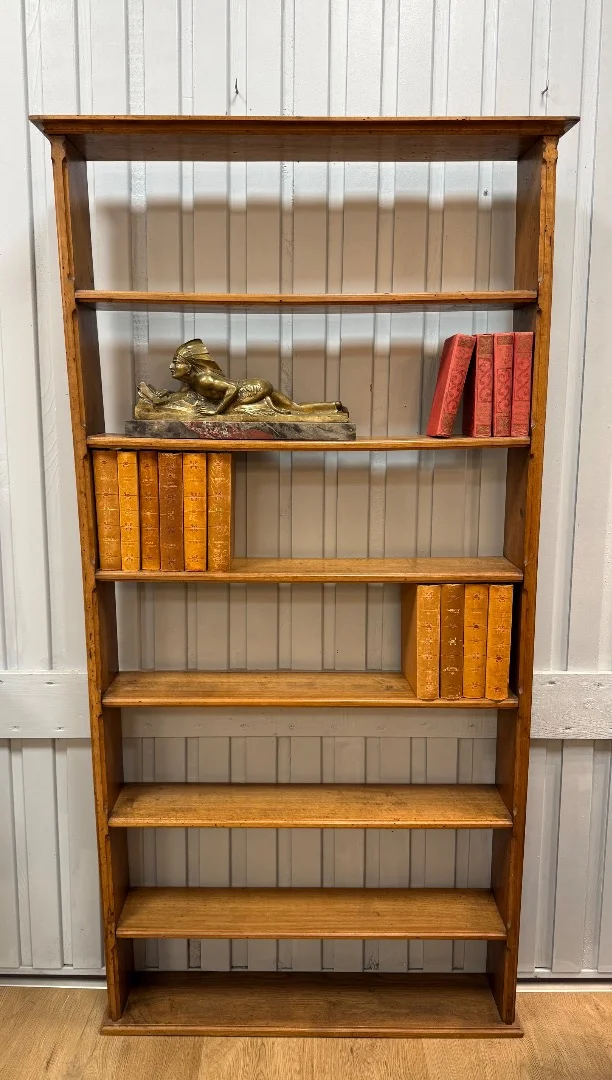
2R Antiquites — Caluire-et-Cuire
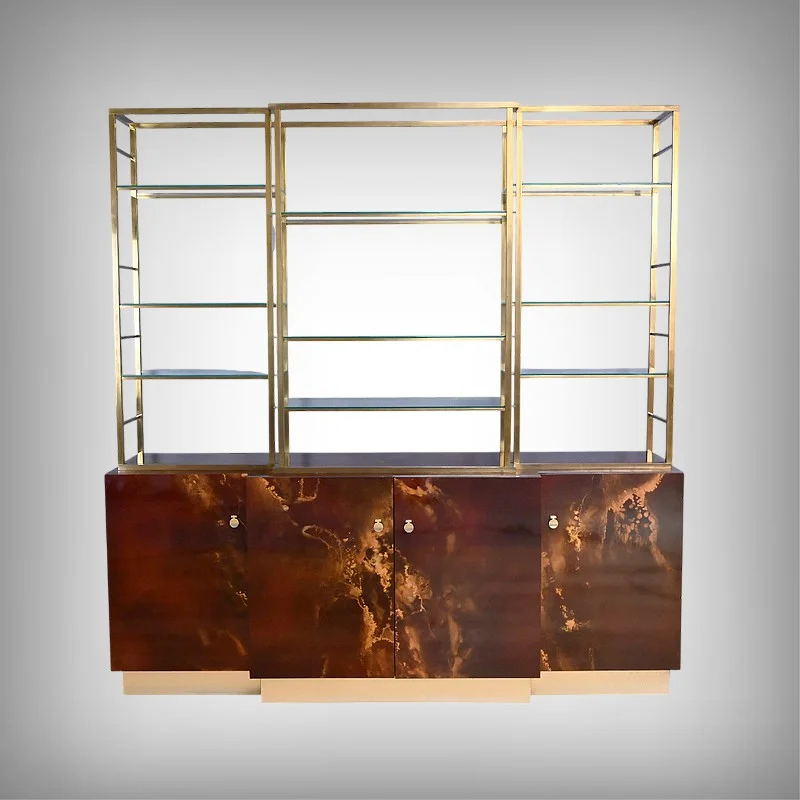
Antiquités Lecomte — Héric

Eric Saget — Paris

Antiquites d'Augers en Brie — Augers-en-Brie
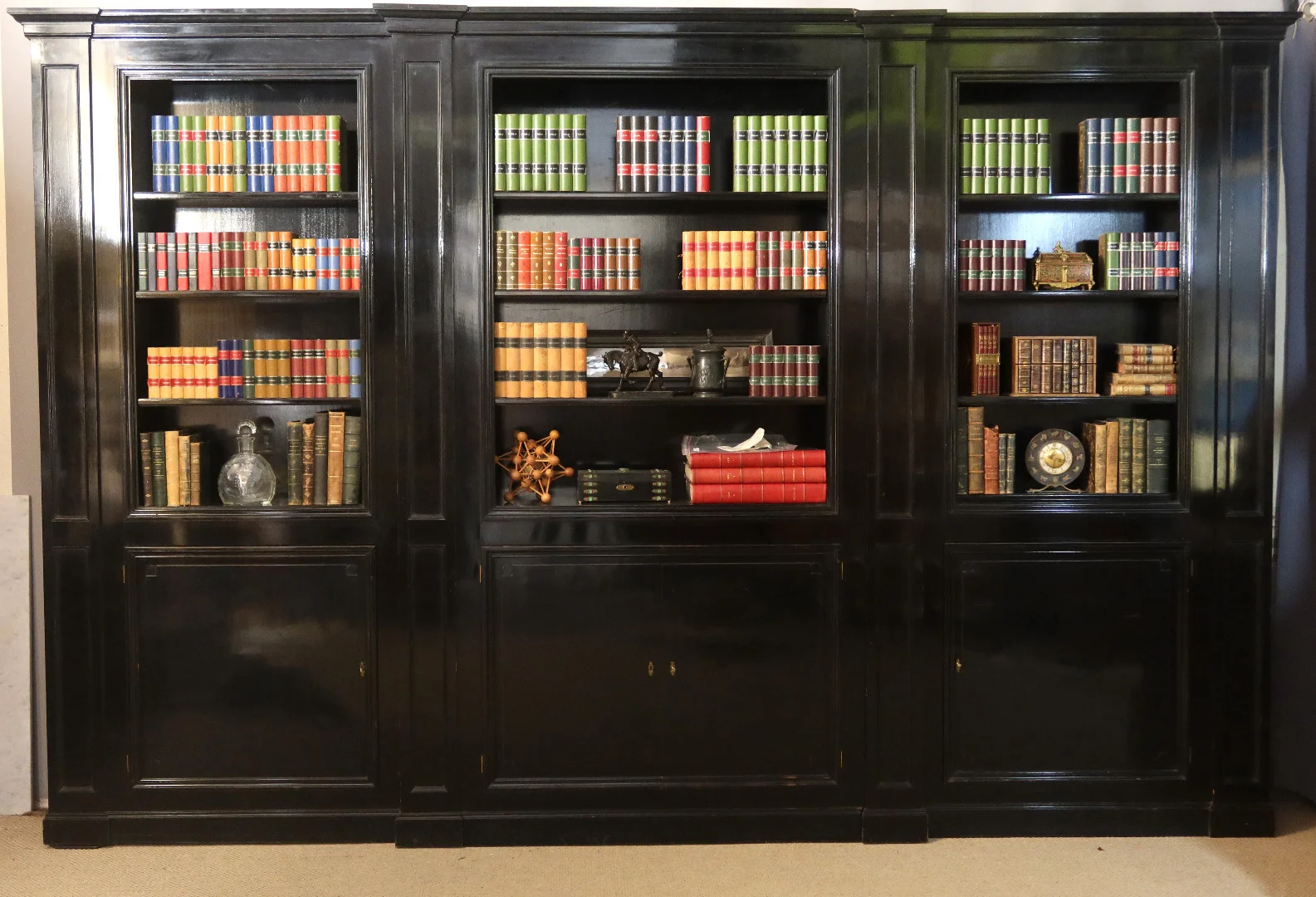
Philippe Cote Antiquites — Chauffailles

2R Antiquites — Caluire-et-Cuire
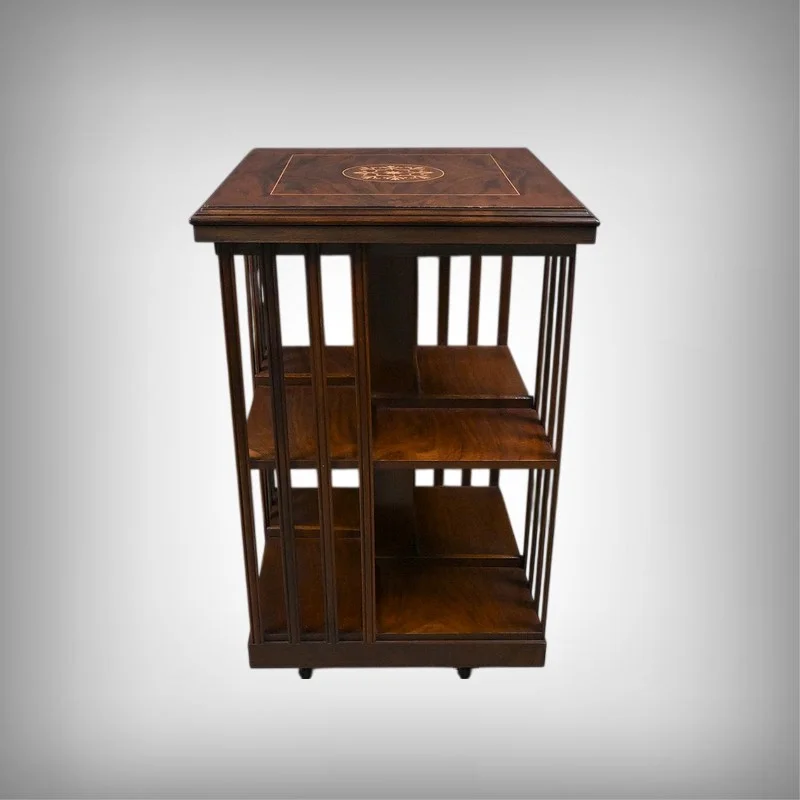
Antiquités Lecomte — Héric
Antiquités Anne Marie Perrier — La Boisse
Antiquités Lecomte — Héric
Antiquités Anne Marie Perrier — La Boisse
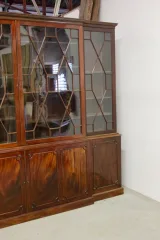
Antiquités Christophe Rochet — Villeurbanne
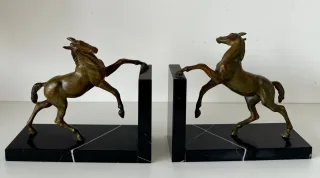
2R Antiquites — Caluire-et-Cuire
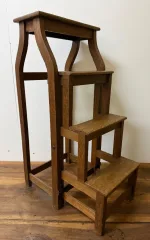
2R Antiquites — Caluire-et-Cuire
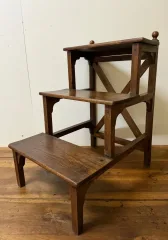
2R Antiquites — Caluire-et-Cuire
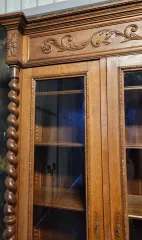
Antiquites d'Augers en Brie — Augers-en-Brie
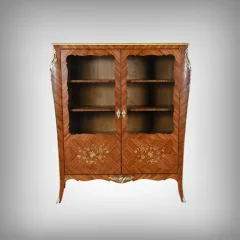
Antiquités Lecomte — Héric

Antiquités Christophe Rochet — Villeurbanne
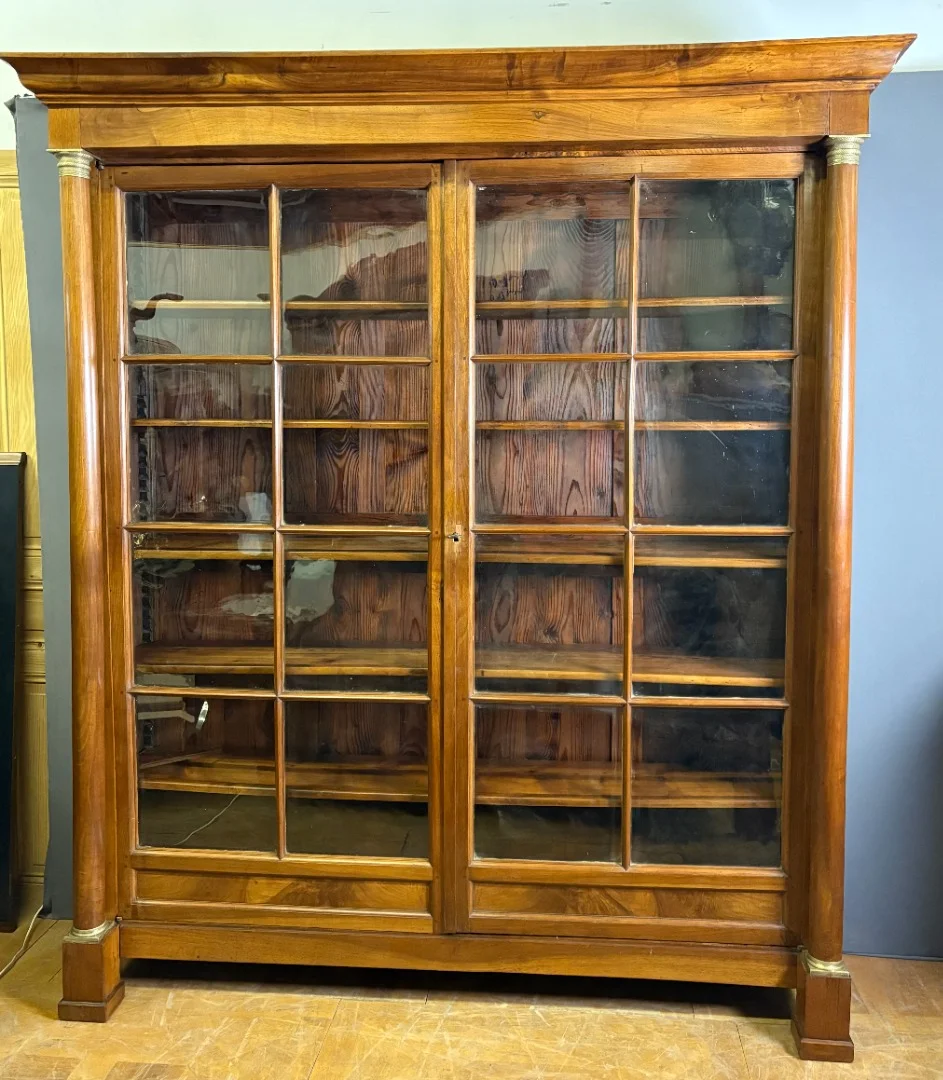
Antiquités Christophe Rochet — Villeurbanne
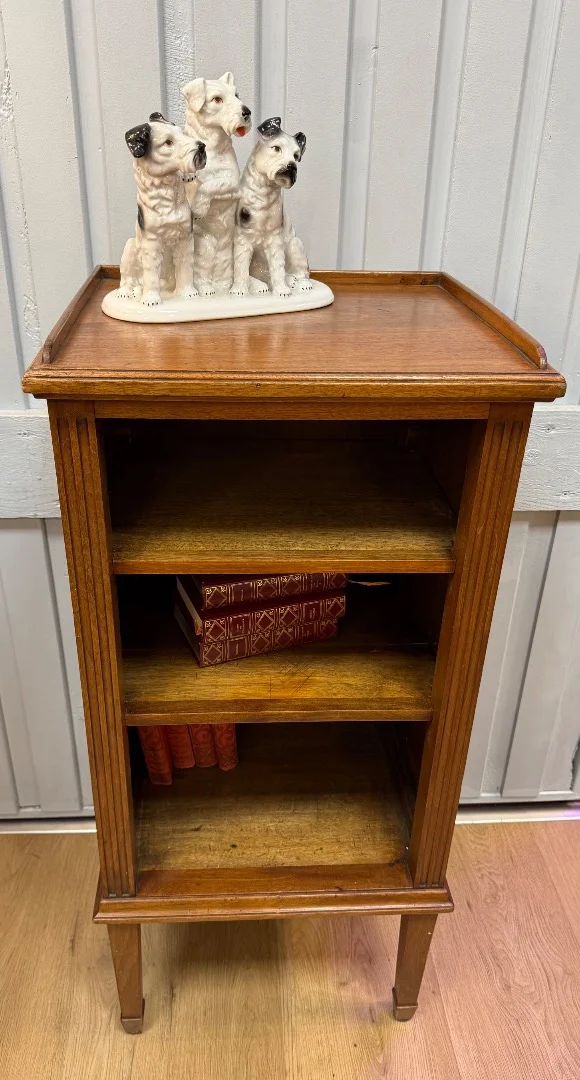
2R Antiquites — Caluire-et-Cuire
Authenticating antique bookcases begins with the construction. Genuine period pieces show mortise-and-tenon joinery, solid-plank backs with slight irregularities, and hand-tool marks on the reverse of panels. A cabinetmaker's stamp — Jacob, Riesener or Boudin for the most celebrated names — or a marchand-mercier seal adds considerably to value. Check the consistency of the timber throughout: a flame-mahogany Empire piece carries a deep, golden patina that later reproductions rarely replicate convincingly.
In terms of style, Empire mahogany bookcases are distinguished by their gilt-capital columns and chiselled bronze friezes. Louis-Philippe models favour walnut and oak with more restrained mouldings, while Napoléon III examples often feature marquetry and abundant bronze mounts. Victorian and Edwardian antique library furniture from Britain tends toward solid oak or mahogany with adjustable shelving and breakfront forms. Learning to read these period codes helps you avoid over-restored pieces or late copies.
Budget-wise, expect to pay from a few hundred pounds for a period-style oak bookcase to several thousand for a stamped, signed piece with its original gilding intact. Key points to inspect: the condition of the glazing, the soundness of the hinges, and the flatness of the shelves. A careful, documented restoration does not diminish a piece; however, poorly matched veneer repairs or paint concealing structural damage should raise immediate concern.
On Antiquités en France, every antique bookcase is offered by a verified professional dealer able to provide detailed photographs, exact dimensions and the provenance history of the piece. Consider pairing your bookcase with antique writing desks to complete a study ensemble, or explore our solid silver objects to enrich your interior further. Contact your chosen dealer directly with any questions before purchasing.