
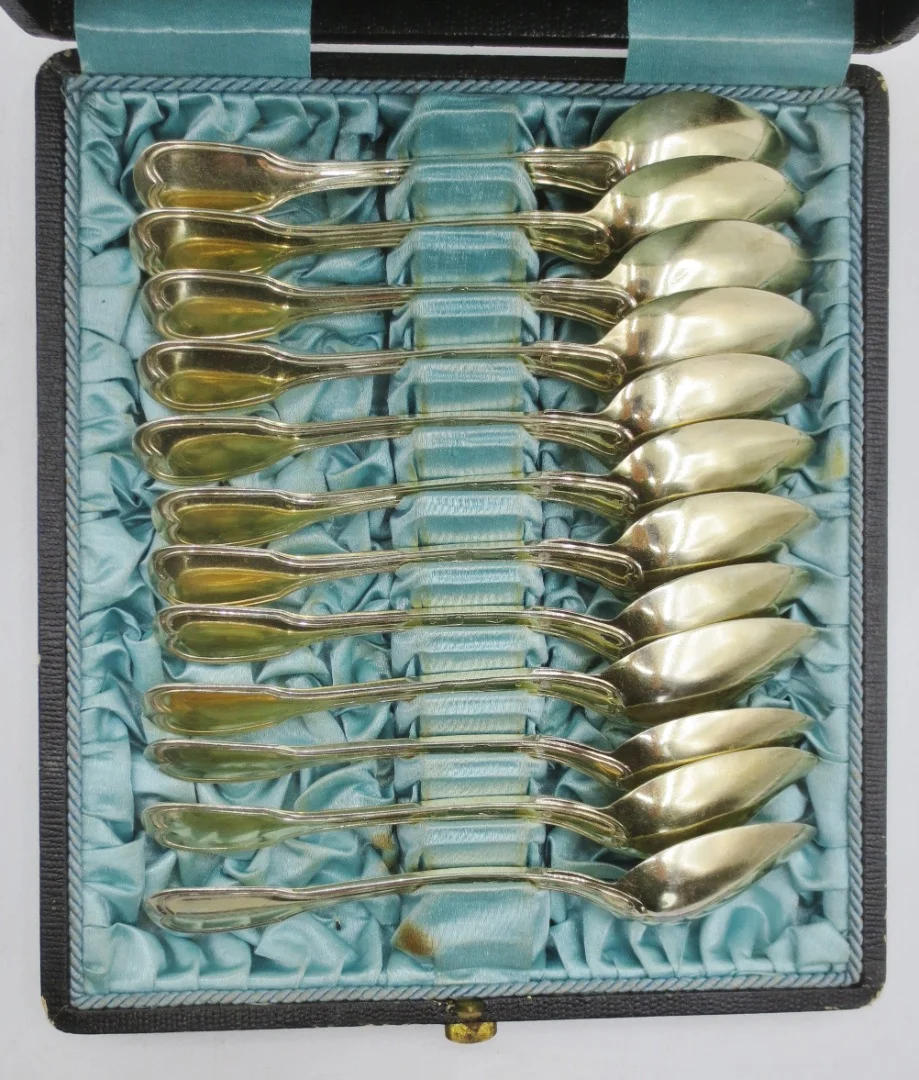
VERMEILLE SPOONS
Anne Besnard — Saint-Ouen
650,00 €
164 objects found
Antique tableware encompasses everything that graced an elegant table from the Renaissance through the mid-20th century: antique porcelain dinner services from Sèvres, Limoges and Meissen, antique sterling silverware, hand-blown glassware and hallmarked flatware. Each piece carries the memory of a bourgeois or aristocratic household and the craftsmanship of a vanished atelier.
Quality reveals itself in the fineness of gilding, the regularity of hand-painted decoration, and the presence of manufacturer's marks or hallmarks on the reverse. A complete service in fine condition is both a collector's object and a genuine pleasure to use at table.
164 objects found
Anne Besnard — Saint-Ouen
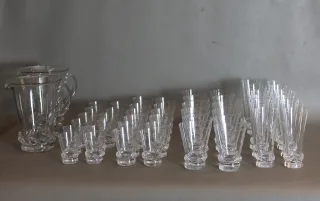
Philippe Cote Antiquites — Chauffailles

Antiquités Lecomte — Héric
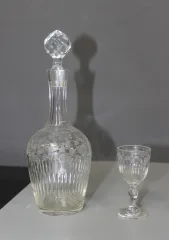
Antiquités Christophe Rochet — Villeurbanne
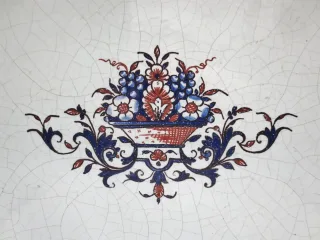
Anne Besnard — Saint-Ouen
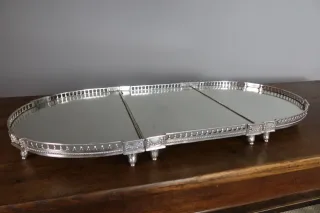
Philippe Cote Antiquites — Chauffailles
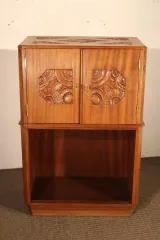
Au Réveil Du Temps — Saint-Nabord
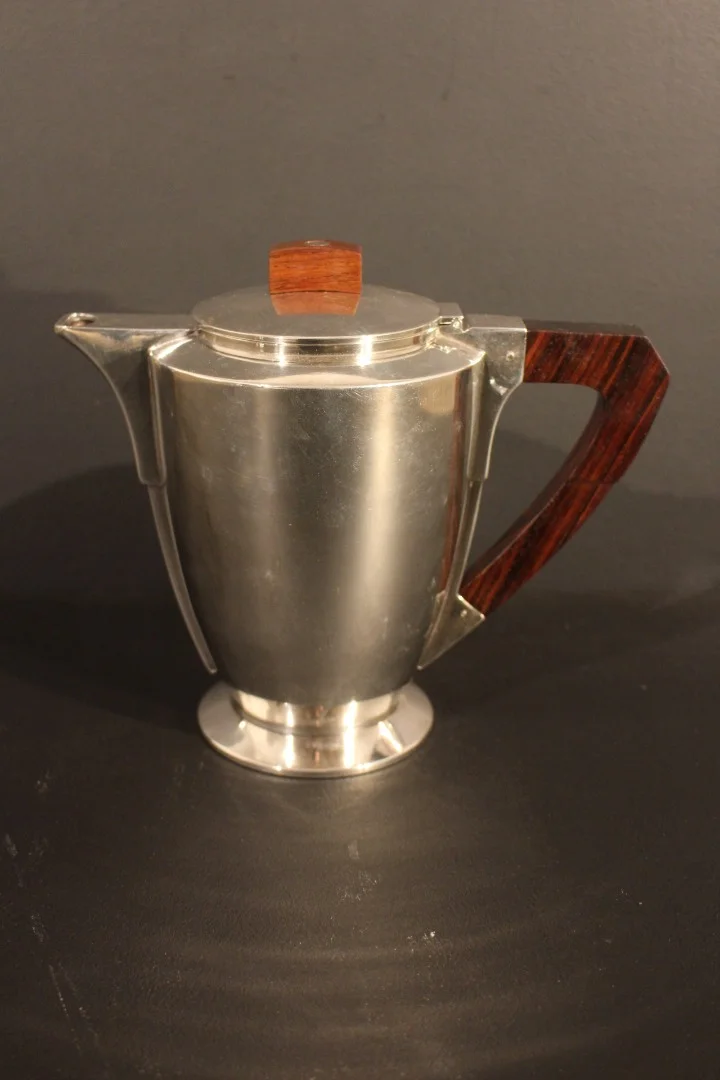
Au Réveil Du Temps — Saint-Nabord
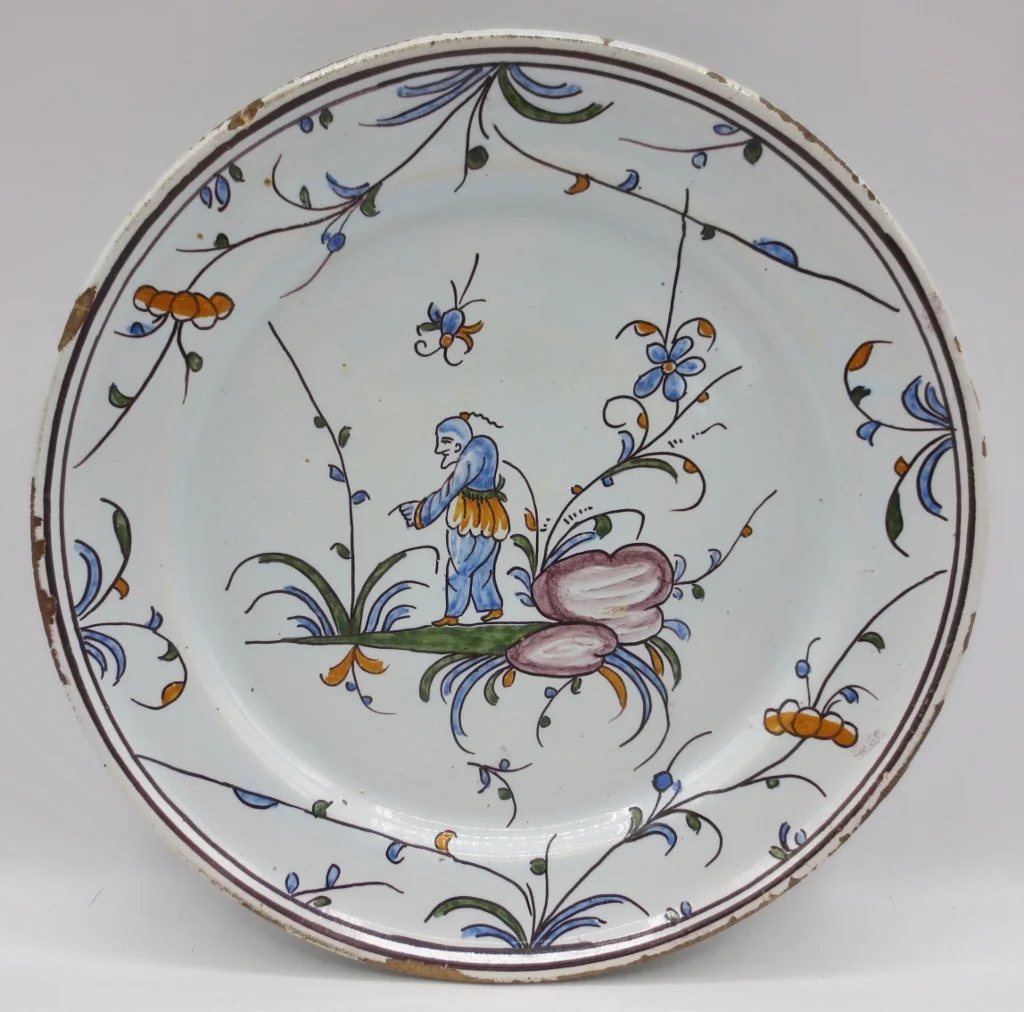
Anne Besnard — Saint-Ouen
A.ABC PASCAL — Saint-Ouen
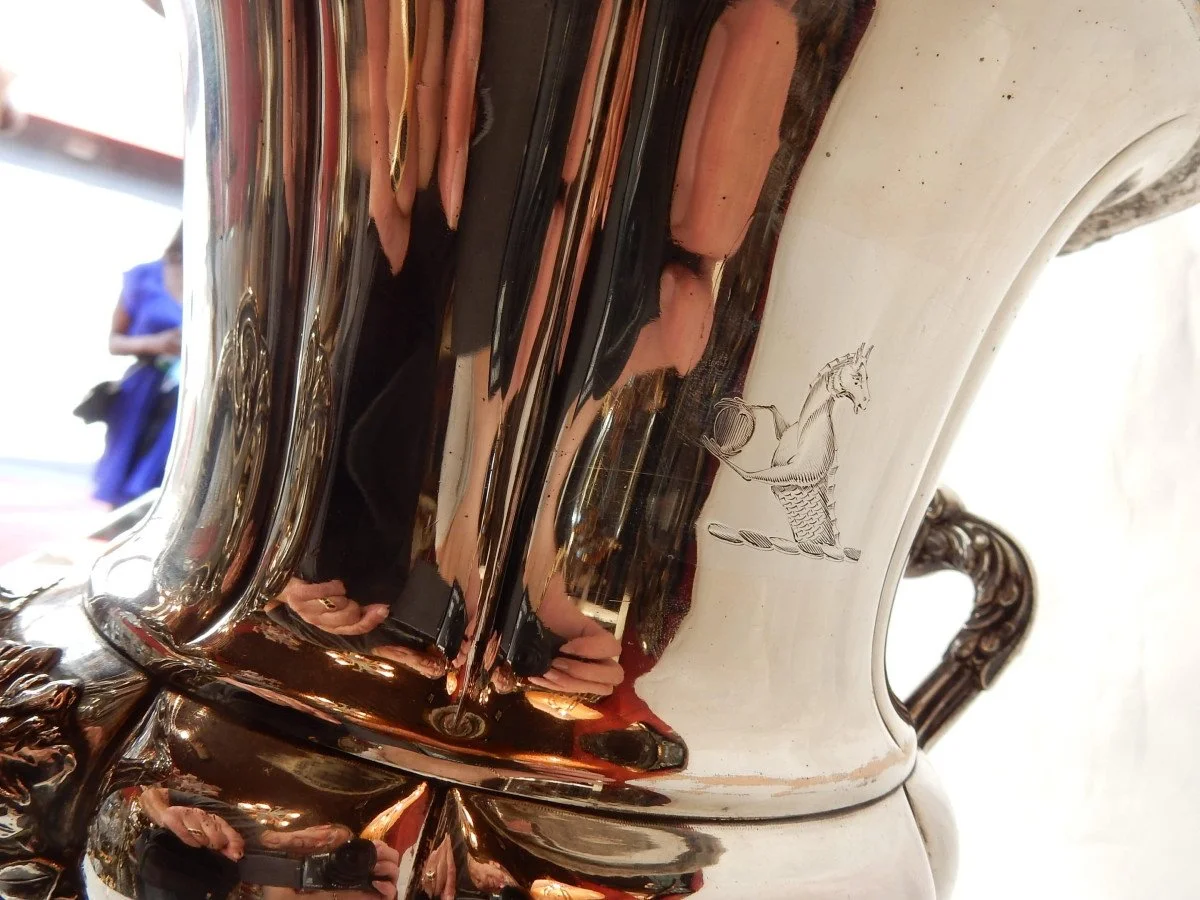
A.ABC PASCAL — Saint-Ouen
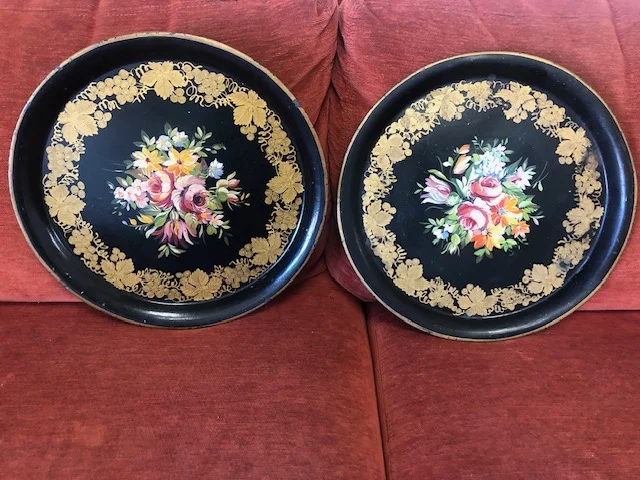
Antiquités Lyonnaises — Villeurbanne
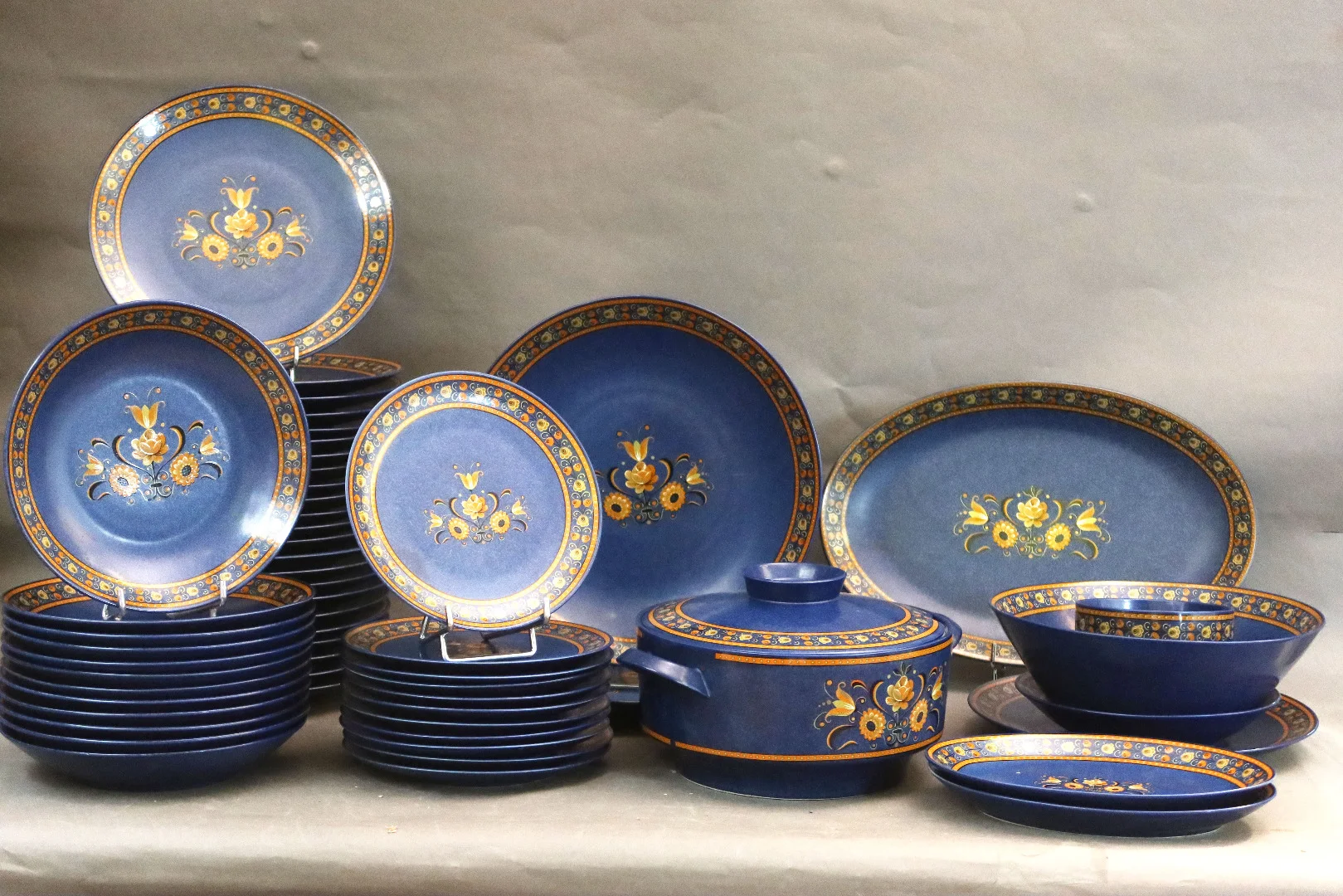
Philippe Cote Antiquites — Chauffailles

Anne Besnard — Saint-Ouen
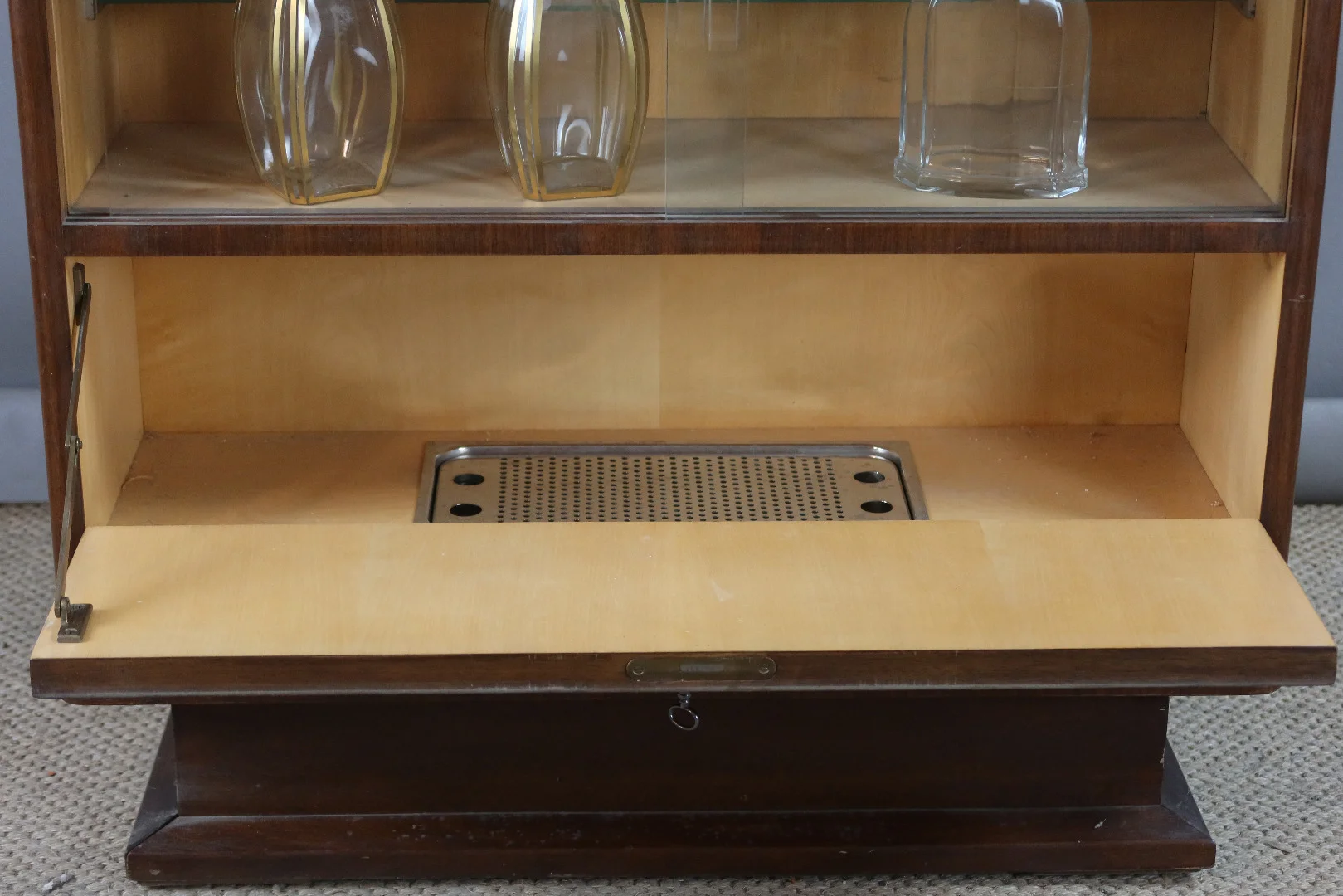
Philippe Cote Antiquites — Chauffailles

Au Réveil Du Temps — Saint-Nabord
Au Réveil Du Temps — Saint-Nabord

Au Réveil Du Temps — Saint-Nabord
Antiquités Lyonnaises — Villeurbanne

Romain Lichtensztein — Maignelay-Montigny
L’ESTAMPILLE — Navilly
Antiquités Lecomte — Héric
Philippe Cote Antiquites — Chauffailles
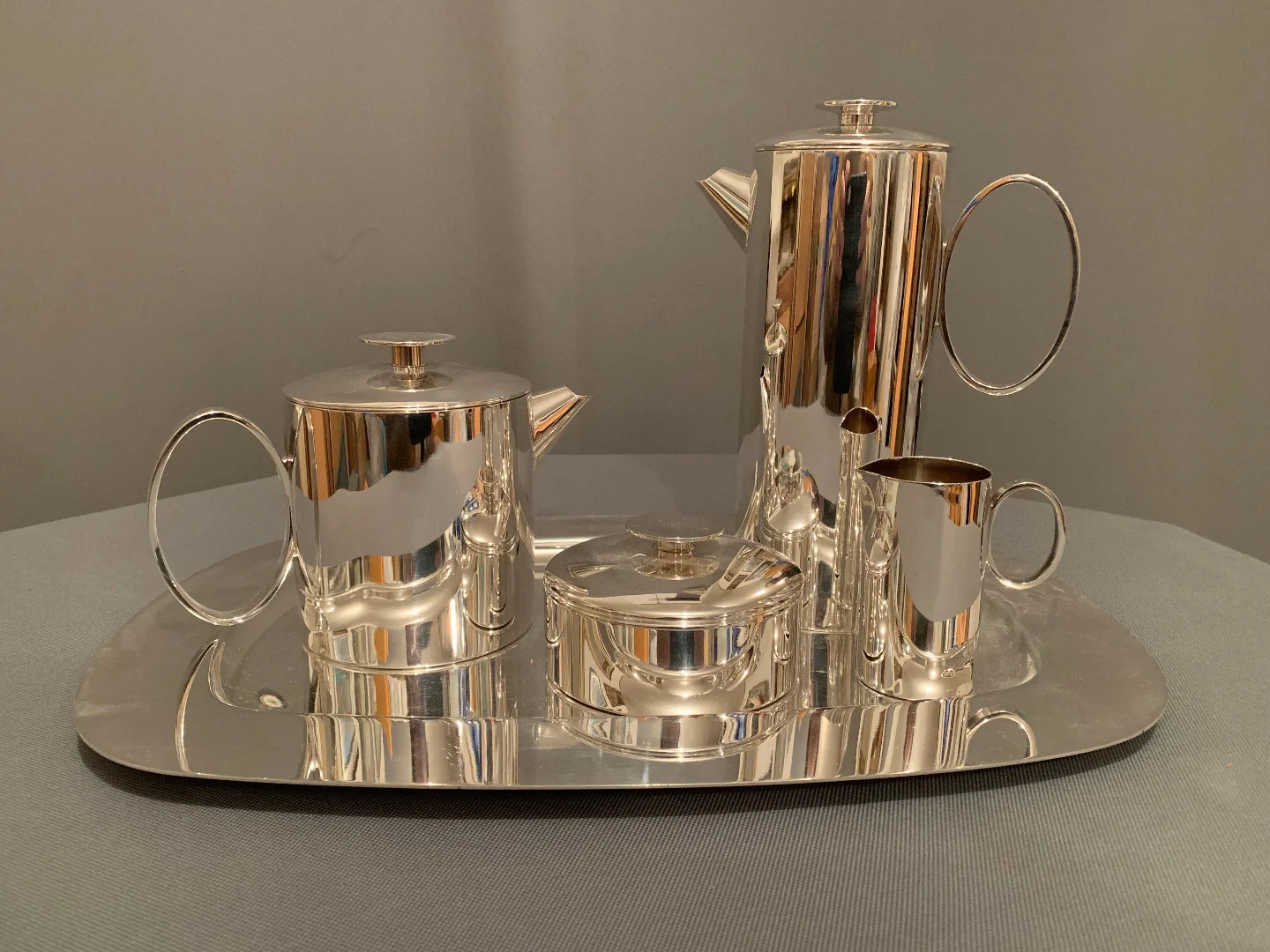
LE SOLEIL ROUGE — Lyon 7e Arrdt
When buying antique tableware, start by identifying the manufacturer or silversmith. On porcelain, turn the piece over and look for the mark: Meissen's crossed swords, Sèvres' interlaced Ls or crowned monogram, and the various Limoges backstamps all allow precise dating and authentication. Marks changed in form and colour over the decades, making them a reliable first reference. On silverware, the British lion passant guarantees sterling standard, while French pieces bear the Minerve hallmark (950 millesimal fineness). Be cautious of silver-plated metal presented without any hallmark as solid silver.
In terms of budget, antique sterling silver flatware ranges from a few tens of pounds for a single piece to several thousand for a complete canteen by a prestigious maker such as Puiforcat, Odiot or Christofle in vermeil. A recognised antique porcelain dinner service typically starts around £300–500 for a partial set and can exceed £5,000 for a complete Sèvres or Meissen service with rare hand-painted decoration. Always check the condition of gilding, run a finger along the reverse to detect hairline cracks, and verify that all pieces share a consistent style and period.
Care is straightforward: wash antique porcelain by hand with a mild detergent — never in a dishwasher or microwave. Store silverware wrapped in anti-tarnish cloth. For antique blown glass and crystal, avoid thermal shock and abrasive cleaners. Consistent, gentle maintenance preserves both the beauty and the long-term value of each piece. You may also wish to explore antique kitchen antiques to build a coherent period interior.
Every piece listed on Antiquités en France is offered by a verified professional antique dealer who can provide detailed photographs, provenance information and a certificate where available. Contact the dealer directly with any questions about condition, dimensions or shipping — the surest way to buy with confidence.