
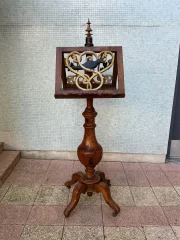
Objet 178186
Eric Saget — Paris
1 200,00 €
127 objects found
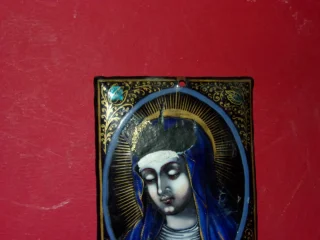
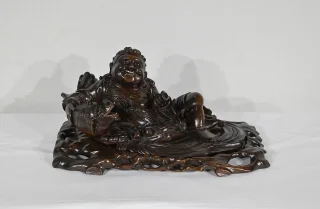
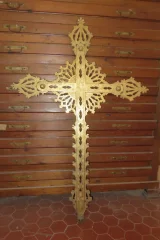
Antique religious art spans centuries of craftsmanship in the service of Christian worship, from Byzantine icon painting to the Baroque workshops of Central Europe. Polychrome wood religious sculptures, Orthodox icons, silver reliquaries, ivory or bronze Christs, Gothic and Renaissance Madonnas — each piece embodies exceptional artisanal skill and a spirituality made tangible in material form. Quality of execution, age and documented provenance are the primary criteria to assess.
On Antiquités en France, these works are offered by specialist dealers who stand behind their authenticity, alongside other fine art and works of art from all periods.
127 objects found
Eric Saget — Paris

Antiquités Christophe Rochet — Villeurbanne
Sarl Cave — Limoges
Sarl Cave — Limoges
Sarl Cave — Limoges
Sarl Cave — Limoges
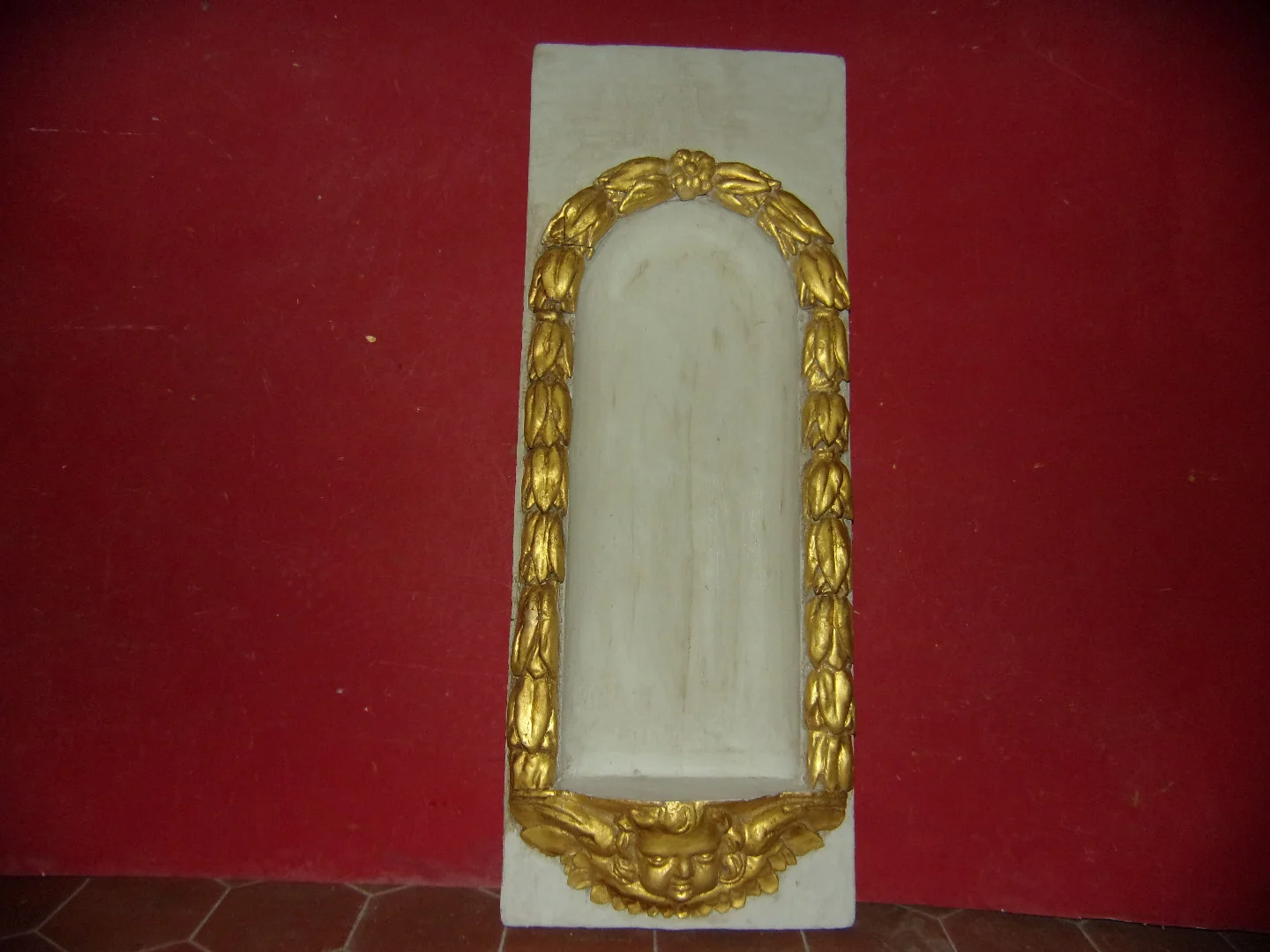
Sarl Cave — Limoges
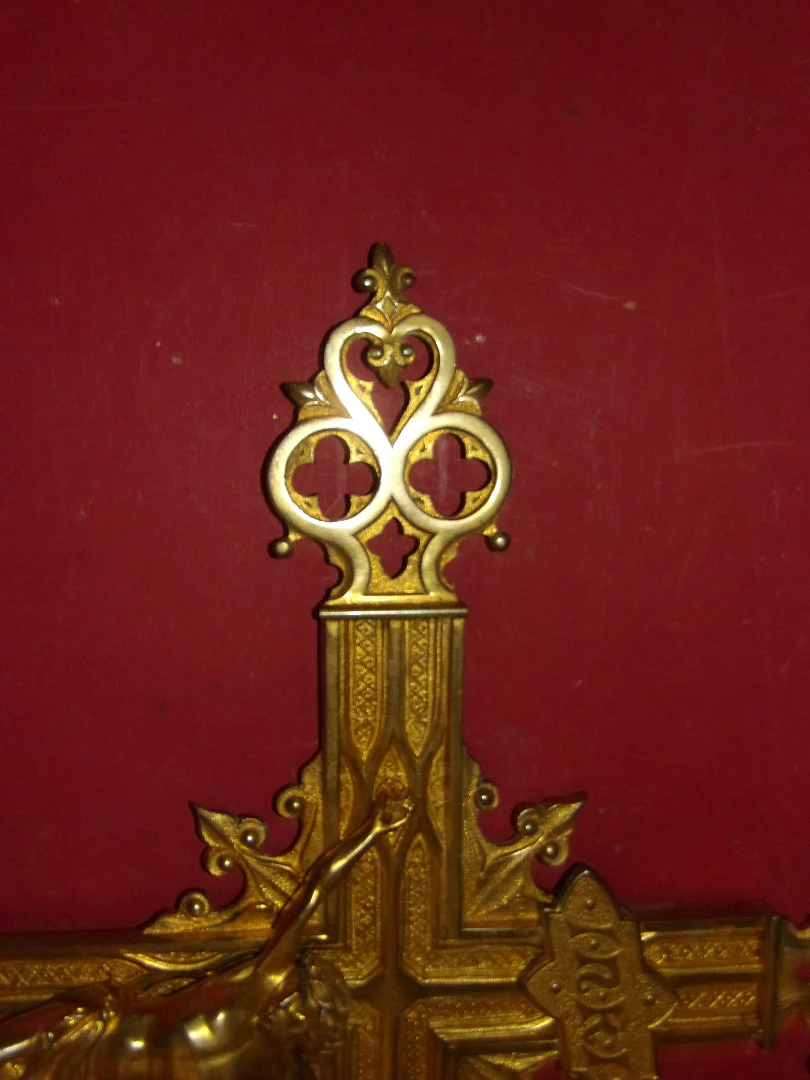
Sarl Cave — Limoges
Galerie Lauretta — Mandelieu-la-Napoule
Sarl Cave — Limoges
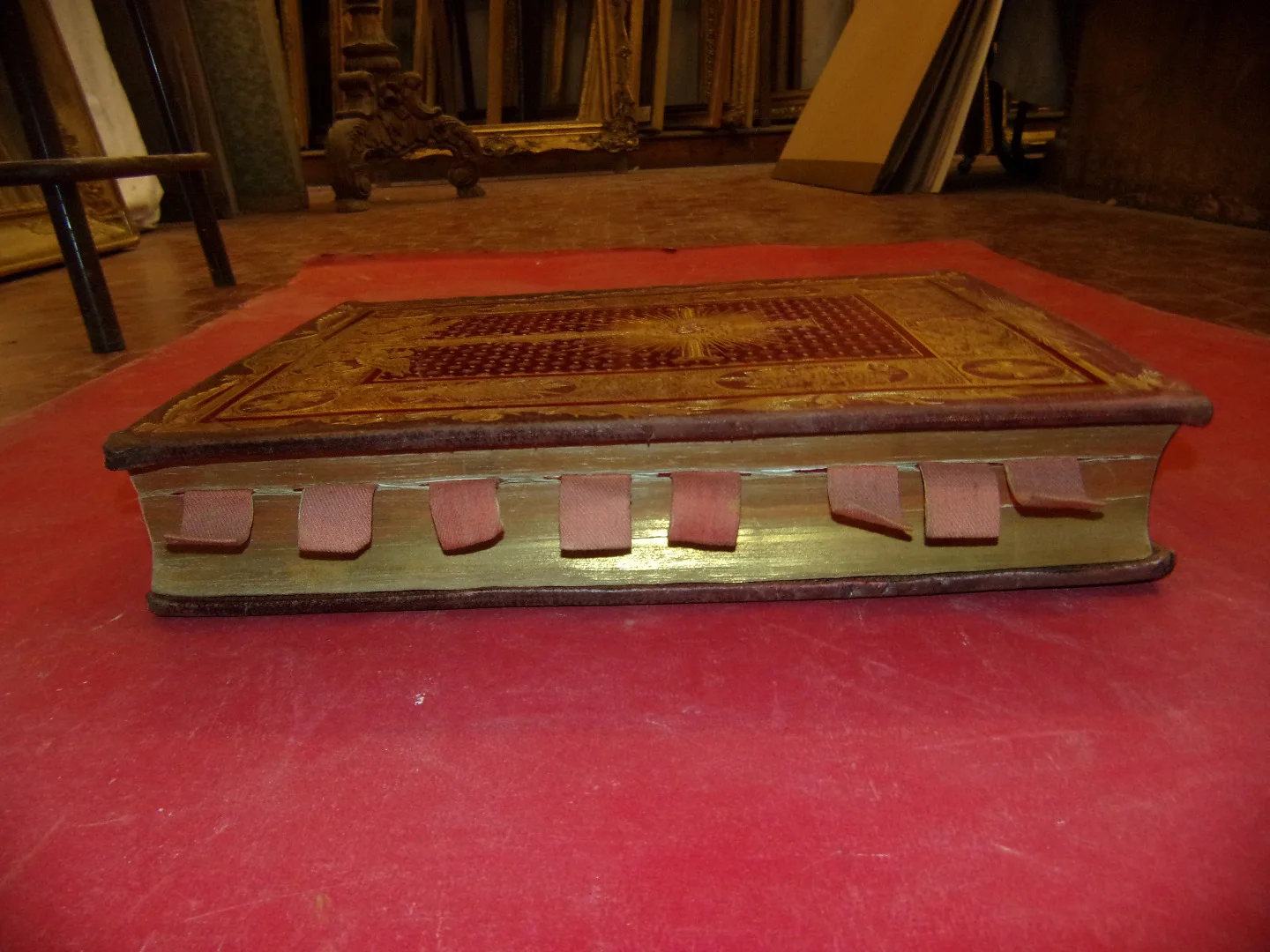
Sarl Cave — Limoges
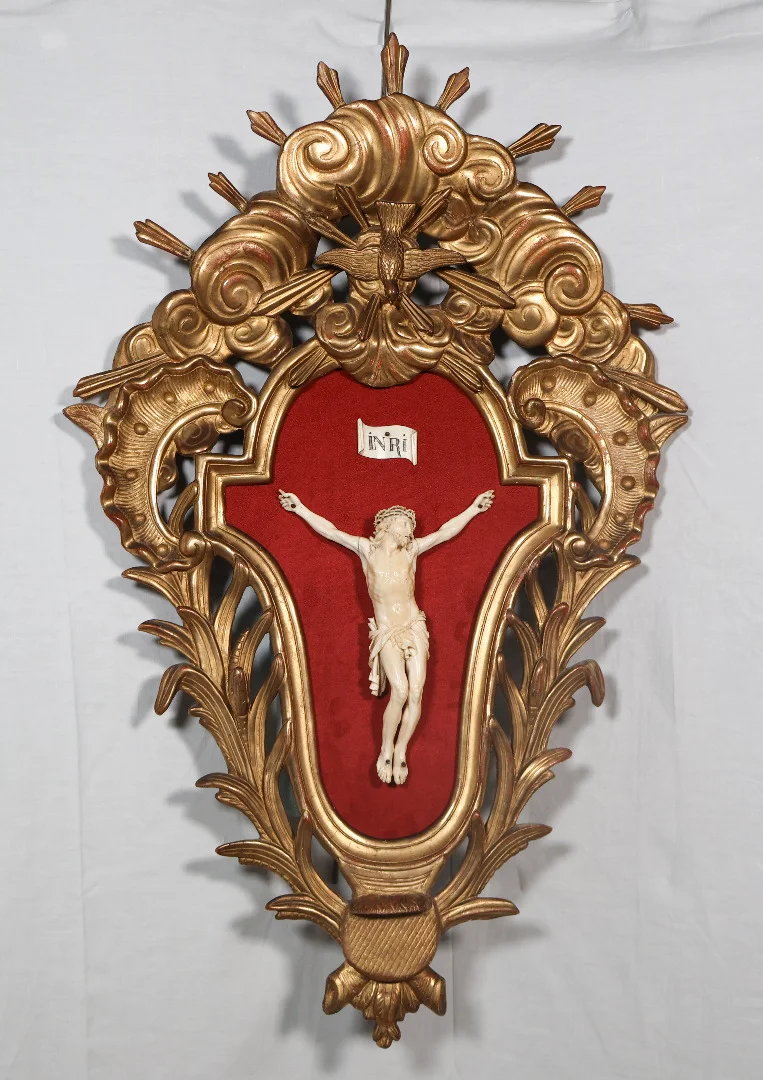
Galerie Lauretta — Mandelieu-la-Napoule
Sarl Cave — Limoges

Antiquités Lecomte — Héric
Sarl Cave — Limoges
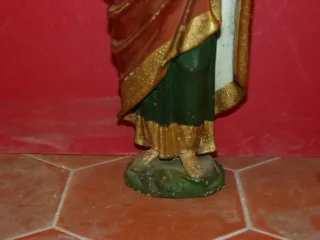
Sarl Cave — Limoges
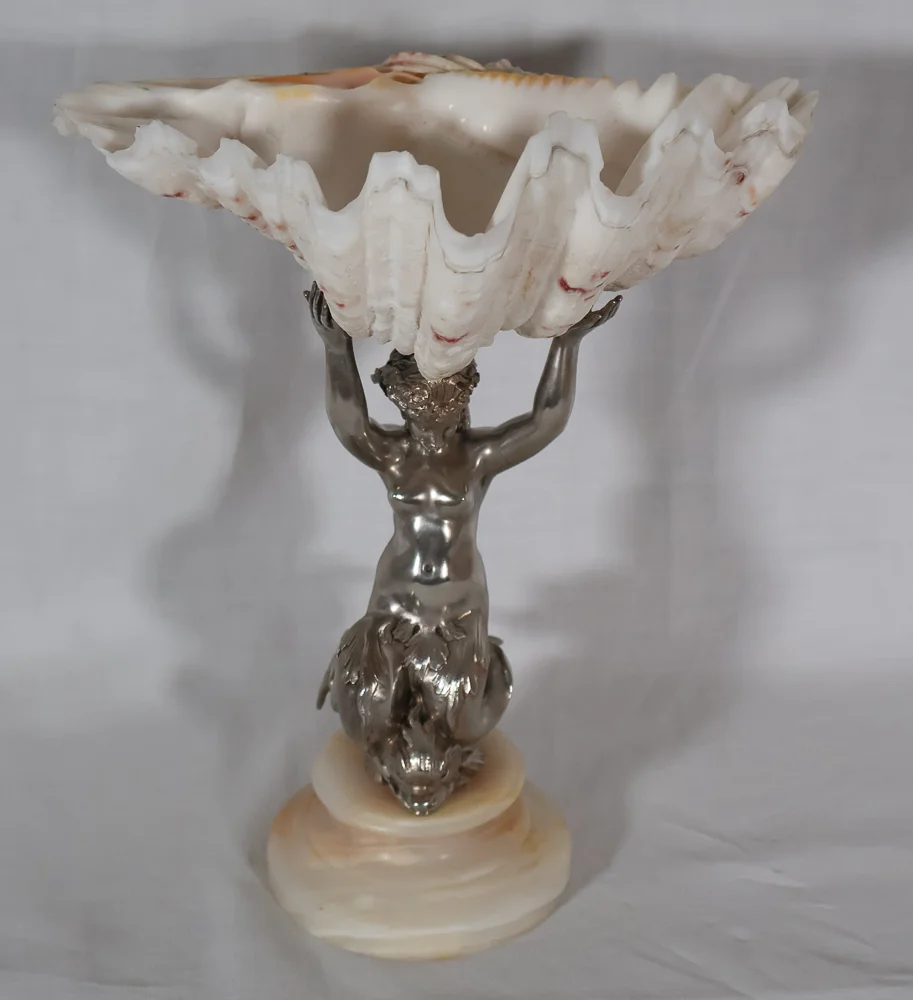
Galerie Lauretta — Mandelieu-la-Napoule

Sarl Cave — Limoges
Antiquités "Le Vieux Matos" L.V.M — La Chapelle-Saint-Martin-en-Plaine
Sarl Cave — Limoges
Sarl Cave — Limoges

Antiquités Lecomte — Héric
Antiquités Lecomte — Héric
Sarl Cave — Limoges
Authenticating a genuine piece of antique religious art requires examining several telling details. For polychrome wood carvings, study the original paint layer closely: later repaints typically show an overly smooth surface and unnaturally vivid colours. Medieval and Renaissance carvings, by contrast, display natural craquelure, a chalk-based ground preparation and wear patterns consistent with their age. Pay close attention to the quality of the carving itself — workshops from the Rhineland, Burgundy and Spain between the 15th and 17th centuries produced work of remarkable anatomical refinement.
When assessing Orthodox icons, dating relies on iconographic style, the gilding technique (gold leaf over a red Armenian bole ground), and the condition of the wooden panel. A genuine 18th-century Russian icon typically features a lime-wood panel with characteristic chamfered edges on the reverse. Be wary of recent reproductions on artificially aged wood. Antique silver reliquaries and vermeil pieces, meanwhile, carry maker's marks and assay hallmarks that a specialist silversmith or expert can identify with precision.
In terms of budget, prices range from a few hundred euros for a small devotional object — a 19th-century polychrome plaster statuette or a devotional medallion — to tens of thousands for a well-preserved Gothic oak carving or a high-quality icon with a silver riza. A documented provenance — a church inventory, an established private collection, a specialist appraisal — significantly enhances both the value and the security of the purchase.
On Antiquités en France, every professional dealer can provide detailed photographs, full disclosure of any restorations, and a certificate of authenticity on request. You may also wish to explore our antique watercolours and gouaches with religious subjects to complement a collection. Contact the dealer of your choice directly with any questions before you buy.