
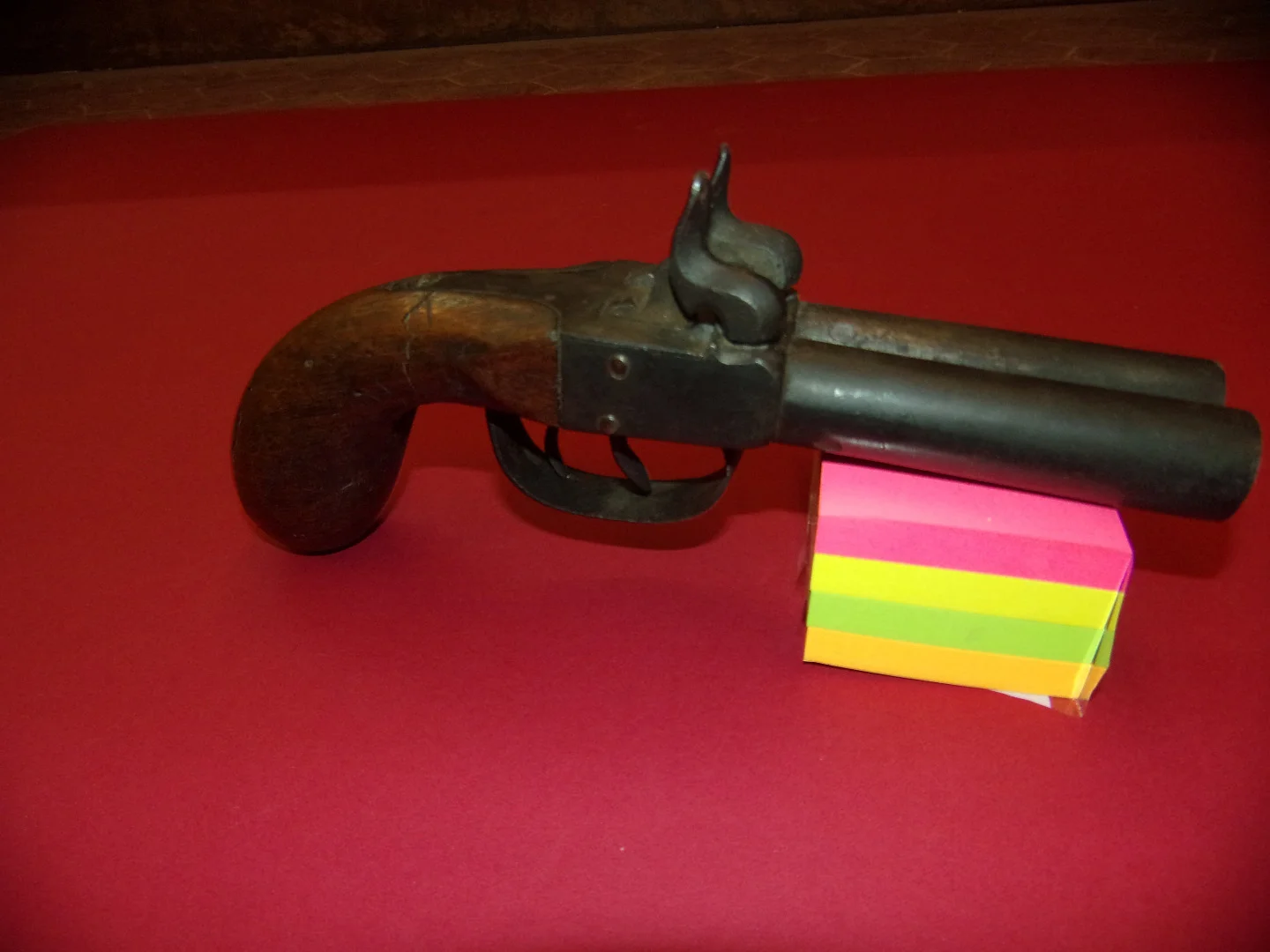
Double-barreled Percussion Pistol, 19th Century.
Sarl Cave — Limoges
350,00 €
7 objects found
Antique weapons occupy a uniquely compelling corner of the collectables market, where military history, master craftsmanship and decorative artistry converge. From antique swords and sabres of the medieval period to 18th-century flintlock pistols, every piece bears witness to a specific era, conflict or armourer's workshop. Quality is read in the refinement of the blade, the integrity of the hilt — often in gilt bronze, silver or ivory — and the legibility of maker's marks or proof house stamps.
On Antiquités en France, all antique edged weapons and period firearms are offered exclusively by verified professional dealers, ensuring serious provenance and rigorous description. Browse our naval antiques to complement a broader militaria collection.
7 objects found
Sarl Cave — Limoges
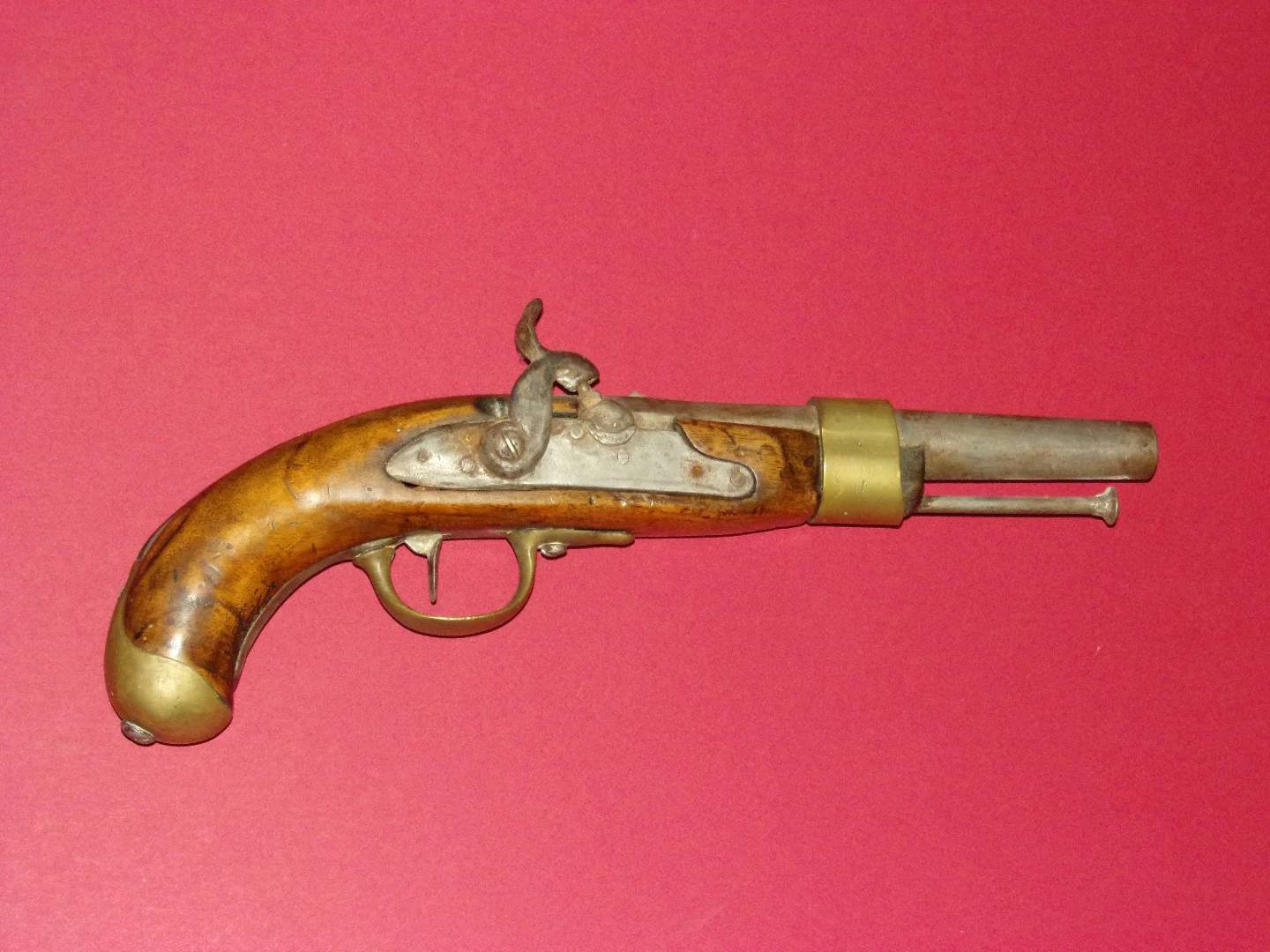
Sarl Cave — Limoges

Antiquités Lecomte — Héric
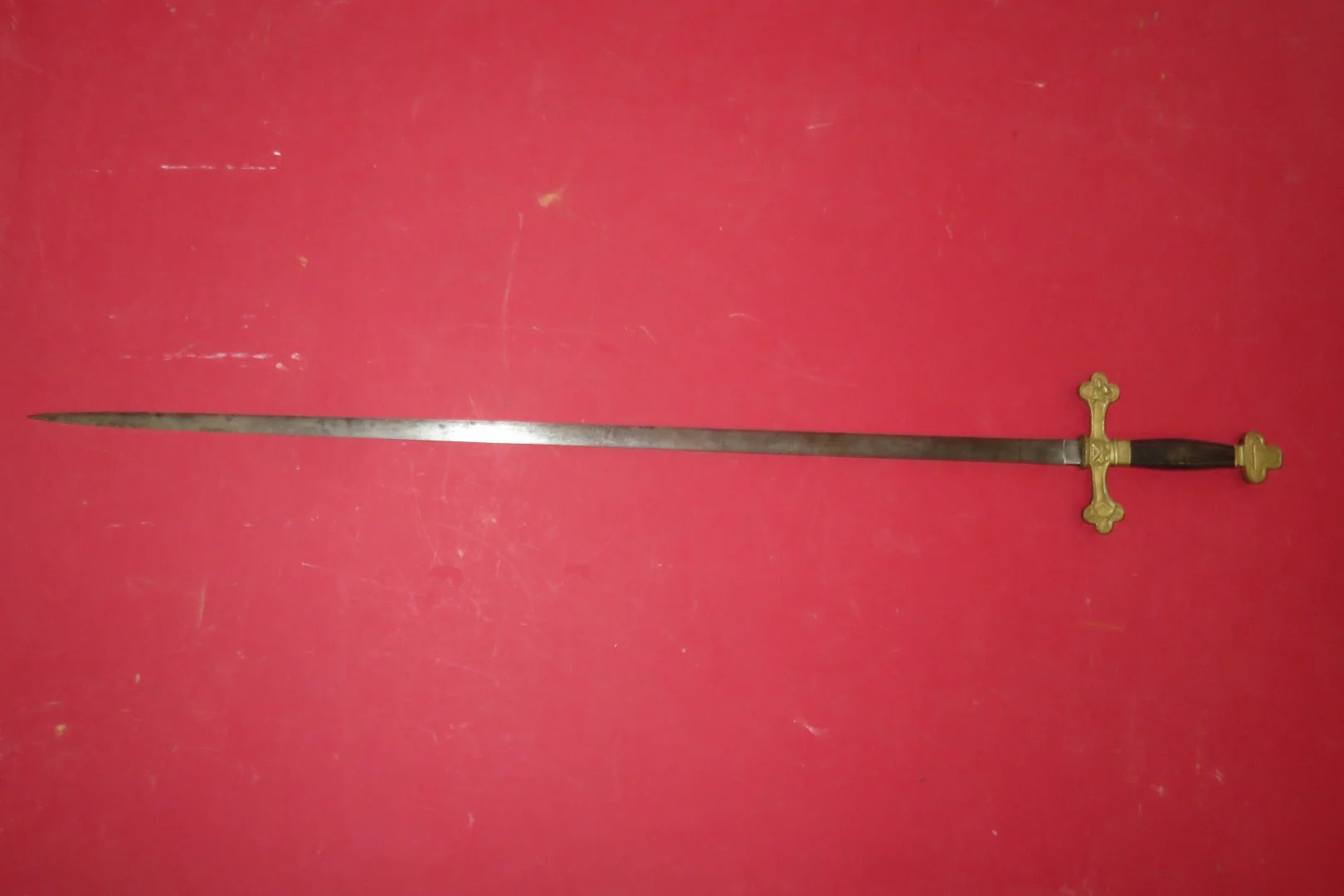
Sarl Cave — Limoges
Au Réveil Du Temps — Saint-Nabord
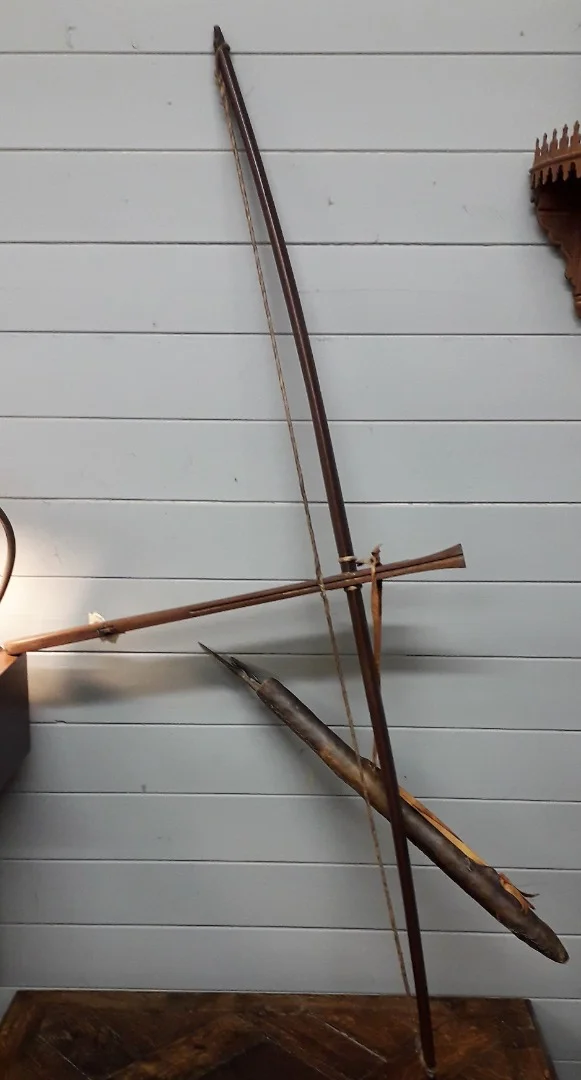
Antiquités "Le Vieux Matos" L.V.M — La Chapelle-Saint-Martin-en-Plaine
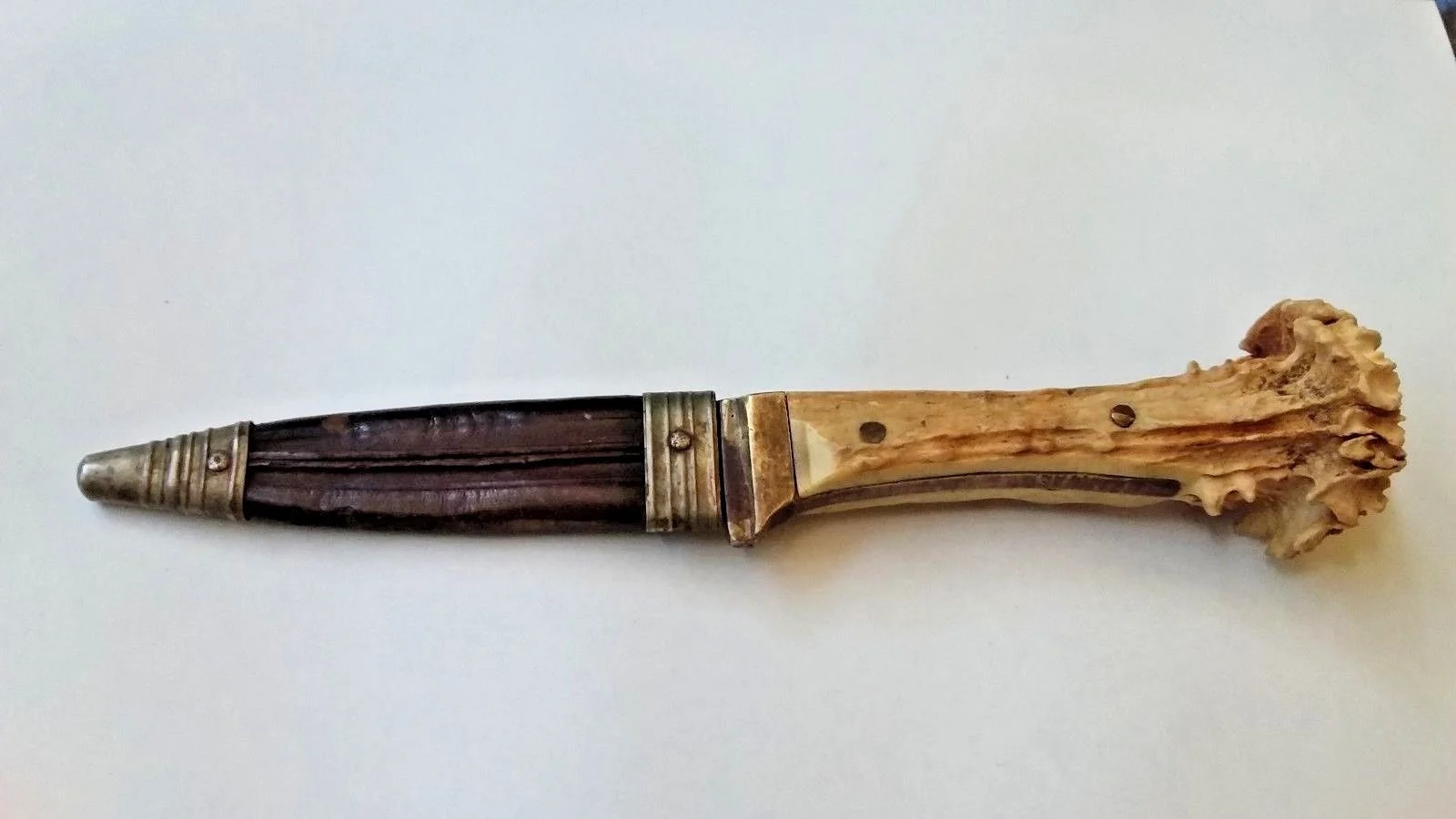
Antiquités "Le Vieux Matos" L.V.M — La Chapelle-Saint-Martin-en-Plaine
Authenticating an antique weapon requires a trained eye and a methodical approach. For edged weapons — swords, cavalry sabres, daggers — examine the blade closely: a period blade shows an even, consistent patina, sometimes traces of hand-polishing, and frequently carries a cutler's mark or a manufacture stamp from centres such as Klingenthal, Solingen or Toledo. The hilt, whether in bronze, brass or silver, must be coherent with the blade; be wary of later remounts that pair a genuine period blade with a reconstructed grip.
For antique flintlock pistols and other 18th- or 19th-century firearms, proof house marks — Liège, Birmingham, Saint-Étienne — are essential reference points. An original mechanism, even if non-functional, is always preferable to a replaced part. Stocks in carved walnut or rosewood, inlaid with engraved silver escutcheons, speak directly to the level of finish and the piece's intended purpose: luxury presentation arm or regulation service weapon.
In terms of budget, antique arms and armour span a very wide range. Expect to pay a few hundred pounds or euros for a sound 19th-century regulation sabre, rising to several thousand for a signed court sword or a cased duelling pistol set with full accessories. A documented provenance — estate inventory, old collection label, specialist appraisal — can readily double a piece's value. Consider also exploring antique helmets and armour to build a coherent militaria ensemble, or the adjacent world of naval antiques for maritime militaria.
Every professional dealer on Antiquités en France can supply high-resolution photographs, a legal compliance certificate and conservation advice. Caring for an antique weapon means storing it at a stable relative humidity of 45–55 %, applying a light coat of neutral oil to metal surfaces to prevent rust, and avoiding any abrasive cleaning that would destroy the original patina. Wooden elements — stocks, scabbards — benefit from a thin application of microcrystalline wax. Contact the dealer of your choice directly for specific enquiries or shipping arrangements.